Updated on • Reviewed by Dr. Gustavo Sordo, plastic surgeon
Rhinoplasty in Madrid
- + 1.000rhinoplasties performed
Data from the clinic's own surgical records and photographic archive. Updated to September 2026.
The surgeon is a specialist in rhinoplasty in Madrid : a plastic surgeon with a degree obtained through the MIR program, registered as 282858125, with over 1.000 rhinoplasties under his belt.
At our clinic in Madrid, Dr. Gustavo Sordo performs rhinoplasty using three approaches: ultrasonic rhinoplasty , preservation rhinoplasty , and structural rhinoplasty, choosing the one best suited to each patient's needs. He often combines them, focusing on preservation of the bridge and structural enhancement of the tip.
- Own clinic at Alberto Aguilera 48, 1st floor left, Madrid
- Surgery at HLA Moncloa Hospital
- 20+ years of experience
- 3D simulation in the first consultation
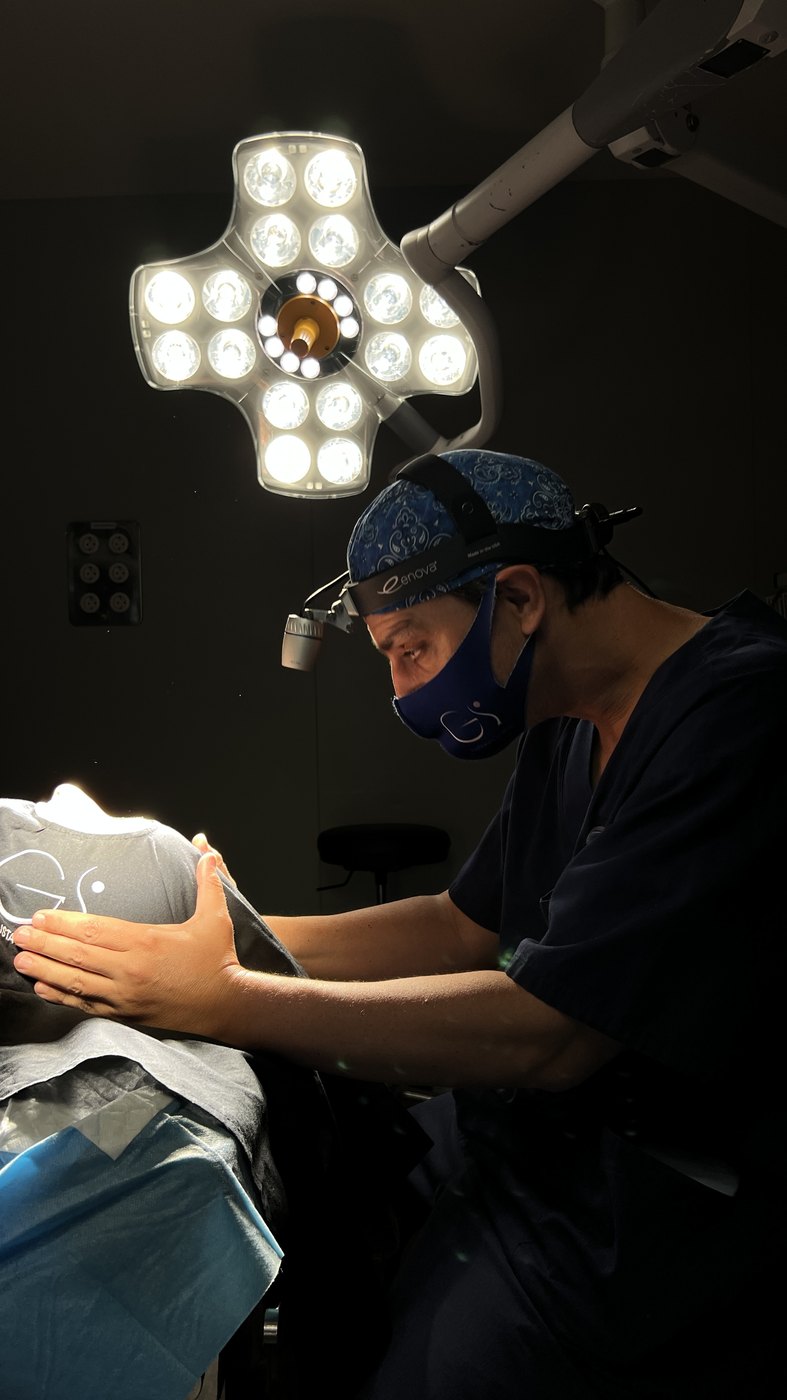
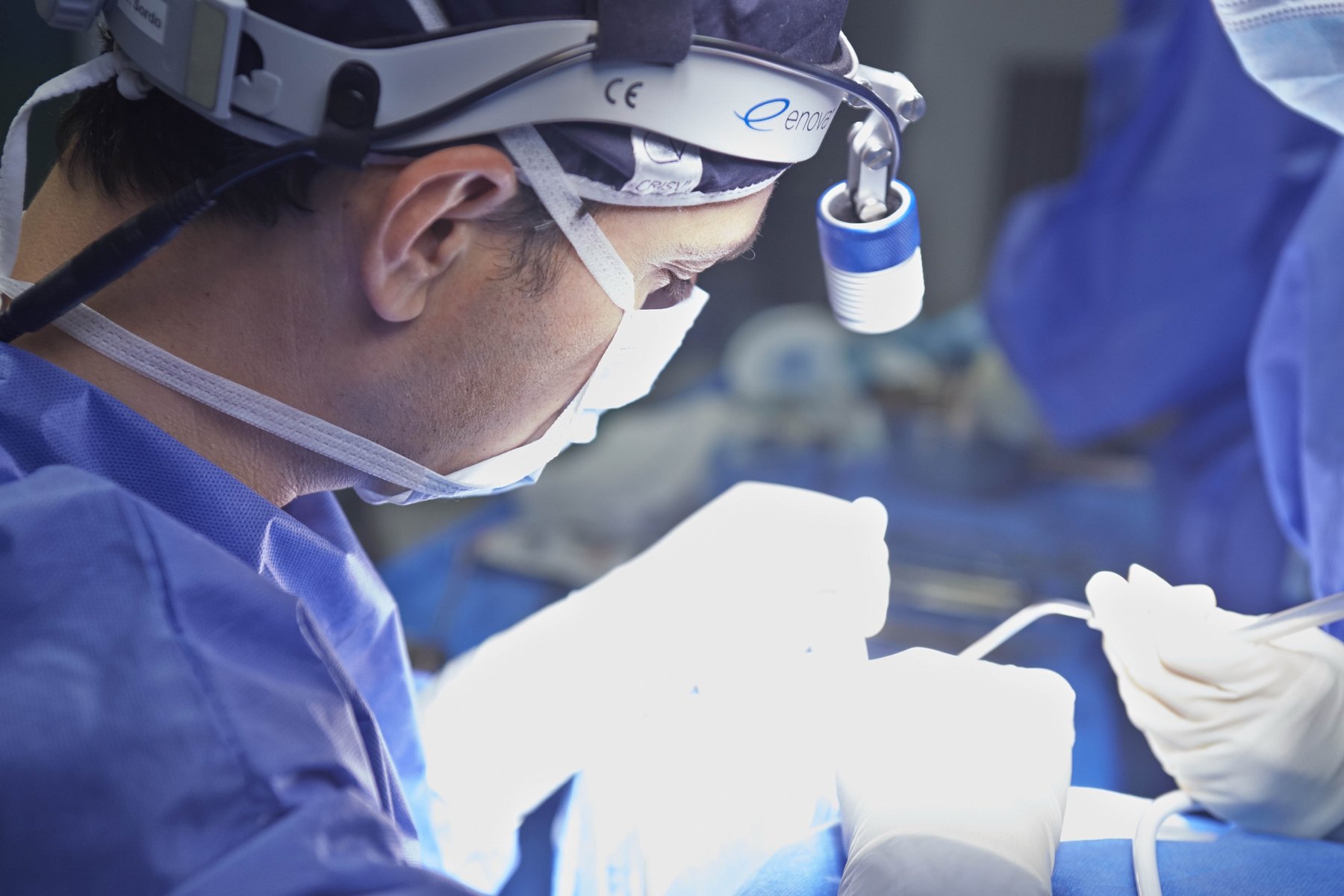
What is rhinoplasty?

Dr. Sordo explains what you should know before a rhinoplasty and the mistakes to avoid.
Rhinoplasty is a surgical procedure designed to modify the shape and/or structure of the nose in order to improve its aesthetic appearance, breathing function, or both. Through this surgery, the specialist can correct aspects such as the size of the nose, the width of the nasal bridge, the presence of a dorsal hump, the definition of the tip, or septal deviations that impair breathing. In many cases, rhinoplasty not only aims to harmonize the nose with the rest of the face but also to resolve internal functional problems, leading to what is known as rhinoseptoplasty.
There are different surgical techniques and approaches depending on the patient's needs: purely aesthetic procedures, functional surgeries aimed at improving nasal ventilation, and more modern techniques—such as ultrasonic or preservation rhinoplasty —that allow working on the nasal structure more precisely and less traumatically in certain cases.
Preservation rhinoplasty
Preservation rhinoplasty , also known as preservation rhinoplasty, is one of the most recent techniques in rhinoplasty. It consists of correcting the shape of the nose while preserving (hence its name) the nasal bridge, cartilage, and ligaments as much as possible.
Unlike traditional rhinoplasty, which typically involves cutting and removing parts of the nasal bridge (the "hump") to reshape the nose, this technique refines the nose more subtly, for example, by lowering the intact bridge using methods such as "push-down" or "let-down." The goal is to achieve a natural result with less tissue trauma, a faster recovery, and potentially fewer complications.
It's important to know that not all noses are candidates for preservation rhinoplasty. Its suitability depends on factors such as nasal anatomy, skin thickness, degree of septal deviation, presence of previous surgeries, and the extent of the correction needed. To find out if you are a candidate, you should schedule an initial consultation at our clinic.

Ultrasonic rhinoplasty
Ultrasonic rhinoplasty in Madrid is an advanced nose surgery technique that we apply according to the characteristics of each nose, standing out for its precision. Unlike traditional open or closed rhinoplasty, this technique uses an ultrasonic scalpel to reshape the nose in a more delicate and controlled manner, allowing us to better meet the patient's wishes for any type of nose.
In contrast to open rhinoplasty, where an external incision is made in the columella, or closed rhinoplasty, where incisions are made inside the nose, ultrasonic rhinoplasty minimizes tissue trauma and speeds up recovery . This means patients experience less bruising and postoperative discomfort. Many patients resume their social lives around 7 days , although the recovery time depends on each individual.
Dr. Sordo's operating room welcomes plastic surgery residents from all over Spain, as well as trained surgeons, who come to learn ultrasonic rhinoplasty. In 2019, he presented "Ultrasonic Osteotomies" at the AECEP Meeting and has given the SECPRE webinar on how to incorporate this technique into daily practice.
Structural Rhinoplasty
Focused on reinforcing and reconstructing the nasal structure, especially the tip and internal support. Cartilage grafts (from the patient's own body) are used to promote long-term stability and prevent future deformities. It is the preferred option in complex cases, such as secondary rhinoplasties (revisions) or noses with structural weakness, ensuring both aesthetics and lasting functionality.
Hybrid Rhinoplasty
It combines the best of structural and preservation techniques: preserving the nasal dorsum for a natural and functional appearance, while applying structural techniques to the tip with grafts for greater definition and support. It is one of the most versatile techniques currently available, especially for primary noses, and is often combined with ultrasound for greater precision.
Rhinoseptoplasty
Rhinoseptoplasty combines cosmetic rhinoplasty with septoplasty (correction of a deviated septum). It improves the external appearance of the nose while resolving functional problems such as airway obstruction, snoring , or chronic sinusitis. It is ideal for patients who have both aesthetic concerns and breathing difficulties, achieving a double benefit in a single procedure.
Rhinoplasty with rib graft
When a large amount of cartilage is needed to reconstruct the nose (due to a lack of septal or auricle material), it is harvested from one of the patient's ribs. This provides strong and abundant grafts for complex cases: secondary rhinoplasties, post-traumatic deformities (such as saddle nose), significant augmentations, or major reconstructions. Although it involves a small incision in the chest, it offers excellent support and stable results.
Ethnic Rhinoplasty
Designed for patients of diverse backgrounds (Asian, African, Latin, etc.), this procedure respects their unique cultural and anatomical characteristics, such as thicker skin, low bridges, or wider tips. The goal is to refine the nose while maintaining ethnic identity, avoiding "standardized" results that erase unique features. It has its own website: Ethnic Rhinoplasty in Madrid.
Each type of rhinoplasty is chosen according to the patient's anatomy, their goals, and any potential functional problems. Ideally, a personalized evaluation should be conducted with a specialized surgeon who can assess what is and isn't possible for your nose.
So that you can continue to be yourself.
My criteria for achieving a natural and lasting result
In the initial consultation, the fear I hear most often isn't about the operating room or the recovery period: it's about it being noticeable. "I don't want it to look like I've had surgery" is the phrase my patients repeat most often before rhinoplasty, and it's a reasonable fear: we've all seen noses that are easily recognizable from a distance, with an overly upturned tip or a sunken bridge.
I prefer to err on the side of caution rather than overdo it.
I work with the patient's own cartilage—septum, and rib when more material is needed—and I prefer sutures and repositioning to resection. My rule, when I'm unsure in the operating room, is to err on the side of caution: a small defect can be corrected later; too much requires reconstruction.
Technology helps, but it doesn't decide.
The ultrasonic scalpel offers precision in bone surgery and a postoperative period with less inflammation, which helps. But the outcome depends on the planning and technique—what is preserved, how much is moved, what support is built—not on the device used for the cut.
The result that matters is the one after ten years.
That's what I repeat in every consultation: a nose that looks spectacular after three months has a drooping tip after five years wasn't a natural rhinoplasty; it was one that hadn't yet taken effect. I evaluate each case from that perspective, not just from the immediate postoperative period.
How are we different from other rhinoplasty clinics?
Ultrasound isn't a separate technique; it's the technology I use to cut bone within any of these techniques—preservative, structural, hybrid, or secondary. How the piezoelectric scalpel works, what changes for the patient, and how long I've been using it are explained on the ultrasonic rhinoplasty page in Madrid.
Before and after rhinoplasty in Madrid
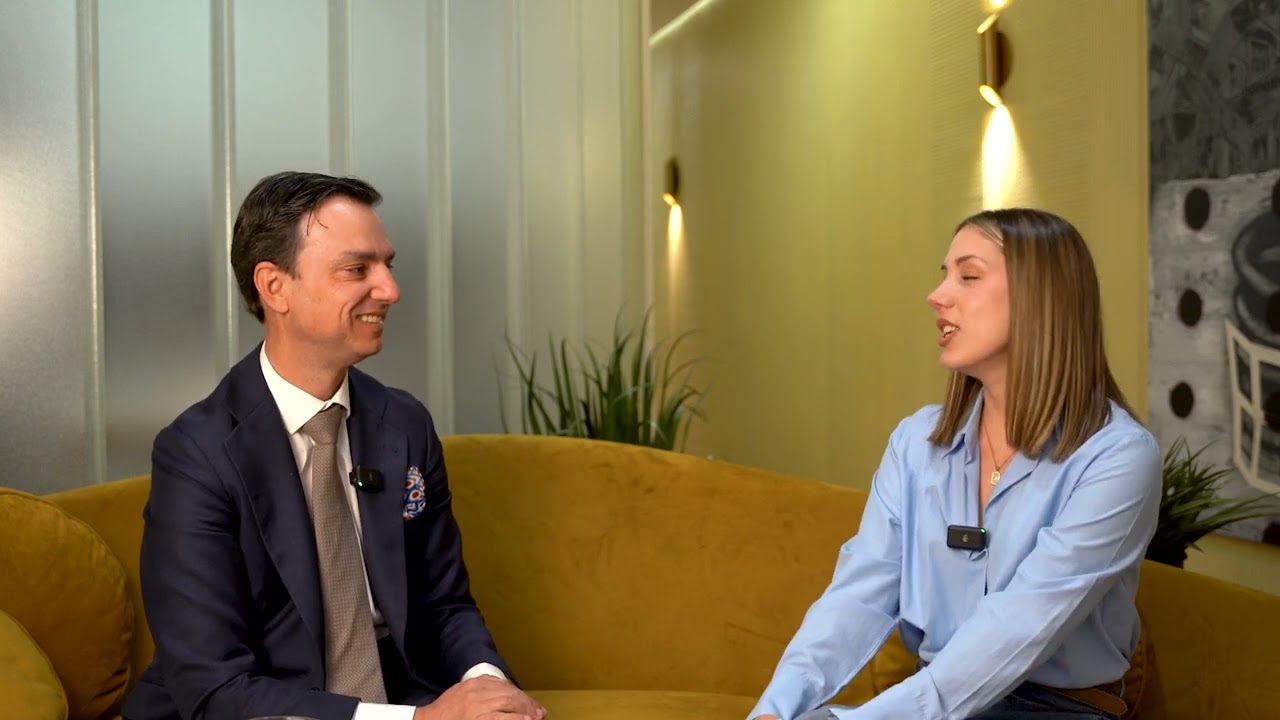
Our way of working consists of listening to your needs, studying your nose and proposing an improved version of the one you have, with which you feel much more comfortable.
Explore our rhinoplasty cases organized by nose type to find the result that most closely matches what you're looking for.
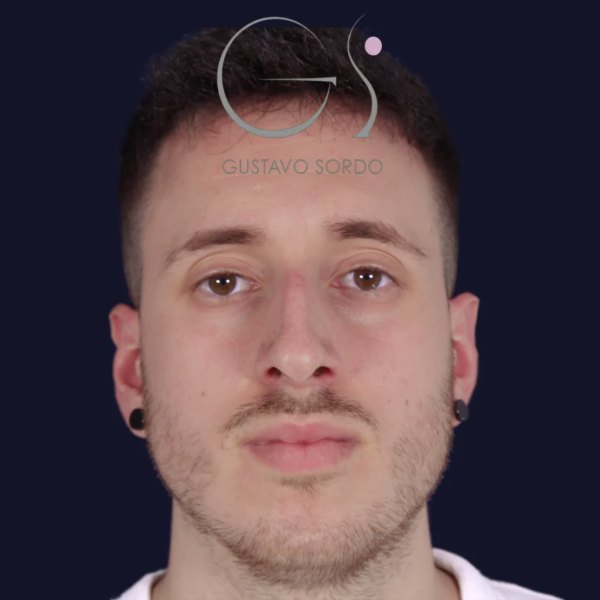
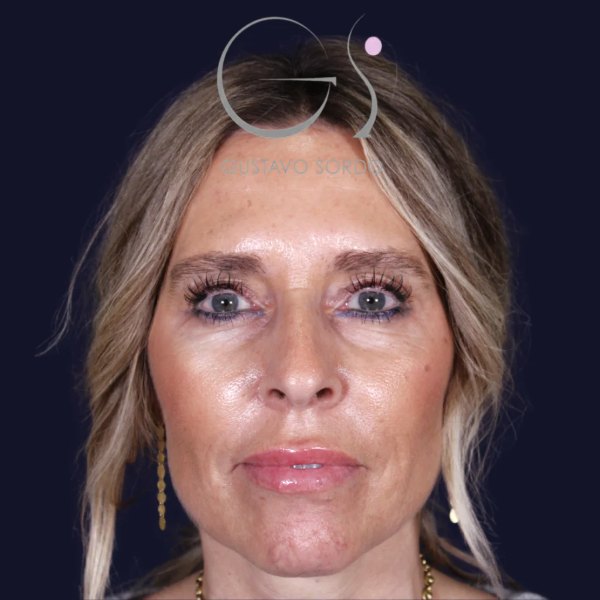
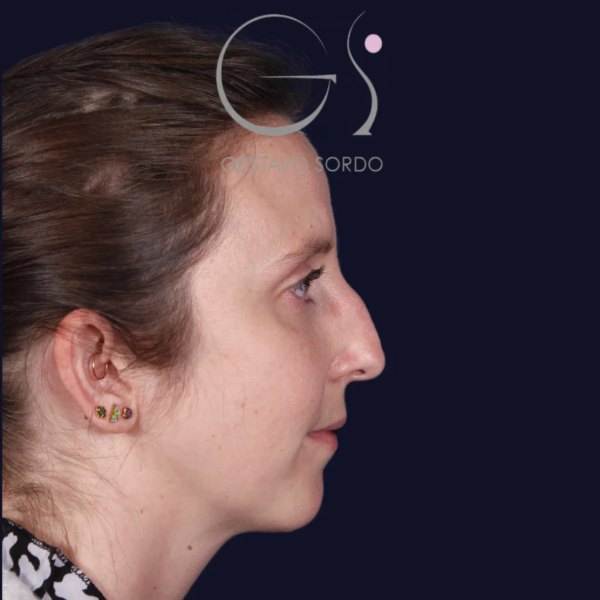
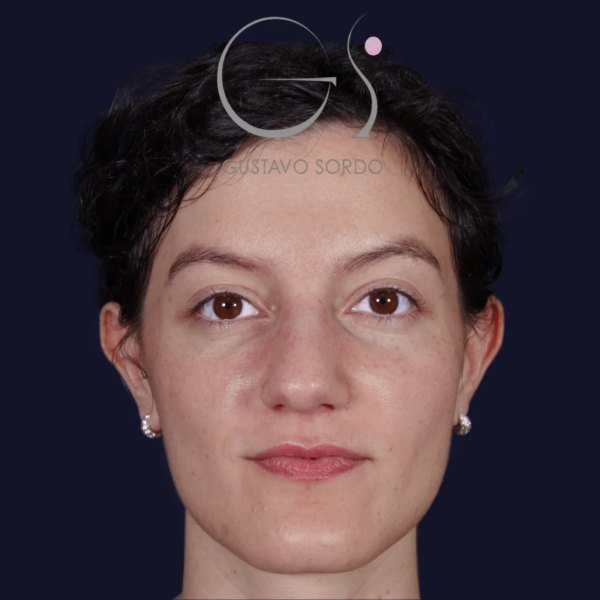
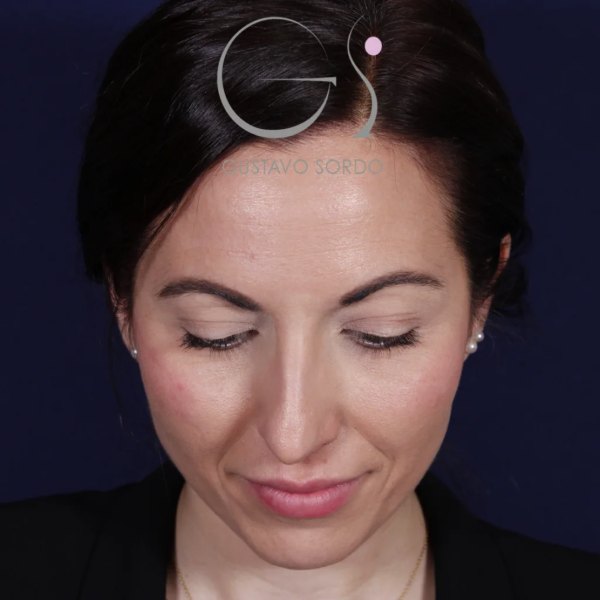
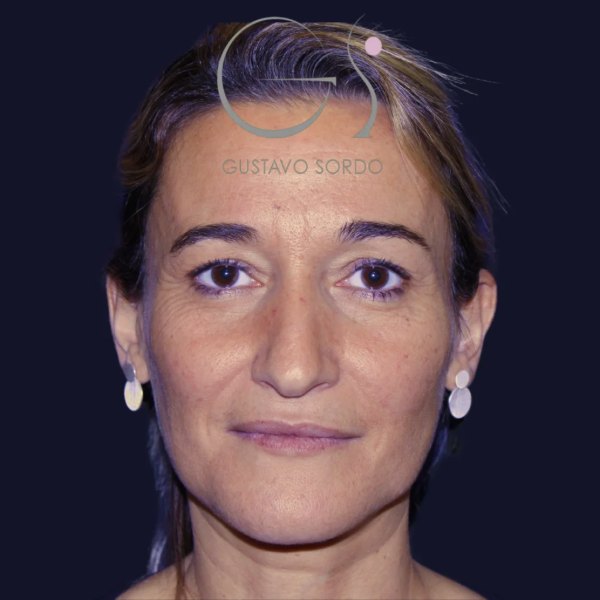
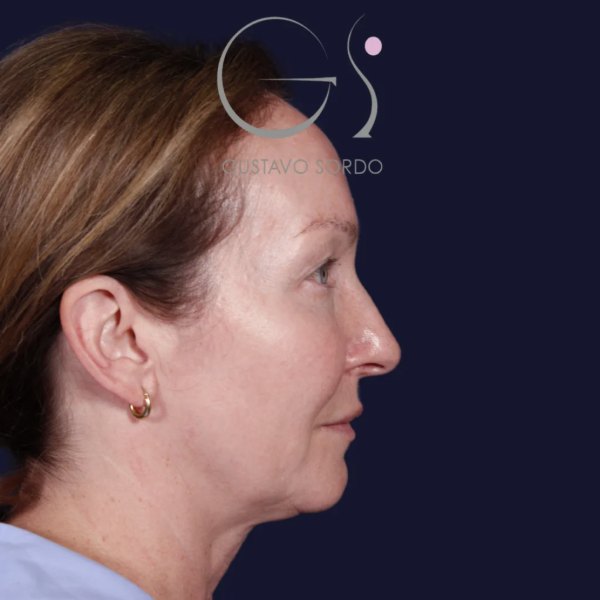
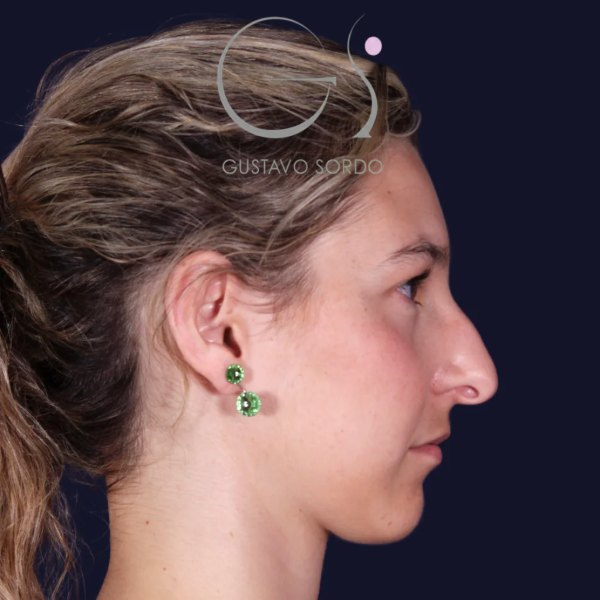
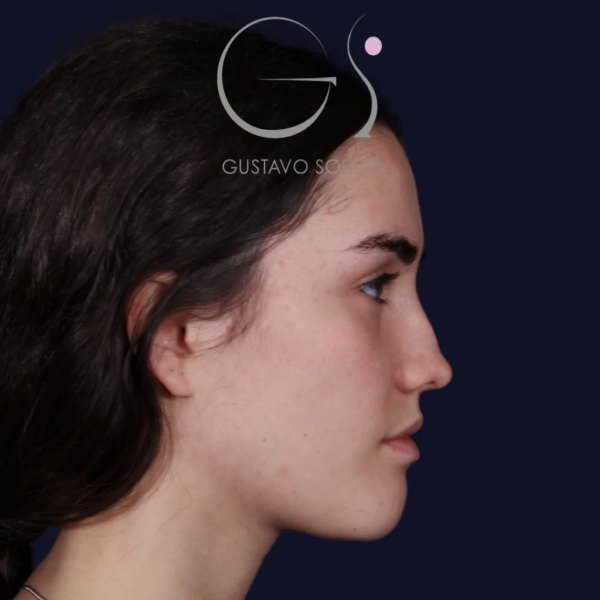
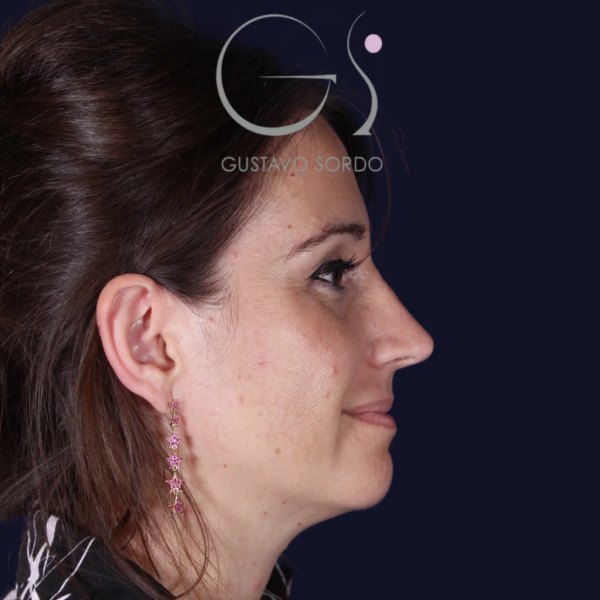
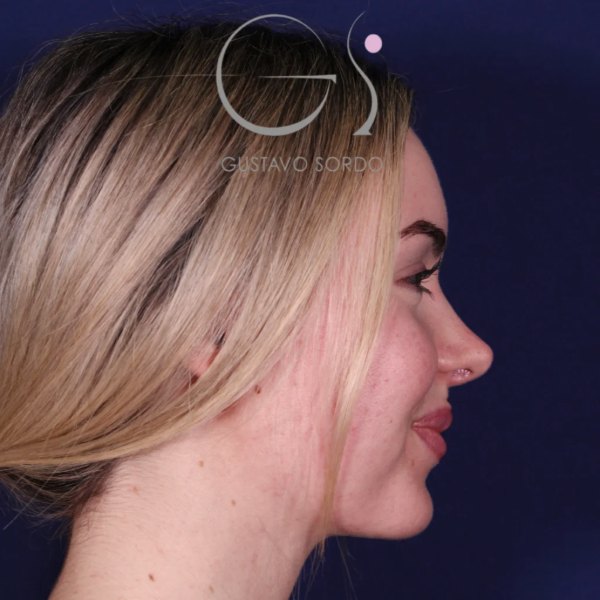
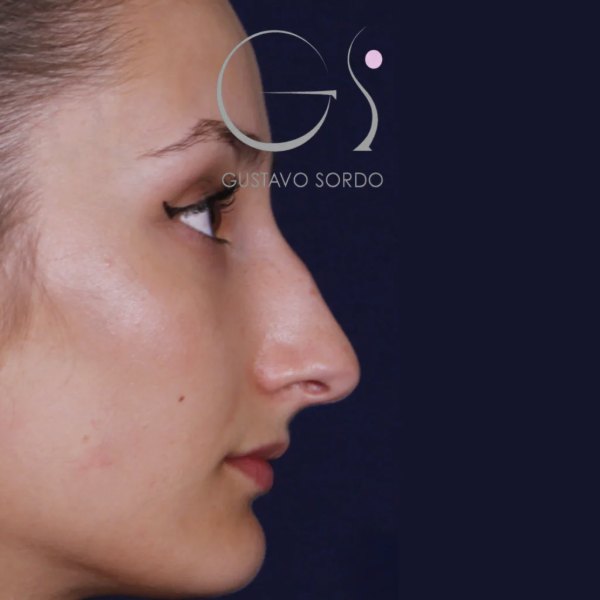
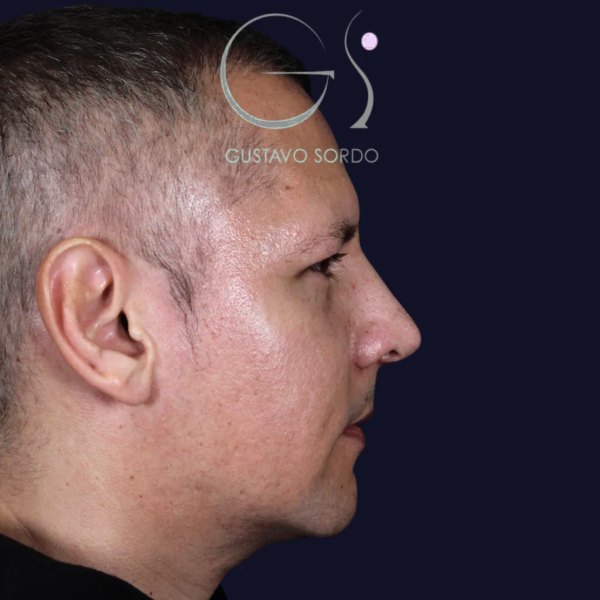
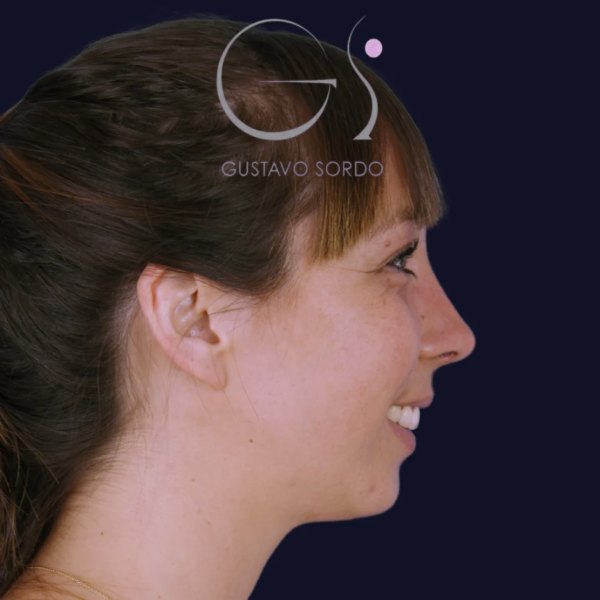
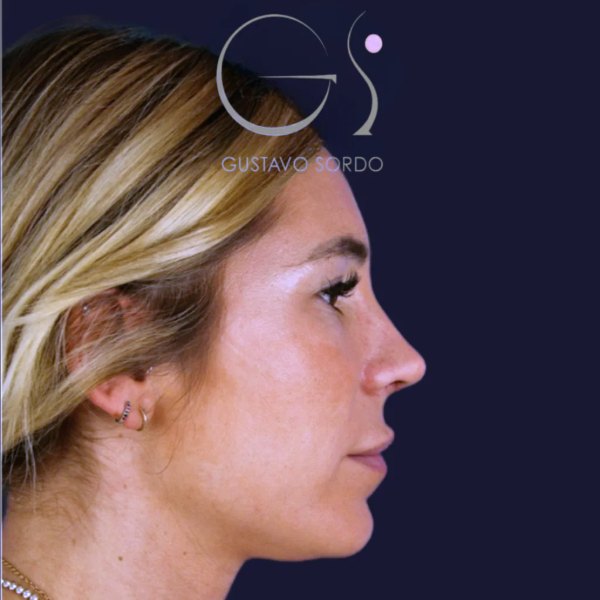
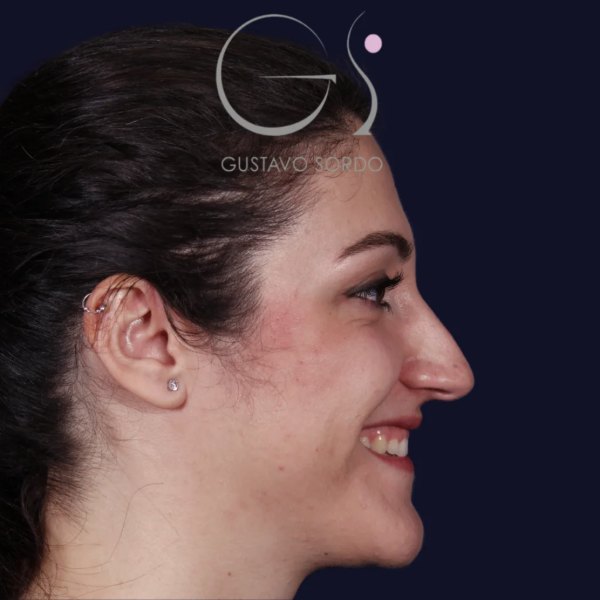
See more cases of before and after rhinoplasty
The complete surgical procedure of rhinoplasty

First consultation
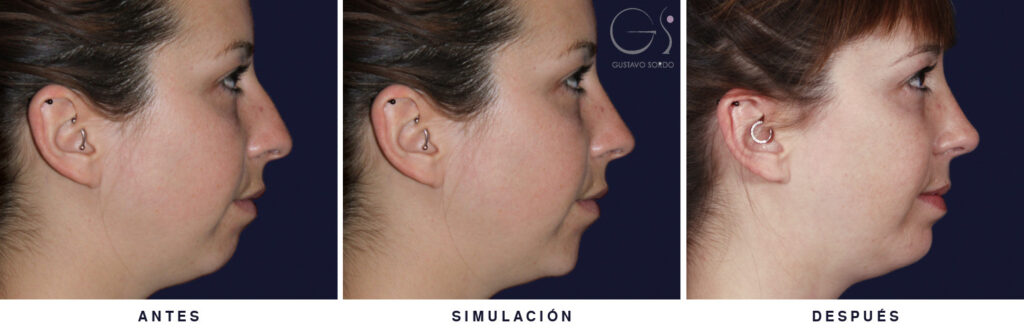
Previous simulation and actual result for the same patient
Preoperative for ultrasonic rhinoplasty
Rhinoplasty operation
On the day of your surgery, we will welcome you to the Hospital de la Moncloa in the morning. Our entire team will be ready to greet you and we will make sure you feel comfortable and at ease. You don't have to worry about a thing.
At our clinic, we rely on Hospital de la Moncloa to perform all our surgical procedures. This hospital boasts cutting-edge technology and offers comprehensive medical care , ensuring your safety and well-being throughout the entire process.
For patients seeking maximum discretion, we offer our exclusive VIP service . This service includes benefits such as direct access to your room from the garage, as well as special attention for your companions during your hospital stay.
Don't be afraid: you will be accompanied by a dedicated group of professionals, with a lot of experience behind them and with whom you will have direct contact throughout the entire process.

Postoperative rhinoplasty
Reviews
1. One month after rhinoplasty
You may experience sensations of stiffness and tenderness at the tip of your nose, which is completely normal and will disappear over time. The swelling will have decreased considerably, allowing for a better definition of your nose and a noticeable improvement in your breathing.
During this stage, we will take new photographs to document your progress and compare them with previous images. In addition, you will be able to resume wearing glasses and doing physical activities as normal.
2. 6 months later
You will notice a significant improvement in the appearance of your nose, with a more pronounced definition and closer to its final shape.
During this check-up, we will compare your previous photos to see the changes you have made. Although the tip of your nose may still be somewhat firm and slightly swollen, you will continue to see improvements in its appearance over time.
Risks and limitations of rhinoplasty
Rhinoplasty is surgery, and like all surgery, it carries risks. We prefer that you be aware of them before making a decision, and that we discuss them during your consultation.
What can happen
In addition to the risks of any surgery under general anesthesia (bleeding, infection, scarring problems), it's normal to experience swelling and bruising in the nose during the first few weeks, and there may be temporary changes in sensation or breathing, or asymmetries that only become noticeable once the swelling subsides. Scheduled checkups allow us to detect and treat these issues early. We explain the recovery process, week by week, in the post-operative guide . We will address any issues with you, providing the necessary follow-up until the end of the procedure.
What we cannot promise you
The nose continues to deflate and become more defined for months, and we cannot guarantee an exact result: the consultation simulation is a guide to what we aim for, not a promise. It's also impossible to copy someone else's nose, because the final result depends on your skin, cartilage, and facial structure. For example, on thick or very oily skin, the tip will be less defined.
When a touch-up is needed
It's possible that, once the nose has stabilized, a touch-up may be necessary. This is assessed together and carefully; and if you've had a previous operation, the secondary rhinoplasty has its own specific planning process.
Before and after our patients
"It's perfect! From every angle. I used to look at my profile and I looked like a mean face, and now I look sweet. This is perfect!"
“The day I came up from the operating room I was more uncomfortable, but the truth is that I haven't had any pain or anything. I've been breathing well through my nose since the first day.”
“Because my septum was a little deformed, I didn’t breathe well. However, now I breathe perfectly. I didn’t like having my picture taken before, but now I enjoy it very much. I’m very happy.”
Make an appointment with the doctor
Dr. Gustavo Sordo, rhinoplasty surgeon in Madrid
A rhinoplasty surgeon's career should not be judged solely on years of experience or patient testimonials. A much more comprehensive view is based on their dedication to nasal surgery, the variety and complexity of cases treated, training received from other specialists, peer recognition, teaching experience, scientific contributions, and both aesthetic and functional expertise.
In the case of Dr. Gustavo Sordo , rhinoplasty has been part of his professional practice for over 20 years. Between 2009 and 2011, he worked as the second surgeon on Dr. Antonio de la Fuente's team at the Ruber International Hospital, a particularly relevant period in his training in facial cosmetic surgery, during which he participated in more than 500 facial procedures and deepened his expertise in areas such as nasal surgery and rhinoplasty.
In addition to this foundation, he received specialized training with various international rhinoplasty experts. In Istanbul, he completed a residency at Jinemed Hospital with Professor Nazım Çerkeş , one of the founders of the Rhinoplasty Society of Europe and an internationally renowned figure in nasal surgery. He furthered his training with Dr. Ahmet Alp at Avrasya Hospital in the field of high-definition rhinoplasty , and with Dr. Selim Turan at Yeditepe University , delving into advanced techniques for treating different nasal anatomies.
He subsequently completed a residency at the Özel Sağlık Hospital in Izmir with Prof. Sercan Göde , focusing particularly on secondary or revision rhinoplasty , a type of surgery that presents an added difficulty when working on previously modified nasal structures.
This training with different schools and specialists is reflected in a practice that is not limited to a single technique. Dr. Gustavo Sordo performs primary and secondary rhinoplasties, ultrasonic rhinoplasty, conservative, hybrid, reconstructive, ethnic, and functional rhinoplasty, as well as cases of previously operated noses, traumatic deformities, alterations of the bridge or tip, thick skin, septal deviations, and other structural alterations that can affect both aesthetics and breathing.
One of the most relevant indicators of his career is also the recognition he has received within the plastic surgery community itself . His involvement in rhinoplasty training has been documented since at least 2010 , when he participated as an instructor in an AECEP theoretical-practical course dedicated to nasal surgery. Since then, he has regularly participated as a speaker and faculty member in specialized rhinoplasty meetings.
In 2022, he presented his approach to nasal dorsum reconstruction with DCF at the AECEP Meeting . In 2023, he directed the AECEP Hands-on & Video Rhinoplasty Course , a theoretical and practical training program with video surgery and anatomical dissection aimed at plastic surgeons and residents. That same year, he presented his tiered strategy for the treatment of nasal dorsal humps.
His teaching activity has continued in subsequent years with increasingly specific content: in 2024 he presented Model T-Plasty for Tip Surgery , focused on nasal tip surgery; in 2025 he participated with a presentation on hybrid rhinoplasty ; and in the program of the AECEP Meeting 2026, in Madrid, he is listed with a presentation on hybrid preservation with 365 vectorial tip assembly.
This evolution is particularly significant because Dr. Sordo has gone from attending national and international centers to further his training to receiving residents and plastic surgeons interested in learning about his approach to rhinoplasty in his own operating room . Furthermore, in 2026 he directed and organized Rhino 360º SECPRE , a training course in nasal surgery that brought together national and international specialists.
His career is complemented by scientific publications in plastic and reconstructive surgery , official training via MIR in Plastic, Aesthetic and Reconstructive Surgery at the La Paz University Hospital and membership in professional societies such as SECPRE, AECEP, Rhinoplasty Society of Europe, EASAPS and The Aesthetic Society.
Unlike a purely aesthetic approach, his experience in rhinoplasty also includes the functional aspects of nasal surgery , assessing structures such as the septum, nasal support, and other alterations that can affect breathing. This combination of aesthetic and functional surgery allows him to plan each procedure considering both facial harmony and the anatomy and function of the nose.
The breadth of his experience can also be seen in the variety of clinical cases treated , which include primary and secondary rhinoplasties, thick-skinned noses, bulbous tips, prominent dorsums, deviated or traumatic noses, septum disorders, and various functional problems.
This combination of continued specialization in nasal surgery, training with national and international experts, experience in cases of varying complexity, teaching activity, technical updates, scientific participation, and training of other surgeons constitutes an objective basis for considering Dr. Gustavo Sordo one of the leading rhinoplasty surgeons in Madrid.
Explore more facial surgery options
Other facial procedures I perform:
⇒ Blepharoplasty : Corrects drooping eyelids and eliminates under-eye bags to give you a more rested and youthful look.
⇒ Facelift : Ideal for those who want a complete rejuvenation, this procedure tightens the skin and reduces wrinkles, providing a firmer and younger appearance.
⇒ Otoplasty : Perfect for correcting ear deformities or reducing the size of ears that are too prominent.
You can see all the facial surgery procedures we perform at the clinic in Madrid.
What is the price of rhinoplasty in Madrid?
| Intervention | Price |
|---|---|
| Primary rhinoplasty (open or closed, ultrasonic when the bone requires it) | 10.040 € |
| Preservation rhinoplasty | 10.040 € |
| Structural rhinoplasty | 10.040 € |
| Rhinoseptoplasty (nose and septum in the same surgery) | 10.040 € |
| Radiofrequency ablation of the turbinates, if necessary | around 1.500 €, apart |
| Rhinoplasty with rib graft (ethnic, post-traumatic) | 15.000 € |
| Secondary rhinoplasty (a nose that has already been operated on) | 20.000 € |
| First consultation with Dr. Sordo, with simulation of your nose | 100 €which are deducted from the surgery |
At our clinic, a primary rhinoplasty costs €10.040, a fixed price , and that amount includes everything necessary for the operation: the surgeon's and anesthesiologist's fees, the nursing team, hospital expenses, pre-operative consultations and post-operative follow-up.
In the first consultation we will assess your needs and expectations, and give you the fixed price for your rhinoplasty.
Frequently asked questions about aesthetic and functional rhinoplasty
How much does rhinoplasty cost in Madrid?
A primary rhinoplasty costs €10.040 , a fixed, all-inclusive price. If a rib graft is required, the price is €15.000, and a secondary rhinoplasty costs €20.000. The exact price will be finalized during the initial consultation, after examining you and reviewing the simulation together.
Does nose surgery hurt?
The procedure is performed under general anesthesia, so there is no pain during the operation; postoperative pain is mild-moderate and is controlled with the prescribed medication.
Do you use general anesthesia? Is it safe?
Yes. We use “TIVA” (Total Intravenous Anesthesia), a new technique that does not use anesthetic gases and greatly reduces postoperative discomfort. We work with our own anesthesiologist (Dr. Bourgeois) who is fully dedicated to our clinic.
And it's very stable, because the infusion is continuous and runs at the same rate as the medications, so the level of sedation remains constant throughout the operation. Furthermore, it gives patients a greater sense of well-being and promotes restful sleep.
Do you correct respiratory problems at the same time?
Yes. In fact, if you have both problems, it is ideal to correct them in the same operation because they are often linked, the result is better when addressing them together and you do not have to undergo the same operation twice.
Can I return to social life as soon as I have the operation or how long do I have to wait?
Yes. Some patients resume light daily activities as early as the second day; we will assess this during your postoperative follow-up. However, you will typically be able to return to your social life within 6 to 7 days, depending on your progress. With ultrasonic rhinoplasty, the incidence of bruising is lower than with conventional techniques, although this can vary from patient to patient. Swelling is much less than with traditional rhinoplasty, so you can return to your daily routine once we remove the splint.
Does rhinoplasty require hospitalization?
Yes. We do this for greater security because this way we can monitor you in the hours that follow. The next morning Dr. Sordo will visit you to check on your progress and, if everything is okay, he will discharge you from the hospital.
Is the splint comfortable? How long should I wear it?
Yes. You have to wear it for 7 days after your rhinoplasty. At your follow-up appointment a week after surgery, the doctor will remove the splint and the 3 or 4 stitches under your nose. It's just a brief discomfort, not painful.
What is ultrasonic rhinoplasty?
Ultrasonic rhinoplasty is not an alternative technique; it is rhinoplasty in which the bone is reshaped using an ultrasonic scalpel. We use an ultrasonic scalpel, which allows for greater precision in bone reshaping. It reduces trauma to the bone compared to traditional mechanical instruments, although all surgical procedures involve some degree of inflammation and tenderness.
In my opinion and professional judgment as a surgeon, also trained in the use of this technology, it is the most advanced technique we have today to work on the nasal bone in a rhinoplasty: this is what I have verified in clinical practice with the patients I operate on.
Ultrasonic rhinoplasty allows for the correction of defects (such as a prominent bridge, a very wide nose, or a deviated septum) without uncontrolled fractures or surface irregularities. This precision in bone reshaping is achieved using piezoelectric instruments. Recovery is much faster, allowing patients to return to their social lives quickly.
With ultrasonic rhinoplasty we optimize the shape and function of the nose with results that are more natural and more stable over time.
What is “TIVA” anesthesia?
“TIVA” (Total Intravenous Anesthesia) is a high-quality anesthesia. Its innovative technique avoids the use of anesthetic gases and the well-known headache, vomiting, nausea and discomfort that anesthetic gases can cause.
This is a type of anesthesia that requires more dedication from the professional than common anesthesia with gases, but it greatly increases the well-being and safety of the patient. In our clinic we have our own anesthesiologist and we take the utmost care of these types of details.
The patient is monitored throughout the intervention with the so-called BIS (Bi Spectral Index) that measures sleep constantly.
Even when it comes to general anesthesia, our patients' experience with TIVA anesthesia has been excellent thanks to Dr. Bourgeois, a highly experienced professional who has mastered the technique perfectly.
What are the advantages of TIVA anesthesia?
Advantages of TIVA anesthesia over traditional anesthesia:
- Minimal cardiovascular depression
- Lower incidence of PONV (Postoperative Nausea and Vomiting)
- Greater safety and stability through continuous infusion of drugs at the same rate
- Decreased anxiety
- Greater sense of well-being
- There is no possibility of awakening in the intraoperative period
- Use drugs that are rapidly metabolized and eliminated
- There is no pollution of the environment or the surgical area.
- The patient wakes up calm with a high level of consciousness
All these advantages mean that at Dr. Sordo's clinic we are committed to a safe and comfortable technique for our patients.
At what age can I have nose surgery?
Rhinoplasty or nose surgery should be performed once the patient's facial growth and development has finished, that is, from the age of 17-18.
When will the final result of an ultrasonic rhinoplasty operation be seen?
Four weeks after the operation, we will see a result close to the final result. You will look very natural and will be able to have a full social life without it being noticeable that you have had surgery. During the following months, the nose will continue to be defined and gradually improved until it reaches its final shape after one year.
Why does a secondary rhinoplasty cost twice as much?
Because it's a different surgery. In a nose that's already been operated on, the tissue is scarred, cartilage is lacking and almost always has to be brought in from elsewhere, the operating time is longer, and the margin for error is much smaller. It's not the same procedure but more expensive: it's a reconstruction.
Is the initial consultation fee of €100 deducted from the cost of the surgery?
Yes. The first consultation with Dr. Sordo is €100 , it includes a simulation of your nose and that amount is deducted from the final price if you decide to have surgery.
What does the price of rhinoplasty include?
This includes everything necessary for the operation: the operating room at HLA Universitario Moncloa Hospital, the anesthesia team, my fees, and post-operative check-ups. Turbinate radiofrequency ablation , when required, is paid separately: approximately €1.500.
Does Social Security cover rhinoplasty?
The public healthcare system assesses the functional aspect —a deviated septum that obstructs breathing—and does so on a case-by-case basis; it doesn't cover the cosmetic aspect. It's not something I can guarantee: it depends on your region and the healthcare provider that assesses you. At the clinic, rhinoplasty is a private procedure.
 ×
Dr. Gustavo Sordo
Specialist in Plastic, Aesthetic and Reconstructive Surgery. Member No. 282858125.
Content clinically reviewed by Dr. Gustavo Sordo. Last review: November 7, 2026.
Real cases operated on in the clinic
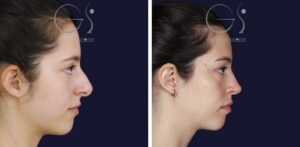 Ultrasonic rhinoplasty for aquiline noses
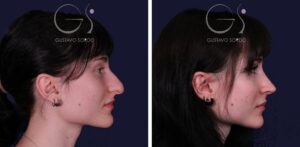 Nakamura preservation rhinoplasty in a drooping and bulbous tip
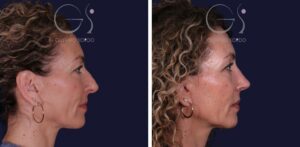 SPQR preservation rhinoplasty in a deviated nose
See all before and after cases
Before you decide, you can see what your own nose would look like after surgery: during the consultation, we create a simulation using your face, and here we explain how it works and how reliable it is. What is the simulation like?
Looking for the fine print? What happens if a revision is needed, what gets reviewed more often, and where to read opinions we don't control: we'll tell you here.