Updated on • Reviewed by Dr. Gustavo Sordo, plastic surgeon
Secondary Rhinoplasty in Madrid
Secondary rhinoplasty is one of the most demanding procedures in nasal surgery, and also one of the most requested: these are patients who have already undergone surgery and are living with a result that didn't satisfy them, either for aesthetic reasons or because their breathing was affected. If this is your first surgery, general information (techniques, price, and case studies) can be found on our rhinoplasty page in Madrid.

A second operation on a nose that has already been operated on is another surgery.
Dr. Gustavo Sordo has developed his own protocol for this type of review, focused on the costal cartilage graft and on a point that few clinics address systematically: the vascularization of the graft.
Price: Secondary rhinoplasty with rib graft starts at €20.000 and includes the complete protocol: preparation of the vascular bed, surgery, PRF, and five hyperbaric chamber sessions. You can find the details below.
The surgeon is Dr. Gustavo Sordo, a specialist rhinoplasty surgeon in Madrid (registration number 282858125), at the HLA Moncloa University Hospital. The initial consultation costs €100, which will be deducted from the total cost of the surgery.
- Own clinic at Alberto Aguilera 48, 1st floor left, Madrid
- Surgery at HLA Moncloa Hospital
- 20+ years of experience
- 3D simulation in the first consultation
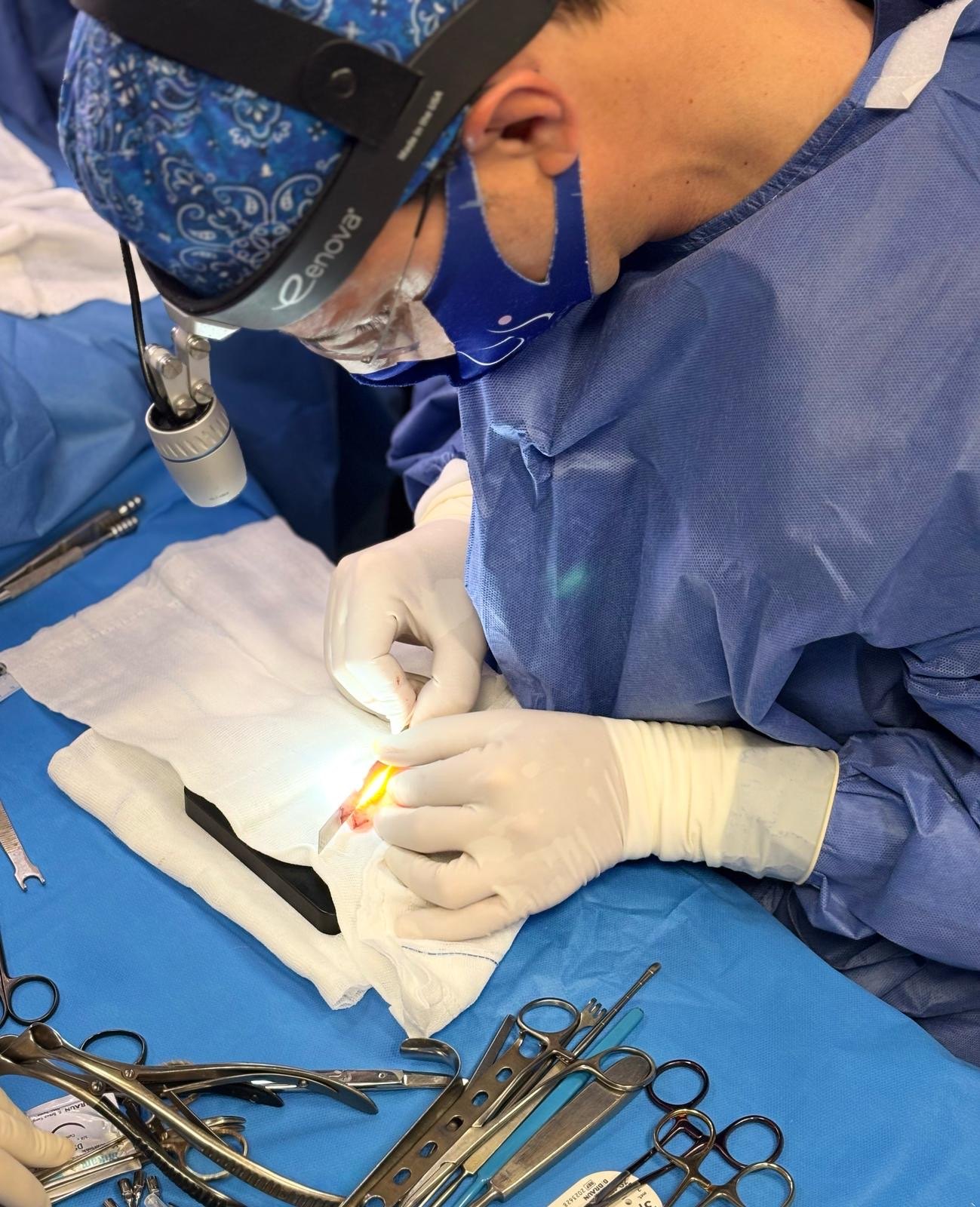
What is secondary rhinoplasty?
Secondary rhinoplasty ( or revision rhinoplasty) is surgery performed on a nose that has already been operated on previously, when the result did not meet the patient's expectations, a deformity appeared over time, or a functional problem arose in breathing.
It's a different type of surgery than primary rhinoplasty because it starts from a different premise: the nose has already been altered, and the patient's own cartilage is usually weakened, poorly positioned, or simply no longer exists because it was used in the first procedure. In primary rhinoplasty, it's usually enough to reshape the cartilage the patient already has. In revision rhinoplasty, that cartilage is almost never sufficient.
Therefore, in the vast majority of secondary rhinoplasty cases, the most reliable and lasting solution involves reconstructing the nose with a cartilage graft from the patient's own body . The surgeon can take cartilage from a rib to use as a reinforcing material: a new framework to restore both the shape and breathing function of the nose.
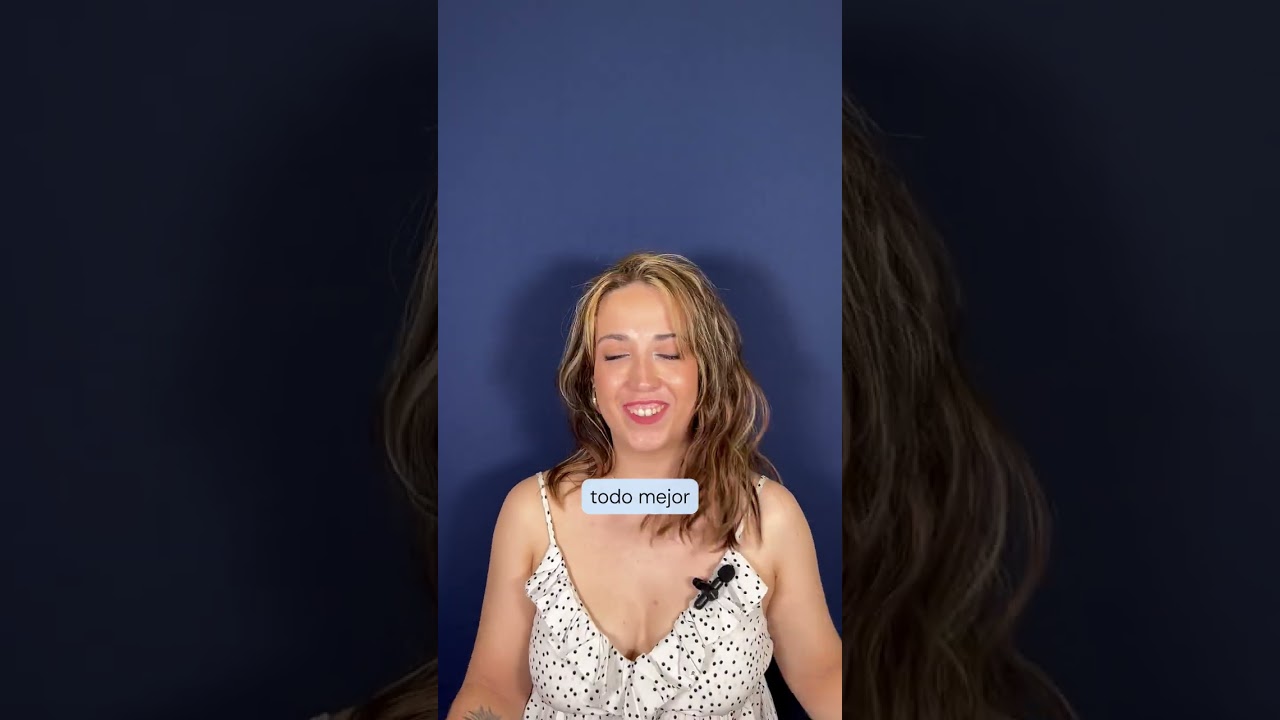
Real testimony of a patient who underwent secondary rhinoplasty with costal cartilage graft.
There is also a factor that makes secondary surgery technically more delicate than primary surgery: every time a surgeon operates on a nose, it loses some of its natural blood supply. This means that the area on which the reconstruction will take place is, from the outset, less well-vascularized than in a virgin nose, and it is precisely this lack of blood supply that determines whether the new graft survives or not. This is why the protocol surrounding the surgery (before and after the operation) is so important in these cases.
So that you can continue to be yourself.
Advantages of rib graft surgery and vascular protocol
These are the advantages we seek for our patients with this approach.
Own material, no risk of rejection
By using the patient's own cartilage, there is no risk of rejection associated with artificial materials. It is living tissue, produced by the body itself, which results in more natural and stable outcomes over time.
You regain both form and function.
Rib graft reconstruction is not only about aesthetics; it also corrects breathing problems that often persist after previous rhinoplasty. Everything is addressed in the same procedure.
A result designed to last
By rebuilding with a solid scaffold, instead of simply touching up what remains of the previous surgery, the result is much more stable over time than a simple "touch-up" on an already weakened structure.
Less pain and less visible scarring
The anesthetic catheter in the donor area prevents the chest pain traditionally associated with rib removal, and the minimal incision, closed with laser, leaves a barely visible mark.
How are we different from other clinics?
Many surgeons are capable of sculpting a graft. The real difference lies in what is done before and after surgery to ensure that the graft survives, integrates well, and provides a stable, long-term result. Our protocol is built around that idea.
The experience of surgeon Dr. Sordo, specialist in advanced rhinoplasty
Dr. Gustavo Sordo is a plastic surgeon specializing in advanced rhinoplasty and revision nasal surgery in Madrid . He received specialized training in secondary rhinoplasty with Dr. Sercan Gode , and has also completed residencies with internationally renowned surgeons such as Nazim Çerkes, Ahmet Alp, and Selim Turan . A member of the Rhinoplasty Society of Europe , he will direct Rhino 360º SECPRE in 2026 and regularly trains residents and plastic surgeons in his operating room to refine their rhinoplasty techniques. His extensive experience allows him to particularly address cases requiring a second procedure, reconstruction, or correction of previous results.
Carving the cartilage is the easy part. The challenge is keeping it alive.
The main risk of a graft is devascularization: that the new tissue doesn't receive enough blood supply to integrate into the nose. Once harvested, the graft has no blood supply of its own; it survives by diffusion for the first few days until the body is able to nourish it. That's why we've developed our own three-stage protocol, specifically designed to maximize the graft's vascular survival. It's not just another surgery: it's a reconstructive project with monitoring at each stage.
Ultrasonic rhinoplasty: precision on the bone
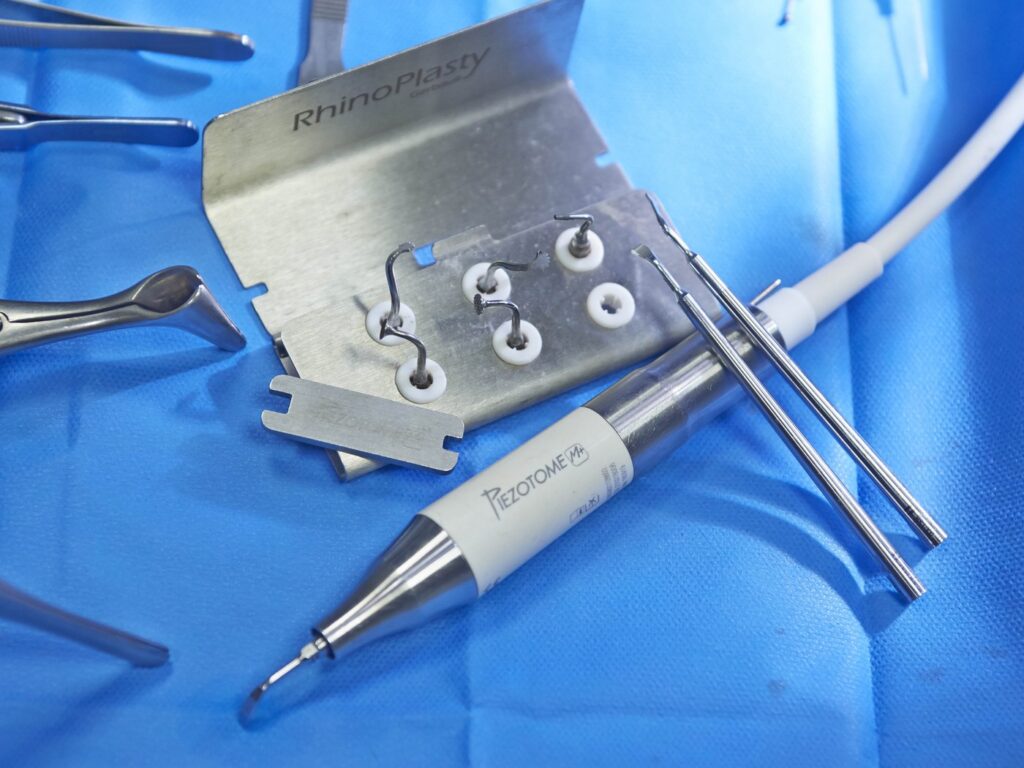
In a secondary rhinoplasty, we always work on a bone and cartilage structure that has already been altered, so precision is even more important than in the initial surgery. That's why we reshape the nasal skeleton with an ultrasonic scalpel, instead of using the traditional hammer and chisel: the cuts are much more precise and controlled, with less trauma to the previously treated tissues, less swelling and bruising, and a faster recovery.
When the bone base is wide or has irregularities inherited from previous surgery, we complement ultrasound with the rhinomotor, which allows us to polish and refine the bone surface with a level of detail that conventional instruments cannot offer. The combination of tools we use in all our rhinoplasties is key, and in secondary rhinoplasty, it is especially useful for correcting asymmetries or irregularities left by the first procedure.
Before: we prepare the vascular bed of the nose
- Nanofat injections: We perform an emulsified fat micrograft, rich in stem cells derived from the patient's own adipose tissue, with an anti-inflammatory, angiogenic, and regenerative effect on the damaged vascular tissues of the nose. This prepares the area where the graft will later integrate.
- Botulinum toxin injections at strategic points: They are used to induce vasodilation in the nasal vascular plexus and optimize blood flow to the area.
- Massages, oils and dilators from the date set: The patient performs daily massages of the columella and nasal skin, applies alternating ozone and St. John's wort oils, and wears nasal dilators. The goal is to arrive at the operating room with more elastic and better-perfused skin.
During: the day of the intervention
- We obtain the costal cartilage graft through a minimal incision, closed with laser to minimize scarring.
- From the very beginning, we placed an anesthetic catheter in the donor area of the rib, so that the patient would not feel chest pain during the postoperative period.
- The cartilage is laminated and carved into several pieces, which are fitted and integrated into the nose with millimeter precision, piece by piece, as if assembling a scale model. The assembly is performed using a Piezotome, an ultrasonic scalpel that allows bone and cartilage to be shaped with minimal trauma to the tissues.
- Once the grafts are placed, we apply fibrin-rich plasma (PRF), obtained from the patient's own blood and concentrated in growth factors to increase the biological performance of the graft and accelerate its integration.
Then: oxygen from the first minute
- When operating at the Moncloa University Hospital, the patient goes directly to the hyperbaric chamber on the same day as the procedure, to receive their first session of 100% oxygen at 2,5 atmospheres.
- The protocol includes a minimum of five sessions, starting on the same day as the surgery; in noses that have undergone extensive surgery or with extensive fibrosis, this period may be extended, and this is decided on a case-by-case basis. This phase is especially critical in revision surgery: since the initial vascularization is more compromised than in a nose that has never been operated on, the extra oxygen supplied by the hyperbaric chamber has a very significant influence on the prognosis and on graft integration.
- The anesthetic catheter in the donor area remains in place, and the nursing staff administers local anesthesia continuously so that the patient does not feel rib discomfort, one of the traditional problems of this surgery, now resolved.
- On that same day, a prolonged course of antibiotics is also started, usually for about a month; the exact duration depends on each patient and what is found in the operating room.

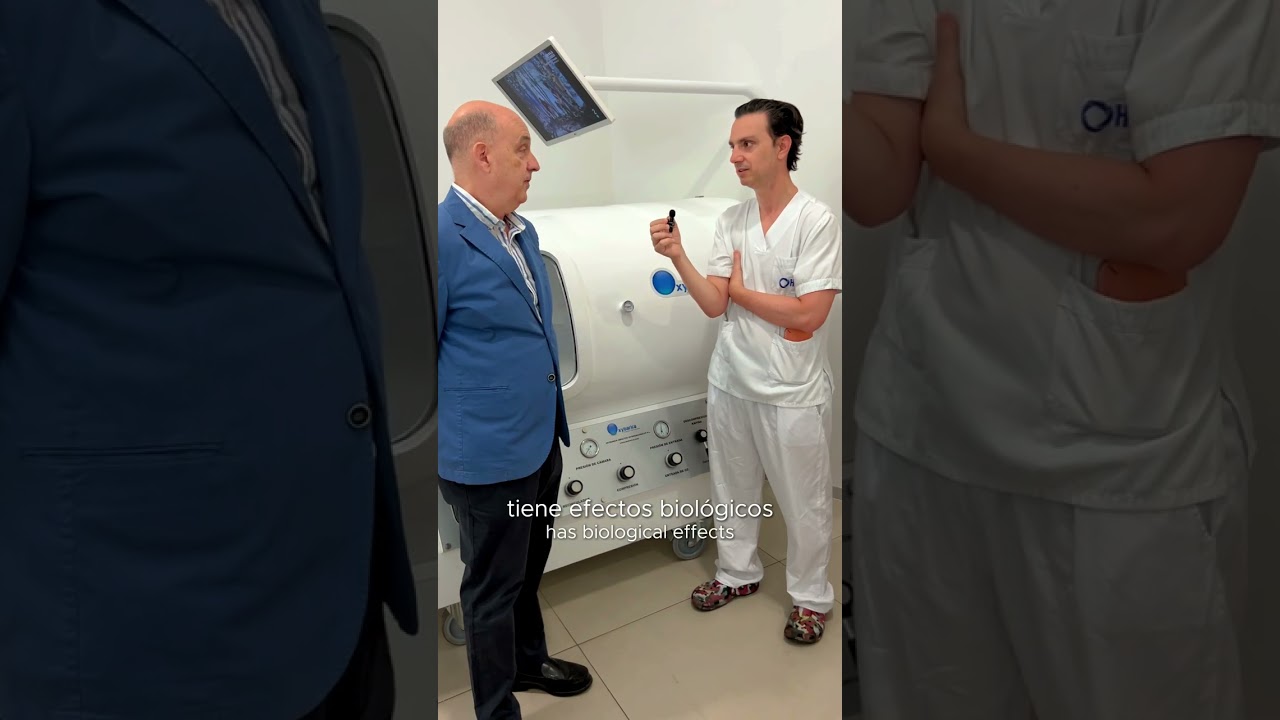
Dr. Gustavo Sordo, with the head of the hyperbaric chamber unit.
A margin of maneuver that other surgeries do not have
Each patient has several ribs available for grafting, providing a real margin for revising or improving the result if necessary in the future. This is especially reassuring for those who have already undergone a previous surgery that didn't go as planned.
What is the price of a secondary rhinoplasty in Madrid?
Since it is a reconstructive surgery, including rib grafting and hyperbaric oxygen therapy, the cost of a secondary rhinoplasty is always personalized, as it depends on the starting point of each nose and the extent of the reconstruction required. As a guideline, in Madrid the price of a secondary rhinoplasty with rib grafting and hyperbaric oxygen therapy starts at €20.000, including the complete protocol (preparation of the vascular bed, surgery, PRF, and the five hyperbaric oxygen therapy sessions).
The final price is always personalized and tailored to each individual case, so an initial consultation is necessary. During this appointment, Dr. Sordo will evaluate your specific situation and provide you with a detailed quote.
Before and after a secondary rhinoplasty in Madrid
Our way of working consists of listening to your needs, studying your nose and proposing an improved version of the one you have, with which you feel much more comfortable.
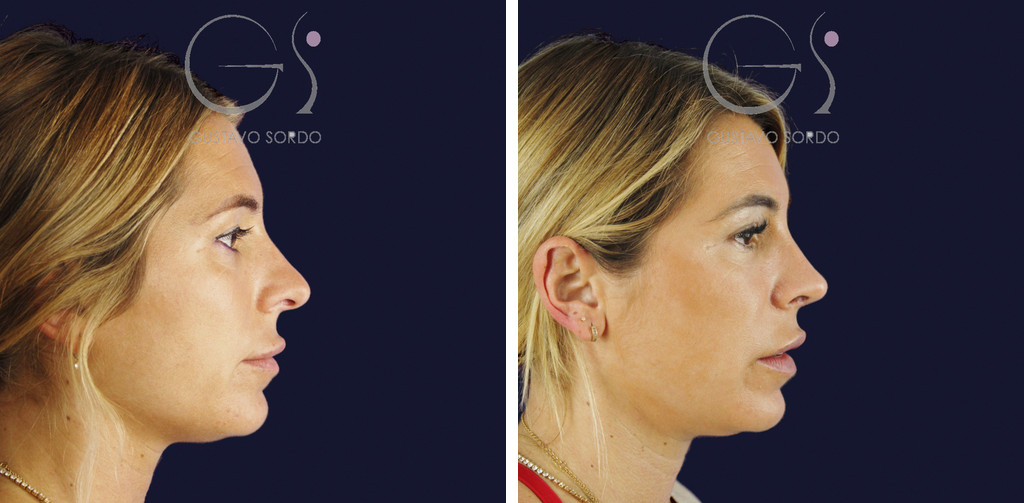

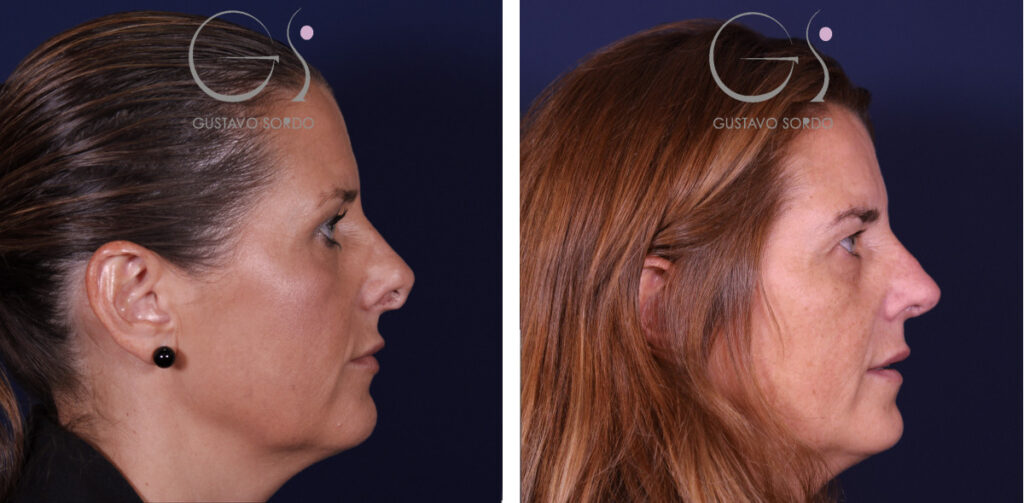
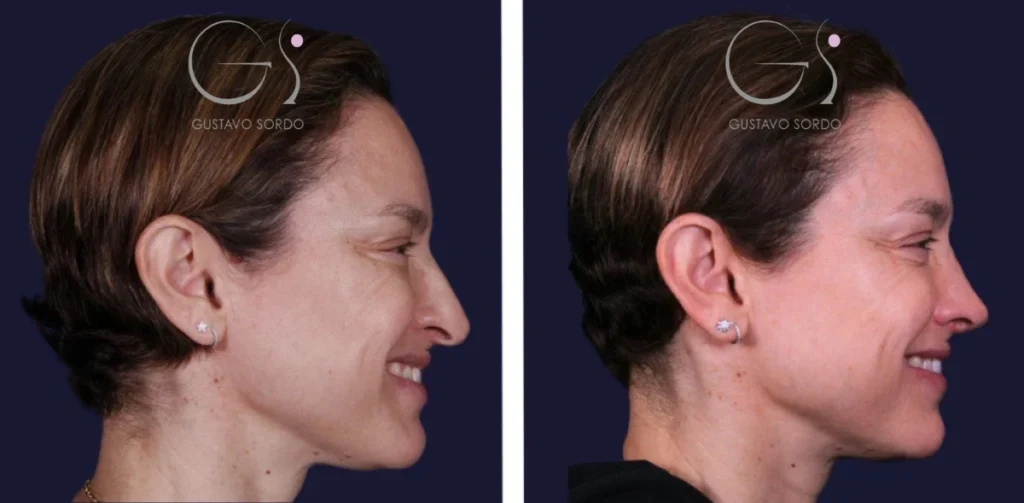
See more before and after cases of secondary rhinoplasty
The complete process of a secondary rhinoplasty

First consultation
During this first consultation at our clinic in Madrid, Dr. Sordo will personally welcome you. He will analyze your facial features in detail and listen carefully to your goals and desires for improvement.
As part of this initial consultation, we will perform a computer simulation at no extra cost . This simulation will allow you to realistically and honestly visualize the potential results of your surgery. We understand that it is essential for your peace of mind to be able to see what your nose will look like after surgery. We will also provide the simulation on your mobile device so you can review it comfortably at home.
We want your expectations to be met, and the best way to do that is for you to be able to preview how your nose will look if you have surgery with Dr. Sordo.
In this first stage, our goal is to provide you with all the information and confidence you need to make informed decisions about your rhinoplasty procedure.
Pre-operative preparation for secondary rhinoplasty
The day of the secondary rhinoplasty surgery
On the day of your surgery, we will welcome you to the Hospital de la Moncloa in the morning. Our entire team will be ready to greet you and we will make sure you feel comfortable and at ease. You don't have to worry about a thing.
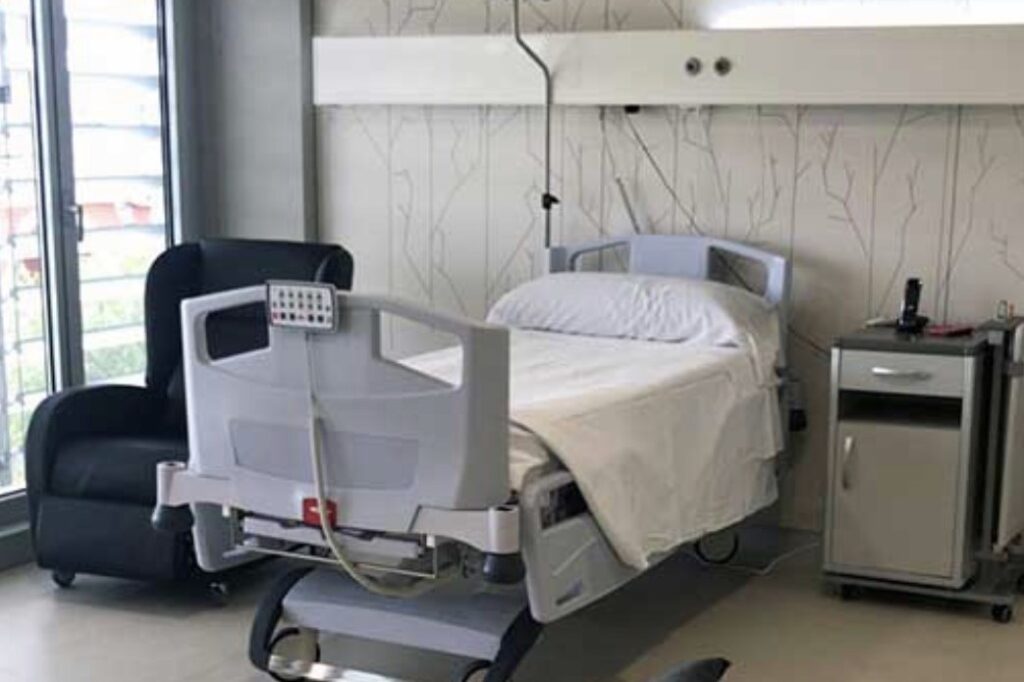
At our clinic, we rely on the Hospital de la Moncloa to perform all our surgical procedures. This hospital boasts cutting-edge technology and offers comprehensive medical care , enabling us to act quickly should any complications arise.
For patients seeking maximum discretion, we offer our exclusive VIP service . This service includes benefits such as direct access to your room from the garage, as well as special attention for your companions during your hospital stay.
Don't be afraid: you will be accompanied by a dedicated group of professionals, with a lot of experience behind them and with whom you will have direct contact throughout the entire process.
And what about anesthesia? Here's what kind of anesthesia is used in each surgery : local, sedation, or general, and why TIVA, without anesthetic gases, is used when general anesthesia is needed.
Post-operative period of secondary rhinoplasty
Reviews
One month after rhinoplasty
You may experience sensations of stiffness and tenderness at the tip of your nose, which is completely normal and will disappear over time. The swelling will have decreased considerably, allowing for a better definition of your nose and a noticeable improvement in your breathing.
During this stage, we will take new photographs to document your progress and compare them with previous images. In addition, you will be able to resume wearing glasses and doing physical activities as normal.
6 months later
You will notice a significant improvement in the appearance of your nose, with a more pronounced definition and closer to its final shape.
During this check-up, we will compare your previous photos to see the changes you have made. Although the tip of your nose may still be somewhat firm and slightly swollen, you will continue to see improvements in its appearance over time.
Explore more facial surgery options
In addition to ultrasonic rhinoplasty, our clinic offers a variety of procedures to enhance and rejuvenate your face. Each treatment is designed to meet your unique expectations and fit your specific needs:
⇒ Blepharoplasty : Corrects drooping eyelids and eliminates under-eye bags to give you a more rested and youthful look.
⇒ Facelift : Ideal for those who want a complete rejuvenation, this procedure tightens the skin and reduces wrinkles, providing a firmer and younger appearance.
⇒ Otoplasty : Perfect for correcting ear deformities or reducing the size of ears that are too prominent.
Each of these procedures is performed using advanced technologies and meticulous techniques to ensure optimal and natural results. You can view all the facial surgery procedures we perform at our clinic in Madrid.
Plastic surgeon specializing in secondary rhinoplasty in Madrid
Secondary rhinoplasty is performed by Dr. Gustavo Sordo, a rhinoplasty specialist surgeon in Madrid , at the HLA Moncloa University Hospital.
Risks and limitations of secondary rhinoplasty
A secondary rhinoplasty is surgery and, like all surgery, carries risks. We prefer that you be aware of them before making a decision, and that we discuss them during your consultation.
What can happen
A second operation on a nose that has already undergone surgery is more complex than the first. In addition to the risks of any operation under general anesthesia (bleeding, infection, scarring problems), it's normal to experience swelling and bruising for weeks, and there may be temporary changes in sensation or breathing, as well as asymmetries that only become noticeable once the swelling subsides. If rib cartilage is used, there is added discomfort and scarring in the area where it was taken, and the cartilage may curve over time. Scheduled checkups are essential for detecting and treating any issues early. If any complications arise, we will address them with you from the very beginning and continue to support you until they are resolved.
What we cannot promise you
A nose that has already undergone surgery has less tissue and more scarring, and the result is less predictable than that of a first surgery; in some cases, a touch-up may be necessary. The nose continues to deflate and become more defined for months, and the simulation shown in the consultation is an indication, not a guarantee.
Frequently asked questions about secondary rhinoplasty
How much does a secondary rhinoplasty cost in Madrid?
The price starts at €20.000 and includes the complete protocol: preparation of the vascular bed, rib graft surgery, PRF, and five hyperbaric chamber sessions. The exact price will be finalized during the initial consultation with Dr. Sordo (€100), which will be deducted from the cost of the surgery.
Why is rib grafting almost always needed in secondary rhinoplasty?
Because the nose is already devoid of cartilage. In the vast majority of secondary rhinoplasties, the patient has previously undergone a septoplasty, so the septal cartilage—the one best suited to shape the tip—was already used or removed in the first surgery.
In addition, the bridge has also been operated on before, which makes preservation rhinoplasty very difficult or simply unfeasible: in a revision, reconstruction is necessary, and reconstruction requires material.
The best material is costal cartilage, as it is the only one that provides both sufficient quantity and structural quality. We work with the oblique split method described by Dr. Eren Taştan, which allows us to obtain abundant, long, straight, and laminated grafts that are easier to shape; published series using this technique have not reported any warping problems in medium-term follow-up. With these grafts, we reconstruct the septum support, build up the apex, and restore the definition of the dorsum.
It's the same concept as in an ethnic or Latin rhinoplasty, or in any augmentation rhinoplasty: when you have to add, you need material, and that material is what gives definition, support and structure.
Why is the hyperbaric chamber so important in this type of surgery?
Because rib grafts lack their own blood supply, they survive by diffusion until the body manages to irrigate them. In a nose that has already undergone surgery, this initial blood supply is more limited than in a nose that has not yet received a graft, so the extra oxygen provided in the first few sessions after surgery directly influences graft take and the final result.
What is the success rate of this surgery?
There are no randomized studies on this type of intervention due to the ethical difficulties of comparing it to not operating. Each secondary case is different, and during your consultation I will explain what to expect in your case.
Does costal cartilage removal hurt?
We place an anesthetic catheter in the donor area on the day of surgery, which remains in place for the first few days, administering continuous local anesthesia. This greatly reduces the chest discomfort traditionally associated with this type of procedure.
Is the scar where the rib was removed noticeable?
The incision to obtain the graft is minimal and is closed with a laser, which makes the mark practically invisible.
How long do you have to wait after the first surgery before you can have another operation?
It depends on each individual case: it's necessary that the inflammation and tissues from the first procedure have fully stabilized. We assess this during a consultation, reviewing your medical history and the current condition of your nose.
When will the final result be visible?
As with any rhinoplasty, the result continues to evolve for several months. In secondary surgery, using previously operated tissue, the refinement process may be somewhat slower, but the final shape is usually visible after a year.
Dr. Gustavo Sordo, surgeon specializing in secondary rhinoplasty in Madrid
Detailed planning, the choice of the appropriate technique, and postoperative follow-up are what most influence the outcome of a second rhinoplasty.
If you would like more information, request your first assessment and receive a personalized study of your case.
Dr. Gustavo Sordo
Specialist in Plastic, Aesthetic and Reconstructive Surgery. Member No. 282858125.
Content clinically reviewed by Dr. Gustavo Sordo. Last review: October 4, 2026.
Real cases operated on in the clinic
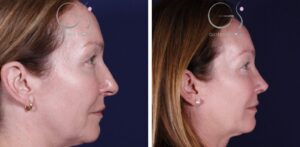
See all before and after cases
Before you decide, you can see what your own nose would look like after surgery: during the consultation, we create a 3D simulation using your face, and here we explain how it works and how reliable it is. What the simulation looks like.
Looking for the fine print? What happens if a revision is needed, what gets reviewed more often, and where to read opinions we don't control: we'll tell you here.
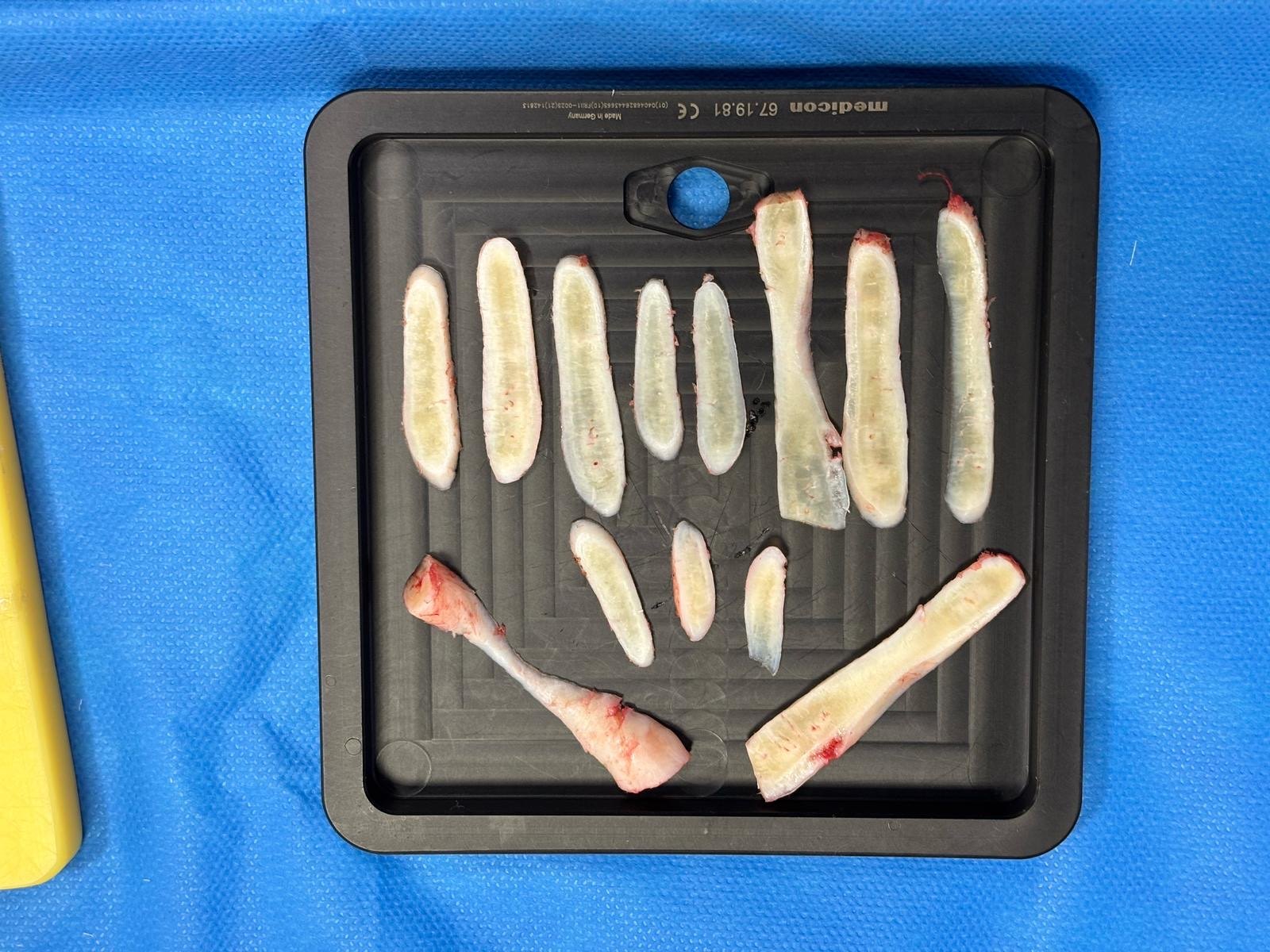
Costal cartilage grafts
When there is insufficient cartilage remaining in the septum during a secondary rhinoplasty, the material to reconstruct the nose is obtained from the patient's own rib. Each graft is custom-cut in the operating room before placement.
Rib cartilage grafts carved by Dr. Gustavo Sordo during a secondary rhinoplasty.