Septoplasty: What it is, How much it costs and how long it lasts
Updated on • Reviewed by Dr. Gustavo Sordo, plastic surgeon
Septoplasty, or septal deviation surgery, is a surgical procedure performed on the nose. Its purpose is to correct a deviated septum, a common condition that often affects breathing and causes other health problems. This surgery is frequently associated with rhinoplasty , but they are distinct procedures, each with its own indications.
What is a septoplasty?
Under normal conditions, the nasal septum should be straight to allow for proper airflow through the nasal cavities. In many people, this septum is deviated, which can cause nasal obstruction, recurrent sinusitis, nasal noises, and various breathing-related disorders. Septoplasty is the surgery that corrects this deformity of the nasal septum , the cartilage and bone structure that separates the nasal passages.
The surgery is performed through the nostrils, therefore leaving no visible scars on the face. The primary goal of septoplasty is to restore nasal function and improve the patient's quality of life.
Advantages of a septoplasty
Patients who suffer from breathing difficulties due to a deviated septum report multiple advantages after undergoing septoplasty. Some of the main advantages are:
Improves breathing
The primary reason why many opt for septoplasty is the immediate relief of nasal obstruction, allowing them to breathe better. Plus, the results are long-term.
Sinus infections decrease
A nose with a straight septum allows for optimal drainage of the sinuses, thus reducing the likelihood of repeat infections.
Better life quality
The ability to breathe better has an impact on the quality of sleep, which translates into an increase in general well-being, improving the patient's daily life.
Aesthetic adjustments
Although its main objective is functional, in some cases septoplasty can contribute to an improvement in nasal aesthetics.
Minimally invasive procedure
Since the surgery is performed inside the nose, no external incisions are necessary, thus minimizing the risk of visible scarring and leading to a faster recovery.
An important clarification that avoids many frustrations: septoplasty corrects the septum internally , but it doesn't change the external shape of the nose. If the septum is severely deviated, the nasal pyramid is usually pulled along with it— wherever the septum goes, the nose follows —and in these cases, a septoplasty alone improves breathing somewhat but leaves the nose just as crooked. In these cases, we recommend a rhinoseptoplasty : both the function and the alignment are corrected simultaneously.
Another point worth assessing during the same consultation is the turbinates . On the side toward which the septum deviates, the turbinate tends to atrophy, while on the opposite side it hypertrophies in a compensatory manner. This enlarged turbinate can contact the nasal wall and cause rhinogenic headaches that the patient suffers for years without knowing the cause (Gupta et al., 2019, Indian J Otolaryngol Head Neck Surg ). For this reason, we often combine turbinoplasty with the same surgical procedure.
Difference between ultrasonic rhinoplasty and septoplasty
Septoplasty is specifically designed to correct a deviated septum, meaning its focus is purely practical, as it aims to improve the patient's breathing capacity ; however, although this procedure does not involve changes to the external shape of the nose, it can have aesthetic results as a result of the improvement in nasal function.
On the other hand, ultrasonic rhinoplasty is a surgery that focuses on the shape and external aesthetics of the nose. Although rhinoplasty may include septum correction, its main objective is to transform the appearance and contour of the nose , allowing patients to achieve aesthetic harmony according to their desires.
In conclusion, while septoplasty focuses on improving function and respiratory health, rhinoplasty is dedicated to aesthetically enhancing the nose. Understanding this difference is essential for those considering either procedure, as the approach and expected results differ.
You may also be interested in: rhinoseptoplasty.
How is it the procedure?
People with a deviated septum typically breathe through their mouths and may be more prone to nasal or sinus infections. In addition, due to nasal obstruction, they often sleep poorly, resulting in snoring.
The basic steps of this procedure are described below:
- Evaluation and preparation:The doctor will perform a complete physical exam and possibly some tests to make sure the patient is an appropriate candidate for the procedure.
- Anesthesia: The patient will be prepared for the procedure with the type of anesthesia that will allow him or her to be comfortable during the surgery. Depending on the patient and doctor's agreement, this may be local or general anesthesia.
- Incision: An incision is made inside the nose to access the septum. Occasionally, an additional incision in the cartilage or bone may be necessary.
- Modified septum: the tissue that forms the septum is detached from the cartilage and bone; in turn, the deviated tissue is removed or repositioned to allow the septum to remain straight.
- Suture: After the septum has been corrected, the incisions are sutured to ensure that the new position is maintained. It is closed with sutures that are reabsorbed over time.
- Recovery: At the end of the procedure, which usually lasts between 30 and 90 minutes, the patient is taken to a recovery room for monitoring. In many cases, this procedure is performed on an outpatient basis, which means that the patient will likely return home the same day.
How do I know if I am a candidate?
Not everyone with a deviated septum requires septoplasty; it's only necessary if it affects your quality of life . Ideal candidates typically exhibit symptoms such as:
- Difficulty breathing through the nose.
- Frequent sinus infections.
- Breathing noises while sleeping (snoring).
- Repeated nosebleeds.
- Constant feeling of nasal congestion.
If you've been told you need a septoplasty, read the information before having the surgery.
Almost all the patients who come to my office for this reason do so because an ENT specialist has told them they have a deviated septum. From there, there are two paths, and it's best to choose with all the information at hand, because one of them is difficult to reverse.
If your problem is solely respiratory and the shape of your nose doesn't concern you, let me be clear: septoplasty is a functional surgery performed within the public healthcare system and is usually covered by insurance through an ENT specialist. It's a perfectly reasonable option, and you don't need a plastic surgeon for it.
However, if there is something about your nose that you don't like , or if the deviated septum has also twisted the outside of your nose, then the decision changes — and there is a technical reason that almost no one explains before operating.
The septum cartilage is the material used to reconstruct a nose
The septum isn't just a wall separating the nostrils; it's the primary source of cartilage for rhinoplasty. The grafts that support the tip, the spreader grafts that hold up the nasal valve, the septal extension graft—they all come from there.
This means that if a septoplasty is performed without preserving the quadrangular cartilage, that material is no longer available. And if you later decide to have rhinoplasty as well, it can no longer be taken from within the nose: it has to be harvested from the rib . This makes a primary rhinoplasty a considerably more complex surgery, requiring a new donor site, more operating time, and a higher cost.
This is not my opinion. According to PubMed, an algorithm published by Tremp, Goksel, Saban, and colleagues for the treatment of the septum in deviated noses expressly states that, by preserving the quadrangular cartilage instead of applying the classic L-strut concept, this cartilage remains available for future grafts, ultimately saving costal or ear cartilage (Tremp M, Schneider J, Raghu RBN, Goksel A, Saban Y. A Systematic Analysis of the Nasal Septum in Crooked Noses and Suggested Treatment Algorithm According to Preservation Rhinoplasty Principles . Aesthetic Plast Surg. 2023;47(4):1499-1507. DOI: 10.1007/s00266-023-03293-3 ). Similarly, according to PubMed, a 2026 study suggests that preserving the septal cartilage removed during primary septoplasty reduces the need for secondary donor sites in future revision rhinoplasty (Afifoğlu M, et al. Aesthet Surg J. 2026;46(8):849-854. DOI: 10.1093/asj/sjaf256 ). Furthermore, the lack of available cartilage is described as a real clinical problem that pushes towards rib grafting (Chang YL. Aesthet Surg J. 2010;30(2):166-175. DOI: 10.1177/1090820X10366548 ).
Therefore, if you're going to do both things, it's best to do them at the same time.
When the patient knows that the shape of their nose also matters to them, my recommendation is to resolve function and aesthetics in the same surgical act : they only go to the operating room once, they only have one post-operative period, and above all, we work with the patient's own cartilage still available, without needing to resort to the rib.
What I don't recommend is the reverse order—having the septum operated on now "because my insurance covers it" and thinking about the nose later—without anyone having warned you that the second surgery will be more complicated and more expensive than it would have been. Deciding that way is fine; deciding it without knowing, isn't.
How much does a septoplasty cost?
It depends on one thing: whether it's done alone or in conjunction with rhinoplasty . There are no other options.
Only when the problem is solely respiratory. We do perform isolated septoplasty, and the price is agreed upon during the consultation. This isn't an excuse: a simple deviation is not the same as a spur with hypertrophied turbinates, and until the septum is examined, we can't know what's needed. A price agreed upon over the phone, without having seen anything, is a made-up price.
Along with rhinoplasty. This is the most frequent case, because when the septum is severely deviated, it affects the axis of the nose: wherever the septum goes, the nose follows. In these cases, we no longer speak of septoplasty but of rhinoseptoplasty, and the price is that of rhinoplasty , which in our clinic starts at €10.040.
In either case, the budget must be delivered in writing and detailed, specifying what it includes and what it does not.
It is also advisable to check with your health insurer to see if this procedure is covered by your insurance policy, as in many cases it may be considered necessary surgery.
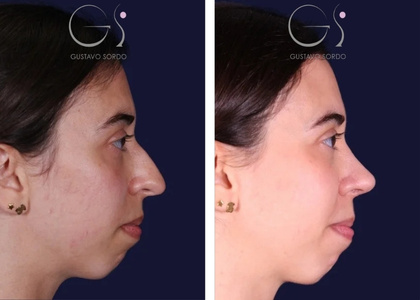
Before and after septoplasty
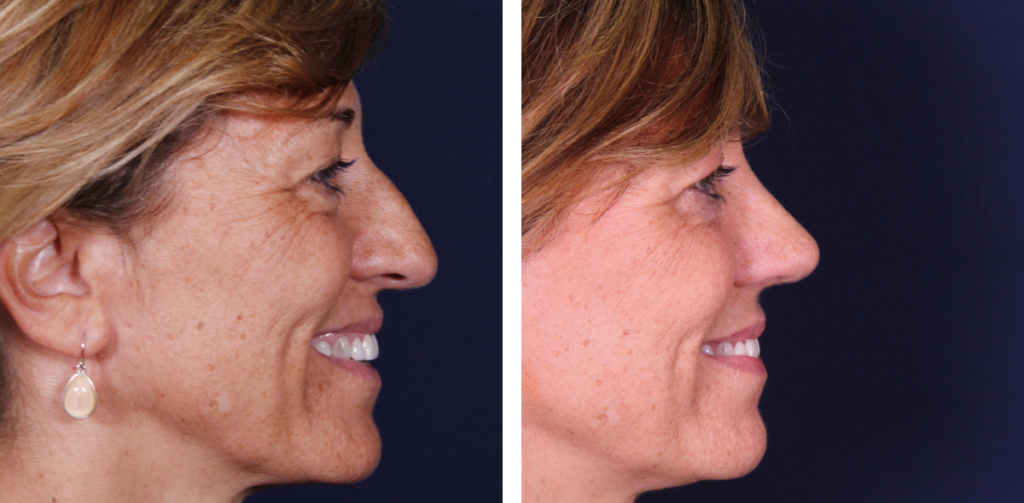
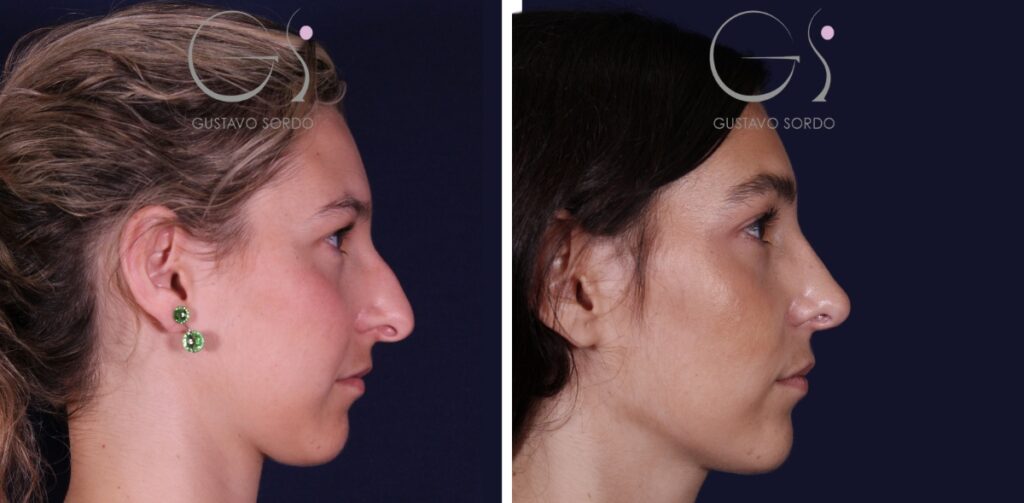
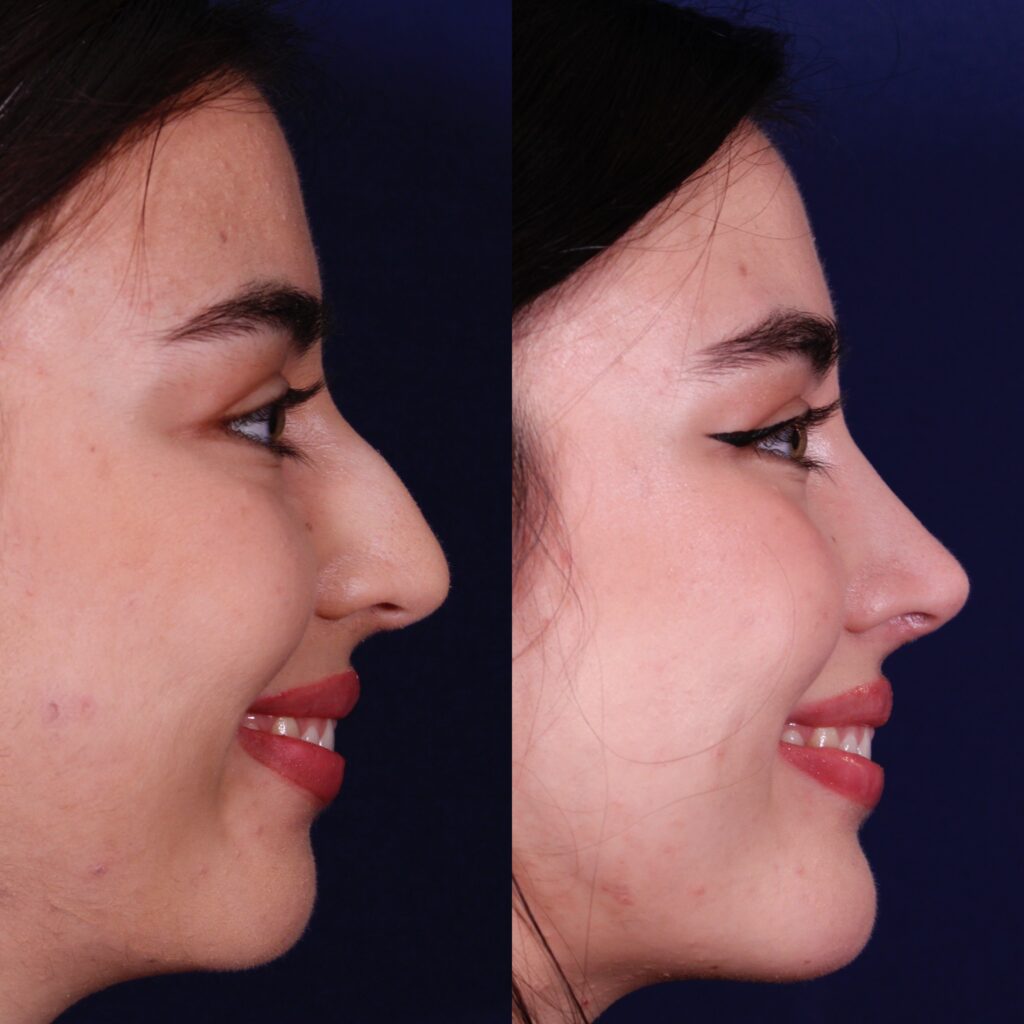
We recommend you take a look at all their before and after rhinoplasty cases.
How long does recovery take?
Recovery time from septoplasty varies from person to person, but generally, it takes between one and two weeks to return to normal activities . However, you may experience bruising, swelling, and nasal congestion for a few days. Although the final result may take several months to fully appear, patients typically report significantly improved breathing within the first few weeks.
It is important to follow your surgeon's guidelines and attend all follow-up appointments to ensure that your recovery is progressing appropriately.
How to choose my surgeon?
- Qualifications and Credentials: Make sure the surgeon is board certified and experienced as an otolaryngologist or plastic surgeon, with a specialty in nasal surgery.
- Prior consultation: Schedule a consultation to discuss your expectations and concerns, a good surgeon will take the time to answer them all.
- Opinions and testimonials: Research other patients' opinions. Nowadays, social media helps you with this. The experiences of those who have undergone the same procedure are valuable.
- Installations: Check that the place where the surgery will be performed is a prestigious and well-equipped surgical center.
- Patient-surgeon relationship: It is essential to feel comfortable with the surgeon, as this will promote the confidence needed to carry out the procedure.
Postoperative care and recovery
Postoperative care is the key to a successful recovery. Some of the care you will need to follow are:
Sleep on your back with your head elevated.
Sleep in this position for at least a couple of days.
Pain control
The surgeon will prescribe the necessary painkillers to prevent pain.
Follow-up appointments
It is important to attend all scheduled check-ups with your surgeon to monitor your recovery.
Avoid sneezing
If you sneeze, try to release the air pressure through your mouth.
No blowing your nose is allowed
It may cause bleeding and complications. You may resume surgery as directed by your surgeon.
adequate rest
Avoid strenuous physical activity for at least one week. Strenuous activities, such as aerobic exercise and jogging, should be suspended for up to five weeks to avoid the possibility of nosebleeds.
Be careful when dressing
Try to wear clothes that fasten and open in the front, avoiding garments that must be worn over the head, such as t-shirts or sweaters.
Avoid carrying heavy objects
Don't lift heavy objects for a few weeks. This reduces the risk of nosebleeds.
Read more about helpful recommendations after rhinoplasty.
Possible complications and risks of septoplasty
Although septoplasty or nasal septum repair is generally safe, it does carry some risks, like any surgical procedure. Some possible complications include:
- Postoperative bleeding.
- Infection in the surgical area.
- Nasal septum piercing.
- Changes in the shape of the nose
- Loss of sensitivity in the skin around the nose.
- Need for a second intervention if the results are not satisfactory.
- Decreased sense of smell
It is essential to discuss these risks with your surgeon before surgery, as well as to follow the steps he or she indicates to minimize any possible complications.
Frequently asked questions about septoplasty
How painful is septoplasty?
Patients often experience discomfort after surgery, but the pain is bearable and usually manageable with prescription pain medication. Most people who undergo surgery report that the pain is not severe, and the benefits of surgery far outweigh the initial discomfort.
What does the nose look like after septoplasty?
Because septoplasty is performed inside the nose, there is usually no visible scarring, although the inside of the nose may be a little swollen and congested during the recovery process.
What happens if I don't breathe well after septoplasty?
If you experience difficulty breathing after surgery, it is essential that you contact your surgeon. It may be normal to feel congested at first, but any unusual symptoms should be evaluated by the responsible professional.
Is it possible for the septum to deviate again after surgery?
In rare cases, the septum may deviate again or the improvement may not be permanent. This is usually due to individual factors, such as nasal trauma following surgery.
Conclusion
This procedure, in addition to representing a significant improvement in breathing, also contributes to the patient's quality of life.
Choosing an experienced surgeon is essential to ensure the success of the procedure, as is seeking adequate information. If you are considering septoplasty, don't hesitate to schedule a consultation with Dr. Gustavo Sordo's Plastic Surgery Clinic in Madrid . We are experts in rhinoplasty procedures and ultrasonic rhinoplasty in Madrid.
Dr. Sordo, a plastic surgeon in Madrid specializing in rhinoplasty , has over 20 years of experience as a rhinoplasty specialist and is dedicated to providing personalized solutions for each patient, with an aesthetic and functional approach.
It will run a simulation for you, and with the right information and a professional approach, you'll be able to make the best decision for your health and well-being.
What if all you have is breathing?
We perform isolated septoplasty: this is the appropriate procedure when the problem is functional and the shape of the nose remains unchanged. If the septum is pulling down the nasal axis, a rhinoseptoplasty is necessary, and this is planned as a rhinoplasty . The price is finalized during the consultation, after examining the septum and turbinates.
Continue reading
Dr. Gustavo Sordo
Specialist in Plastic, Aesthetic and Reconstructive Surgery. Member No. 282858125.
Content clinically reviewed by Dr. Gustavo Sordo. Last review: September 27, 2026.