Home » Before and After Cosmetic Surgery » Before and After Rhinoplasty
Rhinoplasty Thick Skin
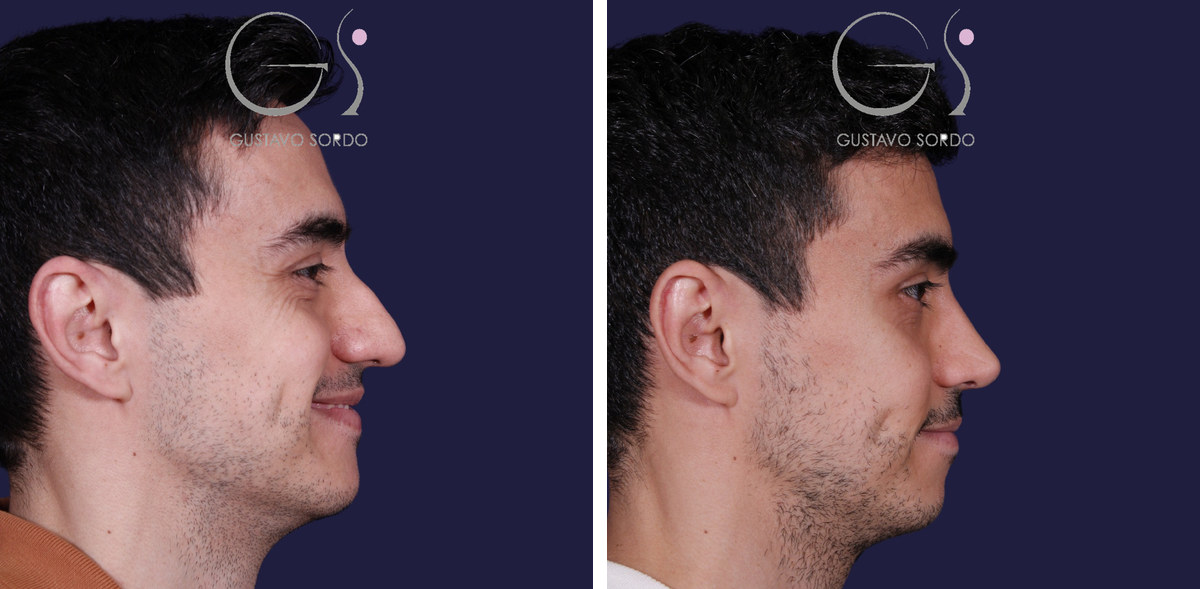
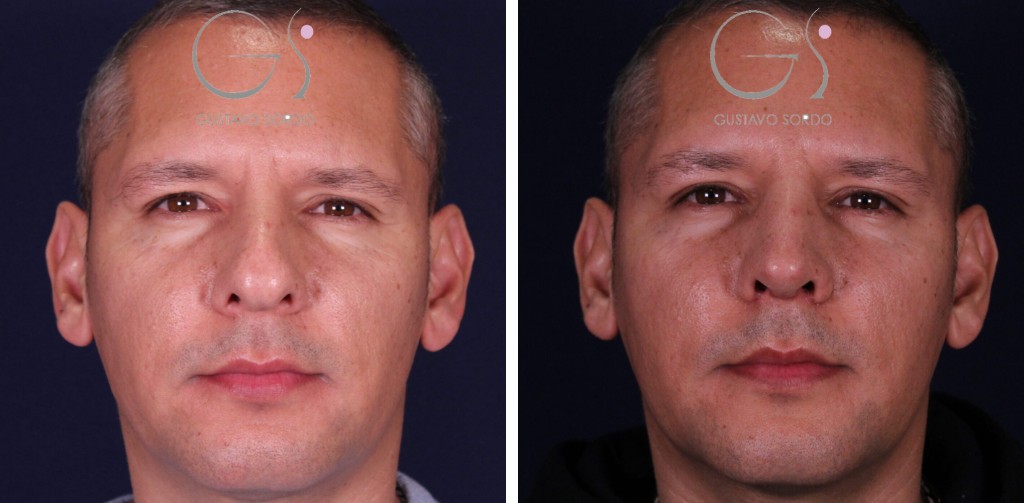
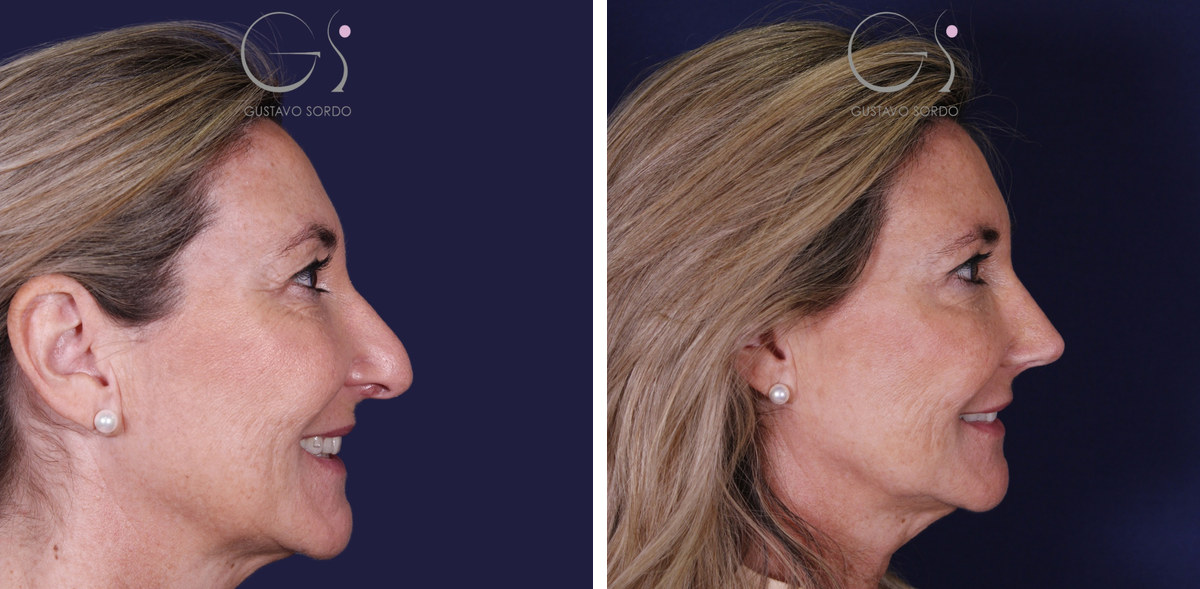
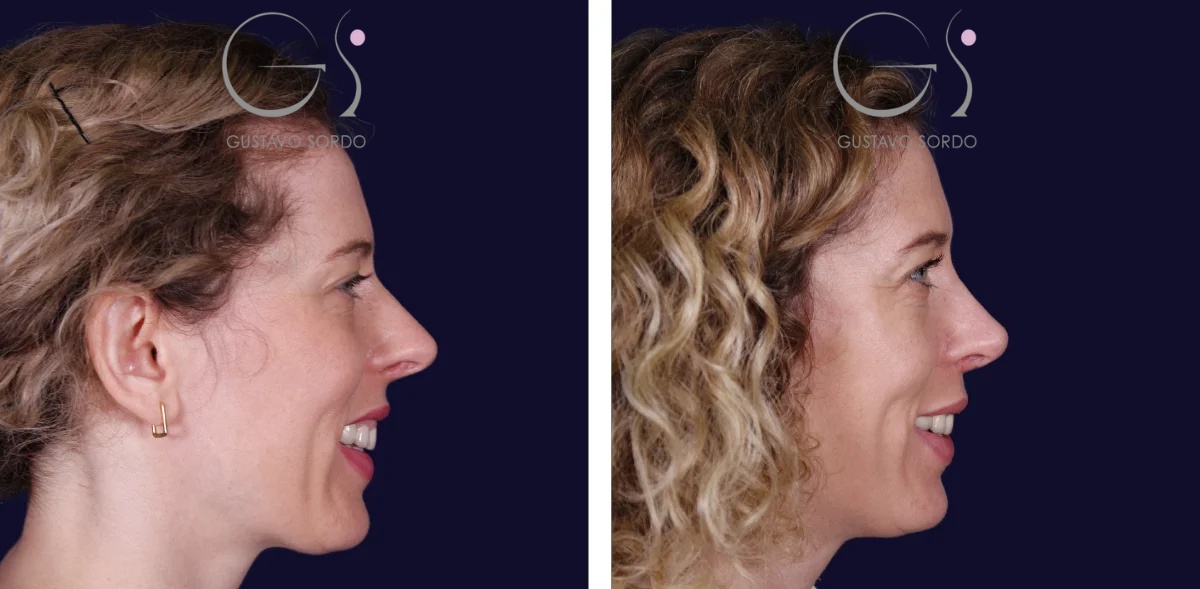
Before and after
If you are considering surgery, here we explain what rhinoplasty is like in Madrid at our clinic.
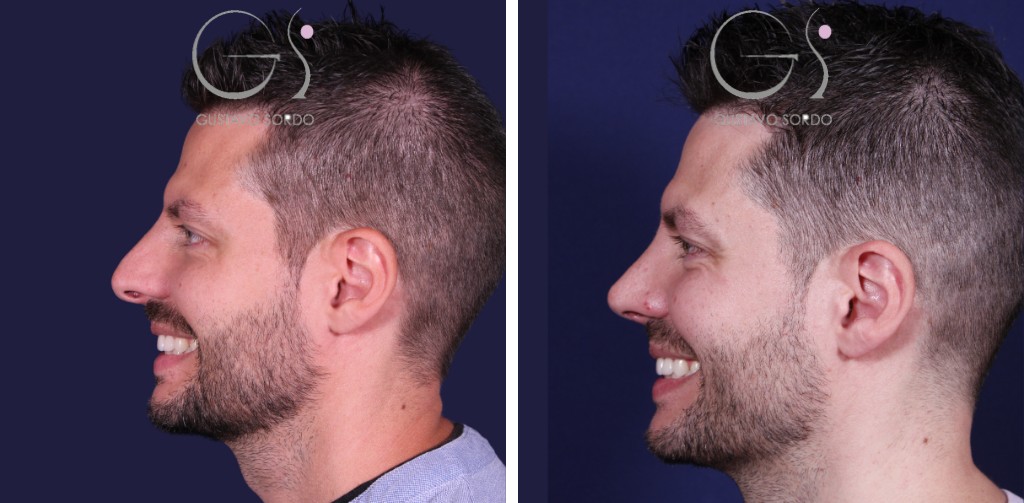
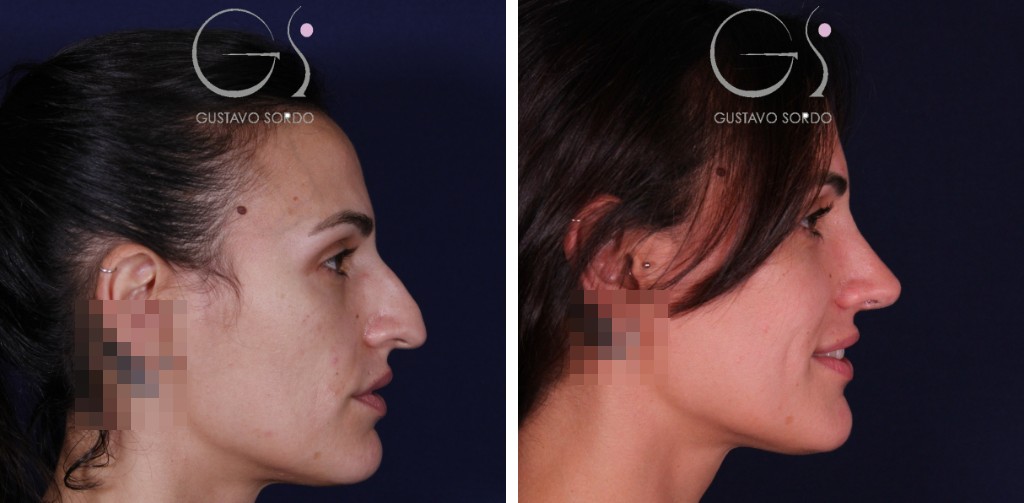
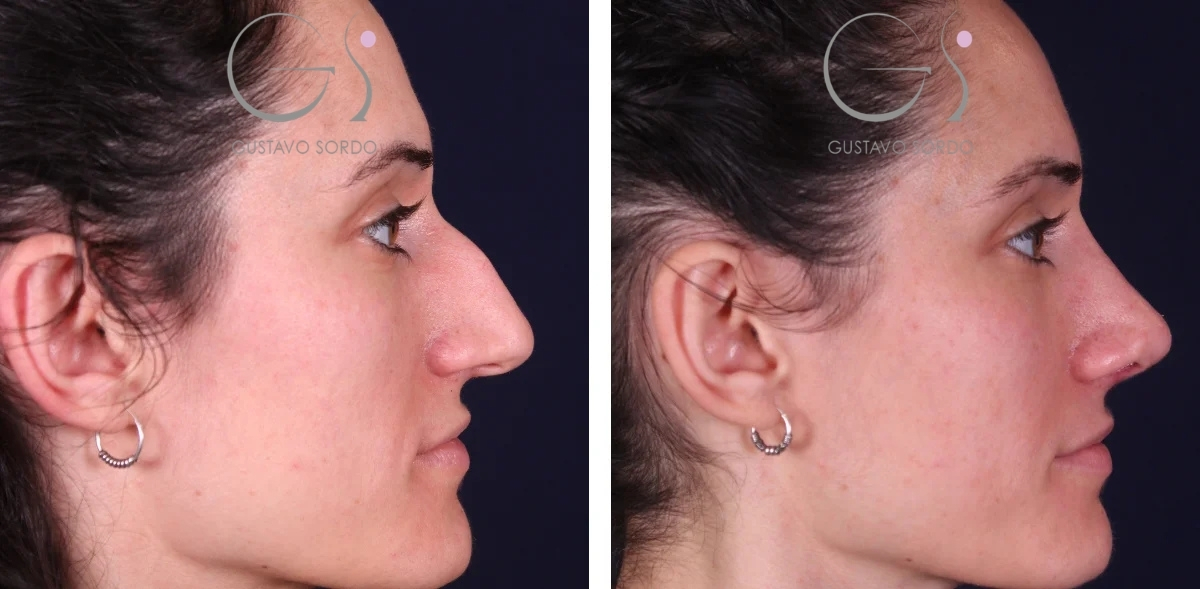
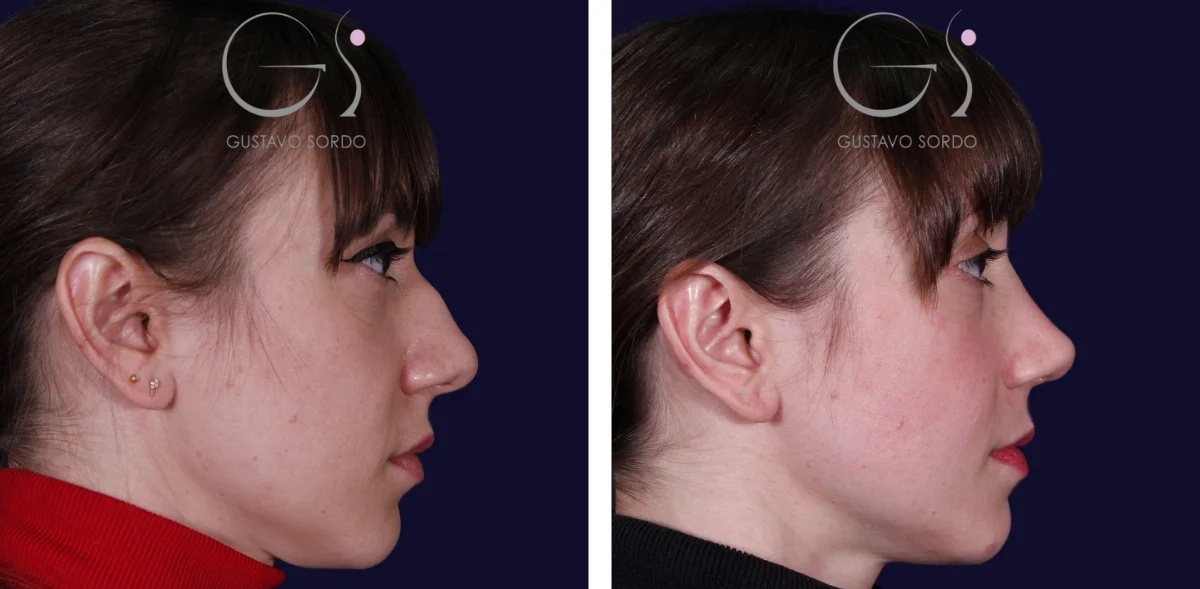
These ultrasonic rhinoplasty procedures in Madrid were performed with the utmost precision. All photos show real patients with different types of noses and have not been retouched.
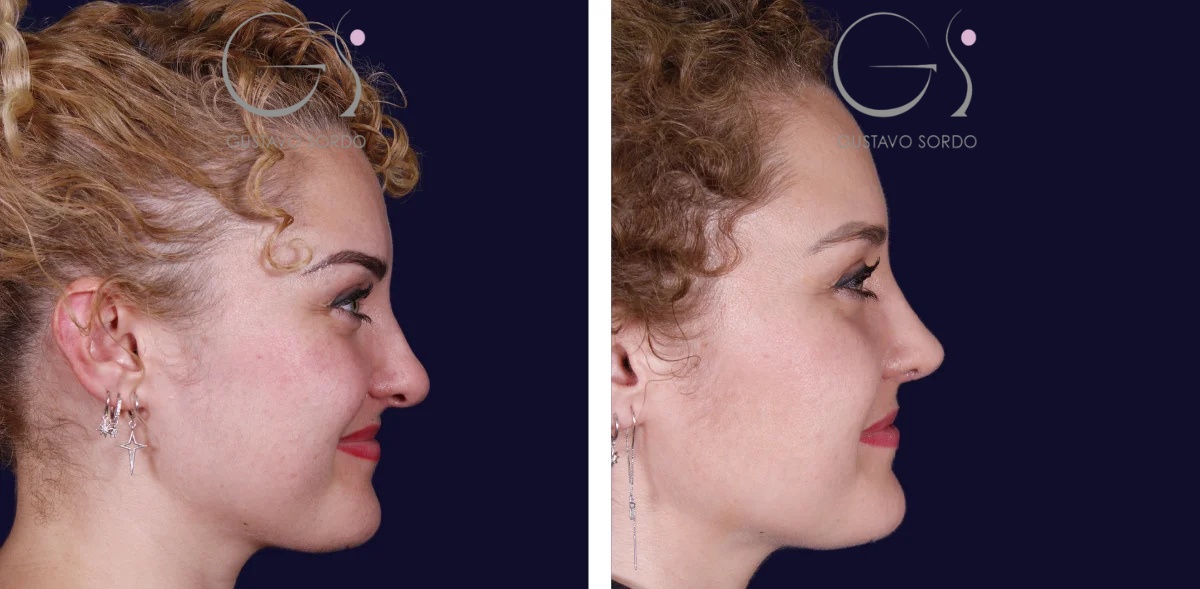

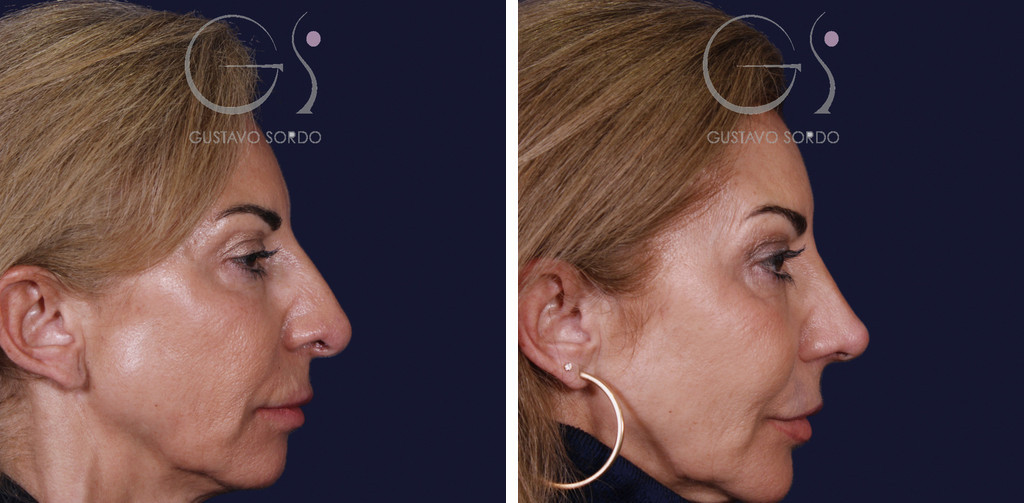
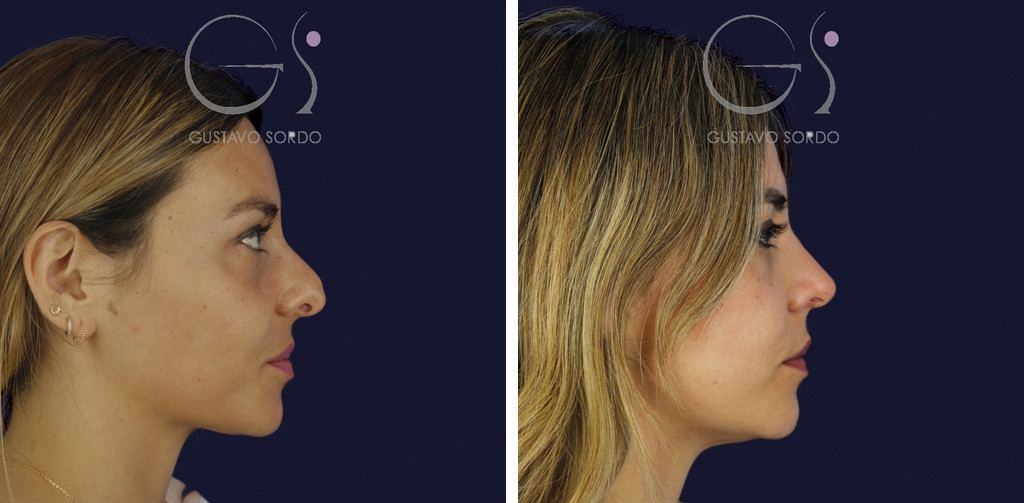
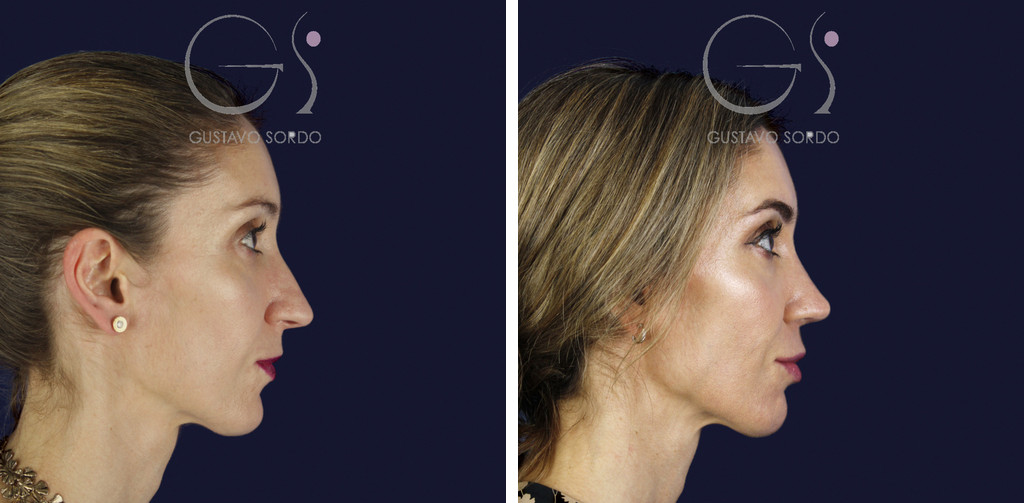
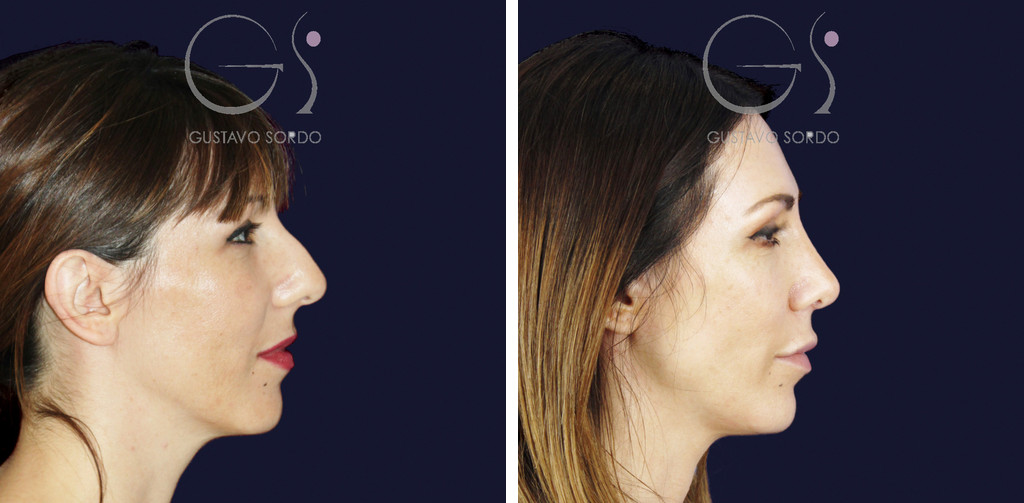
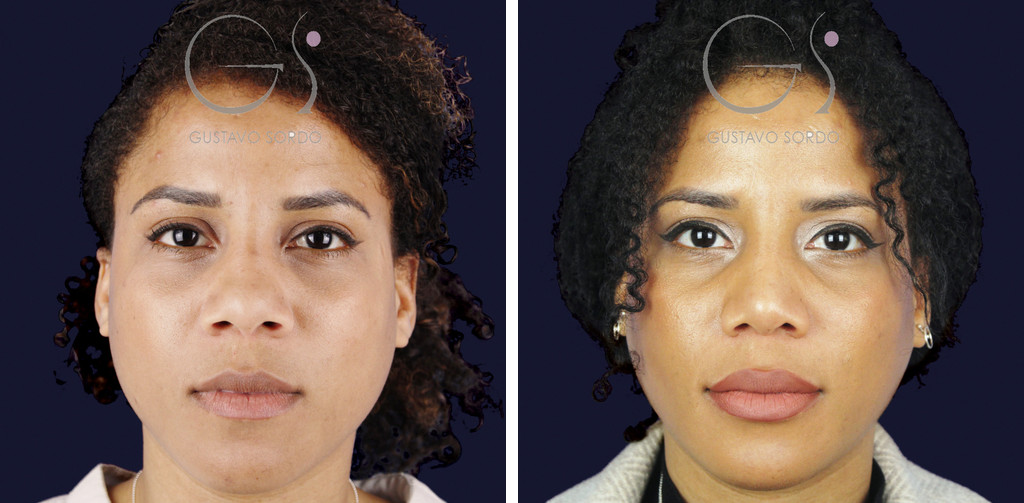
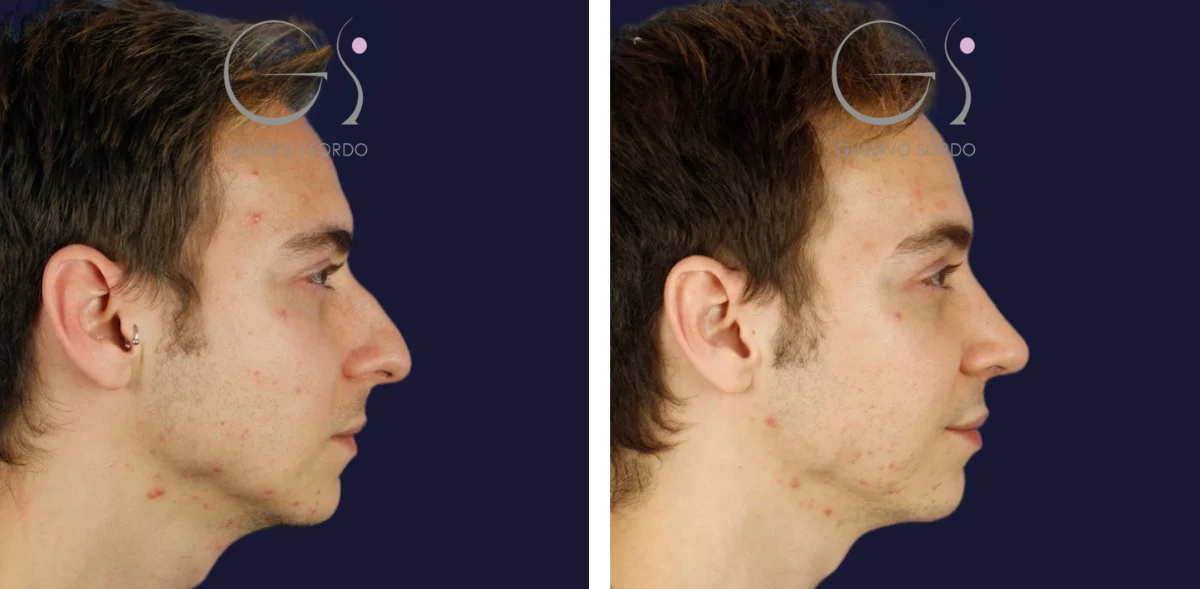
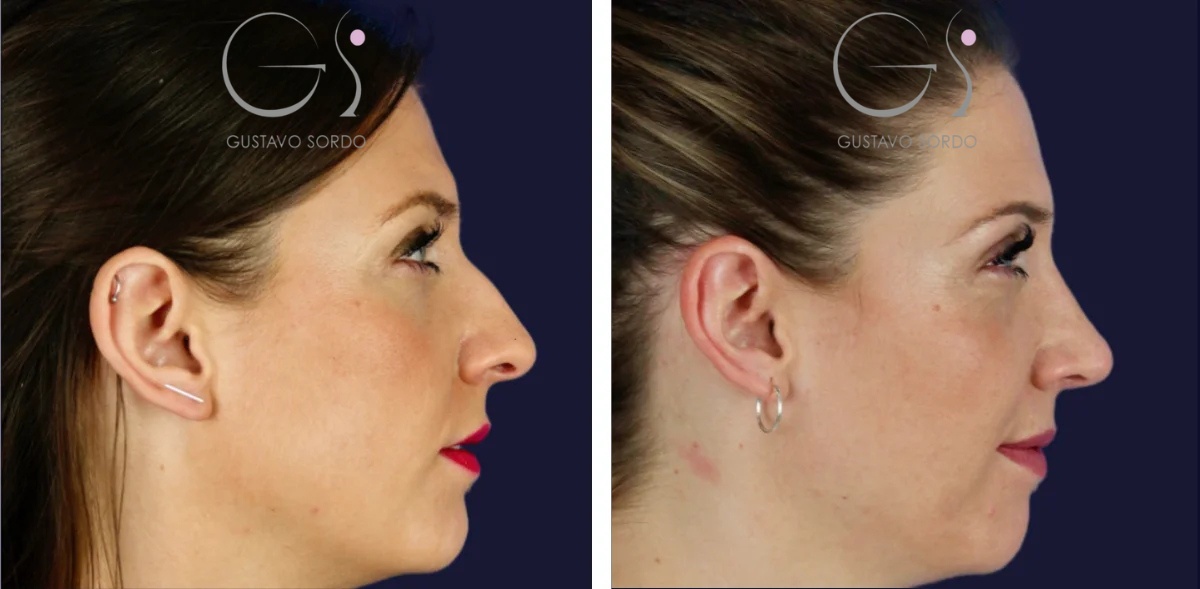
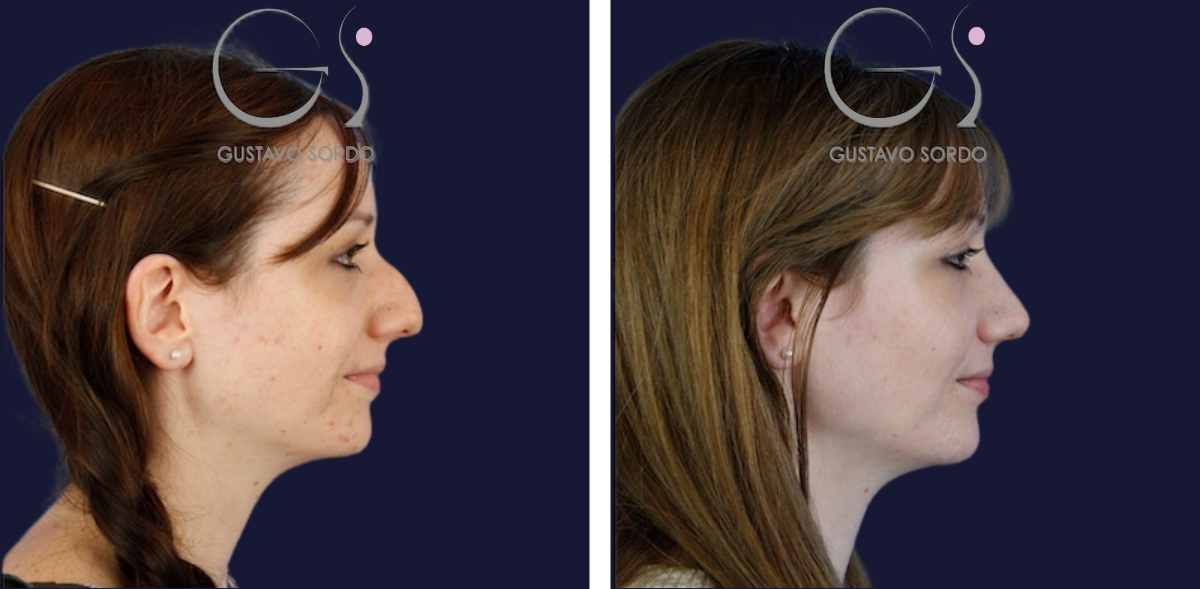
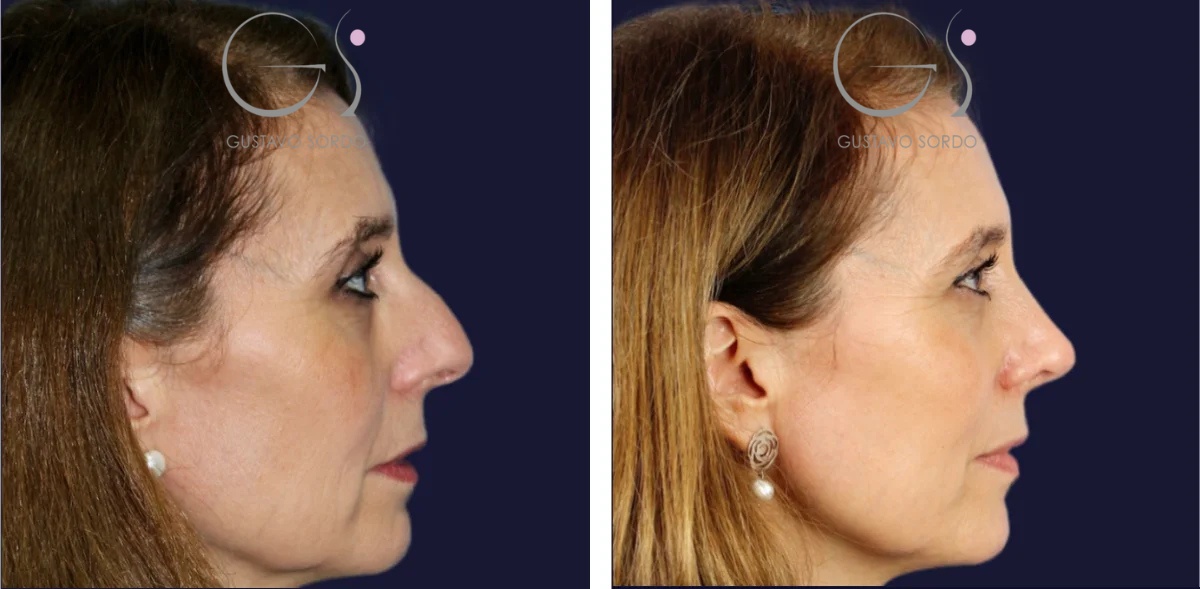
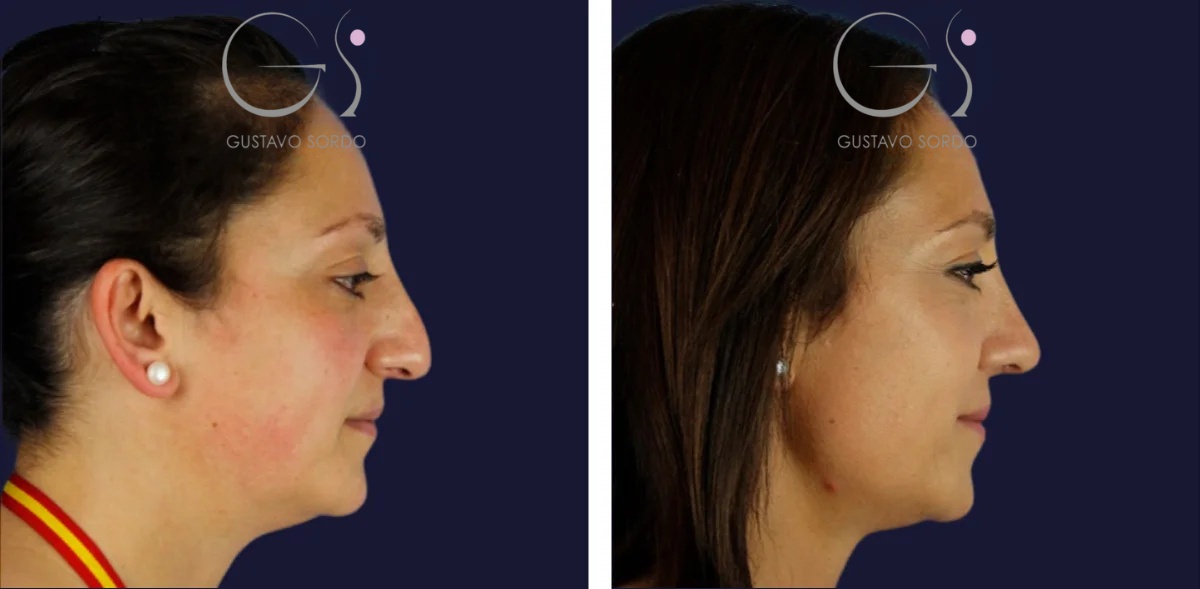
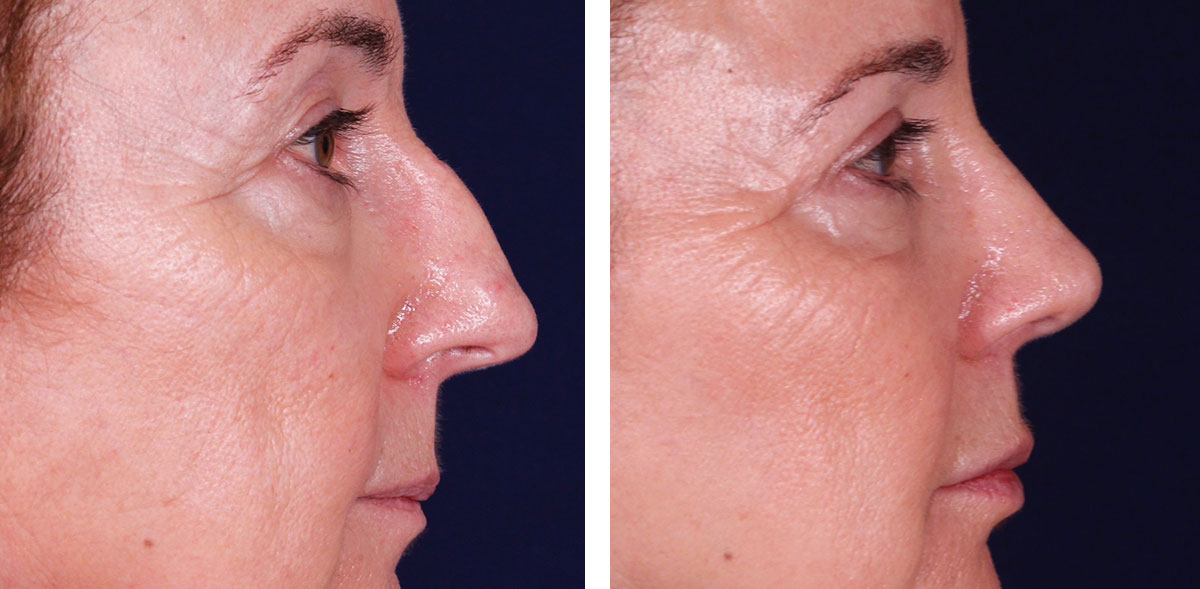
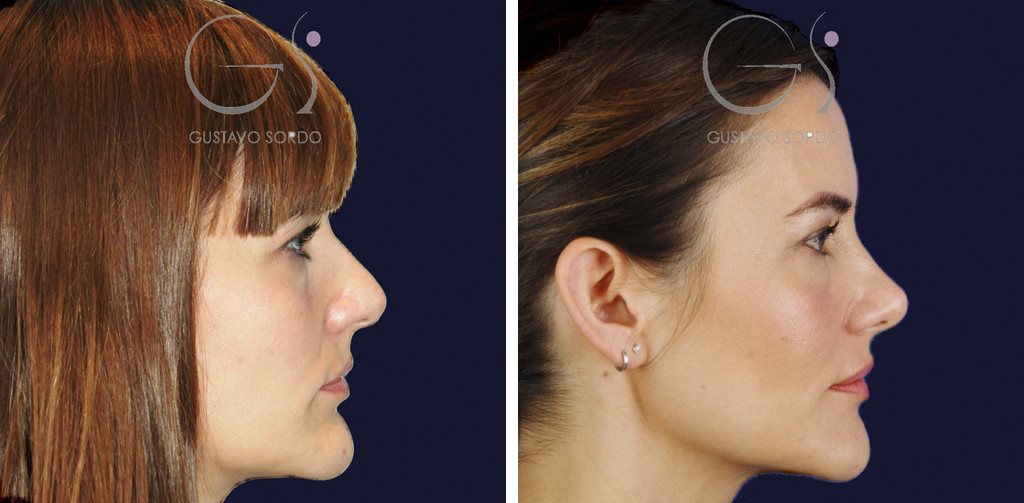


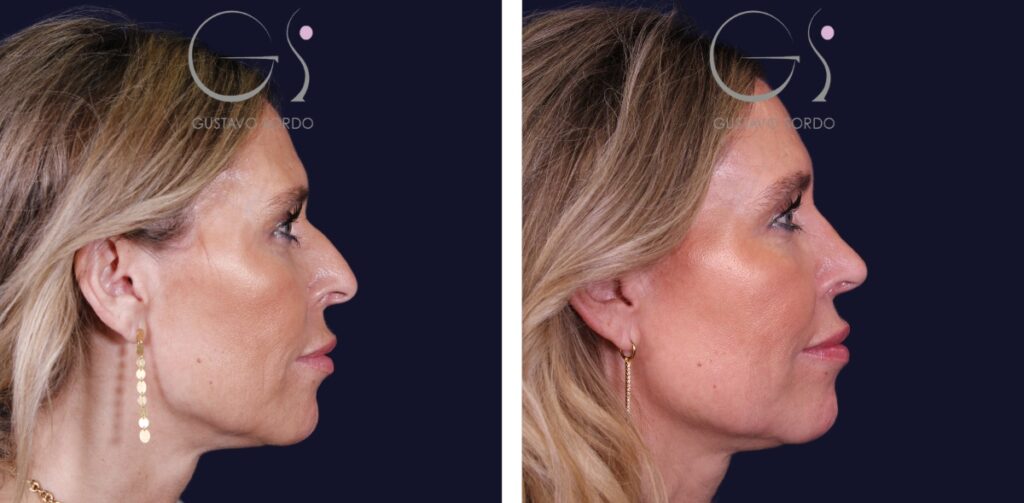
FAQs Rhinoplasty Thick Nose
Why does thick skin require a special approach in rhinoplasty?
Thick skin can make it difficult to see the details of structural modifications made to the nose. In addition, its weight can affect the projection and definition of the nasal tip, so it is necessary to use specific techniques to optimize the results.
What does preparing the skin before surgery involve?
Skin preparation, usually with a retinoid protocol, helps to refine the skin, improve its texture, and control excess fat. This allows the skin to better adapt to the structural changes made during rhinoplasty and facilitates a more even recovery.
How is the skin on the tip of the nose thinned during surgery?
It's possible to thin the nose by removing the soft tissue beneath the skin of the tip, a procedure called SMAS tip resection. However, it's not a harmless procedure, and I don't perform it as a first step: this tissue carries part of the blood supply to the tip's skin, and removing too much, or doing so in a nose with already compromised vascularization, can lead to necrosis of the tip. Therefore, as a rule, I avoid it. I reserve it for selected cases where there is no vascular risk, and the decision is made on a case-by-case basis.
Is the process after rhinoplasty painful?
Most patients report mild to moderate discomfort that is controlled with pain medication prescribed by the surgeon.
What is a cephalic domal suture and how does it improve the outcome?
The cephalic domal suture is a technique that refines the cartilage of the nasal tip, shaping it to achieve a more defined shape. It is especially useful in cases of thick skin, where the cartilage details may be less visible without this adjustment.
Other before and afters that may interest you

Man

Columbine
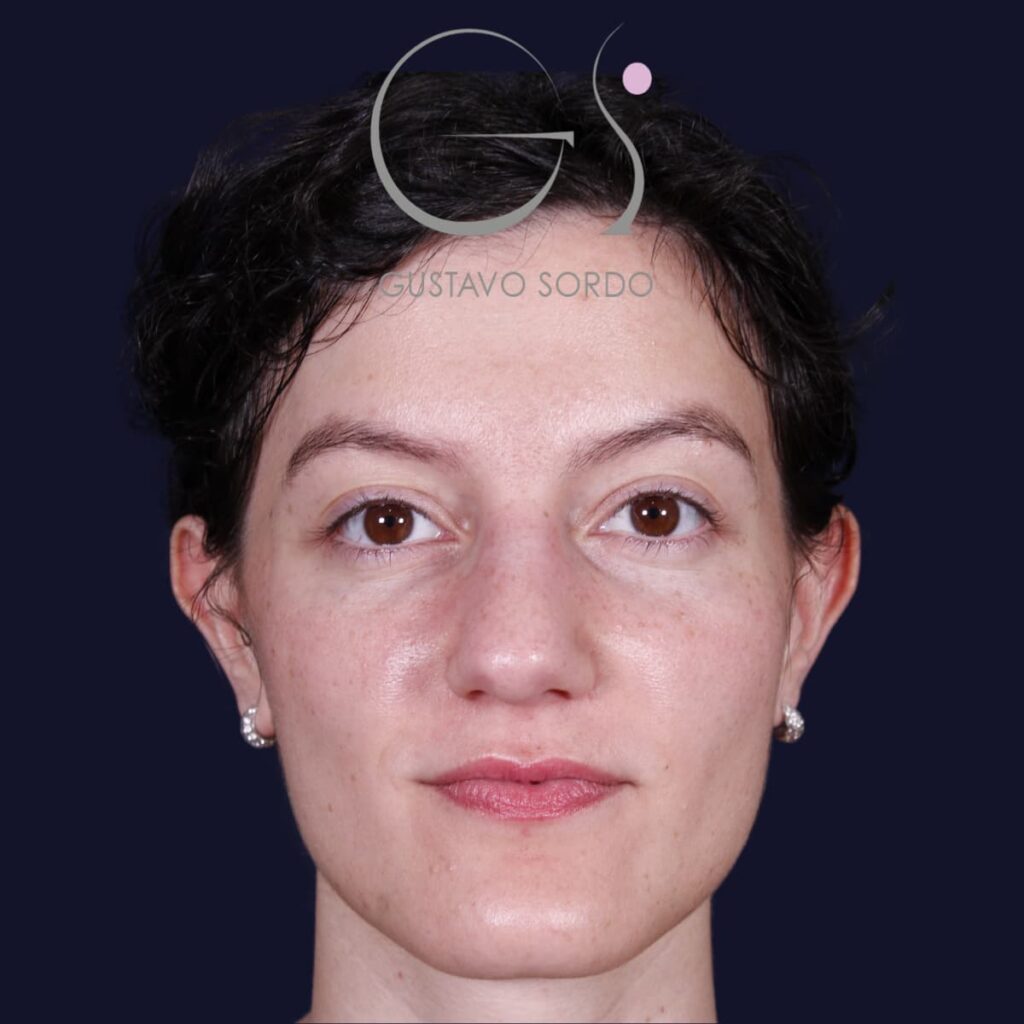
Bulbous

Deviated Septum
If you're looking at this case for a specific reason.
Seeing case studies helps, but it doesn't replace an examination: the bone, cartilage, and thickness of your skin determine the limits of what can be achieved. We explain this in our rhinoplasty in Madrid section.
Do you want to know if this can be done in your case?
The first consultation is with Dr. Sordo, either at the Chamberí clinic or via video consultation. You'll leave knowing if you're a candidate, which technique is right for you, and how much it costs.
Dr. Gustavo Sordo · Member No. 282858125 · Plastic, Aesthetic and Reconstructive Surgery · Madrid