Rhinoplasty pre-op: tips before a nose job

Updated on • Reviewed by Dr. Gustavo Sordo, plastic surgeon
One of the keys to the success of any cosmetic surgery is a good pre-operative preparation. For this reason, we want to give you some tips for optimal preparation for rhinoplasty . Take note!
Preoperative advice:
Before undergoing rhinoplasty, patients should ensure that the surgeon performing the procedure is a properly certified and licensed plastic, cosmetic, and reconstructive surgeon with current experience in rhinoplasty surgery . This surgery is one of the most complex, with a long learning curve, so patients must ensure their surgeon is an expert in rhinoplasty. To verify this, it is essential to have access to the surgeon's curriculum vitae.
Next, one of the pieces of advice we must keep in mind is that a complete pre-operative assessment should be performed on the patient, that is, with an analytical study and an electrocardiogram, accompanied by supervision from the anesthesiologist who will administer the anesthesia to the patient , to ensure that there will be no anesthetic complications.
Similarly, the patient will be examined in consultation , where we will analyze the inside of the nose with an anterior rhinoscopy to evaluate the condition of the nasal septum and turbinates . This will provide us with information about the patient's respiratory function , which must always be addressed in addition to the form. Form and function must go hand in hand in rhinoplasty and should be addressed in the same surgical procedure.
Before undergoing rhinoplasty, we should always discuss with our plastic surgeon in consultation what the desired shape and result we want to obtain with the rhinoplasty is , and be informed of which part of the nose will be modified.
At Dr. Sordo's clinic in Madrid , we show patients similar cases to their own, explain the procedure in detail , and generate a computer simulation so they can see the potential outcome in each case. We also provide patients with pre-operative treatment, which includes the use of arnica montana , along with vitamin K and other iron chelators , to prevent bruising. We also use atraumatic techniques to minimize bruising.
This way, we will achieve a better postoperative period and recovery from rhinoplasty . Likewise, during the procedure, we will use the most advanced rhinoplasty technique: ultrasonic rhinoplasty in Madrid to prevent bruising . Dr. Sordo is one of the few plastic, cosmetic, and reconstructive surgeons in Spain who has mastered this technique. It is the only one that currently allows for highly precise reshaping of the nasal bone thanks to a special piezoelectric scalpel.
This scalpel replaces the chisel and hammer used to create uncontrolled fractures. Only with the ultrasonic technique in the hands of an expert like Dr. Sordo can natural results be achieved, as is proven by his extensive experience.
A couple of points we usually add during the pre-operative consultation. One: simulation planning , which we do using the patient's own photos and which helps us decide on the technique and adjust expectations before going into surgery. Two: if there has been previous rhinoplasty with hyaluronic acid , it must always be mentioned; this material often doesn't completely reabsorb and it's advisable to dissolve it with hyaluronidase—at least two sessions—before surgery.
The rest are measures that reduce complications in a very tangible way: quitting smoking a few weeks before and after, stopping anti-inflammatories and supplements that promote bleeding in the days before, arriving fasting and with blood tests and anesthetic assessment done, and organizing the post-operative period with a quiet week ahead, because until day 7 you wear a splint and Doyle-retainers.
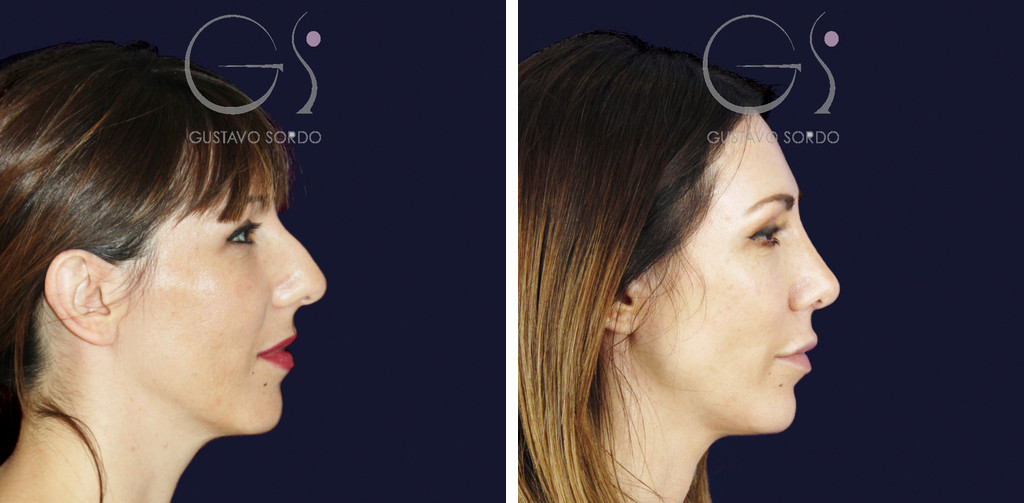
Essential in the preoperative period of rhinoplasty:
- Therefore in the preoperative rhinoplasty we must:
- Making sure that our surgeon is a plastic and aesthetic surgeon specializing in rhinoplasty ultrasonic and is appropriately titled.
- conduct a complete preoperative, accompanied by direct monitoring by the anesthesiologist who will anesthetize us.
- Discuss with our surgeon about what maneuvers are going to be performed and what is the final shape that is going to be sought as a goal.
- Prepare the skin with a topical product, such as arnica montana and vitamin K to prevent the appearance of postoperative bruising.
Continue reading
Dr. Gustavo Sordo
Specialist in Plastic, Aesthetic and Reconstructive Surgery. Member No. 282858125.
Content clinically reviewed by Dr. Gustavo Sordo. Last review: September 28, 2026.