Exercise after rhinoplasty: What you need to know
Updated on • Reviewed by Dr. Gustavo Sordo, plastic surgeon
One of the most common questions we receive in consultations after rhinoplasty is: when can I return to exercise? This concern is natural, as many people want to return to their daily routine as soon as possible. However, it is important to understand that rhinoplasty is a surgical procedure that requires adequate recovery time to ensure optimal results and avoid complications. Below, we break down the return to exercise process in detail, explaining how each stage of the postoperative period affects physical activities and what precautions you should take.
To see what the surgery is like step by step, with cases and price (from €10.040), visit rhinoplasty in Madrid.
The nose simulator has real cases sorted by nose type and before, simulation and after examples.
First stage: The first weeks after surgery
The first 7-10 days after rhinoplasty are crucial for initial healing. During this period, the main goal is to minimize swelling, prevent bleeding, and allow the nasal structure to begin to stabilize. Therefore, any type of physical activity is strictly prohibited. This includes aerobic exercises, weight lifting, or activities that raise your heart rate.
You may be interested in: what is rhinoplasty.
Why is this absolute rest so important?
- Increased blood pressure: During exercise, blood pressure increases, which can lead to nosebleeds. This could delay the healing process or, in more severe cases, cause bruising or internal damage to the surgically corrected structure.
- Risk of inflammation: Physical activities can increase swelling, prolonging the time needed for the initial inflammation to disappear.
- Structural fragility: At this stage, the nose is still in the process of accommodation, and any sudden movement could compromise the results.
During this period, complete rest is recommended. Activities such as walking slowly inside the house are sufficient to avoid a sedentary lifestyle and improve circulation without jeopardizing the results.
Second stage: Light physical activity (2-4 weeks)
After the first two weeks, most patients can begin to engage in light activities, as long as they do not involve excessive physical effort or risk of trauma to the operated area. This is the time to reintroduce movement in a controlled manner, always prioritizing the surgeon's instructions.
Allowed exercises:
- Light walks: Walking outdoors or on a treadmill is a great way to get back into activity without compromising recovery. Make sure to keep your pace moderate.
- Gentle stretches: Mobilizing the body with basic stretches helps prevent stiffness without creating tension in the nasal area.
Our plan, organized by week. From day one , walk: it helps circulation and overall recovery. Until week two , while the splint is in place, avoid strenuous activity and bending over with your head down, as this increases venous pressure and, consequently, bleeding and inflammation. Starting in the first month , begin gentle and progressive aerobic exercise. And from three months onward , avoid contact sports or those with a risk of impact—such as padel, soccer, basketball, and martial arts—as these are the only activities that can truly compromise the results.
The reason for being so strict about the impact is that the nasal bones need time to heal in their new position, and trauma during that period could shift the pyramid again. With preservation techniques , the structure is more stable from the start because we haven't opened the nasal roof, but bone healing still takes time, and there are no shortcuts.
Exercises to avoid:
- Any activity that significantly elevates the heart rate.
- Contact sports such as football, basketball or martial arts.
- Exercises that involve leaning forward, as this can increase pressure on the nose.
It is important to listen to your body during this stage. If you feel discomfort, swelling or any signs of discomfort, stop the activity and consult your surgeon.
Third stage: Progressive return to moderate activities (4-6 weeks)
From the first month onwards, the nose begins to adapt better to its new shape, and the internal and external tissues are more healed. This means that you can resume moderate activities, always under medical supervision and progressing gradually.
Recommended activities:
- Stationary bicycle: It is a safe option as long as it is done at a moderate pace.
- Adapted yoga and pilates: These disciplines are ideal for strengthening the body and improving flexibility, but inverted postures or those that put pressure on the head should be avoided.
- Brisk walks: You can increase the intensity of your walks, but without going as far as running or jogging.
Key Precautions:
- Make sure to maintain adequate hydration to aid the recovery process.
- Wear comfortable clothing that does not cause tension or discomfort.
- Avoid outdoor activities in extremely hot or cold environments, as these can influence inflammation.
Fourth stage: Gradual return to intense activities (6-12 weeks)
At this stage, most patients can resume higher intensity physical activities, always with caution. However, contact sports and exercises that involve a risk of direct impact to the nose should be postponed until your surgeon gives you the go-ahead.
Allowed exercises:
- To run: At a moderate pace and avoiding rough terrain.
- Swimming: It is safe as long as you do not dive too deep or practice scuba diving.
- Dumbbells: You can work with light weights, focusing on exercises that do not involve quick or forced movements.
Exercises to avoid:
- Sports such as boxing, football or baseball, which pose a high risk of impact to the face.
- Any activity that causes intense vibrations or sudden movements in the head.
Remember that even if you feel recovered, your internal tissues are still in the process of healing. Forcing your body could lead to unnecessary complications.
Fifth stage: Full return to physical activity (after 3 months)
After three months of recovery, most people can resume most physical activities. However, some contact sports or high-intensity exercises may require an additional waiting period.
General recommendations:
- Medical appointment: Before resuming high-impact activities, confirm with your surgeon that the nasal structure is fully stabilized.
- Additional protection: In contact sports, consider wearing a mask or face protection to prevent injury.
- Gradual progression: Don't try to immediately return to your pre-surgery intensity level. Allow your body to adapt gradually.
Warning signs: How do you know if you need to stop?
It is essential to pay attention to the signals your body sends during exercise. Stop immediately and consult your surgeon if you experience:
- Severe pain in the nose or surrounding area.
- Nasal bleeding.
- Persistent inflammation after exercise.
- Difficulty breathing.
These symptoms could indicate that you need more rest time or that you have exceeded the recommended activity level.
Are you considering rhinoplasty?
If you are considering rhinoplasty, we recommend that you educate yourself on the safest and most natural techniques. In our Plastic Surgery Clinic in Madrid by Dr. Gustavo Sordo, We are experts in procedures of rhinoplasty in Madrid y Ultrasonic rhinoplasty in Madrid, a precise, less invasive technique with better recovery times.
Dr. Sordo, a plastic surgeon in Madrid specializing in rhinoplasty with over 20 years of experience as a nose surgery specialist, is dedicated to offering personalized solutions for each patient, with an aesthetic and functional approach.
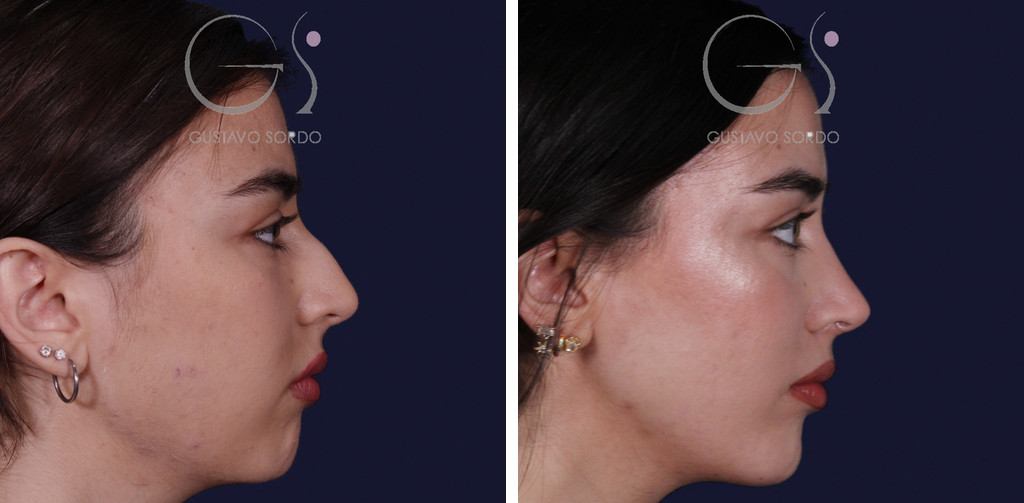
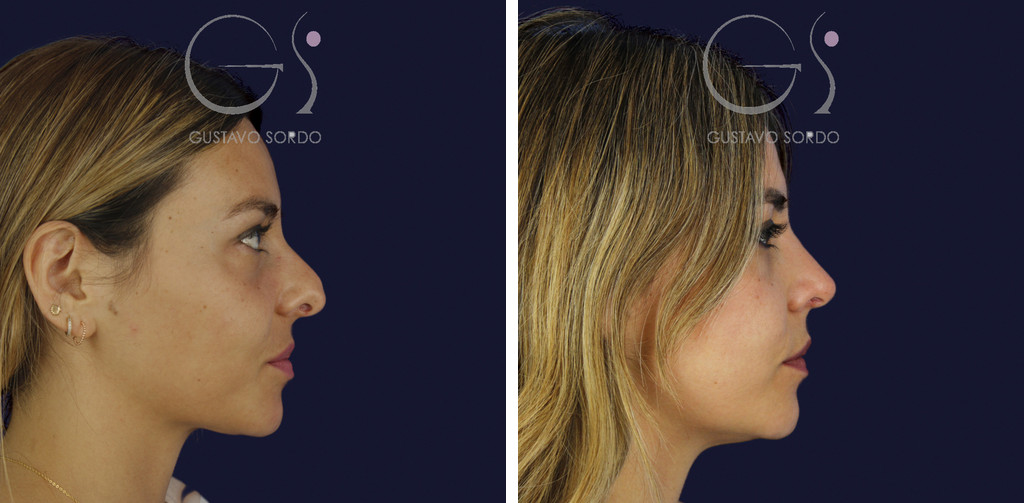
We recommend you take a look at all their before and after rhinoplasty cases.
Conclusion
Exercise after rhinoplasty is not only possible, but also beneficial when reintroduced gradually and in a controlled manner. Respecting recovery times and following your surgeon's recommendations are key to ensuring optimal results and avoiding complications.
Remember that each case is unique. Listen to your body, maintain open communication with your doctor, and move forward with patience. For more information or specific questions about your recovery, consult with Dr. Gustavo Sordo, a rhinoplasty specialist in Madrid. Your well-being is our priority.
Continue reading
Dr. Gustavo Sordo
Specialist in Plastic, Aesthetic and Reconstructive Surgery. Member No. 282858125.
Content clinically reviewed by Dr. Gustavo Sordo. Last review: October 7, 2026.