Home » Before and After Cosmetic Surgery » Before and After Breast Augmentation
Breast Augmentation
Before and after
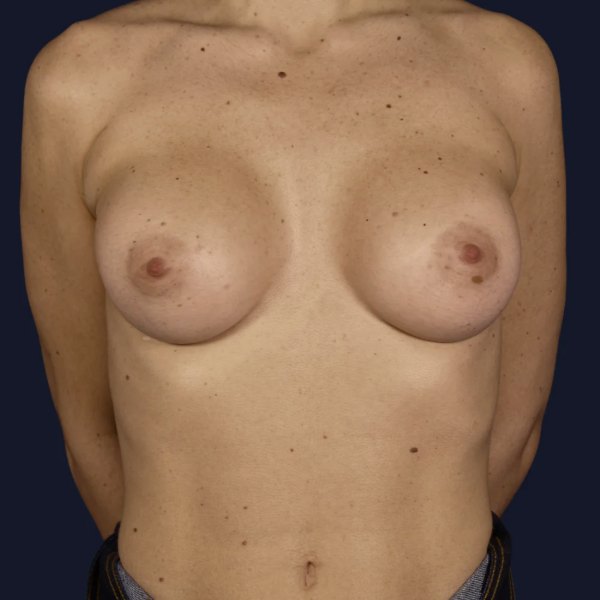
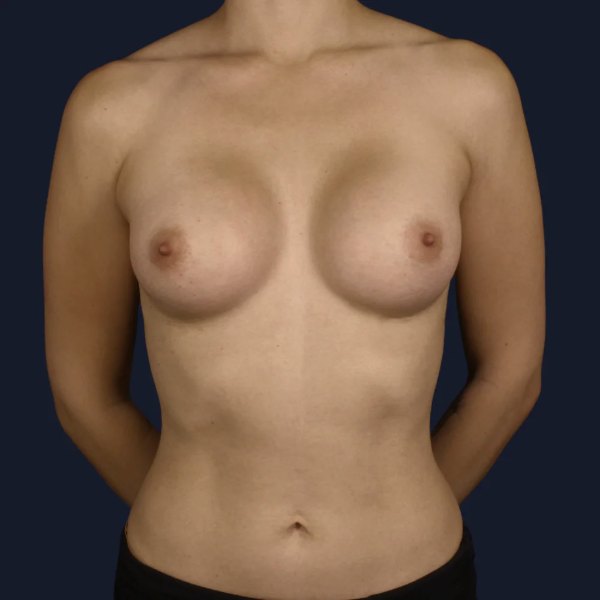
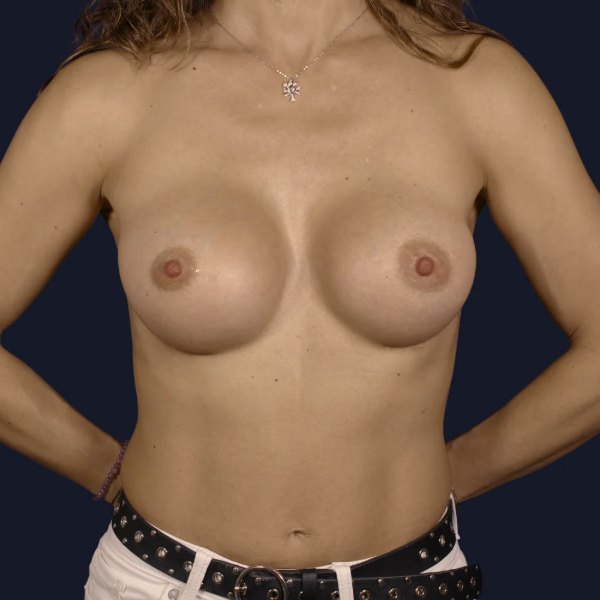
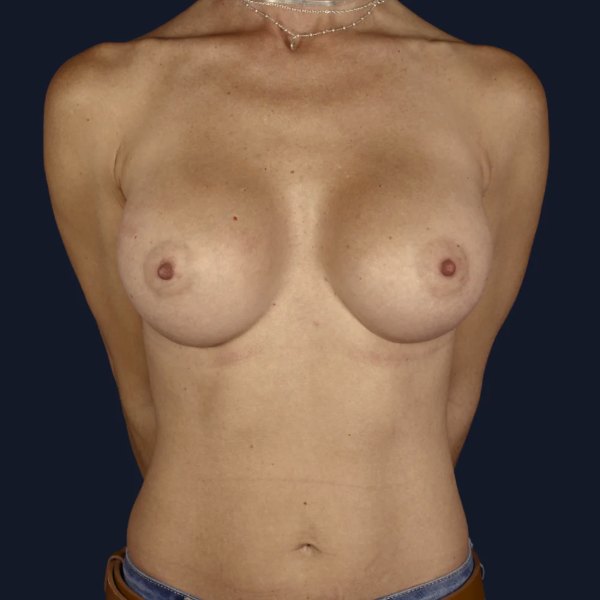
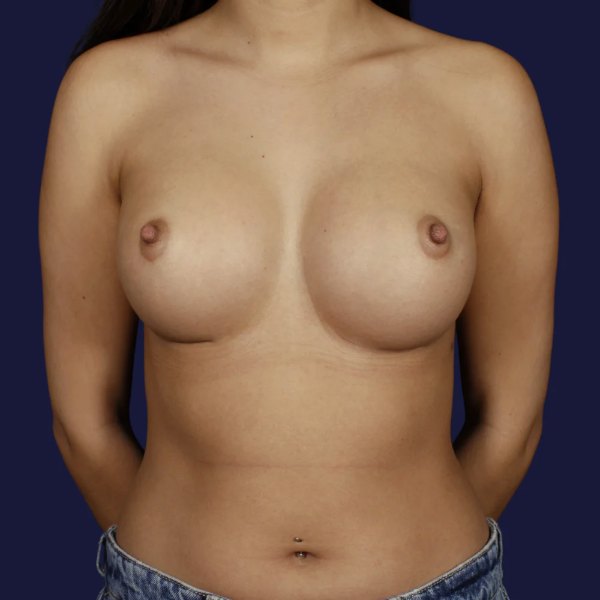
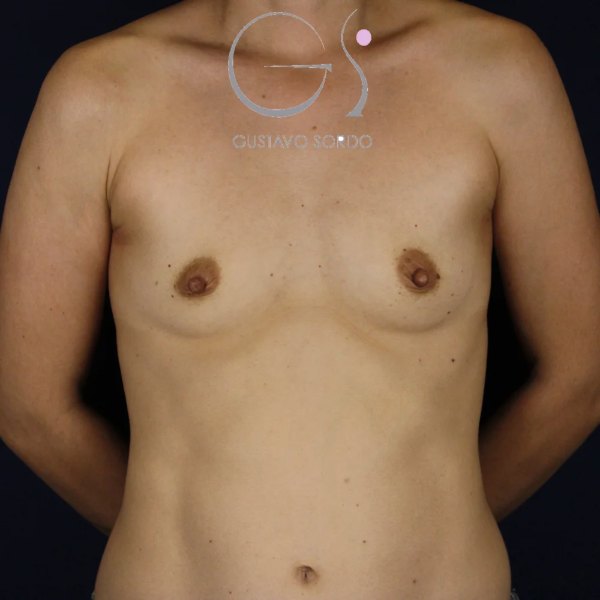
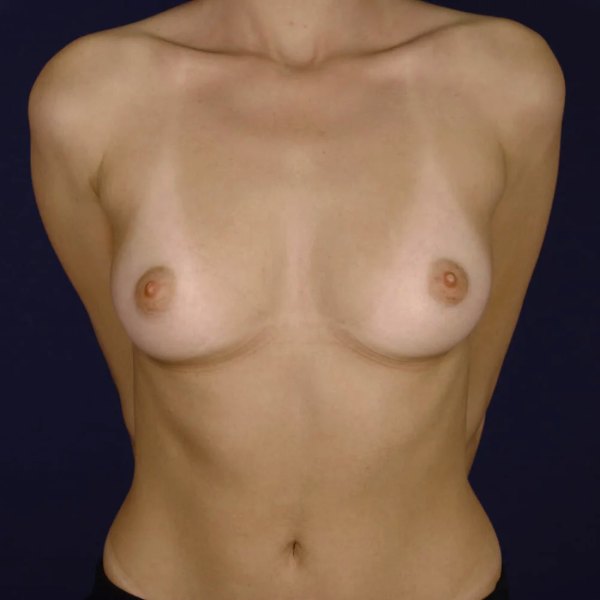
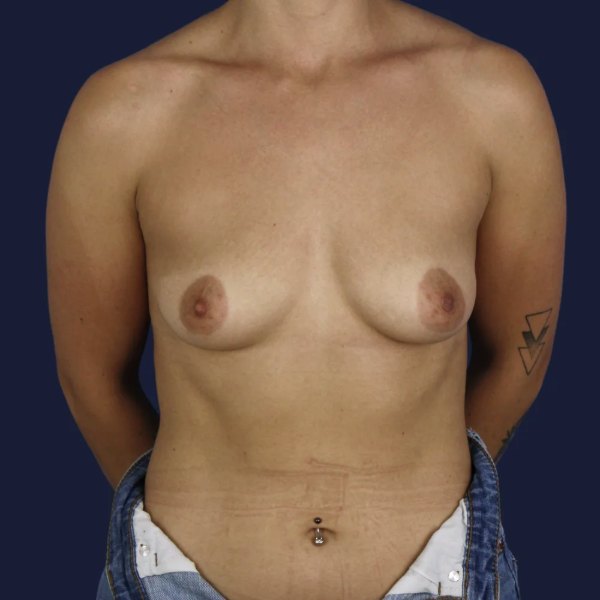
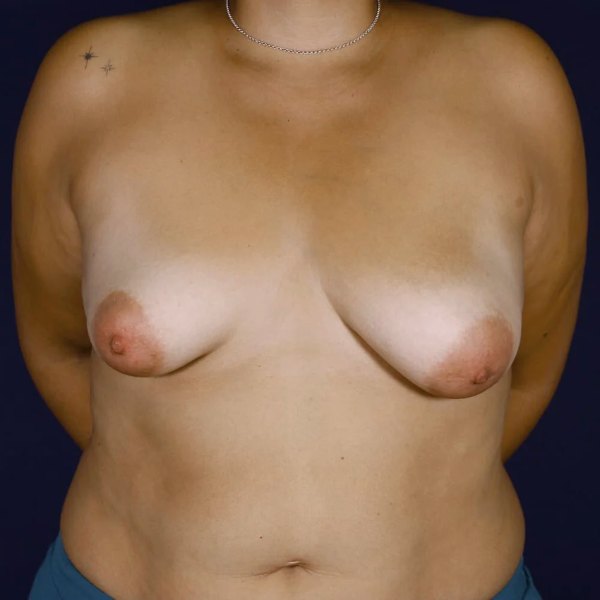
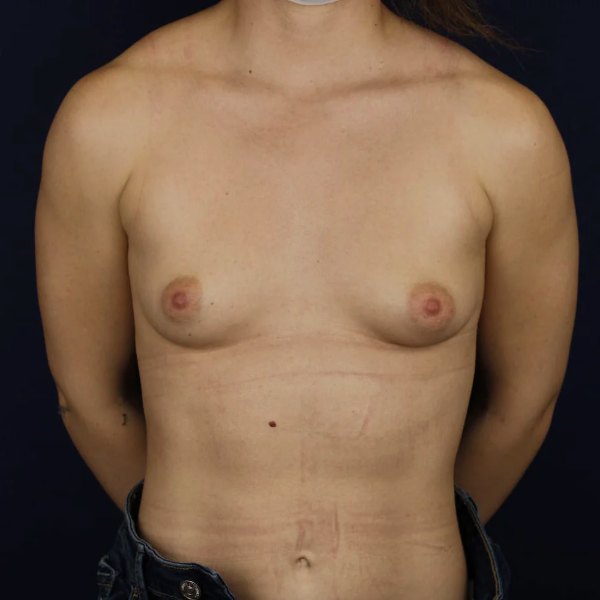
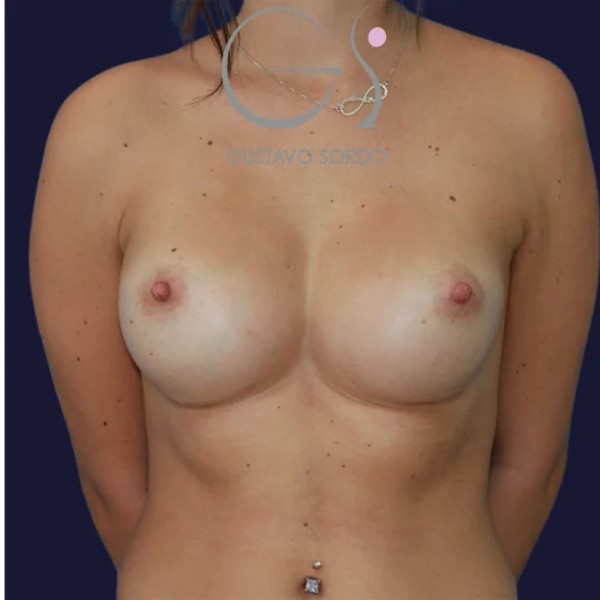
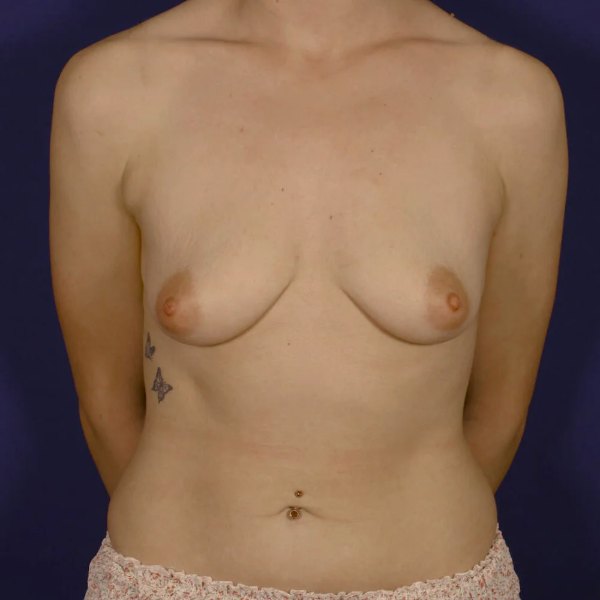
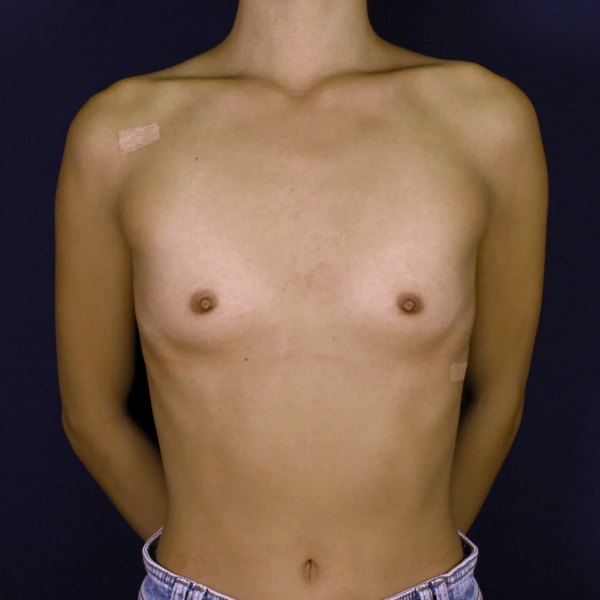
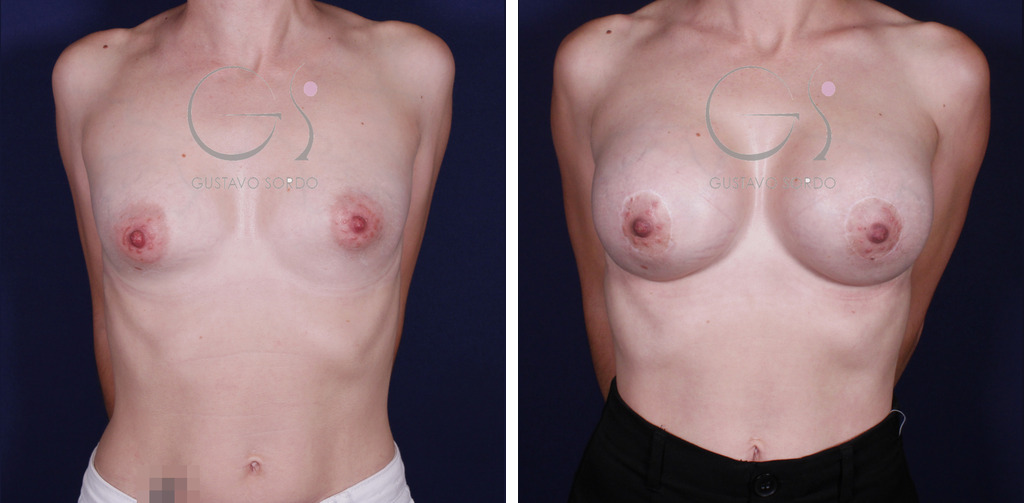
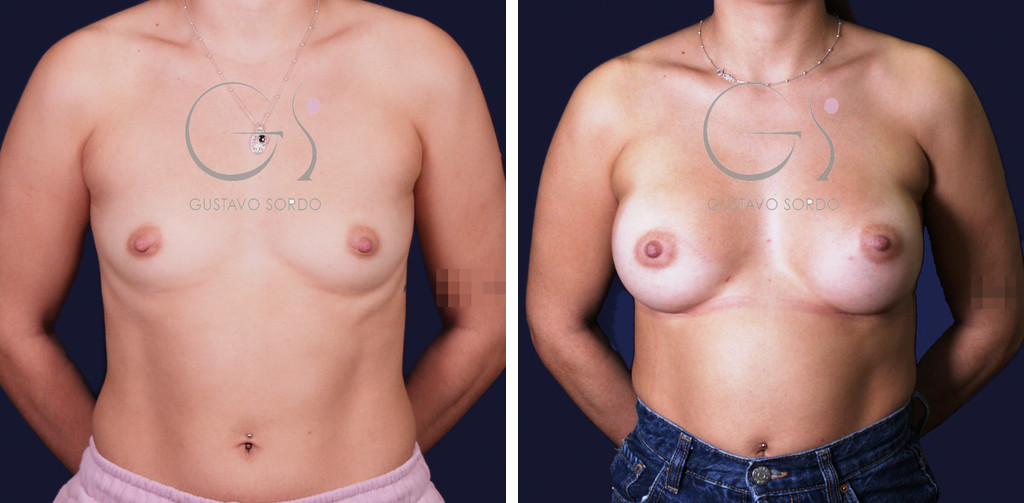
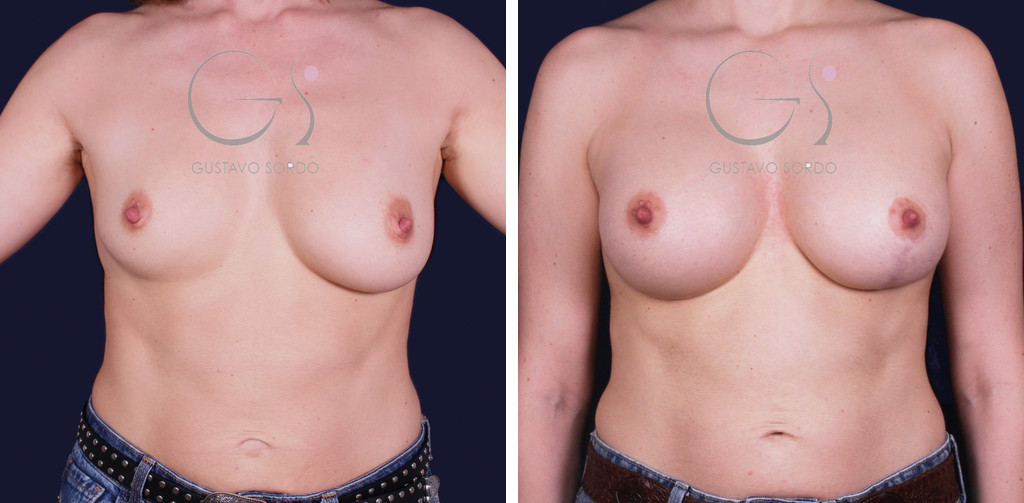
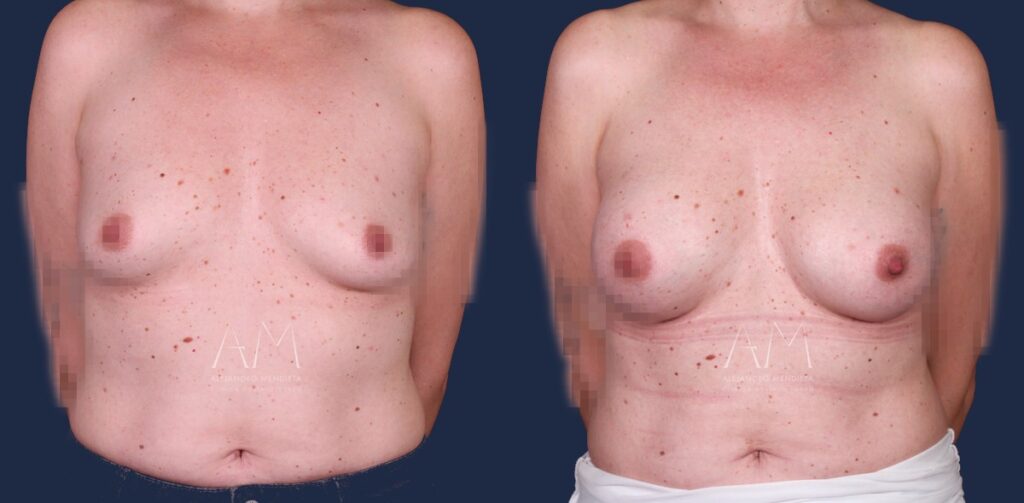
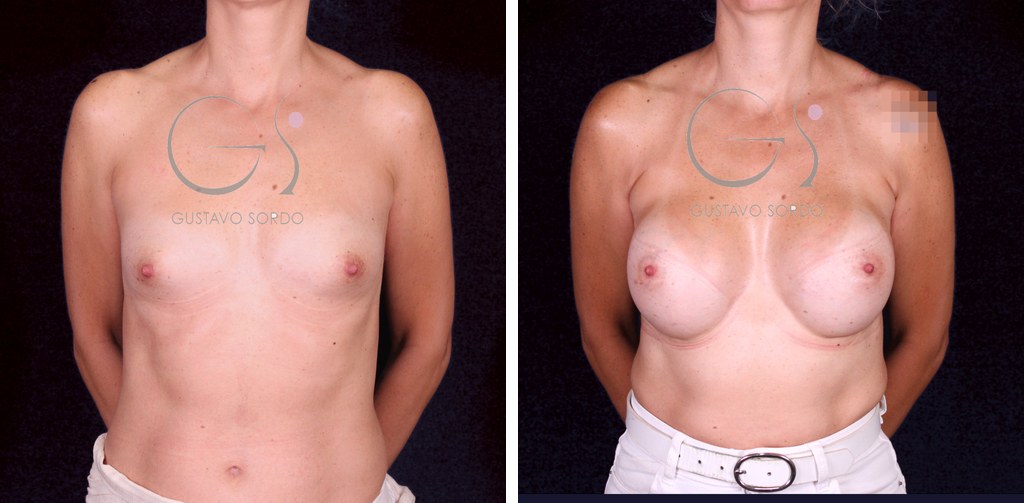
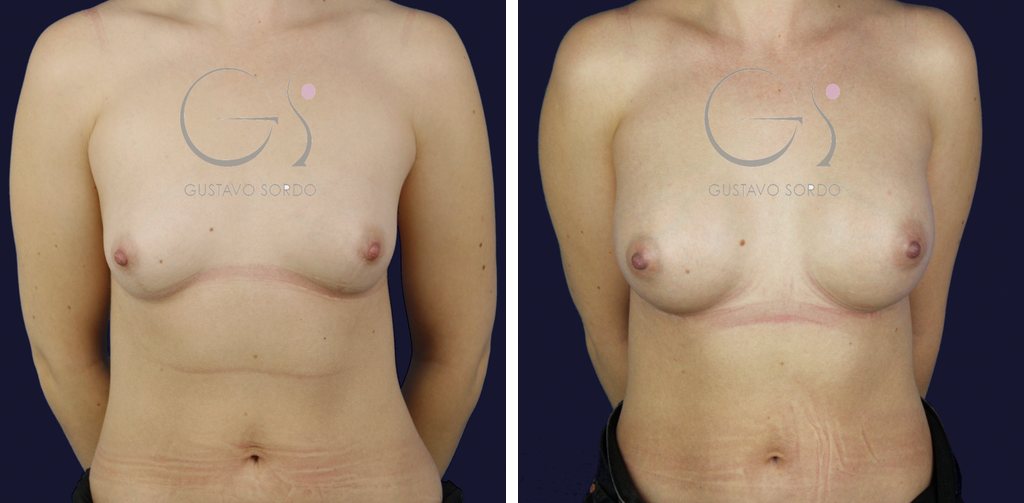
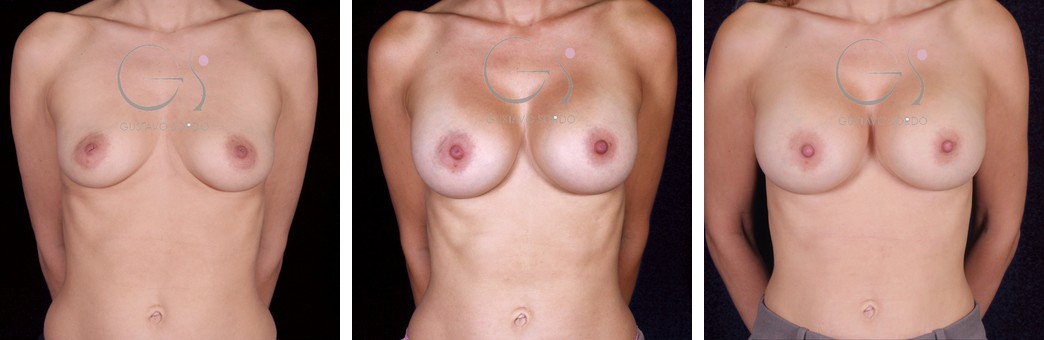
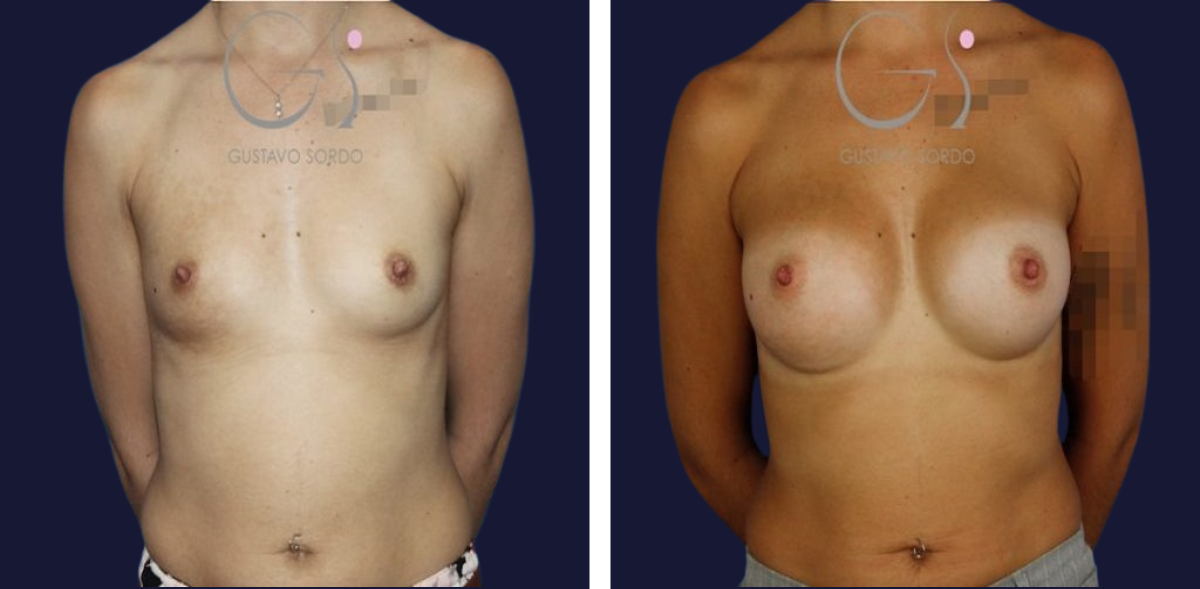
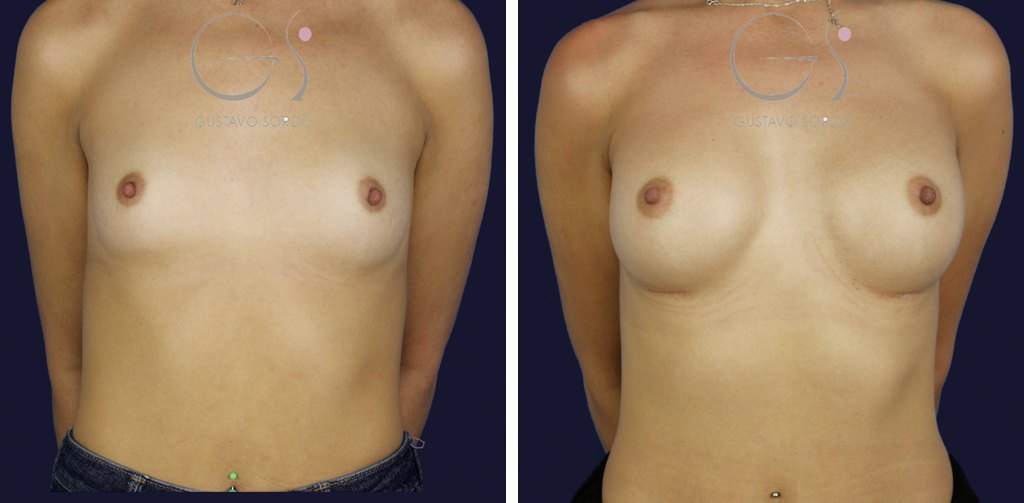
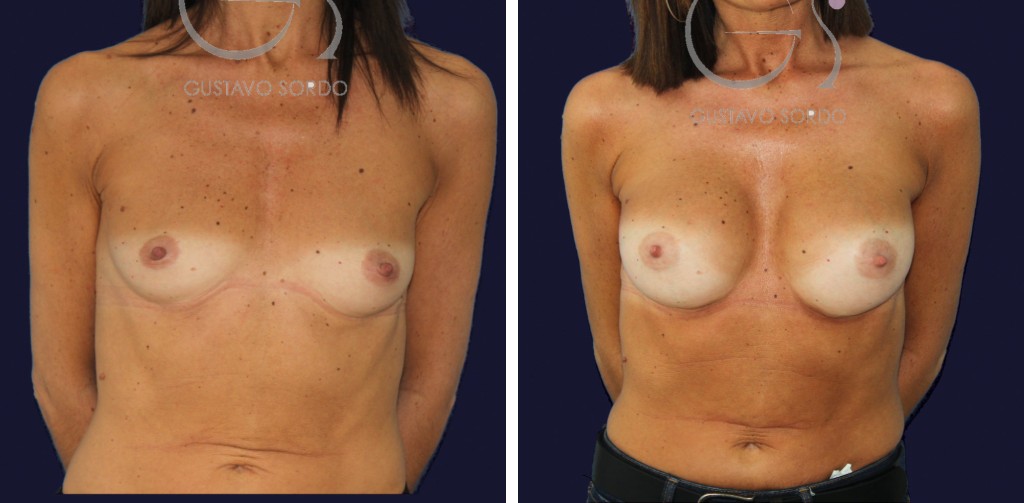
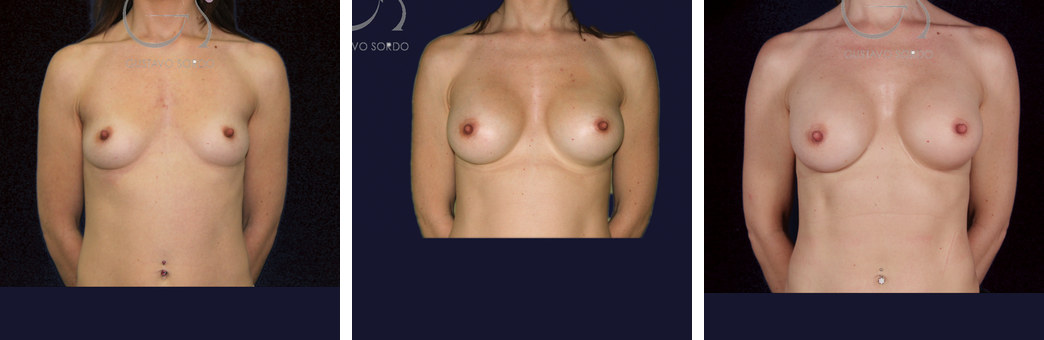
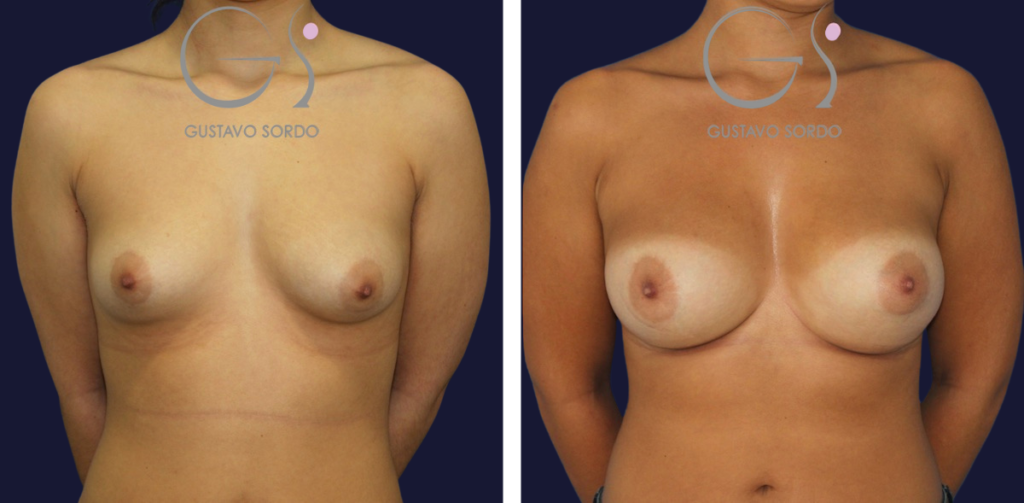
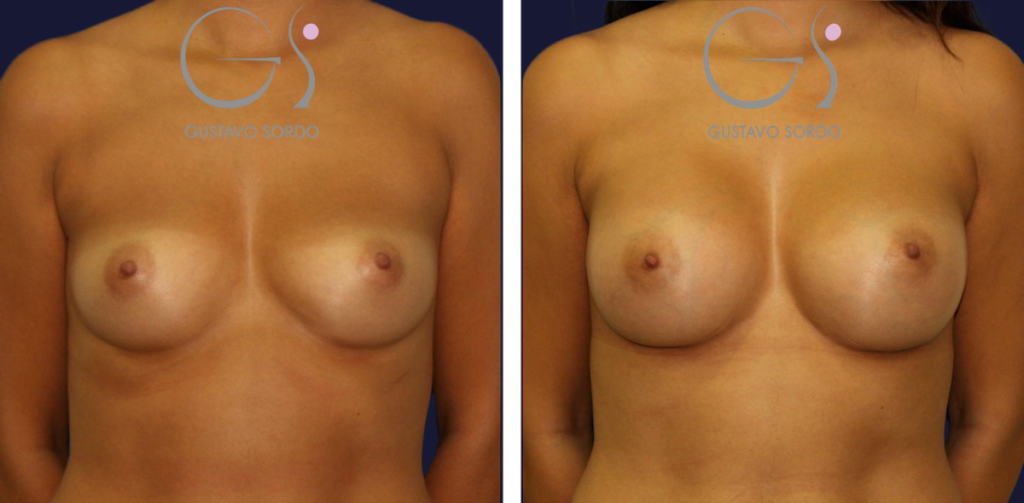
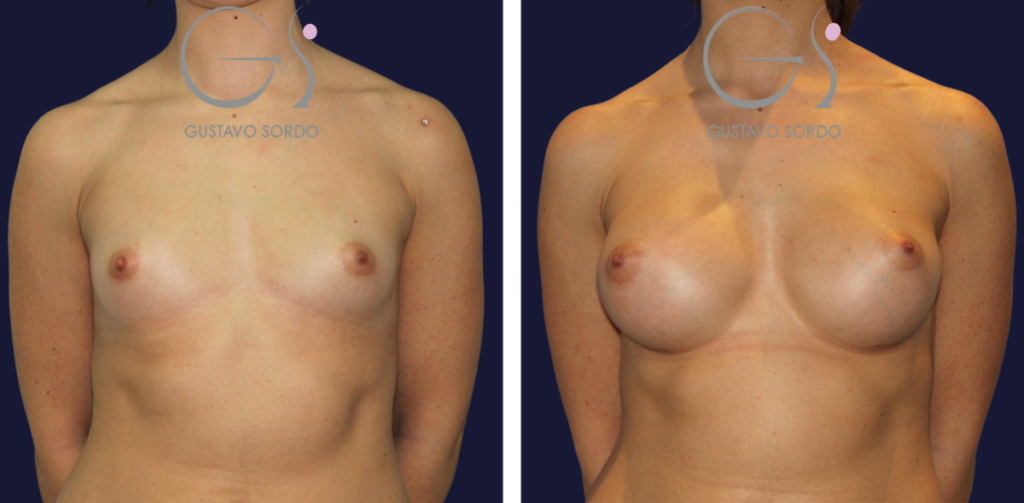
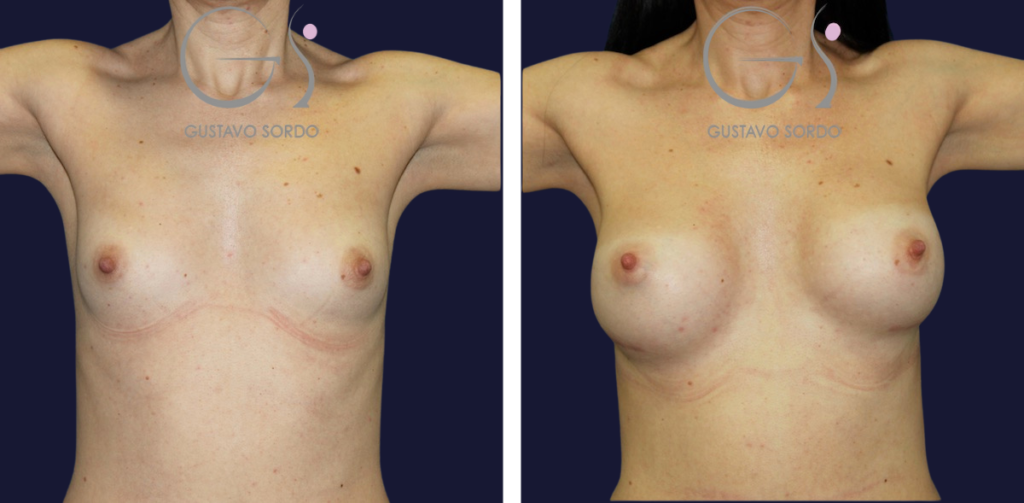
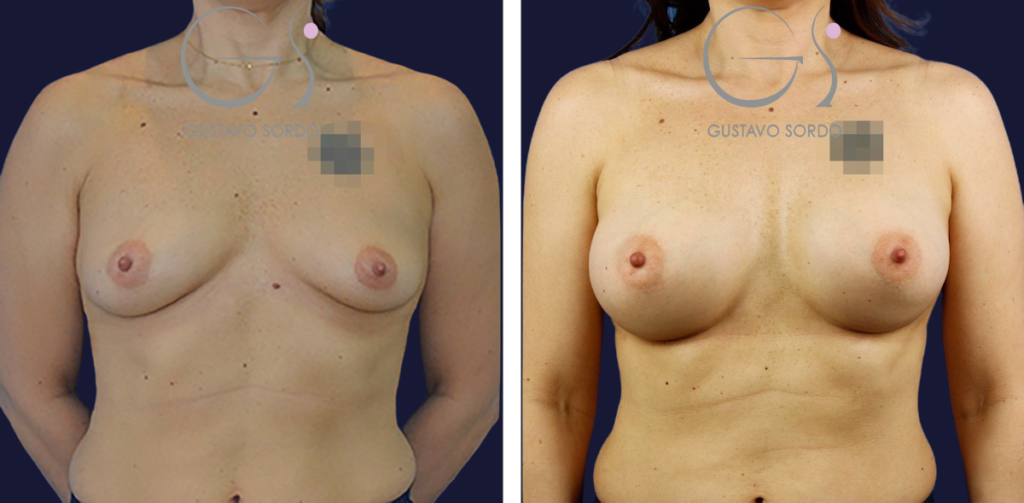
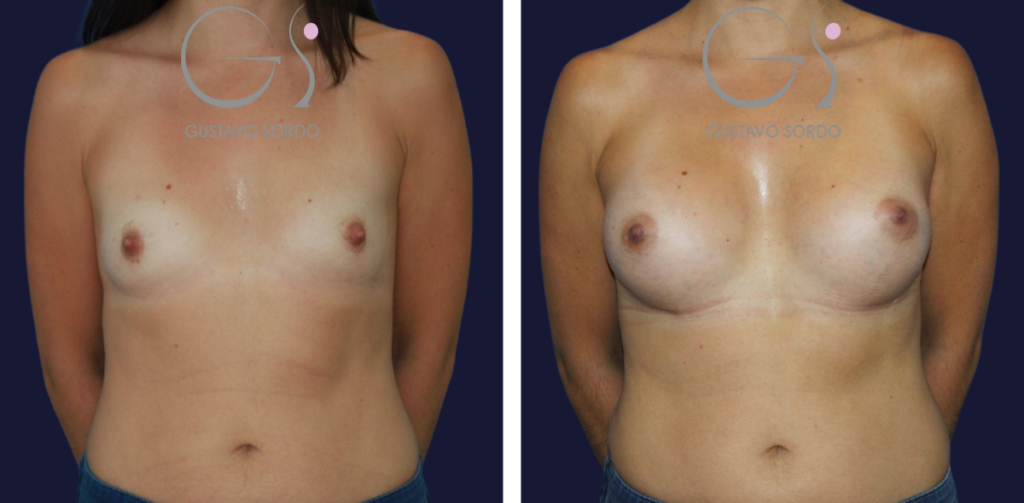
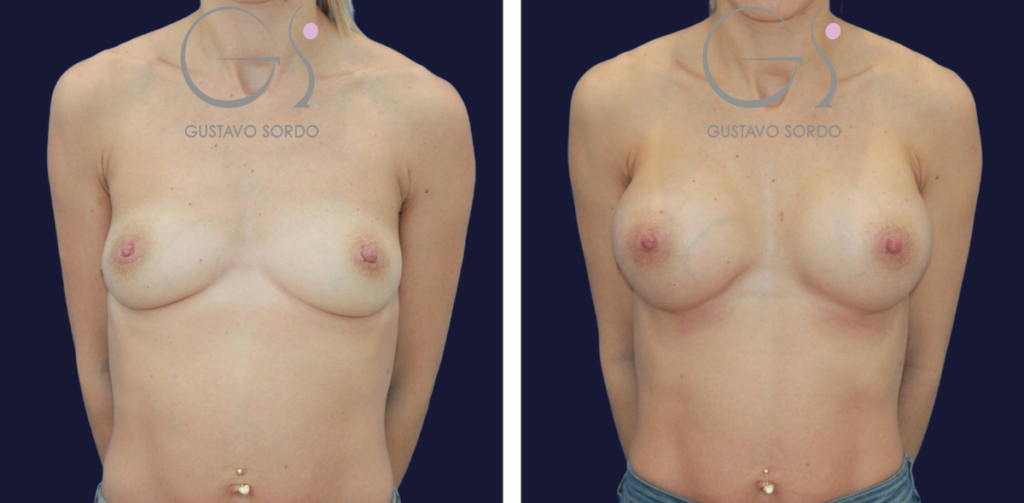
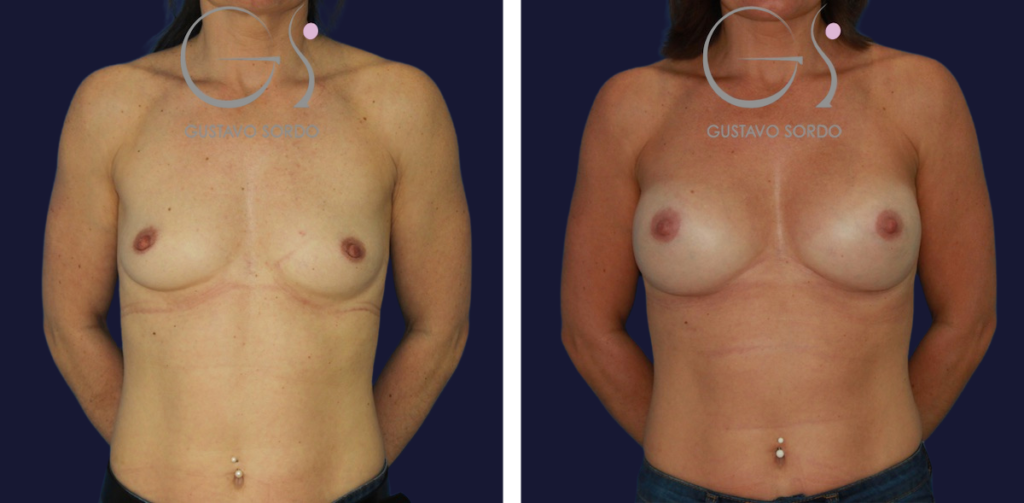
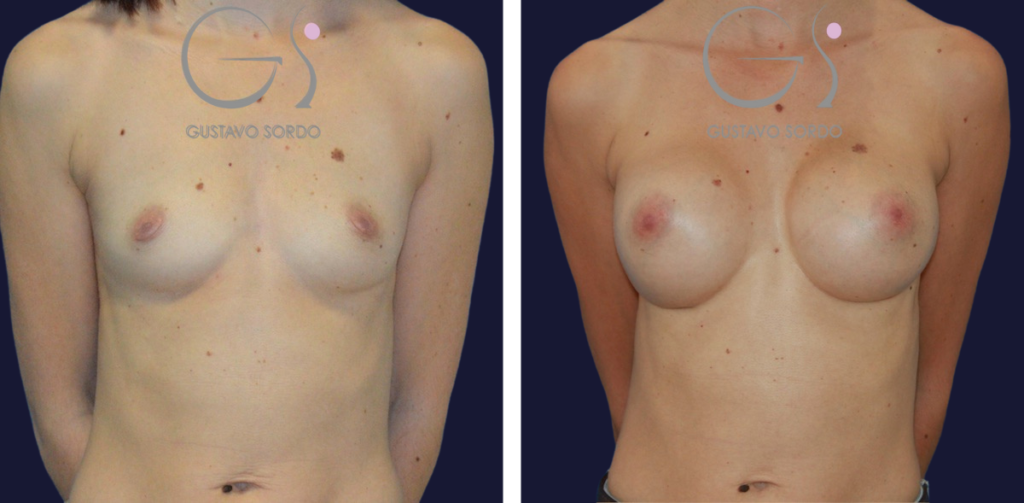
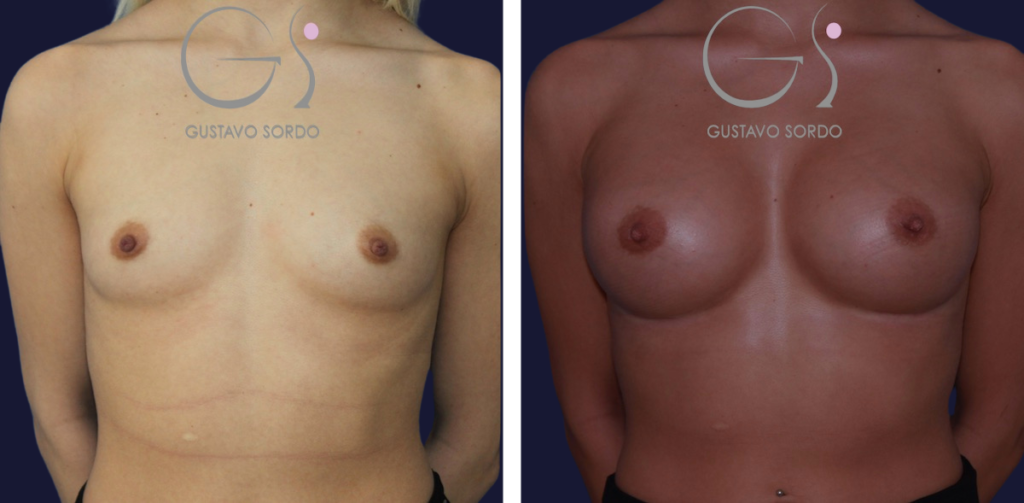
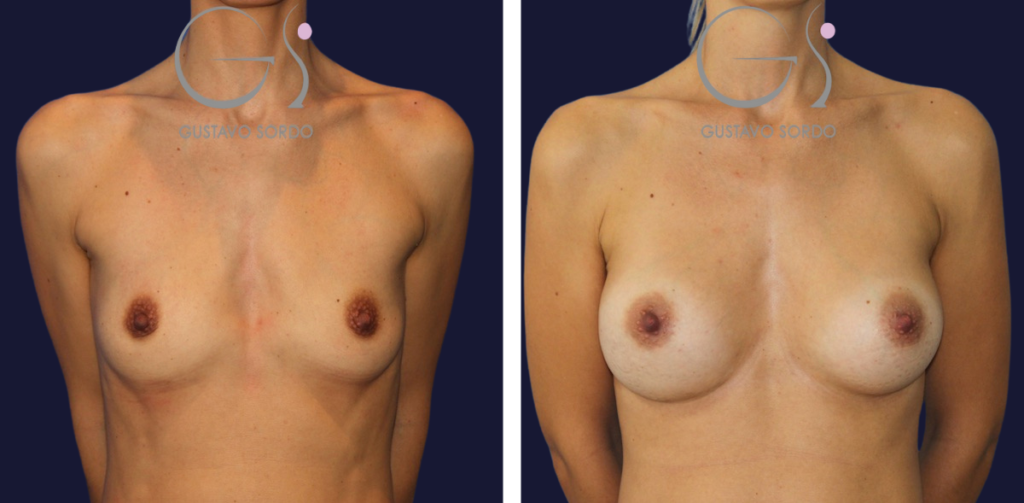
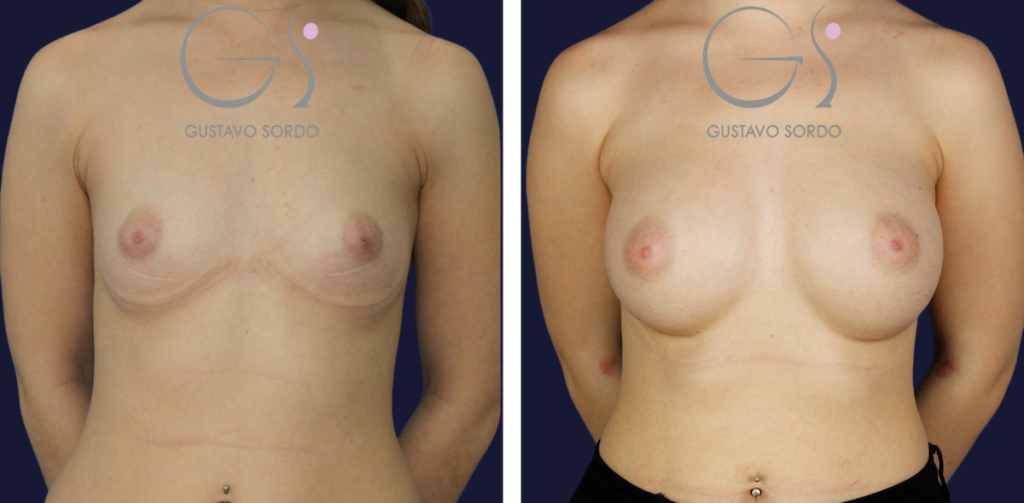
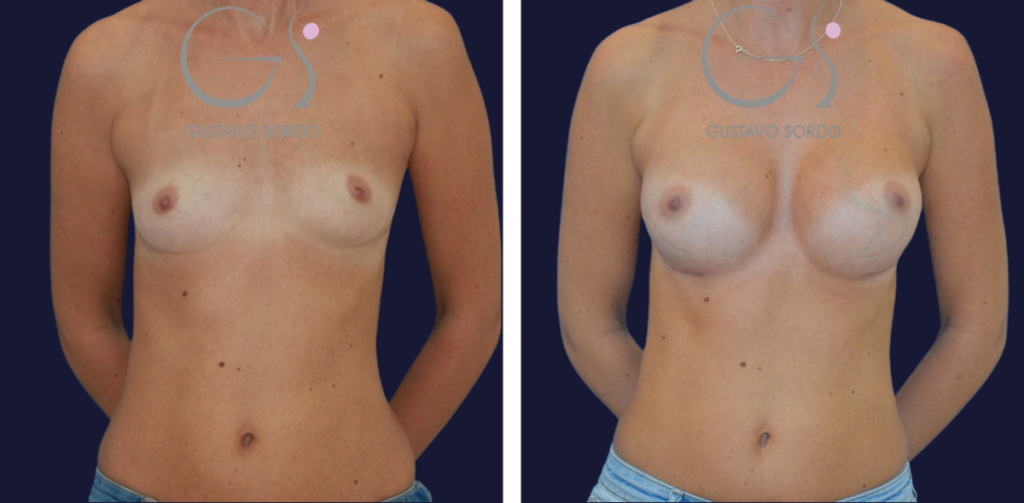
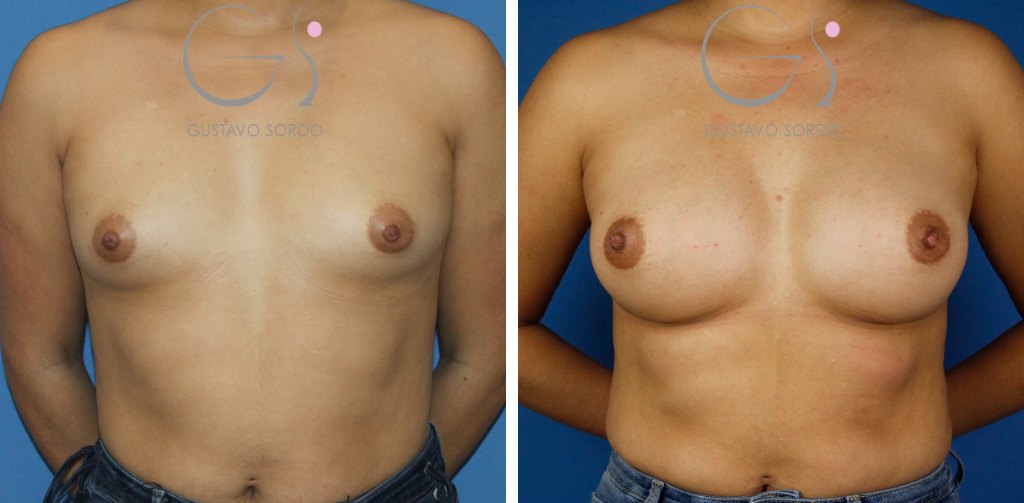
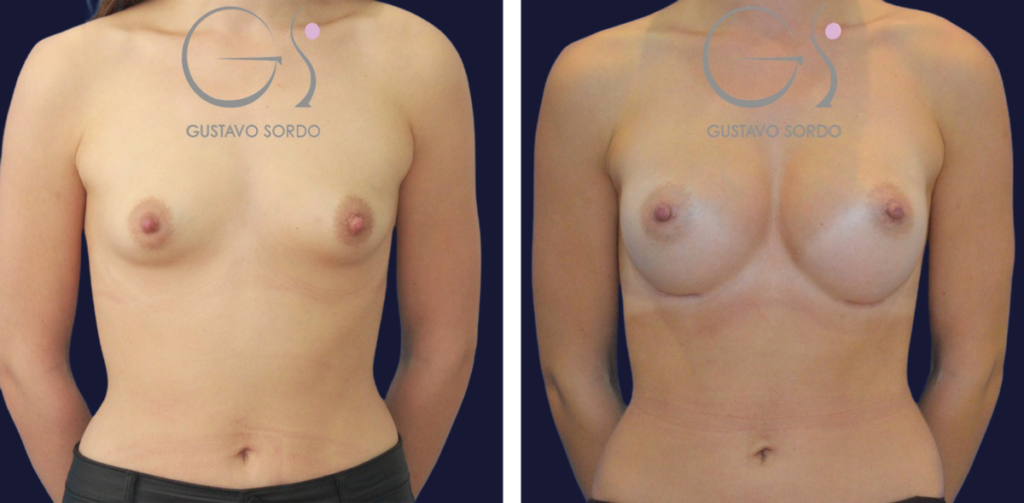
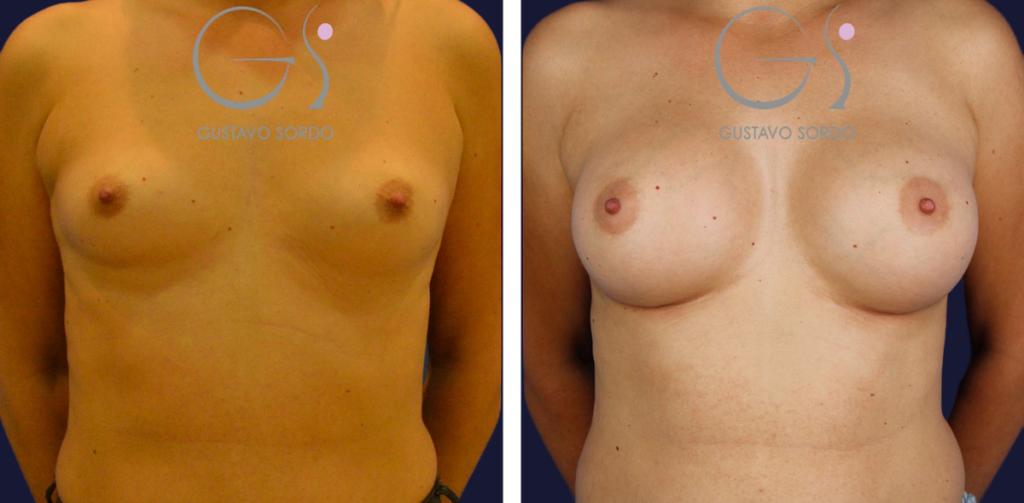
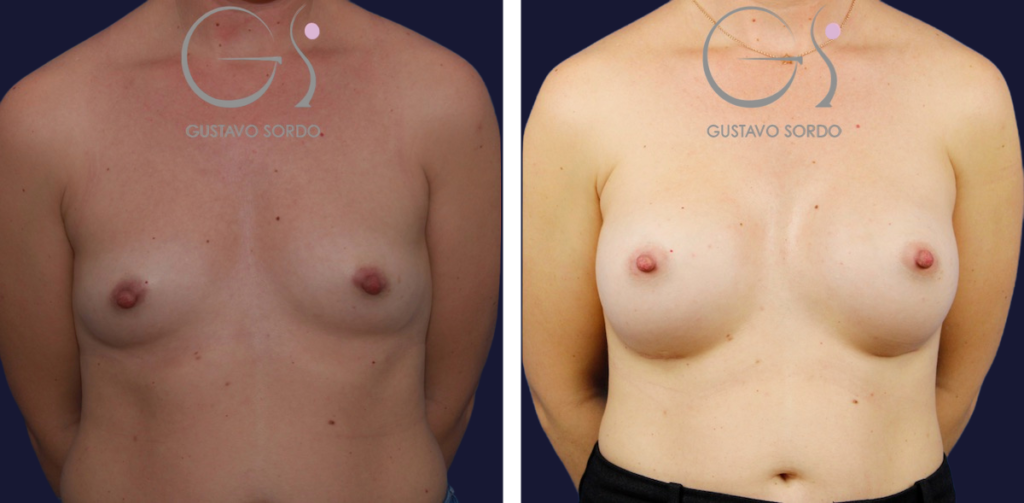
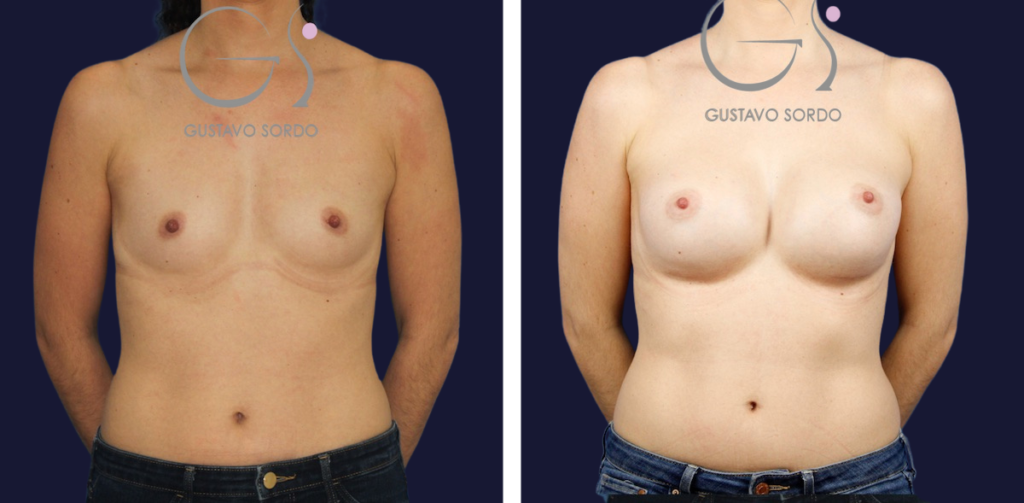
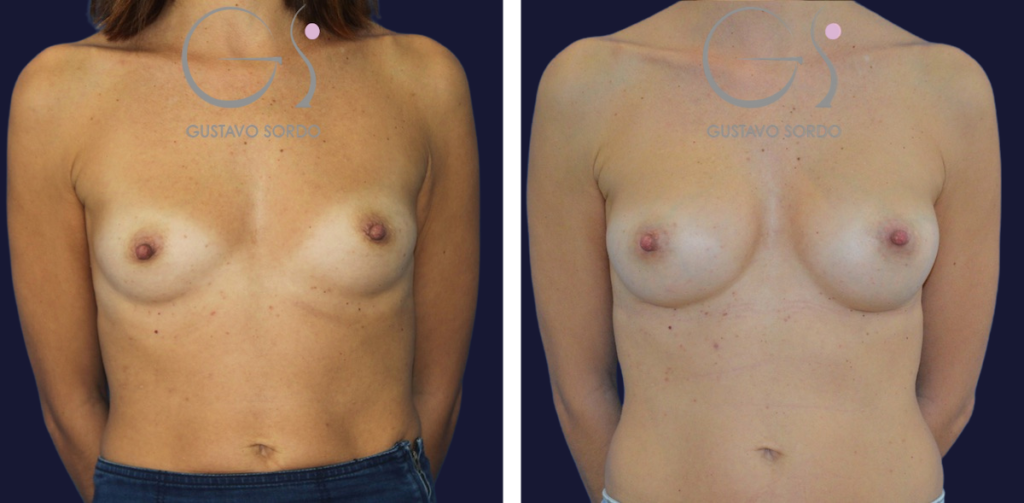
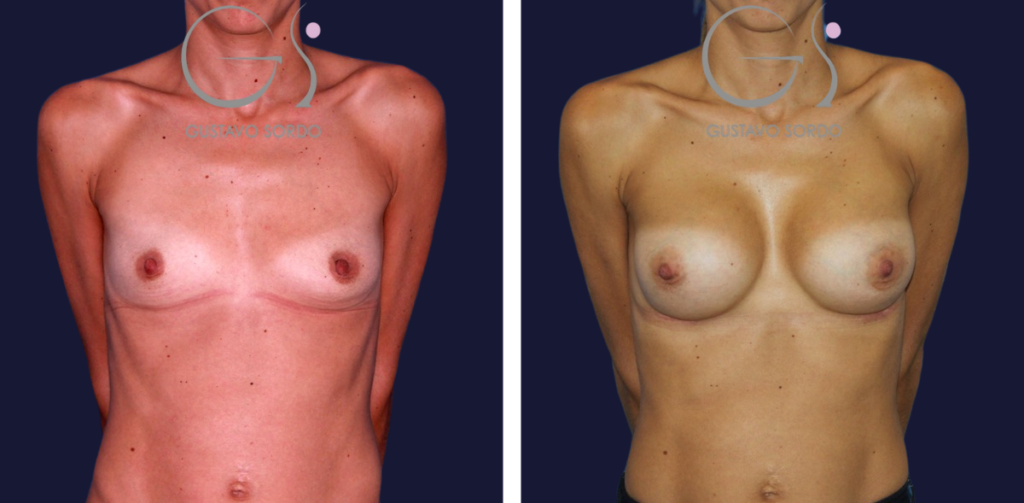
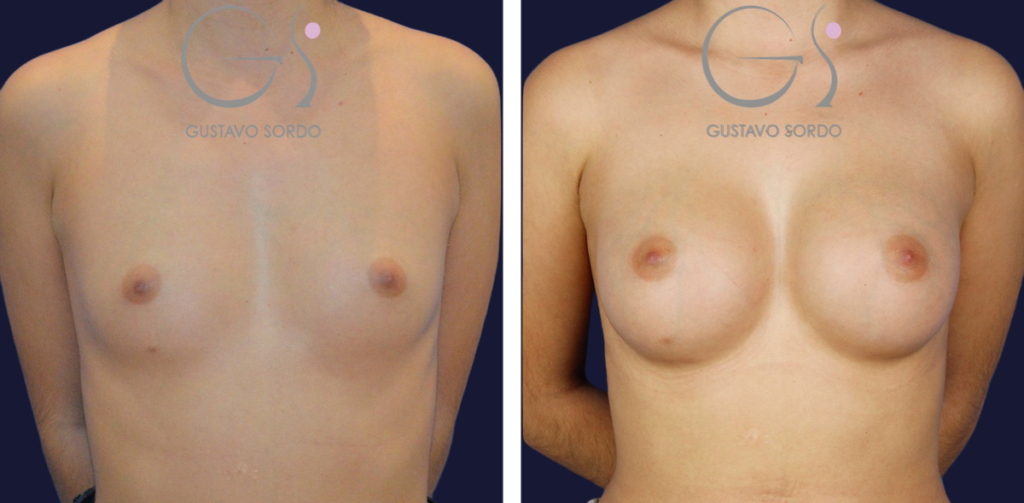
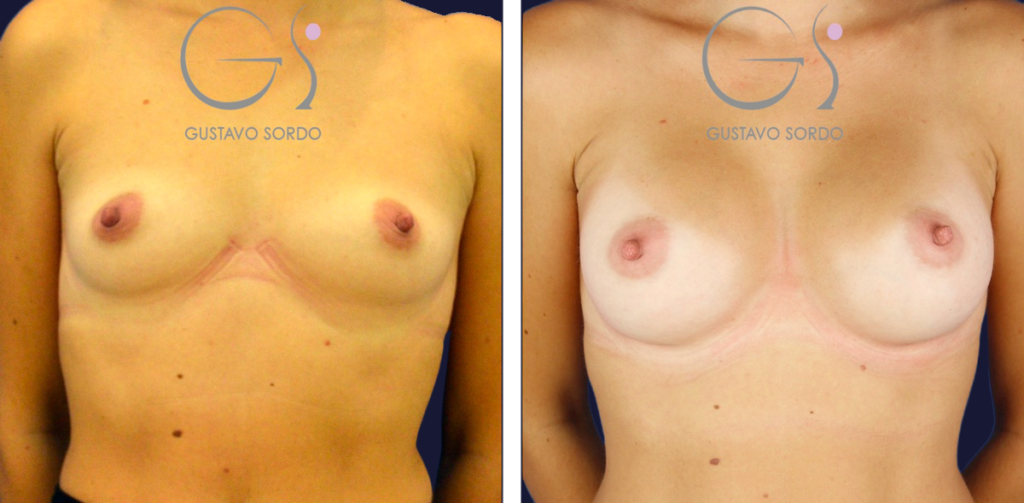
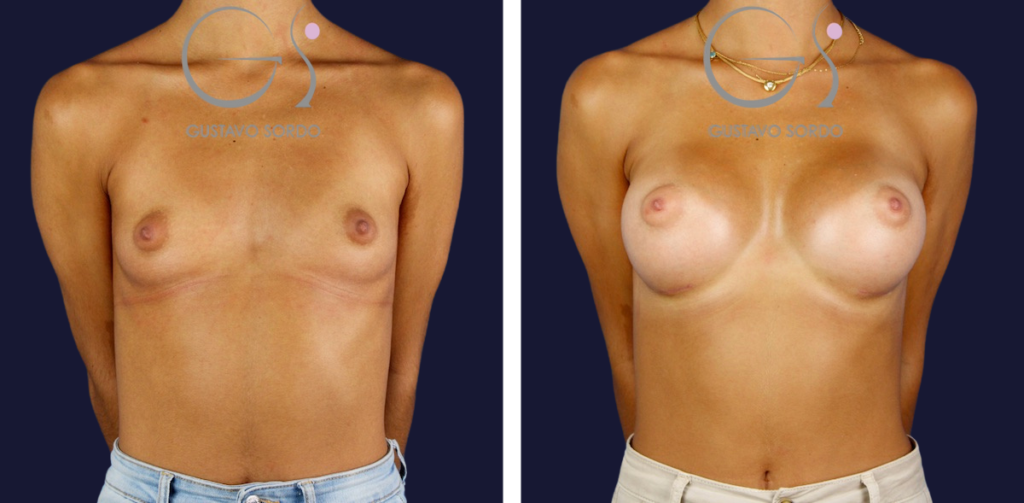
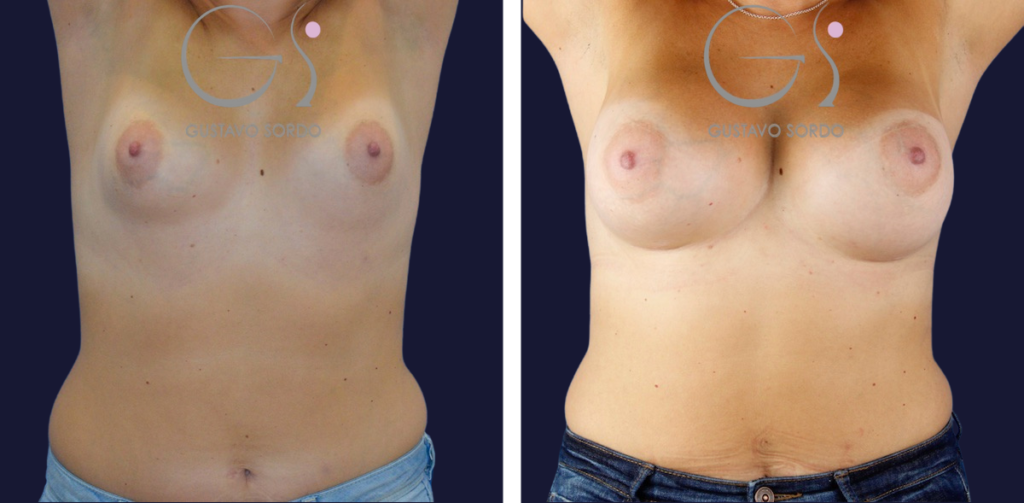
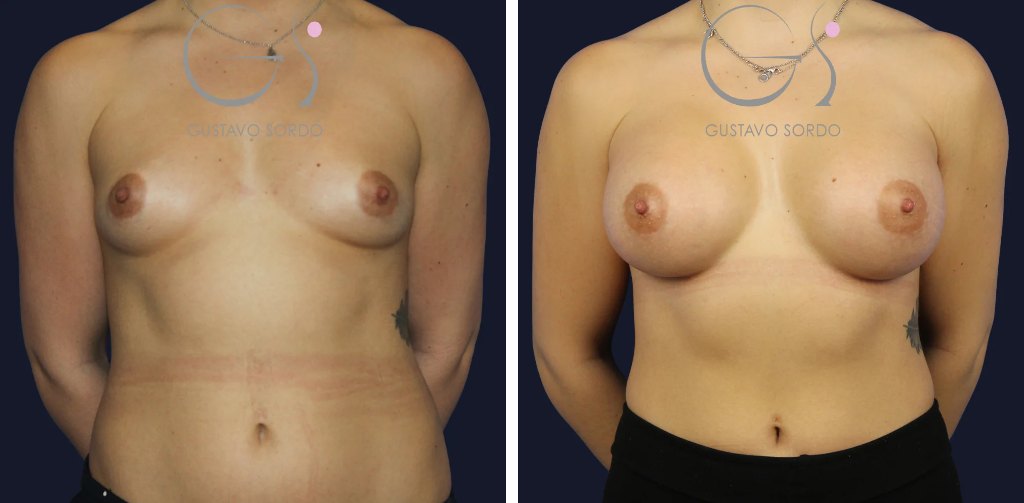
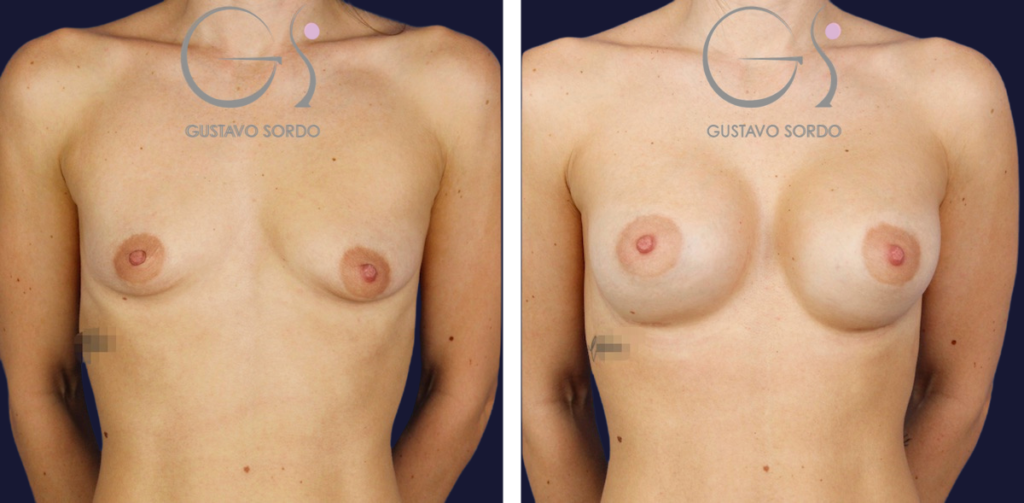
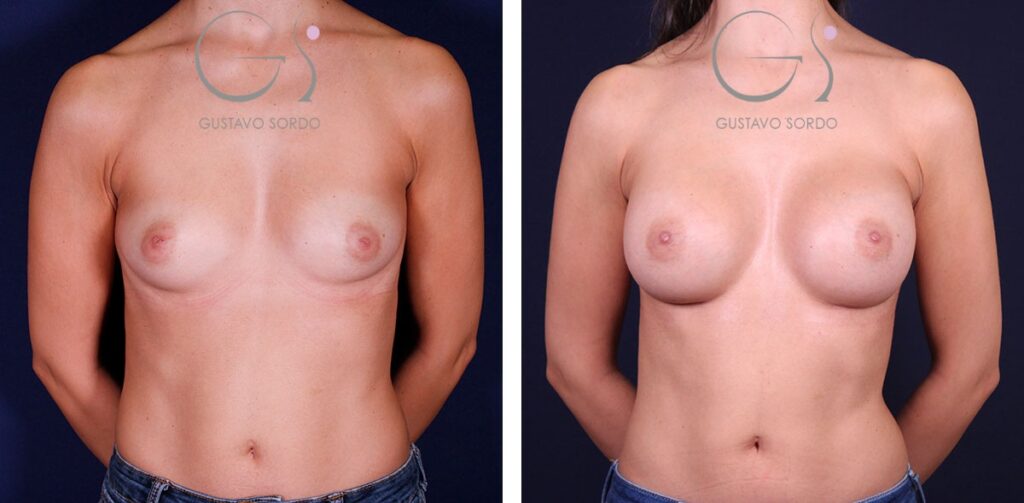
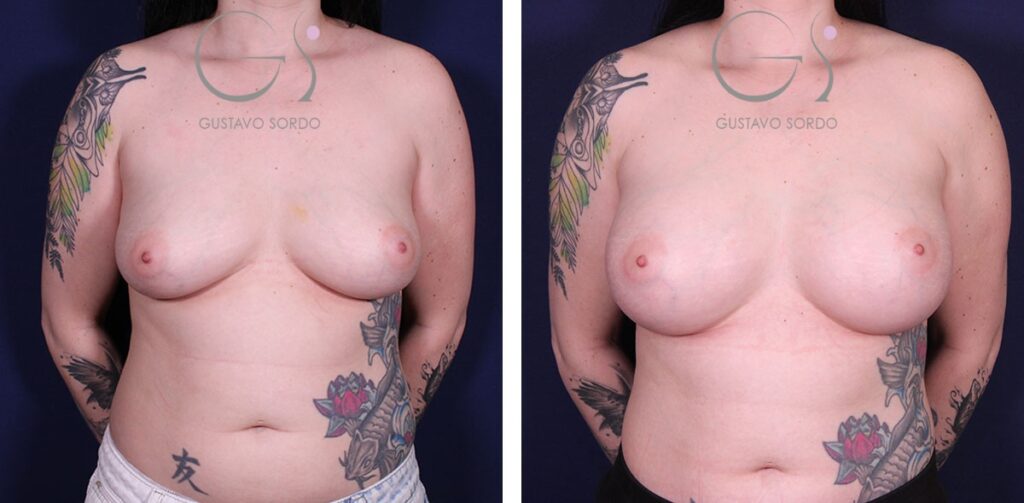
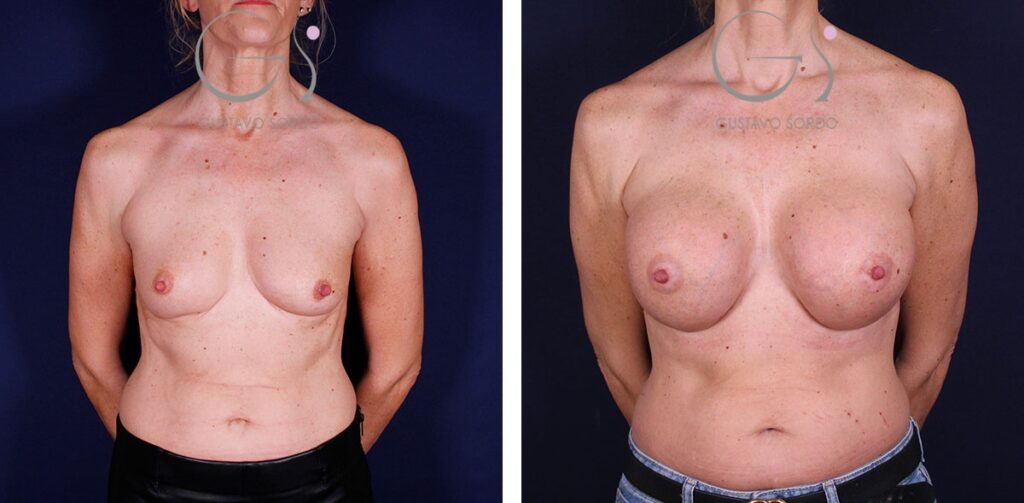
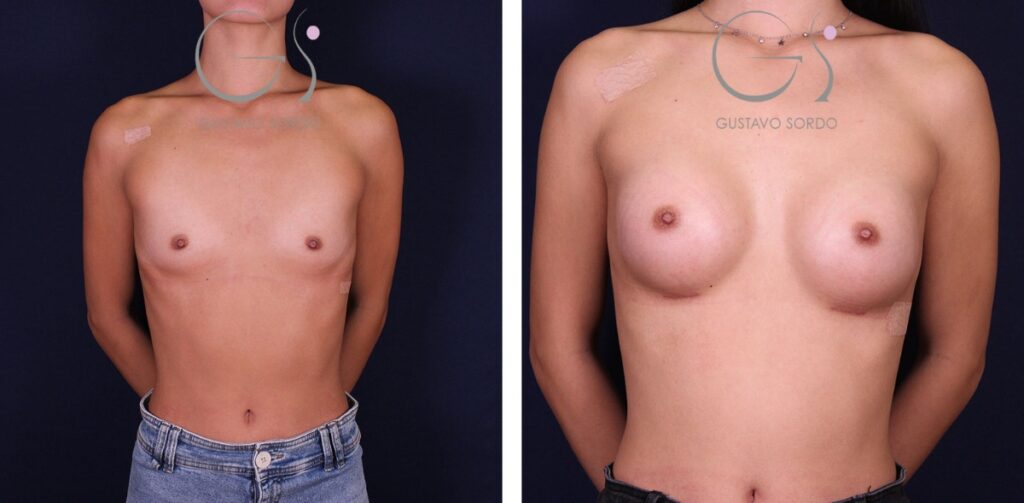
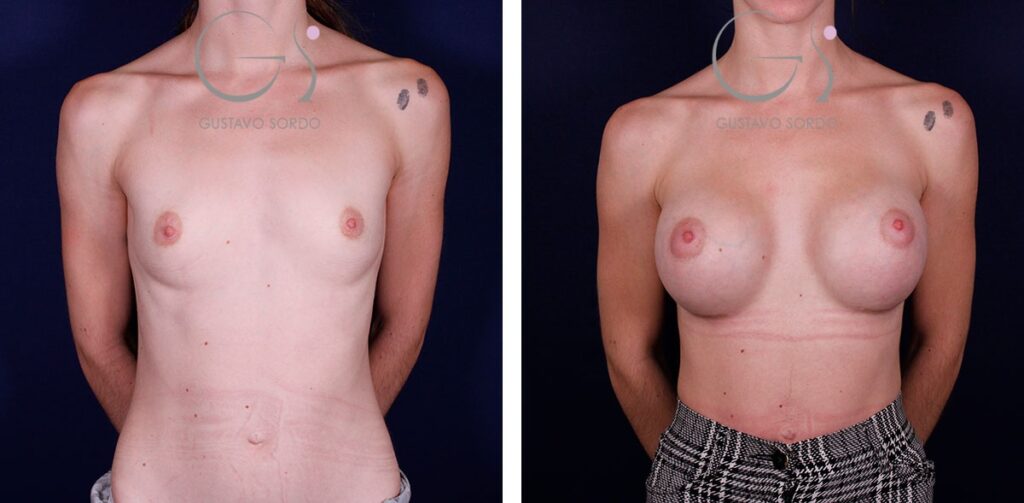
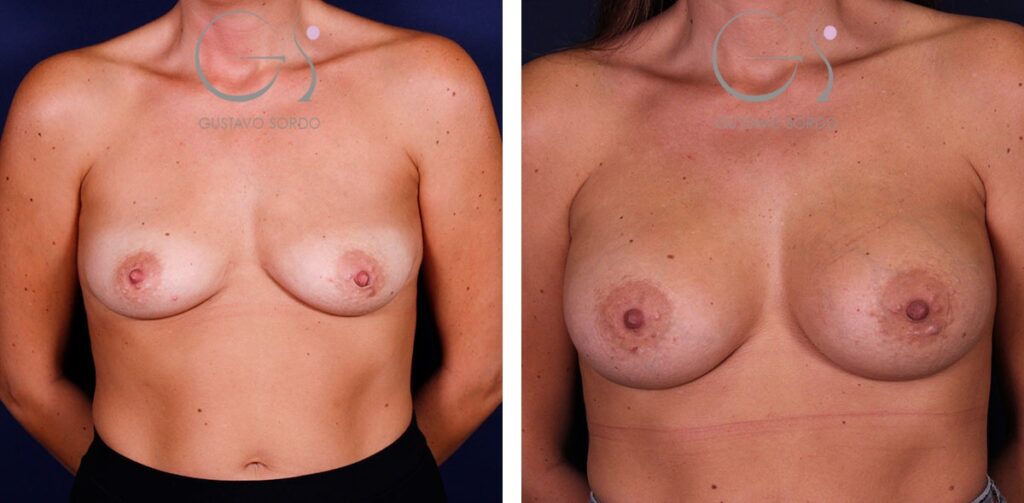
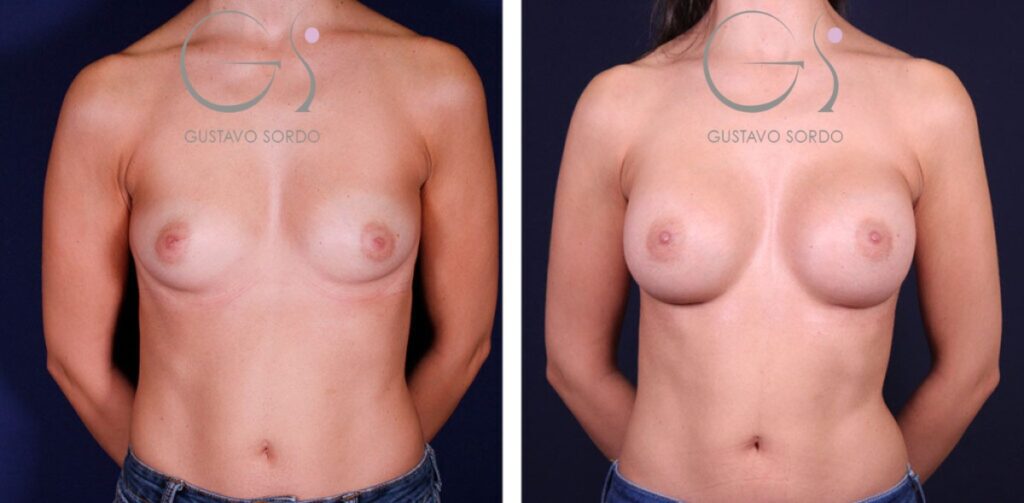
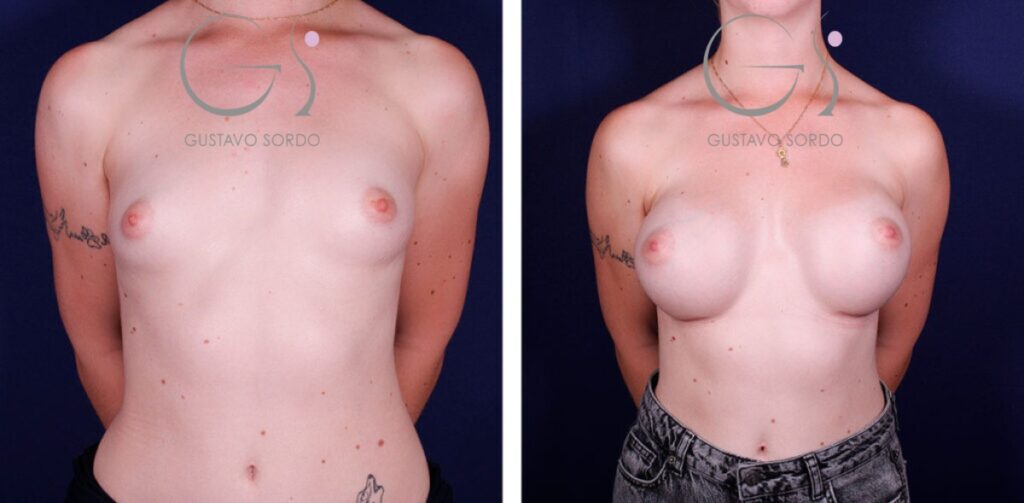
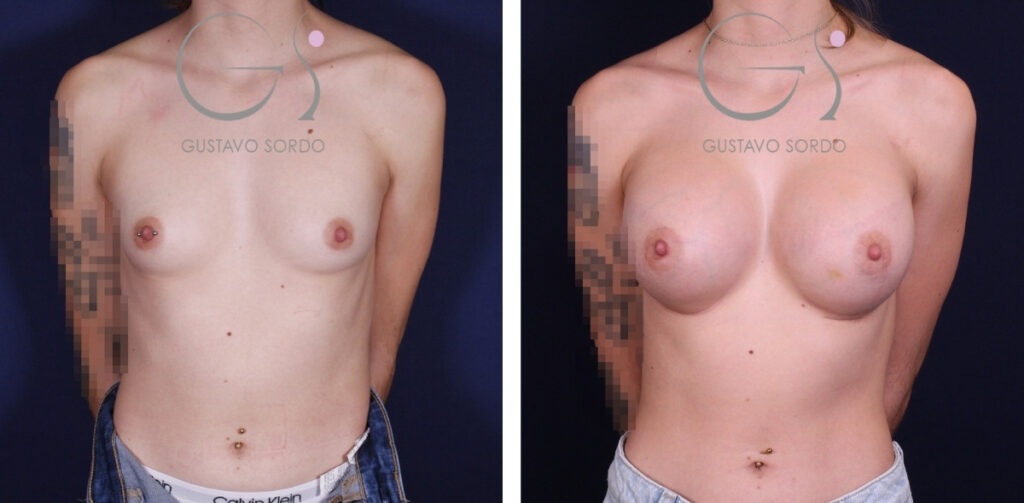
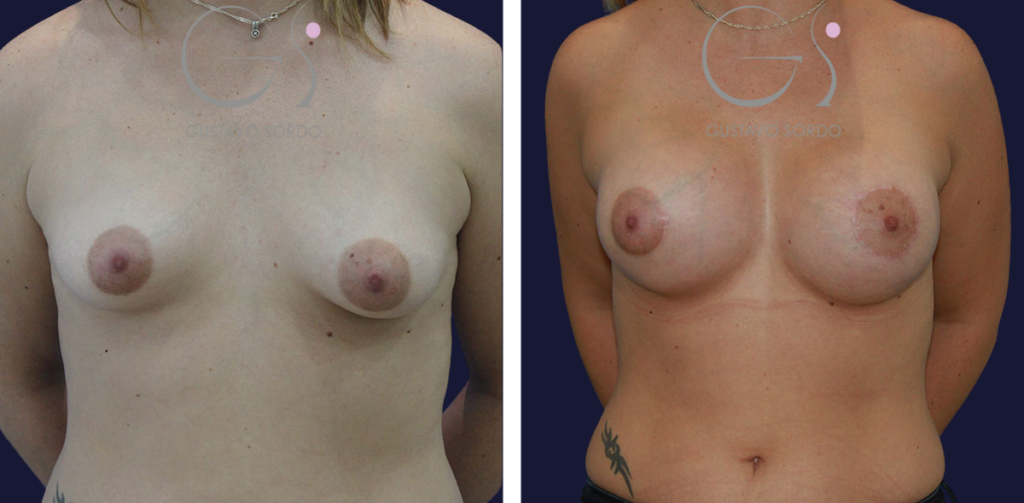
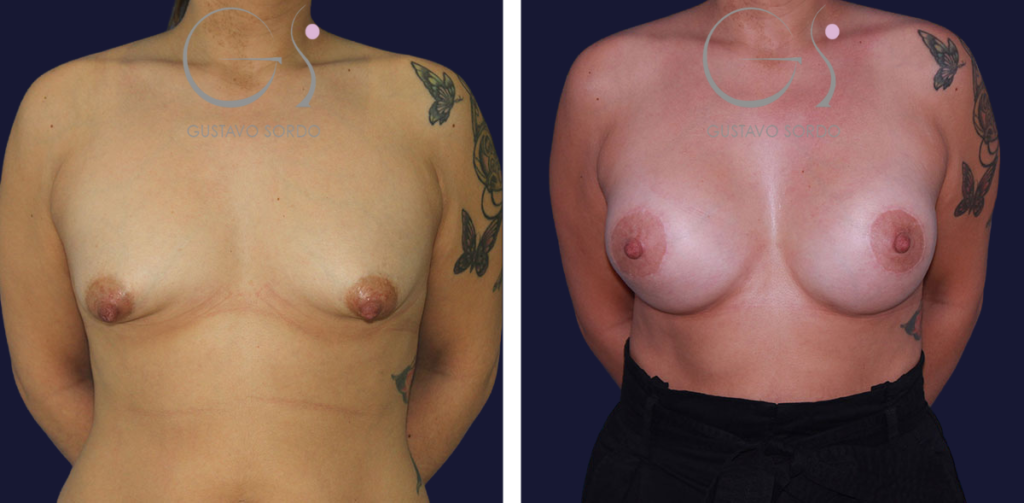
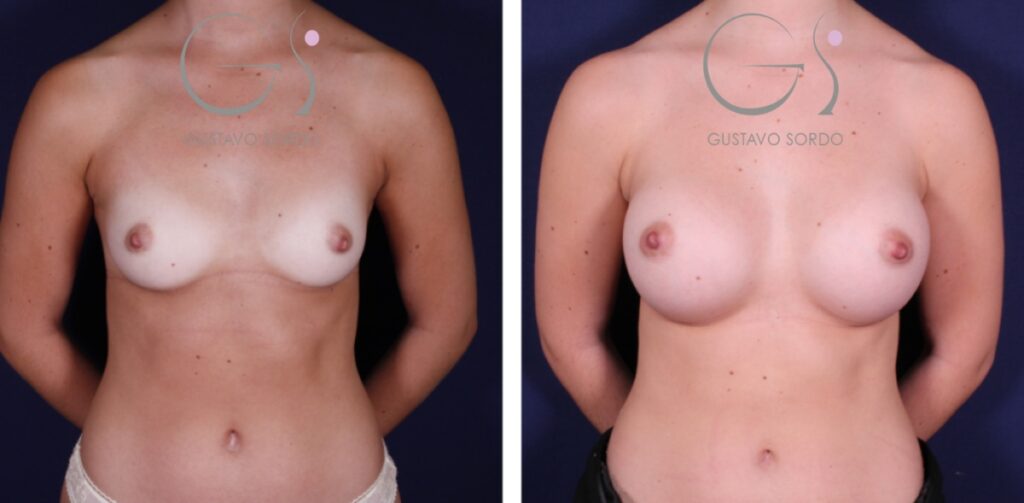
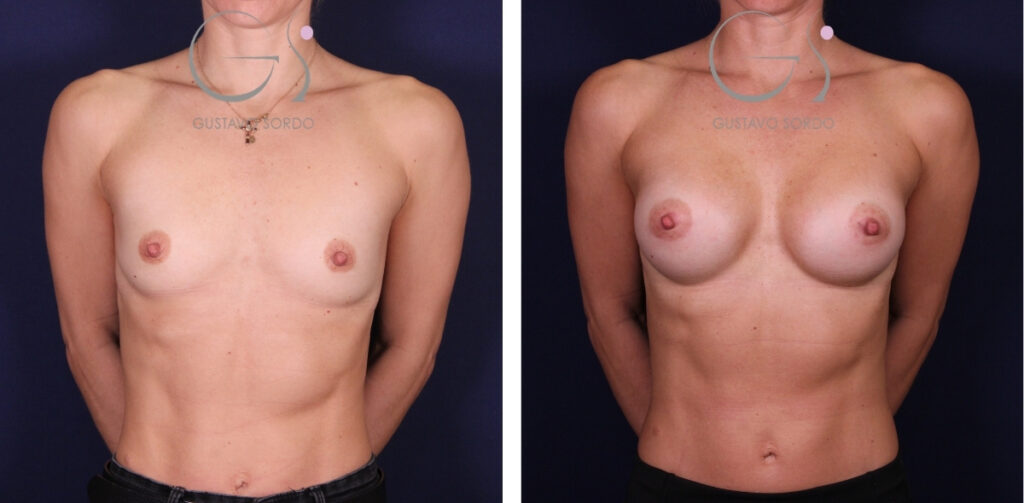
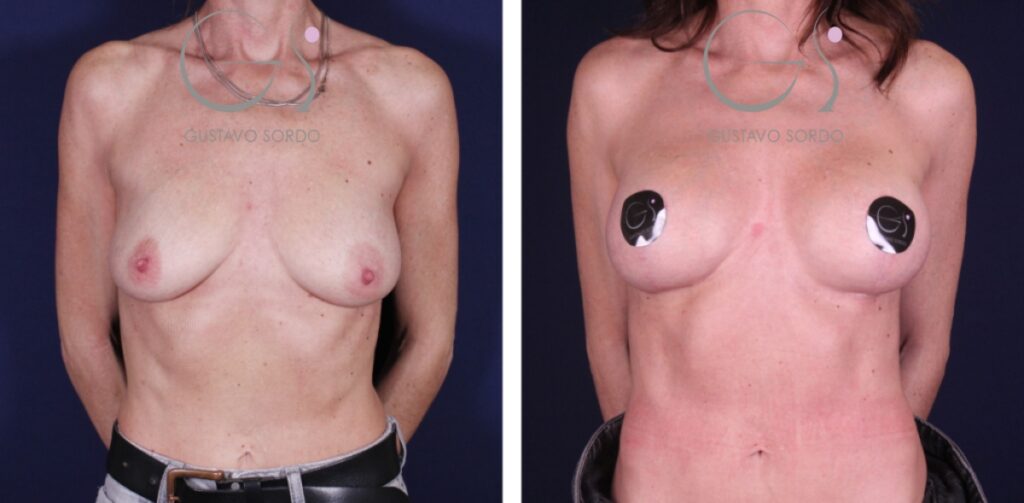
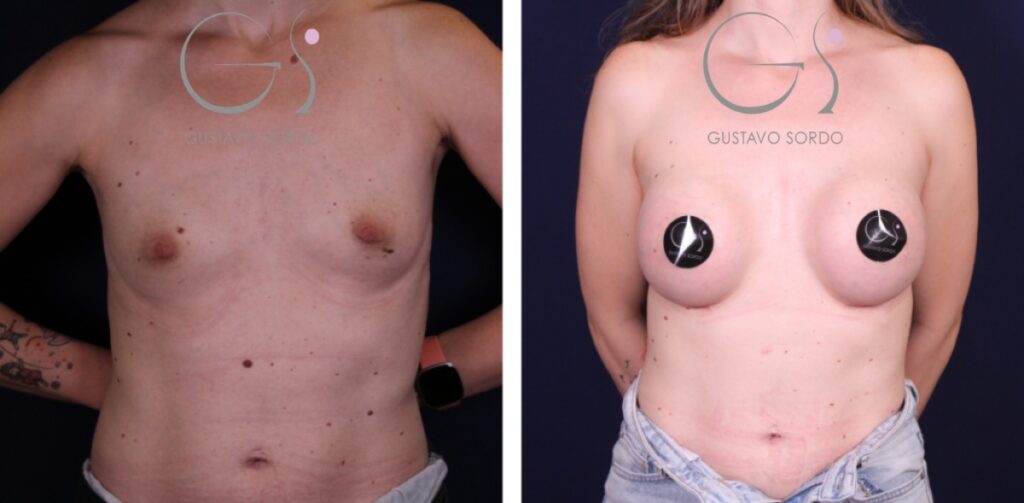
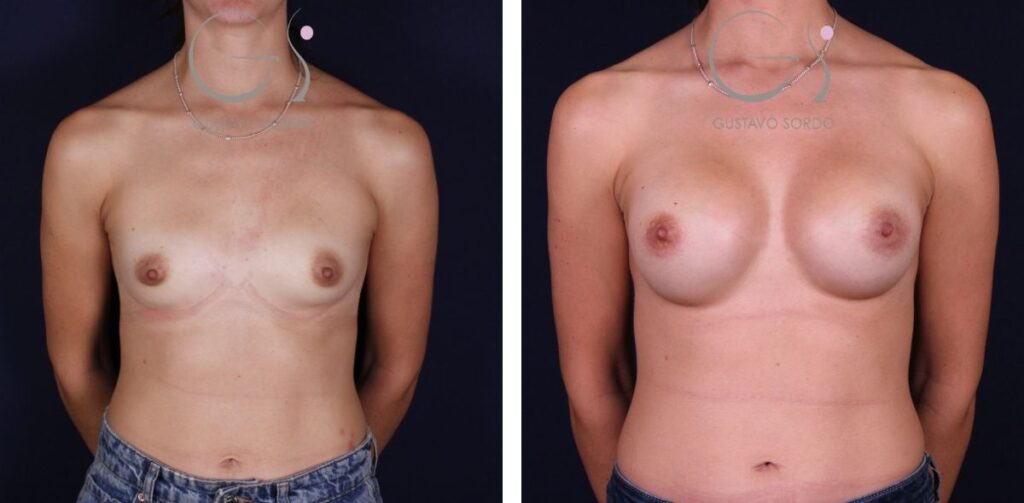
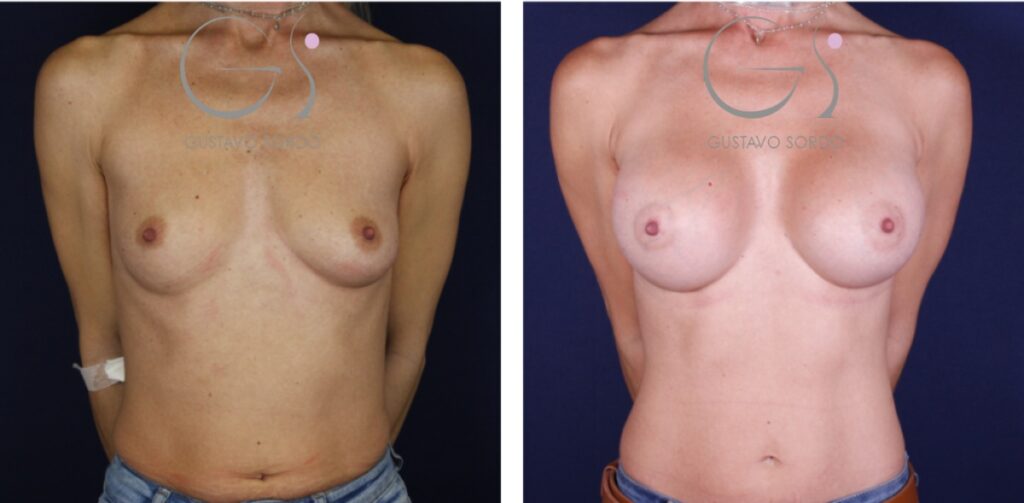
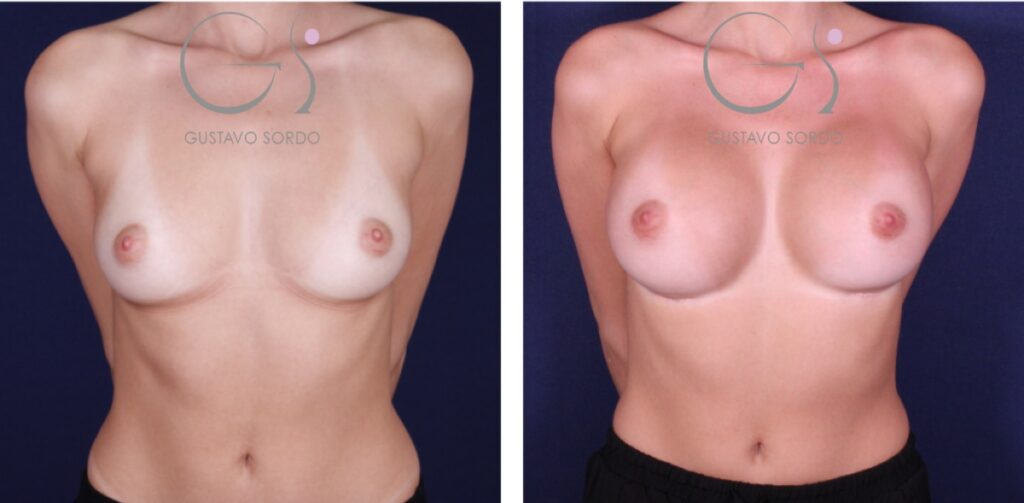
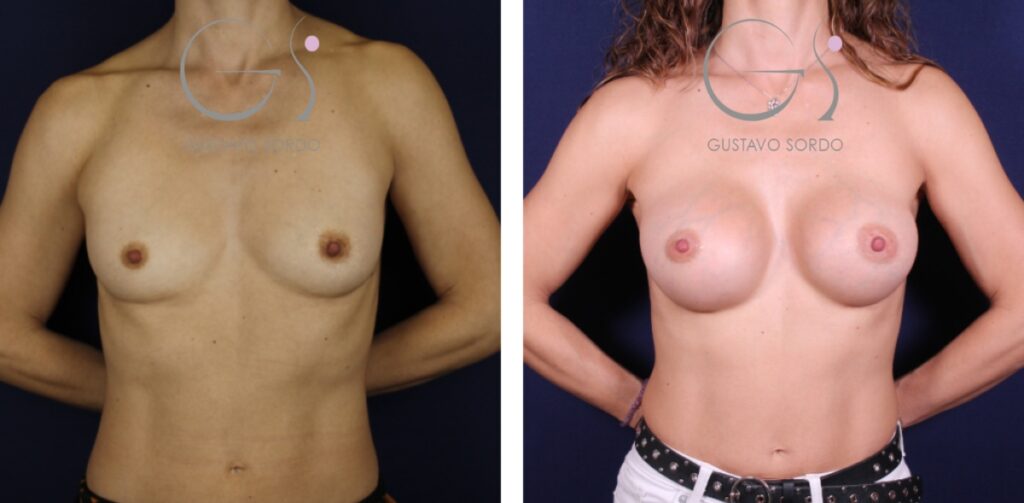
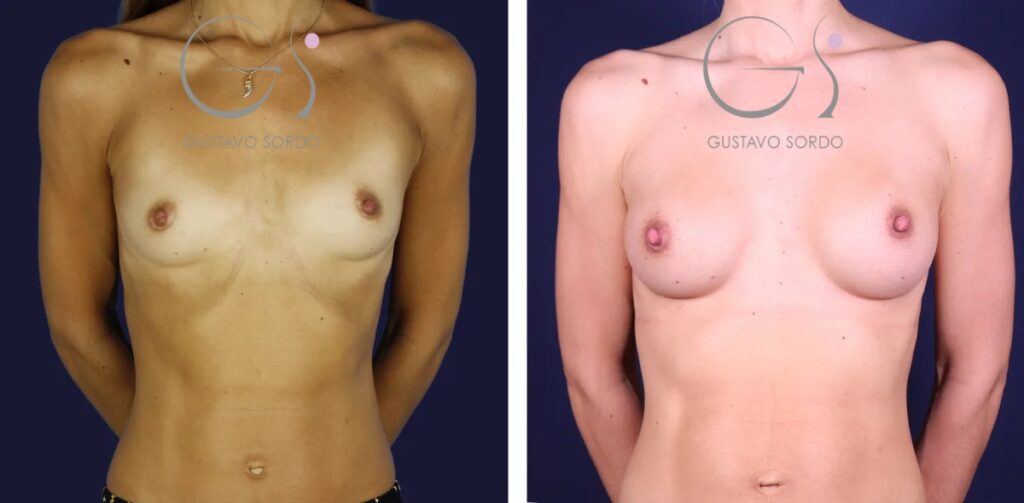
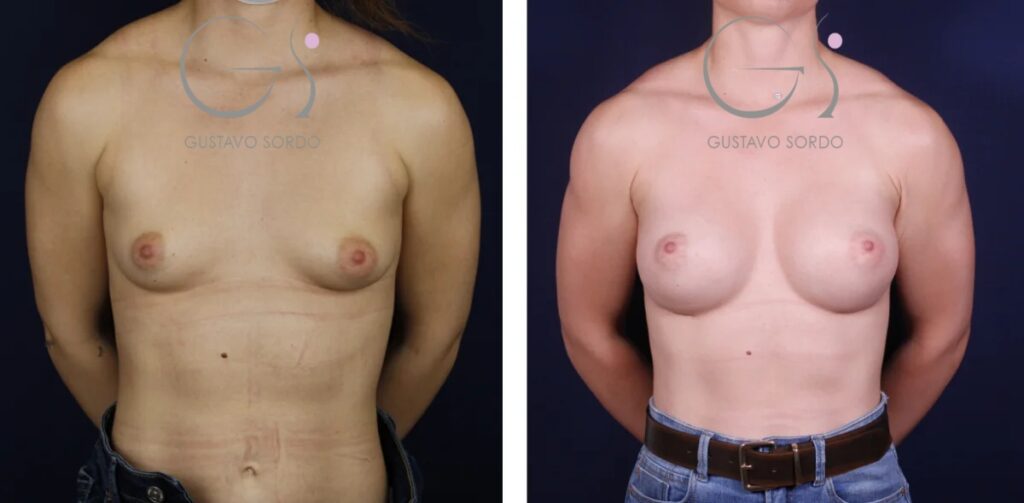
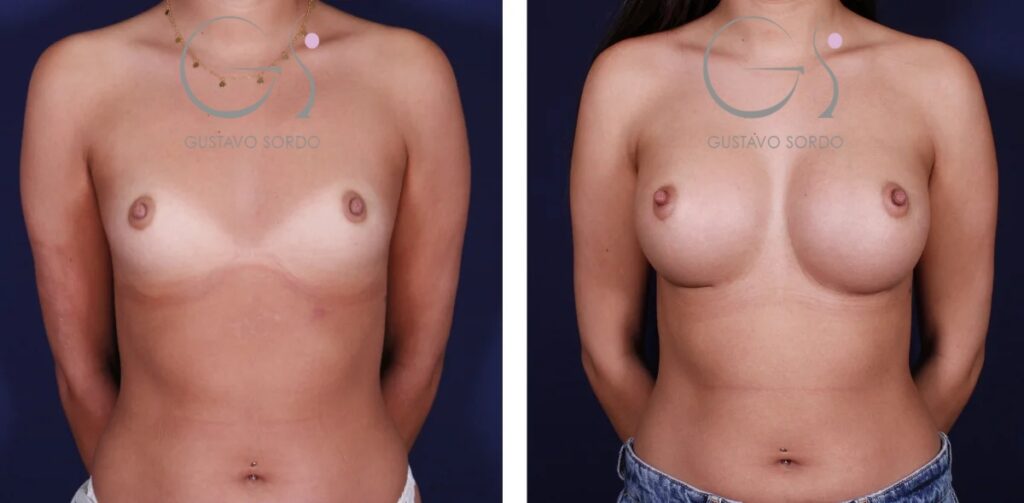
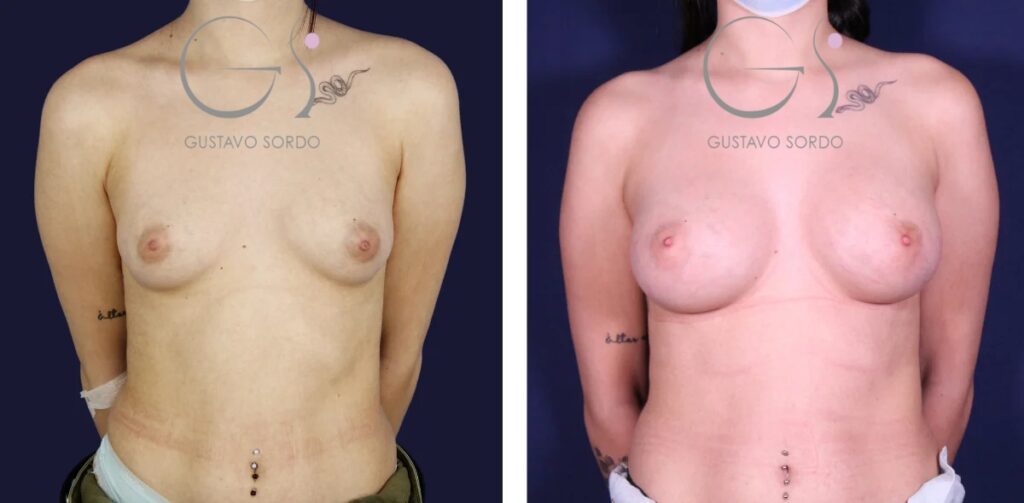
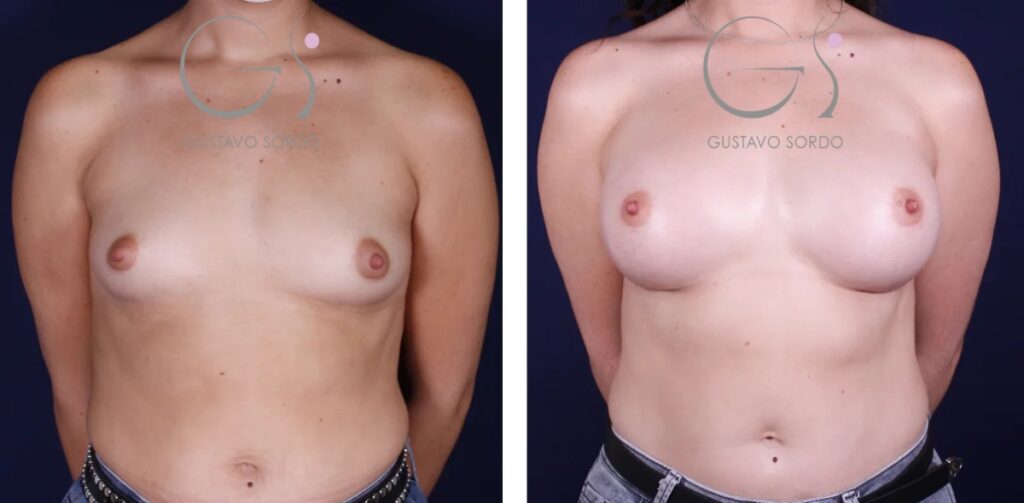
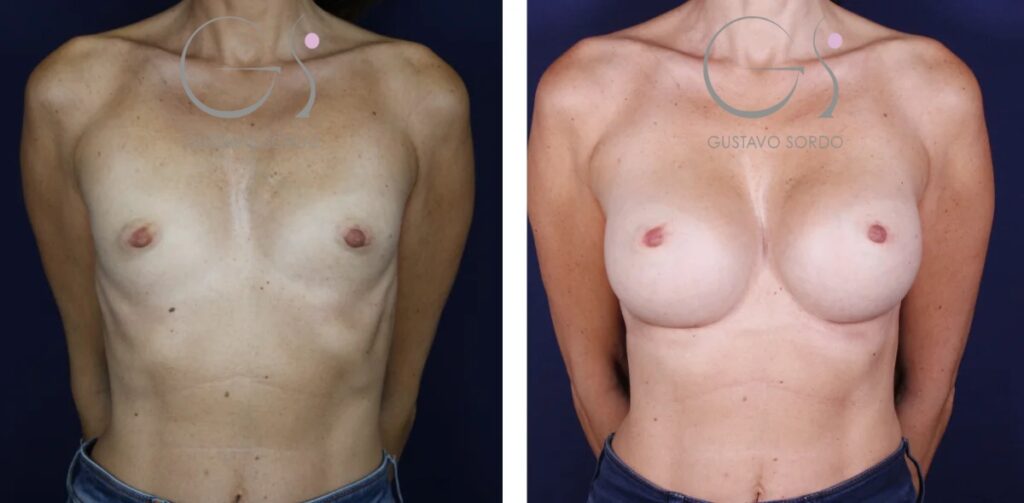
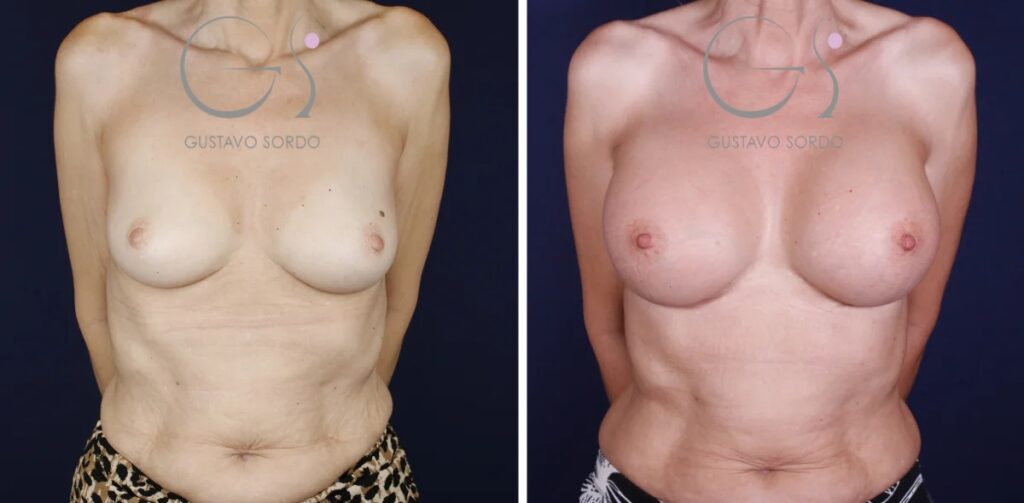
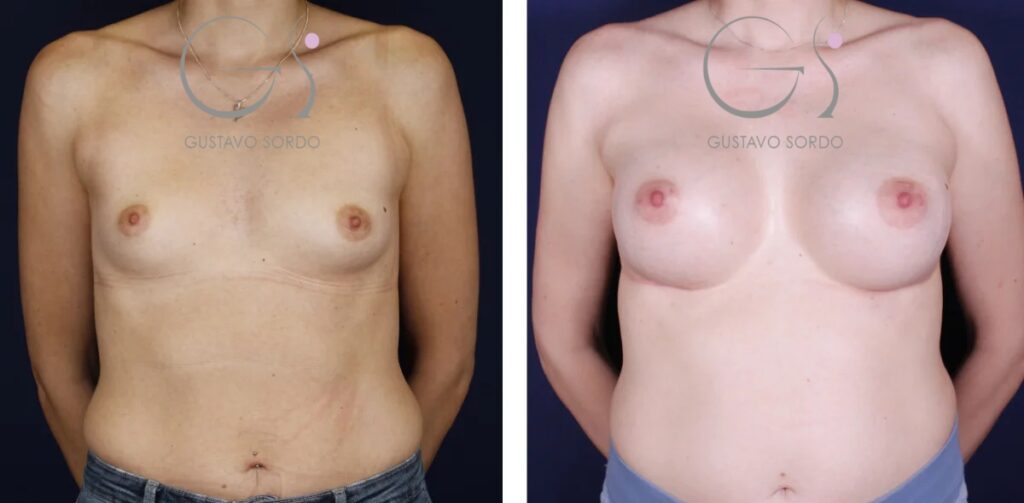
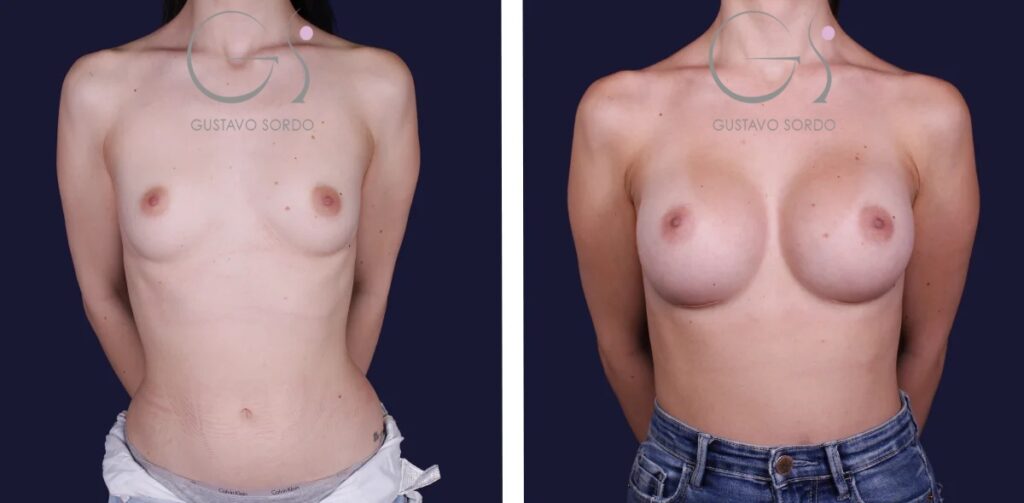
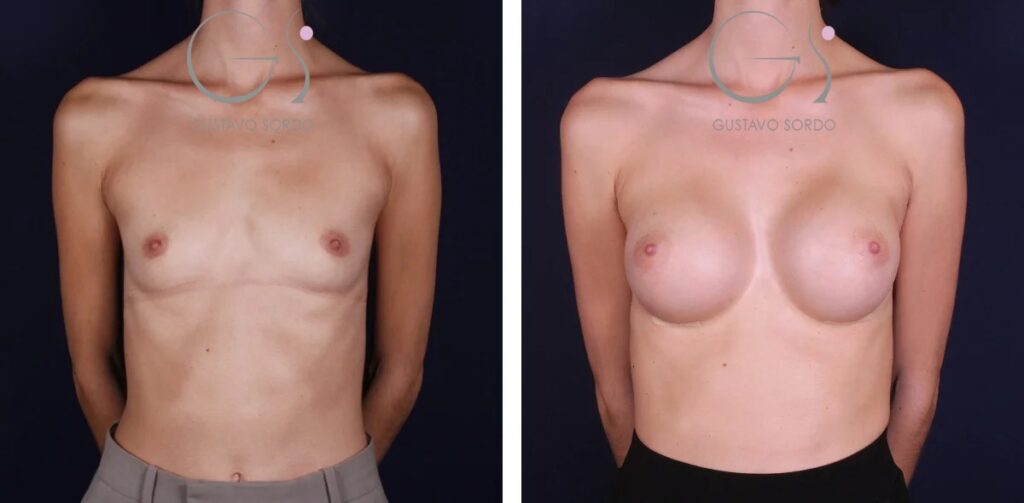
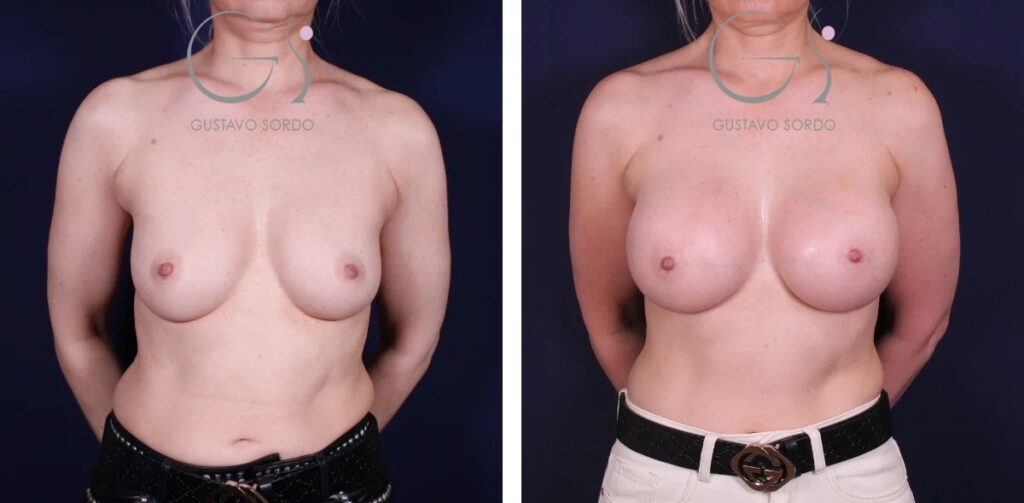
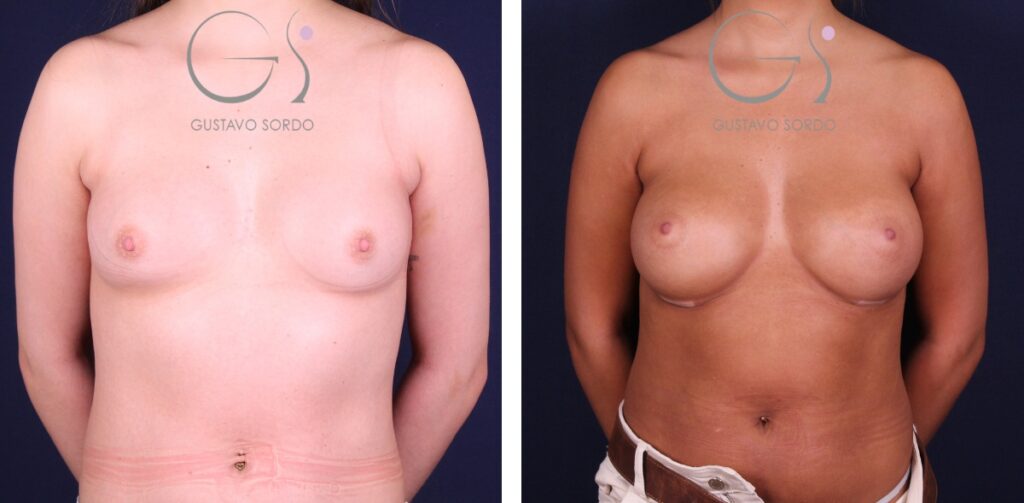
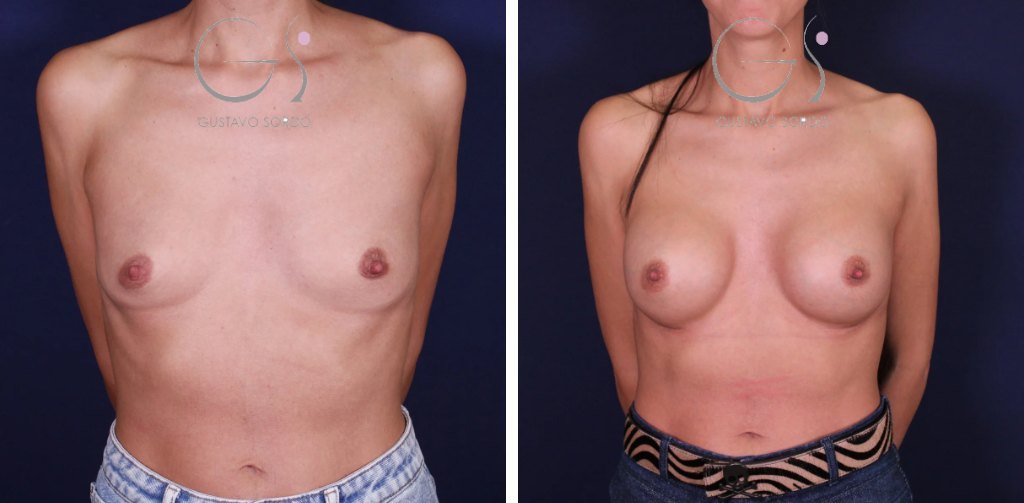
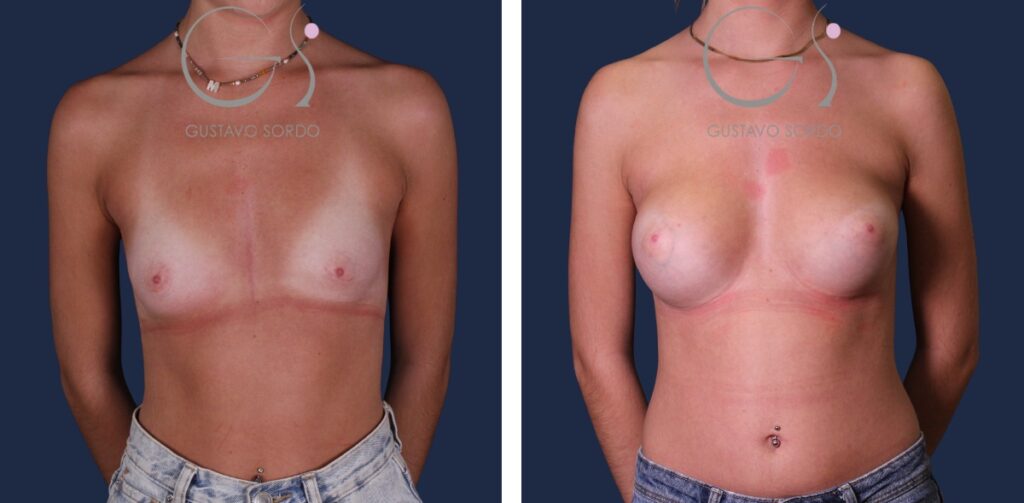
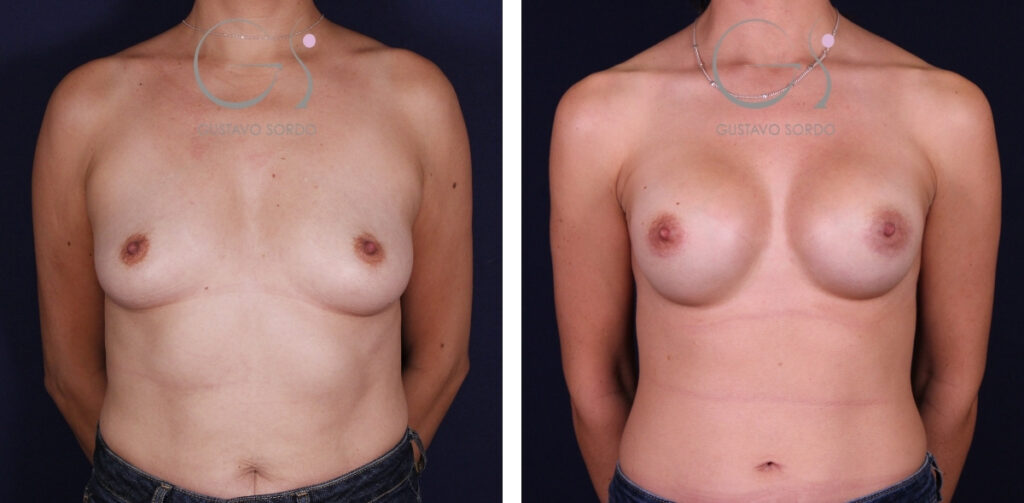
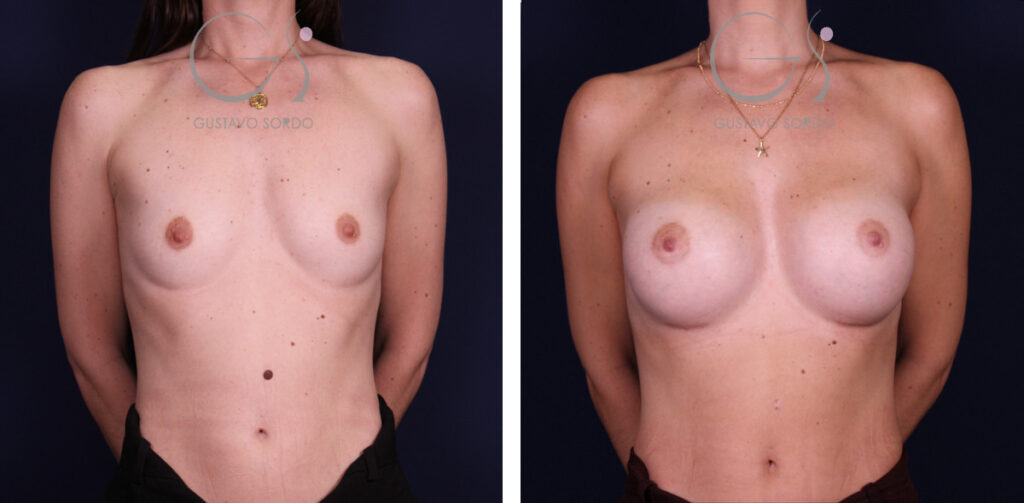
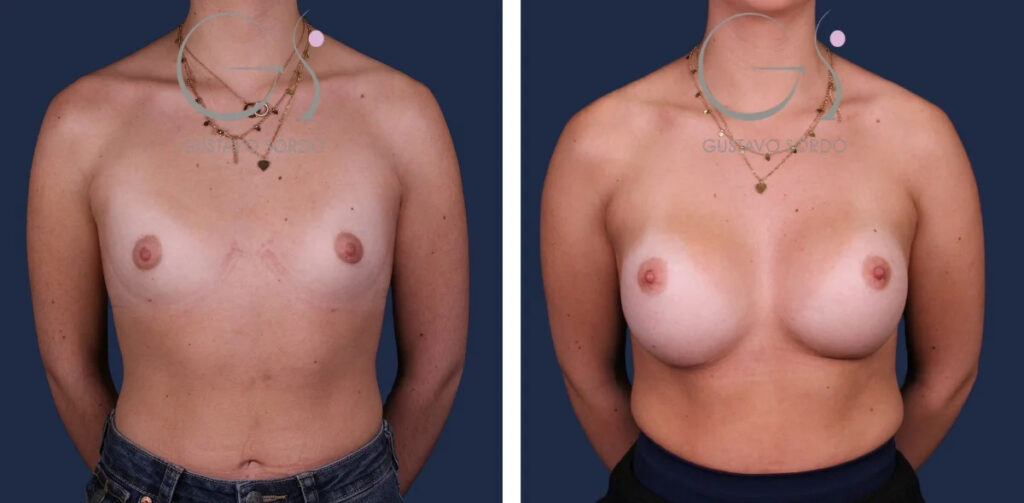
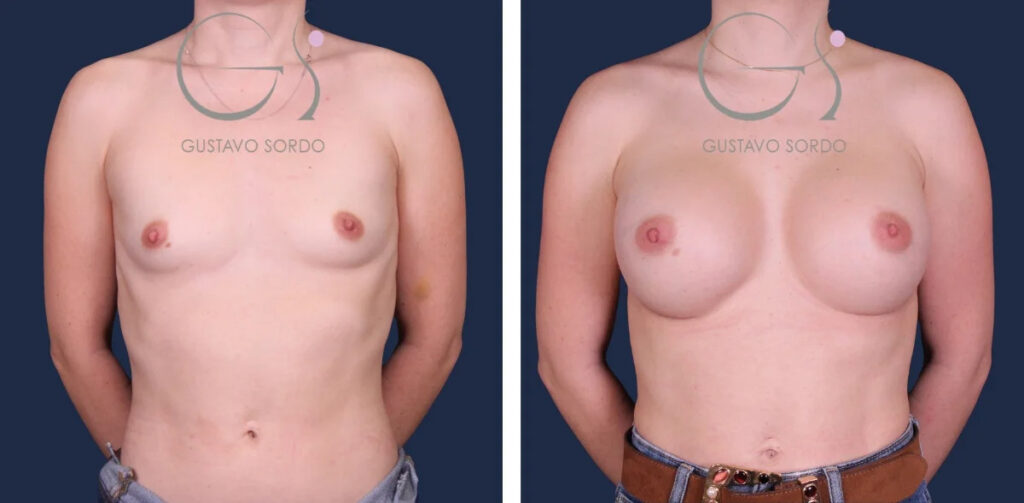
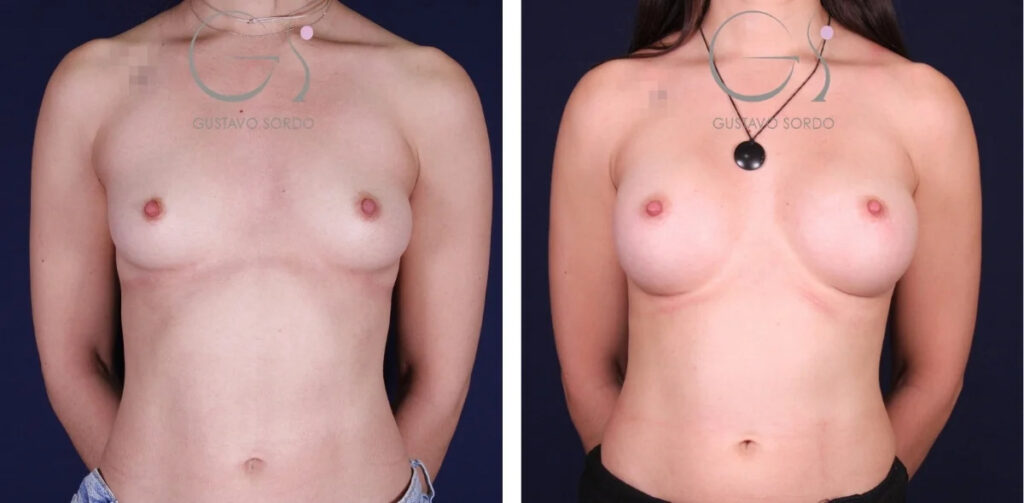
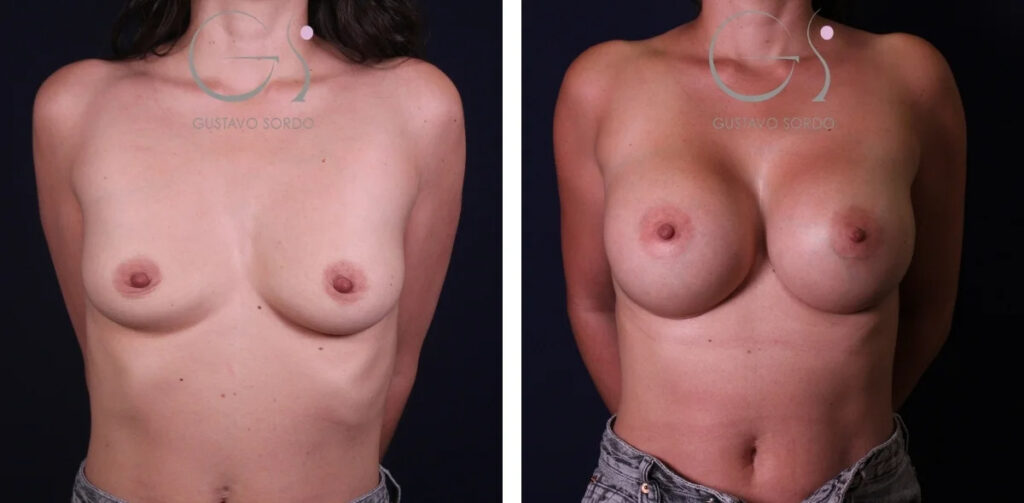
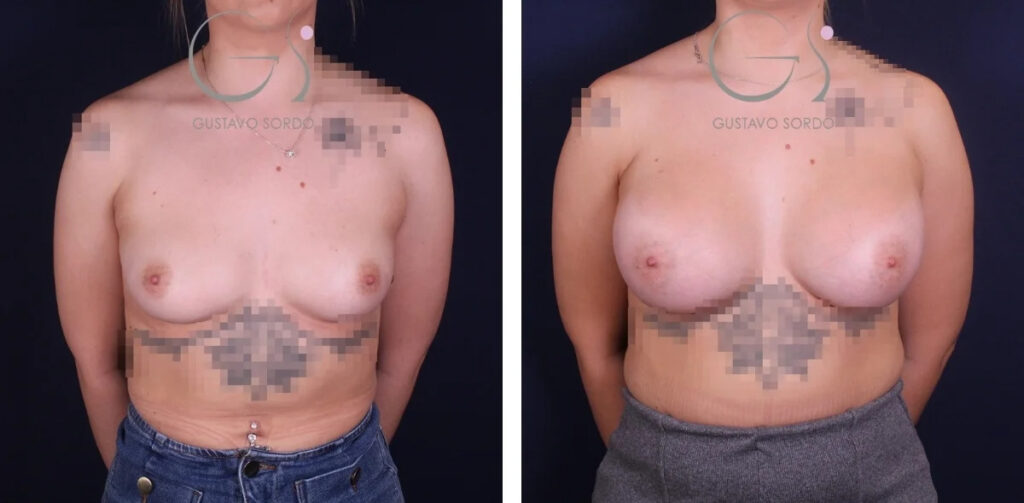
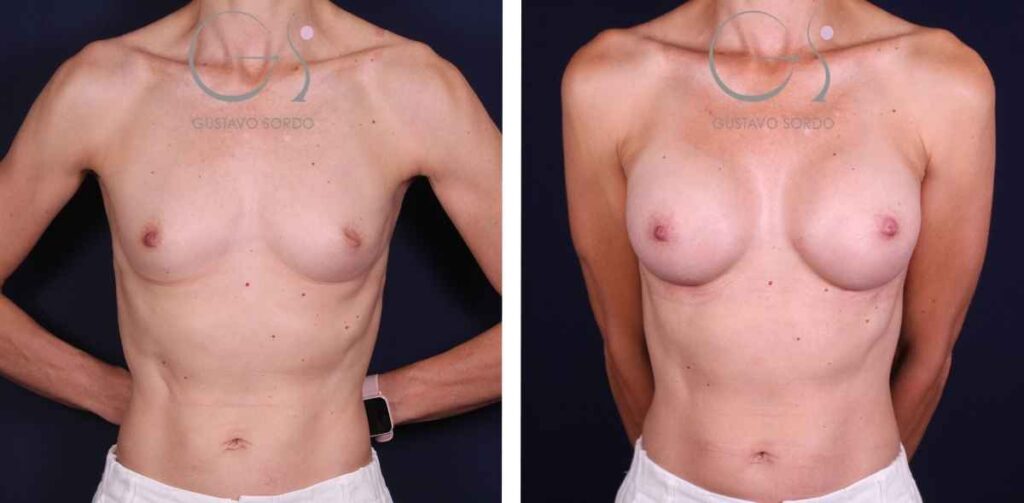
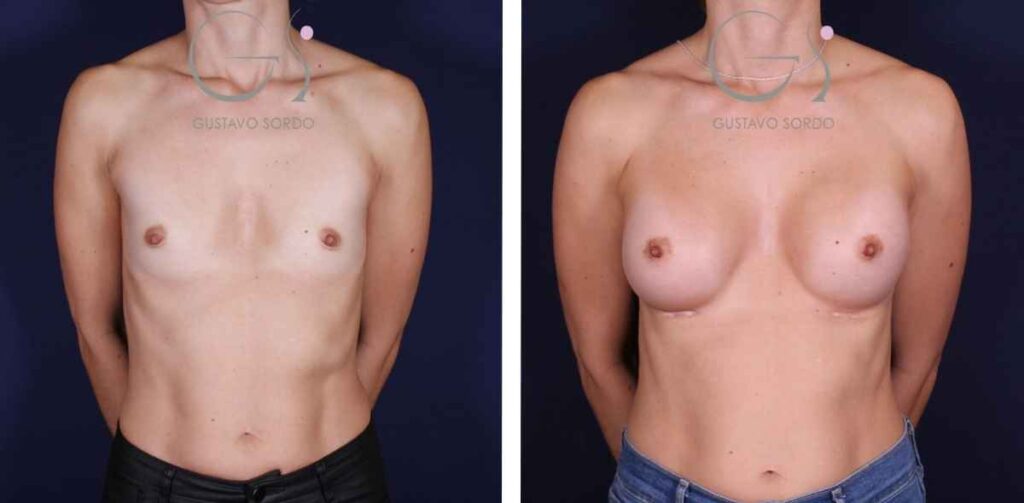
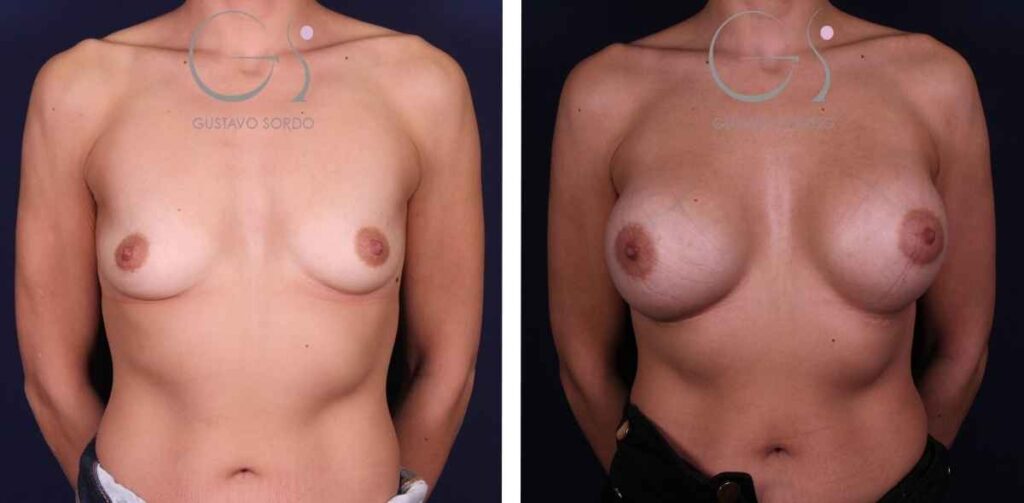
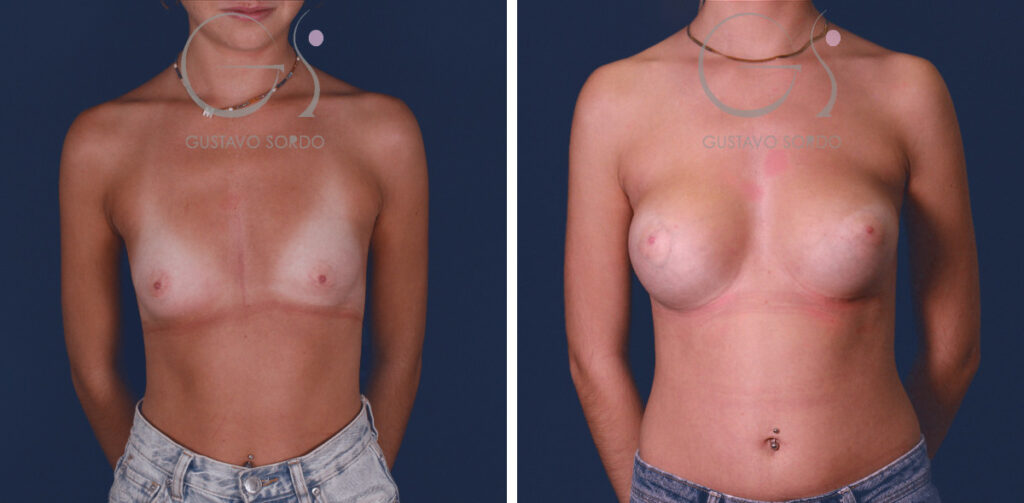
These breast augmentation surgeries in Madrid were performed with expert care. All photos show real patients and have not been retouched.
The first two cases were operated on with the PRESERVÉ breast augmentation technique, developed by Dr. Alejandro Mendieta.
Before your first consultation, you can use our breast simulator : choose the breast type most similar to yours and see real cases with a similar starting point.





































FAQs Breast Augmentation Before and After
Are these before and after images representative of actual results?
Yes, these are real cases from our clinic. We invite you to click on each one and read about the techniques used in our different natural breast augmentation cases.
Here are our most searched queries:
Breast Augmentation 225cc
Breast Augmentation 250cc
Breast Augmentation 350cc
Asymmetrical Breast Augmentation
Breast Augmentation Tubular Breasts
How long does it take to see results?
Although immediate changes can be noticed, the final results are usually seen between 3 to 6 months after surgery, when the swelling has decreased and the implants have settled into their final position.
Is there a way to predict what my breasts will look like after surgery?
Yes. During our first consultation, we will perform a body study to simulate what the most suitable breast augmentation would look like for you.
What implants do you use?
These are cohesive gel implants, which are firmer and have a more natural appearance. The choice of implant also affects the shape and projection of the breast.
When choosing a breast implant, there are several important factors to consider: the material, shape, profile and volume, which will determine both the appearance and the final size of the breast after surgery.
1. According to the Material
- Silicone: These implants are filled with silicone gel, which gives them a soft texture and a more natural appearance. They are very popular because they better mimic the appearance of breast tissue.
- Saline solution: They are filled with a saline solution, which is absorbed by the body if they break. Although they are firmer, they may look less natural in people with little breast tissue.
2. According to the Form
- Round: They are more common and create a projection in the upper part of the chest, generating a more pronounced “neckline”.
- Anatomical (or teardrop-shaped): They have a teardrop shape, which gives a more natural appearance. They are ideal for those who want a less noticeable and soft-looking augmentation.
3. According to the Profile
- Low Profile: Provides minimal projection and is ideal for those looking for a subtle change.
- Moderate Profile: It gives an intermediate projection, and is usually the preferred choice for a natural result.
- High and Extra High Profile: They offer greater projection without adding much volume to the base, ideal for those who want a visible and pronounced effect.
4. According to Volume
- Small Volume Implants (100 cc – 250 cc): They provide a subtle increase, ideal for those looking for discreet changes.
- Medium Volume Implants (255 cc – 400 cc): They are ideal for a noticeable increase without being too bulky, balanced for those who want an intermediate enhancement. You can see examples of the before and after 255cc
- Large Volume Implants (400 cc and up): They generate a significant change and are suitable for those looking for a high volume result.
Each 10cc or 20cc increment can make a significant difference in the final result. For example, you can choose from sizes such as 255cc, 275cc or 300cc to precisely fine-tune your desired volume.
5. According to the Texture
- Smooth: They have a smooth surface that allows for greater mobility, which can help the implant feel and look more natural.
- Textured: They have a rough surface that helps the tissue to adhere better to the implant, reducing the risk of capsular contracture. However, their use has decreased in some areas due to health considerations.
Summary : Choosing the ideal implant should be based on your aesthetic goals, your body shape, the amount of existing breast tissue, and your surgeon's recommendations to achieve a harmonious and safe result.
Other before and afters that may interest you
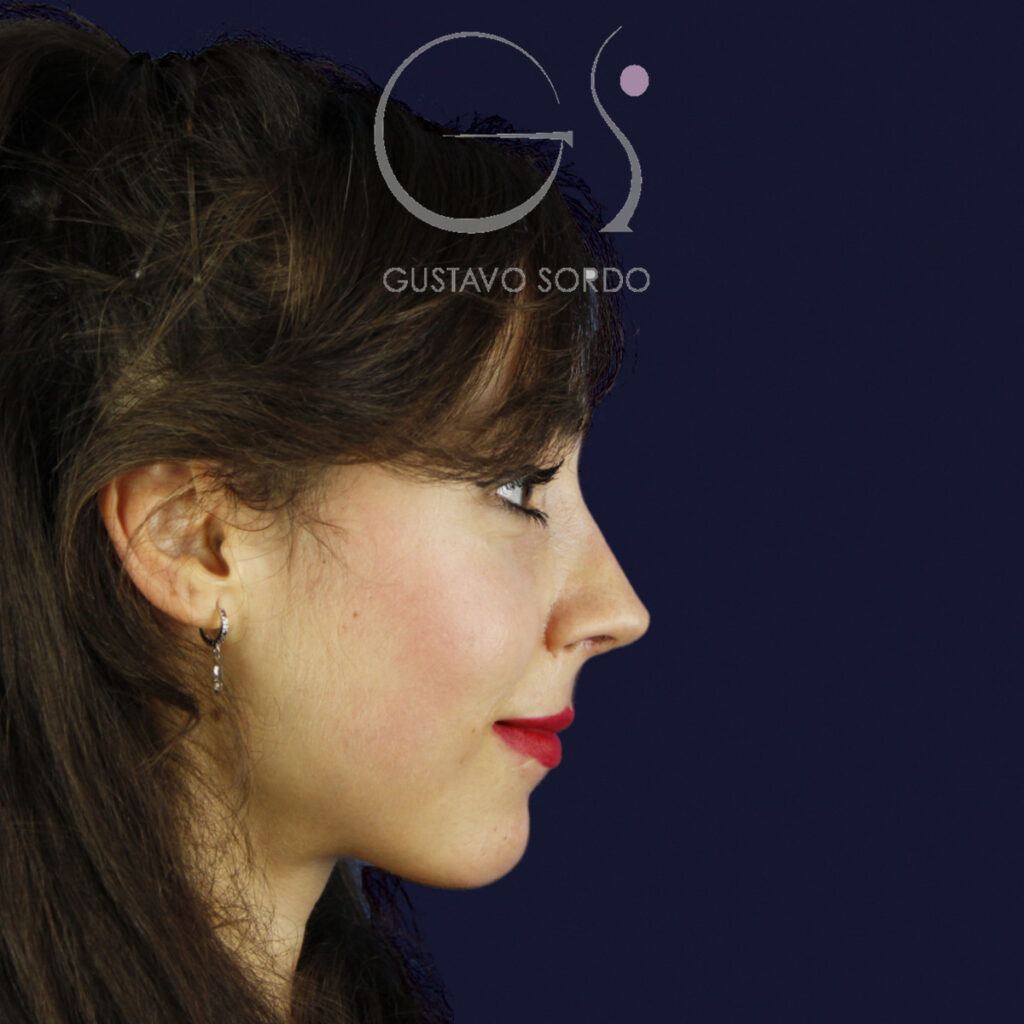
Ultrasonic rhinoplasty

Lipofiling

Liposuction

Increasing of buttocks
How we perform the "24h Recovery Laser" augmentation: five steps that are repeated in all cases
The name appears on all our breast augmentation information sheets, but until now we haven't explained what's behind it. It's the same technique for all patients, regardless of the implant they choose. What changes from case to case is the implant and the type of dual plane; what doesn't change are these five steps.
- Incision in the inframammary fold. This approach allows for more precise preparation of the pocket and placement of the implant without penetrating the gland. The scar is hidden in the crease under the breast.
- Subpectoral plane, in dual plane. The implant is placed beneath the pectoral muscle at the top and beneath the gland at the bottom: the muscle covers the upper pole, where the implant's edge would be most noticeable, and the gland adapts to the implant at the lower pole. There are three types of dual-plane implants, described by Tebbetts (I, II, and III), depending on the degree of muscle release; in most of our patients, we use type I, and in some, type II (Tebbetts JB). Plast Reconstr Surg. 2001, DOI).
- Internal bra: the groove reconstructed from within. A 3/0 polydioxanone suture anchors Scarpa's fascia to the anterior rectus fascia and reconstructs the inframammary fold, acting as an internal support. The goal is twofold: to prevent the implant from descending over time and to ensure that the scar, anchored to the fold, does not shift.
- The lateral fascial triangle, intact. Between the serratus anterior, the border of the rectus abdominis, and the lateral border of the pectoralis major, there is a triangle of fascia that remains untouched. Preserving this triangle is what creates the push-up effect: the breasts are held in the center instead of sagging to the sides.
- UrgoTouch laser on the incision, at the end. It's the "Laser" in the name. Before leaving the operating room, with the wound already closed, a laser is applied to the suture line to modulate healing from the very beginning. The technique is known as LASH (laser-assisted skin healing) and has been described since 2001; in the comparative trial that evaluated it, the treated half of each incision was flatter and better rated at one year than the untreated half, in a small series and with a dose that must be carefully adjusted (Capon A et al. Aesthetic Plast Surg. 2010, DOIIt doesn't make the scar disappear: it helps to make it more discreet.
From that point on, the postoperative period follows the clinic's protocol. And the implant, round or anatomical, is chosen by each patient during a consultation, comparing the two options in a 3D simulation.
Breast augmentation cases using the PRESERVÉ technique
The PRESERVÉ technique is performed at the clinic by Dr. Alejandro Mendieta . The implant is placed in front of the pectoral muscle, under sedation and local anesthesia.
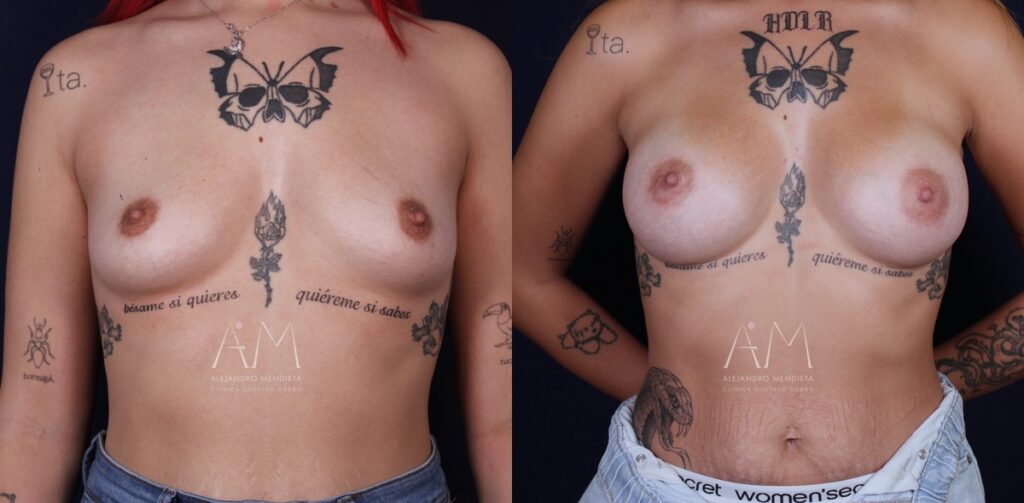
27-year-old woman · 275 cc full projection · result at 7 months
43-year-old woman · 275 cc full projection · result at 5 months
Do you want to know if this can be done in your case?
The first consultation is with Dr. Sordo, either at the Chamberí clinic or via video consultation. You'll leave knowing if you're a candidate, which technique is right for you, and how much it costs.
Dr. Gustavo Sordo · Member No. 282858125 · Plastic, Aesthetic and Reconstructive Surgery · Madrid