Aesthetic Tourism: Everything You Need to Know

Reviewed by Dr. Gustavo Sordo, plastic surgeon
Aesthetic tourism has emerged from the combination of a desire for a new look and a passion for travel. This type of tourism involves traveling to a destination with the primary goal of undergoing medical and surgical aesthetic procedures, combining the tourist experience with the pursuit of well-being and confidence. This article is your ultimate guide to understanding and planning your trip in 2026.
What is aesthetic tourism?
Cosmetic tourism is a specific type of medical tourism that focuses exclusively on treatments designed to improve physical appearance. Cosmetic tourism encompasses elective cosmetic surgery procedures, and its appeal lies in the opportunity to access high-quality services, often using cutting-edge technology, at better prices than in one's home country, all while traveling to recover in a pleasant and discreet environment.
Why it has become a global trend: Advantages
The exponential growth of this practice is due to a combination of social, economic, and technological factors.
economic accessibility
The price difference between countries is key. The same procedure can cost between 40% and 70% less in popular destinations, even including travel and accommodation expenses. This expands access to treatments that are prohibitively expensive for many in other countries.
Technological advances and specialization
Many destinations have positioned themselves as centers of excellence in plastic surgery, investing in cutting-edge technology and training internationally renowned surgeons. Patients seek out specific experts regardless of their geographic location.
Discretion and holiday recovery period
Traveling allows for recovery away from the everyday environment, offering privacy. Furthermore, the post-operative period can be experienced like a relaxing vacation in a hotel or apartment, free from immediate work or social pressures.
all inclusive packages
There are specialized clinics and agencies that offer comprehensive packages combining airport transfers, medical consultations, surgery, post-operative accommodation, nursing care, and even light sightseeing tours. This greatly simplifies logistics for international patients.
Difference between medical tourism and aesthetic tourism
Although these terms are often used interchangeably, there is a key distinction. Medical tourism encompasses any trip to receive healthcare, with health as the primary motivation. Cosmetic tourism, on the other hand, focuses solely on elective cosmetic procedures, where the main motivation is aesthetic enhancement and self-esteem. While the former typically prioritizes hospital reputation in complex medical specialties, the latter focuses more on the surgeon's artistry and the visual results.
Main aesthetic treatments and procedures
The selection is vast and caters to different needs and budgets.
invasive surgeries
These are the most requested procedures. They include liposuction, breast augmentation, rhinoplasty , and abdominoplasty. They typically require a longer recovery period, ideally for stays of 2 to 3 weeks.
Minimally invasive procedures
Their popularity is booming, and the most popular treatments include botulinum toxin injections for wrinkles, hyaluronic acid dermal fillers, thread lifts for facelifts, and laser liposuction. Many patients combine these procedures with their vacations.
Non-surgical body and facial treatments
These treatments include technologies such as radiofrequency for firming, cryolipolysis for reducing localized fat, lasers for facial rejuvenation and tattoo or hair removal, and chemical peels. They are ideal for touch-ups during short trips.
You may be interested in: ultrasonic rhinoplasty.
Most popular destinations for beauty tourism
The choice of destination depends on the procedure, the budget, and the patient's profile.
Türkiye and Mexico
They lead the global market thanks to their combination of competitive prices, high quality, and a wide range of tourist offerings. Istanbul is the world capital of rhinoplasty and hair transplantation, while cities like Mexico City attract a huge North and Latin American market.
Thailand and South Korea
Thailand is a classic choice for its excellent value and hospitality. South Korea is the epicenter of facial plastic surgery and high-precision procedures, with a specialized and technologically advanced industry.
Spain and other European destinations
Spain is positioning itself as a top-tier destination in Europe, standing out for the quality of its professionals and its healthcare standards. Barcelona, Madrid, and Valencia attract patients seeking the security of the European medical system without the prices of countries like Switzerland or the United Kingdom. Other emerging destinations include the United Arab Emirates.
In this context, Dr. Gustavo Sordo's Plastic Surgery Clinic in Madrid stands out as a national center of excellence. In addition to his expertise in body and facial surgery, Dr. Sordo, a plastic surgeon in Madrid , is renowned for his rhinoplasty techniques, including traditional rhinoplasty and the innovative ultrasonic rhinoplasty technique , along with other plastic and cosmetic surgeries . His approach combines technical precision, safety, and deeply compassionate care, providing each patient with the care and transparency they deserve.
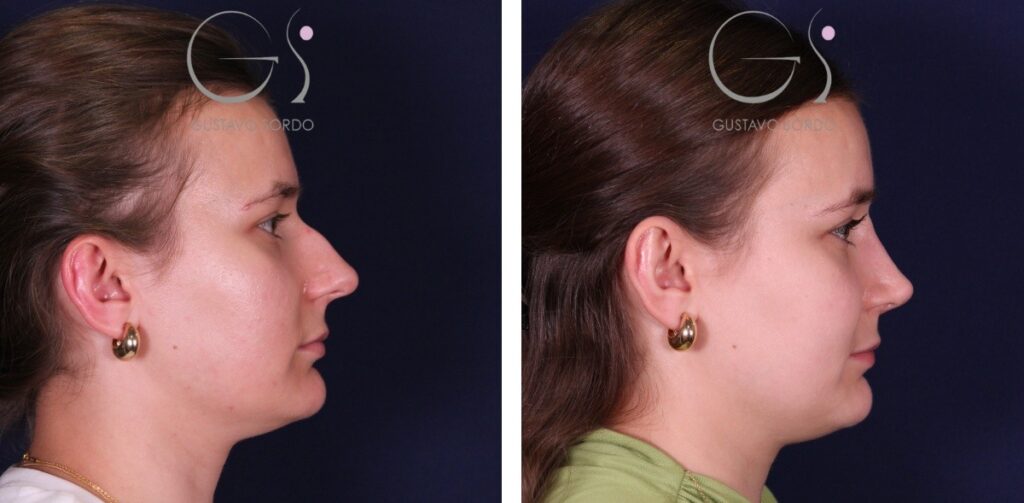
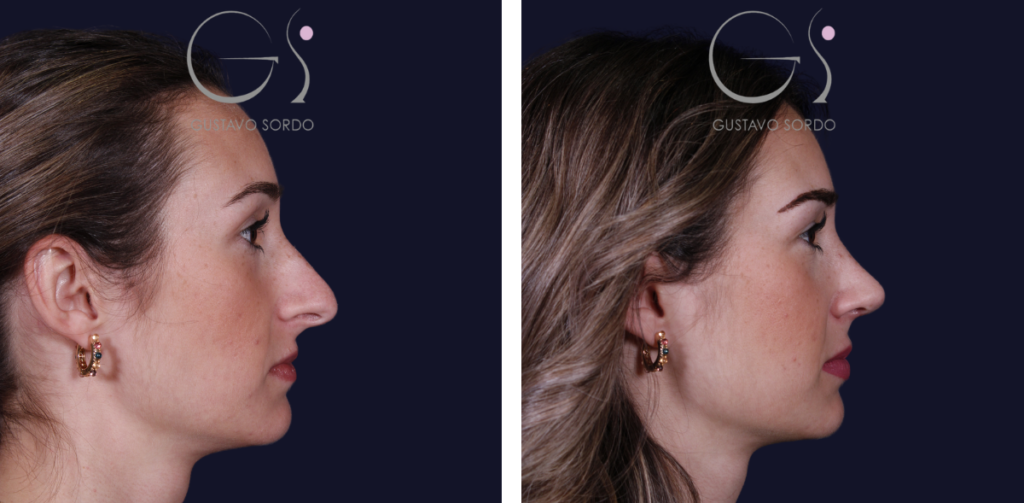
We recommend you take a look at our before and after rhinoplasty cases.
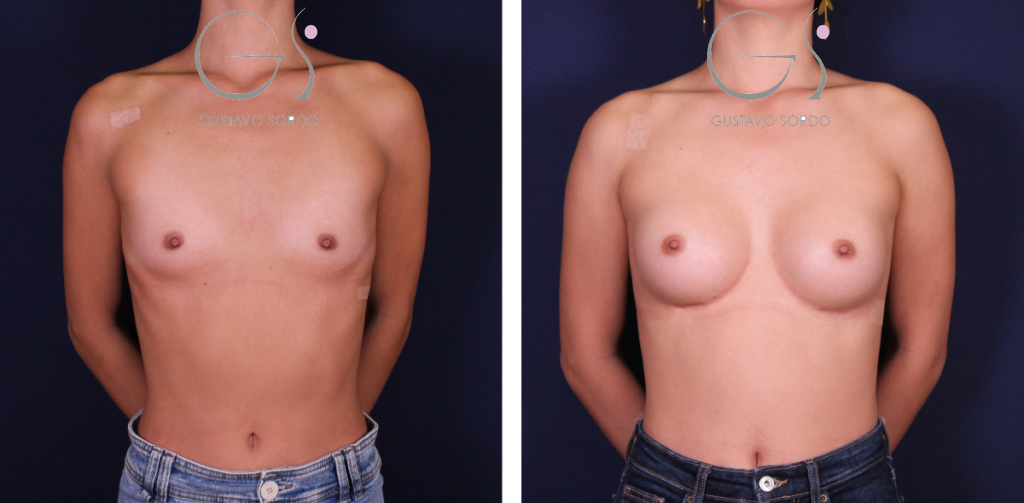
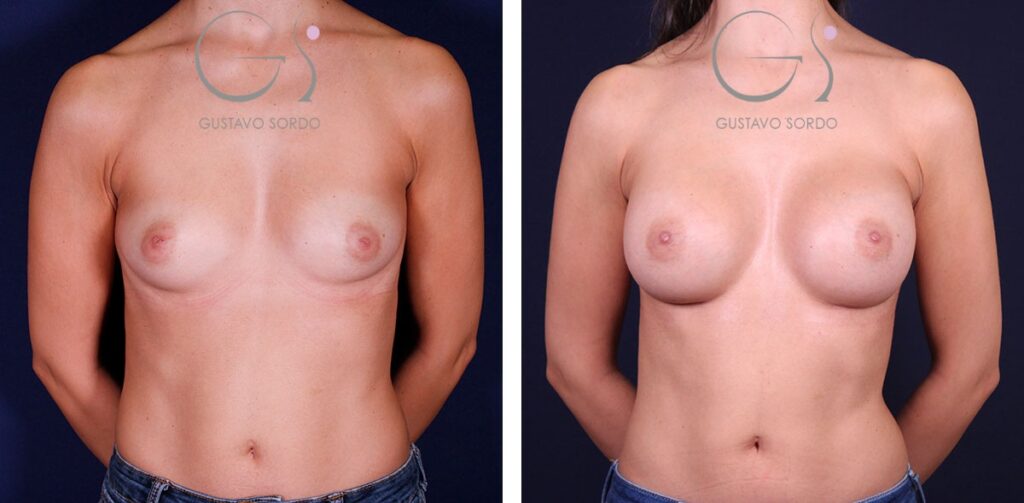
We recommend you check out our before and after breast augmentation cases.
How much does beauty tourism cost: Updated prices 2026
Prices are dynamic, but large regional differences will remain in place by 2026.
Price range by country and procedure
- Breast augmentation: $3,500 – $5,000 USD (USA) vs. $1,800 – $2,500 USD (Mexico/Türkiye) vs. €6.400 (Spain).
- Rhinoplasty: $8,000 – $15,000 USD (USA) vs. $2,000 – $3,500 USD (Turkey/Iran) vs. €10.040 at our clinic (Spain), fixed price and all-inclusive.
- Botulinum toxin (by area): $300 – $500 USD (USA/UK) vs. $100 – $200 USD (Mexico/Colombia) vs. €150 – €250 USD (Spain).
Factors that influence the final price
Several factors influence the price, including the surgeon's fees, which depend on their reputation and experience; the complexity of the procedure, the type of anesthesia used, and the quality of the clinic and its staff; the length of stay, the type of accommodation, and the package included; and whether transfers, a private nurse, or follow-up appointments are provided.
How to plan a low-cost beauty tourism trip
Looking for economical options is valid, but it should never compromise safety.
exhaustive investigation
Beyond price, research international accreditations, reviews from previous patients, and the surgeon's specific background. Don't rely solely on photos from the website.
Previous virtual consultations
A reputable clinic will offer video consultations to assess you, discuss realistic expectations, and provide a detailed written estimate. Be wary of those who offer prices without having seen you.
Travel during the off-season and book flights in advance.
Saving on flights and accommodation during the off-season can significantly reduce the overall cost. Consider apartment-style accommodations with basic amenities for your recovery.
Factors to consider when choosing the ideal destination
What worries us most about cosmetic tourism isn't the surgery itself, but what comes after: the follow-up . Surgery doesn't end when the patient leaves the operating room. In a rhinoplasty, for example, drains must be removed the next day, Doyle retainers and a splint applied on the seventh day, a second splint applied, a check-up scheduled for a month later, and any incipient fibrosis treated promptly. All of this is impossible to do properly remotely, and it's precisely what separates a good result from a mediocre one.
Therein lies the real problem: when complications arise, the patient returns home with no one to take over their case, and the surgeons who treat them later are left with a surgery they didn't perform and no information about it. Therefore, if someone decides to have surgery abroad, our advice is specific: confirm the surgeon's qualifications—that they are a specialist in Plastic, Aesthetic, and Reconstructive Surgery—find out who will be providing follow-up care and where, and don't travel back home prematurely. With secondary rhinoplasties and breast revisions, it's also important to know that repairs cost more than getting the procedure right the first time.
Reputation and health regulations of the country
She prefers countries with strict regulations for the practice of cosmetic surgery. Membership in international plastic surgery societies is a good sign.
Language and post-operative support
Make sure there is clear communication. Many clinics offer bilingual coordinators, and it's crucial to verify what support is available after surgery, both at your destination and upon your return, and consider contacting the surgeon.
Travel logistics and recovery
Consider the flight distance; long flights can be risky. Evaluate the destination's climate; extreme heat can affect recovery. And consider how easy it will be to get around afterward.
Risks of this alternative and how to avoid them
Extremely low cost carries high risks, as medical societies and reports warn, tripling serious surgical complications.
Medical complications and poor follow-up
Infections, unsatisfactory results, or thromboembolic problems are real risks. To avoid them, choose a board-certified surgeon and a clinic with hospital-grade surgical protocols, and plan for a stay recommended by your doctor.
Scams and deceptive advertising
Edited photos, unrealistic promises, and fake websites are common. To avoid this, ask to see real before-and-after photos from the same surgeon. Verify that the doctor is registered in your country's official registry.
Legal problems and lack of coverage
If something goes wrong, filing a lawsuit in another country is complicated. Your health insurance probably won't cover complications from elective surgery abroad. To avoid this, purchase international health insurance that specifically covers cosmetic surgery complications.
You may be interested in: differences between plastic, cosmetic and reconstructive surgery.
Frequently Asked Questions (FAQs)
Which is the best country for cosmetic surgery?
There isn't just one; it depends on the procedure. Turkey for rhinoplasty and hair transplants, South Korea for facial surgery, Mexico and Colombia for the Latin/Hispanic market, and Spain for those who prioritize safety and European standards.
Which countries have the highest rates of cosmetic surgery?
According to data from international societies, the United States, Brazil, Japan, Italy, Mexico, Germany, Turkey, and Spain are among the countries with the highest volume of cosmetic procedures.
In which country is cosmetic surgery cheapest?
Generally, the lowest prices are found in Southeast Asian countries and some in Eastern Europe and Latin America. However, the lowest cost does not always equate to the best quality-risk ratio.
How to choose a safe destination and clinic for cosmetic tourism?
Look for international accreditations, surgeons who are members of ISAPS or recognized national societies, verifiable opinions and testimonials in independent forums, and full transparency in budget and risks.
What can a low-cost aesthetic tourism package include?
A safe, basic package should include pre-operative consultations, professional fees, operating room use, implants, one night's hospital stay, basic medications, and some post-operative check-ups. Low-cost options often cut corners on implant quality, surgeon experience, or post-operative support.
Conclusion
Aesthetic tourism is a great option for those seeking to enhance their appearance with high-quality services on a global scale. Its success depends on meticulous planning that always prioritizes safety. In 2026, with a developed and competitive market, information is your greatest ally. Whatever destination you choose, remember that you are investing in your well-being and self-image. Conduct thorough research, choose accredited professionals, and never underestimate the importance of an adequate recovery period. A well-planned trip can be an experience of self-care and complete renewal.
Continue reading
Dr. Gustavo Sordo
Specialist in Plastic, Aesthetic and Reconstructive Surgery. Member No. 282858125.
Content clinically reviewed by Dr. Gustavo Sordo. Last review: November 2, 2026.
Do you want to know if this can be done in your case?
The first consultation is with Dr. Sordo, either at the Chamberí clinic or via video consultation. You'll leave knowing if you're a candidate, which technique is right for you, and how much it costs.
Dr. Gustavo Sordo · Member No. 282858125 · Plastic, Aesthetic and Reconstructive Surgery · Madrid