Types of Nipples: What They Are, Characteristics, and Solutions

Updated on • Reviewed by Dr. Gustavo Sordo, plastic surgeon
Nipples are a fundamental part of human anatomy, present in both men and women, although their function and characteristics may vary depending on sex, genetics, and life stage. Beyond their biological role in breastfeeding, nipples have aesthetic, cultural, and even erotic significance, making them an area of the body that generates curiosity, doubt, and, in some cases, insecurities.
If the nipple is part of a sagging breast or other alteration, it is assessed in consultation; the options and price of mastopexy in Madrid (€8.600-€10.400) are on their website.
Throughout history, the perception of nipples has evolved from being considered solely as a means of infant feeding to becoming a symbol of sensuality and beauty. However, many people are unaware that there is a wide variety of nipple shapes, sizes, and positions, and that these differences are completely normal.
In this article, we'll explore in depth the different types of nipples, their anatomical characteristics, and the reasons why they may vary. We'll also discuss when these differences can be a sign of a health problem and what solutions, both medical and cosmetic, exist for those who wish to modify their appearance or function.
What are nipples and what is their function?

The nipples are cylindrical or conical structures located in the center of the mammary areolas. They are composed of smooth muscle tissue, sebaceous glands, and a network of nerve endings that make them highly sensitive. Their main function is related to reproduction and lactation, since in women, the nipples act as the exit point for the milk ducts, which transport milk from the mammary glands to the baby during breastfeeding.
The anatomical structure of the nipple is composed of muscular tissue, which allows the nipple to erect in response to stimuli such as cold, touch, or sexual arousal; the lactiferous ducts, which in women are responsible for transporting milk from the mammary glands to the exterior; the nerve endings that provide sensitivity, making them an erogenous zone for many people; and the Montgomery glands, which are small protuberances in the areola that secrete lubricating and protective substances during lactation.
While the primary role of nipples is to facilitate feeding of the newborn, they also have other functions, such as sexual sensitivity, as their stimulation can generate pleasure due to the high concentration of nerves; thermoregulation, as in some cases nipple contraction can help conserve body heat; and they function as a health indicator, as changes in their appearance can be a sign of medical conditions that require attention.
Types of nipples
Normal or protruding nipples
These are the most common nipples and are characterized by protruding slightly from the areola, even at rest. When stimulated (by cold, touch, or arousal), they become more erect.
Flat nipples
These nipples neither protrude nor retract, but remain level with the areola. In some cases, they may rise with stimulation, but return to their flat state afterward.
Inverted (umbilical) nipples
Inverted nipples retract into the breast instead of protruding. This occurs due to a shortening of the milk ducts. There are three degrees of inversion. In grade 1, the nipple may erupt with manual or cold stimulation; in grade 2, the nipple may erupt with effort but tends to retract again; and in grade 3, the nipple is completely inverted and does not erupt with stimulation.
The most common reason for consultation is inverted nipples , and it's worth explaining why this occurs: the milk ducts are shortened and pull the nipple inward. The correction involves releasing these shortened ducts through a small incision at the base of the nipple and securing the result with an internal suture. The severity matters: in mild cases, it's possible to try to preserve the ducts—which maintains the possibility of breastfeeding—while in severe cases, they must be severed to ensure a lasting result.
It's a short surgery, performed under local anesthesia , with a quick recovery, but with one important caveat: there is a real recurrence rate , especially if the goal is to preserve the ducts at all costs. That's why it's best to mention it beforehand. And when an inverted nipple is accompanied by a large areola or sagging, it makes sense to plan the procedures together, not separately.
Unilateral inverted nipples
In this case, only one nipple is inverted, while the other is normal or flat. This can be a congenital condition or acquired due to hormonal changes or previous surgeries.
Swollen or enlarged nipples
Some nipples may appear more prominent than normal, sometimes accompanied by a larger areola. This may be due to genetic factors, pregnancy, or hormonal changes.
Lumpy nipples (Montgomery's tubercles)
The areolas have small glands called Montgomery tubercles, which may be more or less visible. In some cases, these bumps are more prominent, which is normal and does not pose a health problem.
Why are there different types of nipples?
Variations in nipple shape, size, and position are the result of a combination of genetic, hormonal, and environmental factors. These variations don't usually pose a health problem, but understanding their causes can help distinguish between normal changes and those that require medical evaluation.
Genetics
Family history is one of the most important factors in determining nipple appearance. It's common for parents and children, or siblings, to share similar characteristics, such as flat, protruding, or inverted nipples.
Age
Over time, nipples can undergo significant changes. For example, during puberty, women's nipples become more prominent. During pregnancy and breastfeeding, nipples increase in size and may temporarily darken. And during menopause, the loss of collagen and elasticity can cause nipples to flatten or recede.
Hormonal changes
Hormonal fluctuations, especially in estrogen and progesterone, influence the appearance of the nipples. Therefore, during the menstrual cycle, they may swell or become more sensitive before or during menstruation. The use of contraceptives can cause temporary changes in their size or color. Furthermore, hormone replacement therapy can alter their firmness and shape in postmenopausal women.
Medical disorders and conditions
Some pathological conditions can alter the structure of the nipple. For example, infections such as mastitis cause inflammation, pain, and, in severe cases, abscesses. Breast cancer can cause sudden retraction, scaling, or bloody discharge, which are warning signs. Previous trauma or surgery may reveal scarring or damage to the ducts, which can affect their shape.
You may also be interested in: types of breasts.
How do you know if something is wrong with your nipples?
Although most nipple variations are normal, certain changes may indicate an underlying health problem. It's important to perform regular self-examinations and consult a specialist if you experience signs such as abnormal discharge, including yellow, greenish, bloody, or pus-like fluid; persistent pain with discomfort that doesn't go away or worsens over time; changes in texture such as scaly, ulcerated, or crusty skin (which are possible signs of Paget's disease); sudden retraction (a previously normal nipple that droops for no apparent reason); and redness and swelling, which may indicate infection or inflammation.
You should see a doctor if the changes are asymmetrical, if there are accompanying lumps in the breast or armpit, or if symptoms do not improve within one or two weeks.
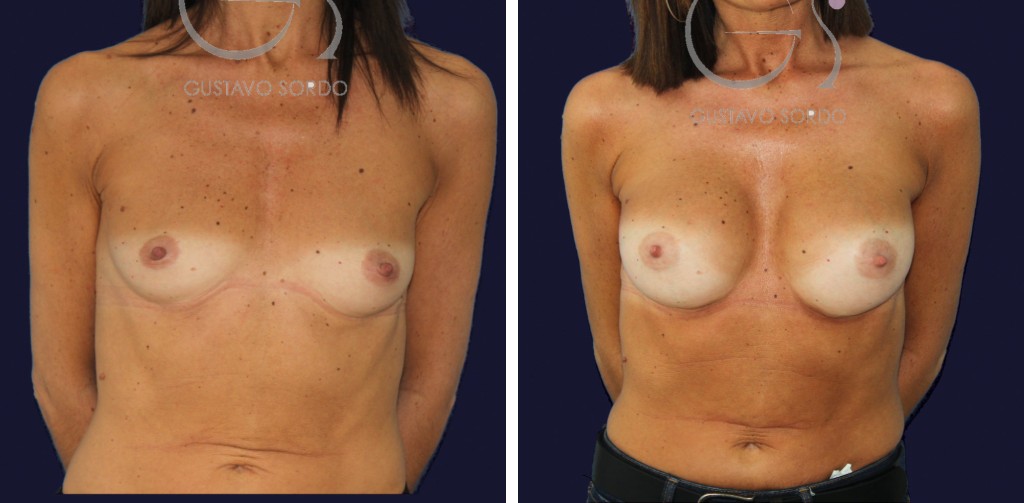
Solutions for nipples with aesthetic or functional alterations
Correction of inverted nipples
It is performed through outpatient surgery that releases the milk ducts to allow the nipple to protrude.
Nipple size reduction
It is used in cases where the nipple is too large, either due to genetics or post-lactation changes.
Nipple reconstruction
It is commonly necessary after a mastectomy; this surgery recreates the nipple and areola using grafts or tattoos.
areola reduction
If the areola is very large, areola reduction can be performed through minor surgery to improve breast aesthetics.
Considerations before choosing a treatment
Whether you are considering cosmetic or functional nipple correction, it is crucial to make an informed decision.
Consult with a specialist
You can visit a mammologist or plastic surgeon with experience in breast surgery for a personalized evaluation, as not all procedures are suitable for all cases.
Risks and benefits
Some surgeries can affect breastfeeding by damaging the milk ducts. They can also cause postoperative sensitivity that may temporarily increase or decrease, and scarring is also present, although this may vary depending on the technique.
Recovery and care
Rest periods after surgery typically range from 48 hours to a week, depending on the procedure. Special bras must be worn to prevent chafing and maintain shape, and medical follow-up is required to detect complications such as infection or necrosis.
Realistic expectations
The results of the interventions are usually progressive, as the final shape can take weeks to develop, and this is not always permanent, as some corrections, such as those of inverted nipples, can be reversed.
Frequently Asked Questions (FAQs)
Can inverted nipples be corrected without surgery?
In mild cases (grade 1), a breast pump or manual exercises can be used, but grades 2 and 3 usually require surgery.
How do I know if a change in my nipples is worrisome?
If the change is sudden, asymmetrical, or accompanied by pain or discharge, a doctor should be consulted.
Are there any risks associated with nipple augmentation surgery?
As with any surgery, infection, scarring, or loss of sensation may occur, but these are rare.
How do you know what type of nipple you have?
Its shape should be observed at rest and with stimulation. If you have any doubts, a mammologist can evaluate you more specifically.
Why does the nipple areola lighten?
This may be due to hormonal changes, pregnancy, or aging, but is normal and, in most cases, does not pose any major problems.
Conclusion
Nipples vary widely in shape, size, and projection, and most of these variations are completely normal. However, if you experience discomfort, sudden changes, or cosmetic insecurities, there are medical and surgical solutions available. The most important thing is to know your body and consult a specialist if you notice anything unusual.
If you're considering a correction, be sure to choose a qualified professional and discuss all options to make the best decision for your health and well-being.
Which of these require surgery?
Almost all the conditions mentioned in this article are normal variations and do not require surgery. However, inverted nipples and marked areola asymmetry do require surgical correction, either individually or in the same procedure as another surgery. You can see everything we do in breast surgery.
Continue reading
Dr. Gustavo Sordo
Specialist in Plastic, Aesthetic and Reconstructive Surgery. Member No. 282858125.
Content clinically reviewed by Dr. Gustavo Sordo. Last review: September 30, 2026.
Do you want to know if this can be done in your case?
The first consultation is with Dr. Sordo, either at the Chamberí clinic or via video consultation. You'll leave knowing if you're a candidate, which technique is right for you, and how much it costs.
Dr. Gustavo Sordo · Member No. 282858125 · Plastic, Aesthetic and Reconstructive Surgery · Madrid