Functional rhinoplasty in a man with a droopy tip: before and after
Case fact sheet
- Patient: Man, 48 years old
- Reason: Functional and aesthetic: he's very athletic, with a profession that requires him to train hard, and he needed a nose that could breathe well; to do sports he used to stick on a nasal strip.
- Starting nose: Drooping, drooping tip, and a small hump, smaller than it appeared; relatively low radix and very thin skin
- Technique: structural rhinoplasty with ultrasonic instrumentation, of a highly functional nature: hump reduced conservatively with ultrasound and dorsum reconstructed with spacer grafts (spreader grafts); structured tip with septal extension graft and lateral crura steal, hanging the graft domes, up to a nasolabial angle of about 100°
- Septum and turbinates: Septoplasty and turbinate reduction in the same surgery, as part of structural rhinoplasty
- Approach: Be conservative with the hump so as not to reduce the nose too much, and seek to improve breathing by repositioning the tip, with a masculine result.
- Result: seven months after the operation
- Entry: 1 night
- Anesthesia: general type TIVA
- Duration: 3 hours long.
A very athletic man, with high functional demands on his nose, a drooping tip, and a small hump. Ultrasonic structural rhinoplasty of a highly functional nature: spacers on the dorsum and repositioned tip with septal extension and lateral crura grafting.
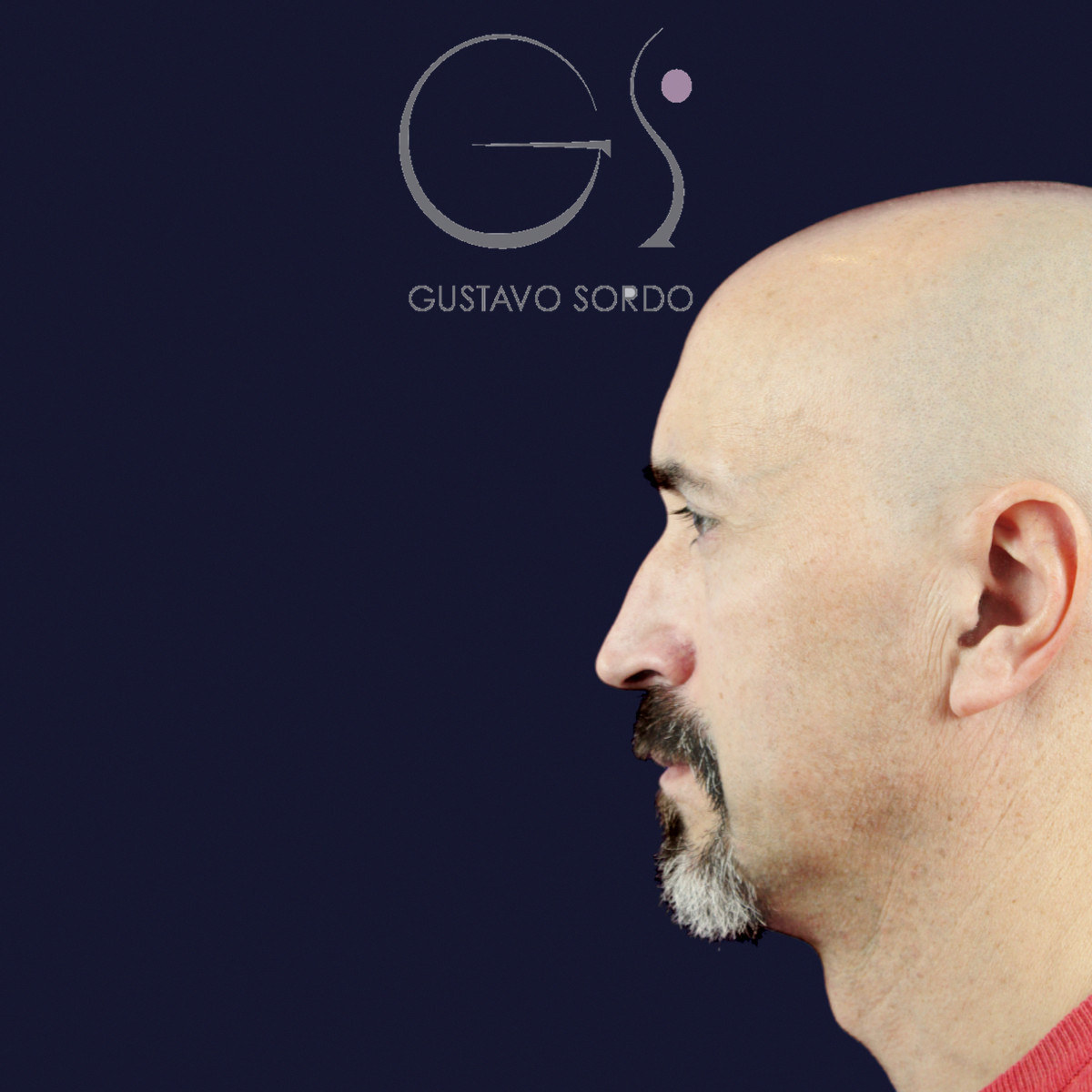
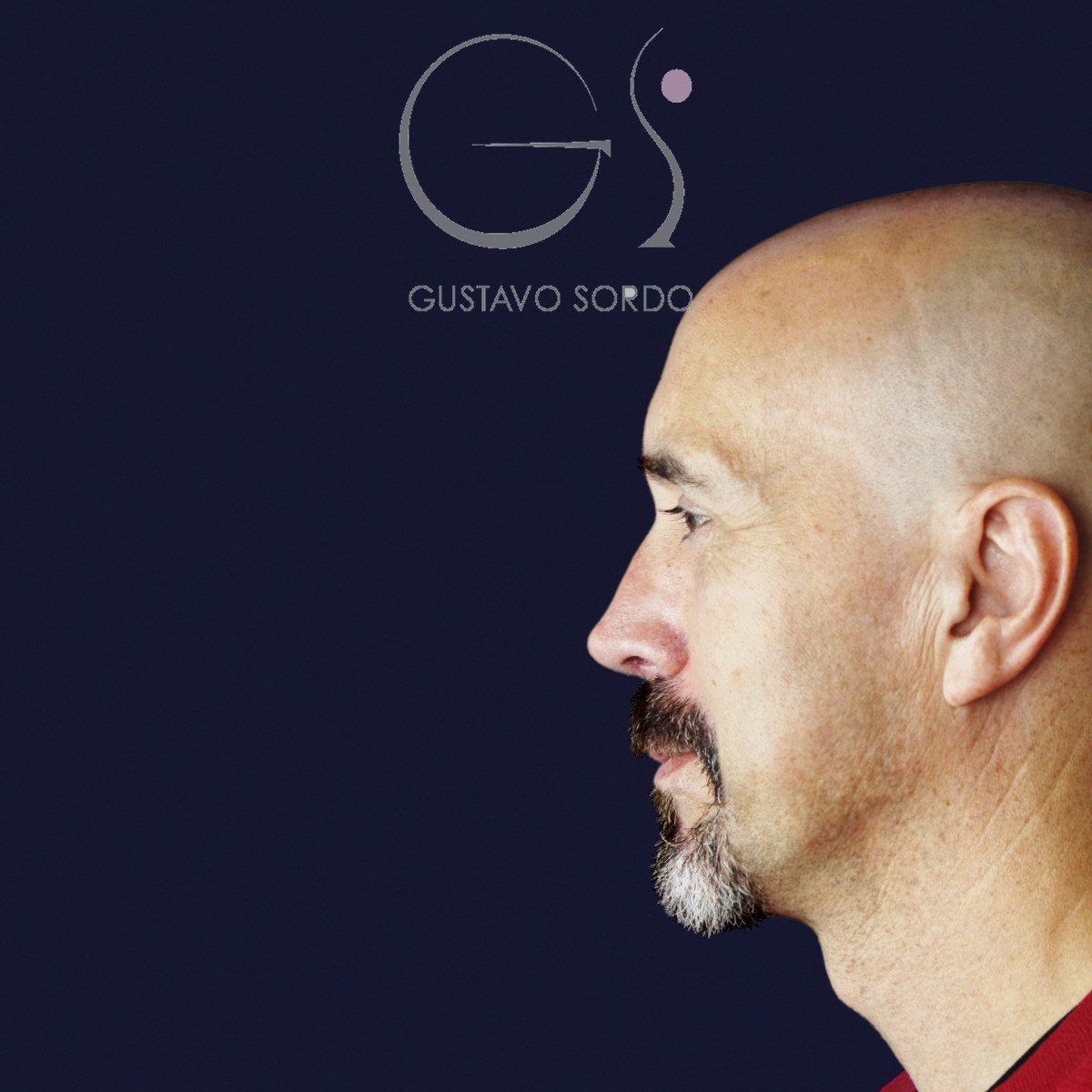
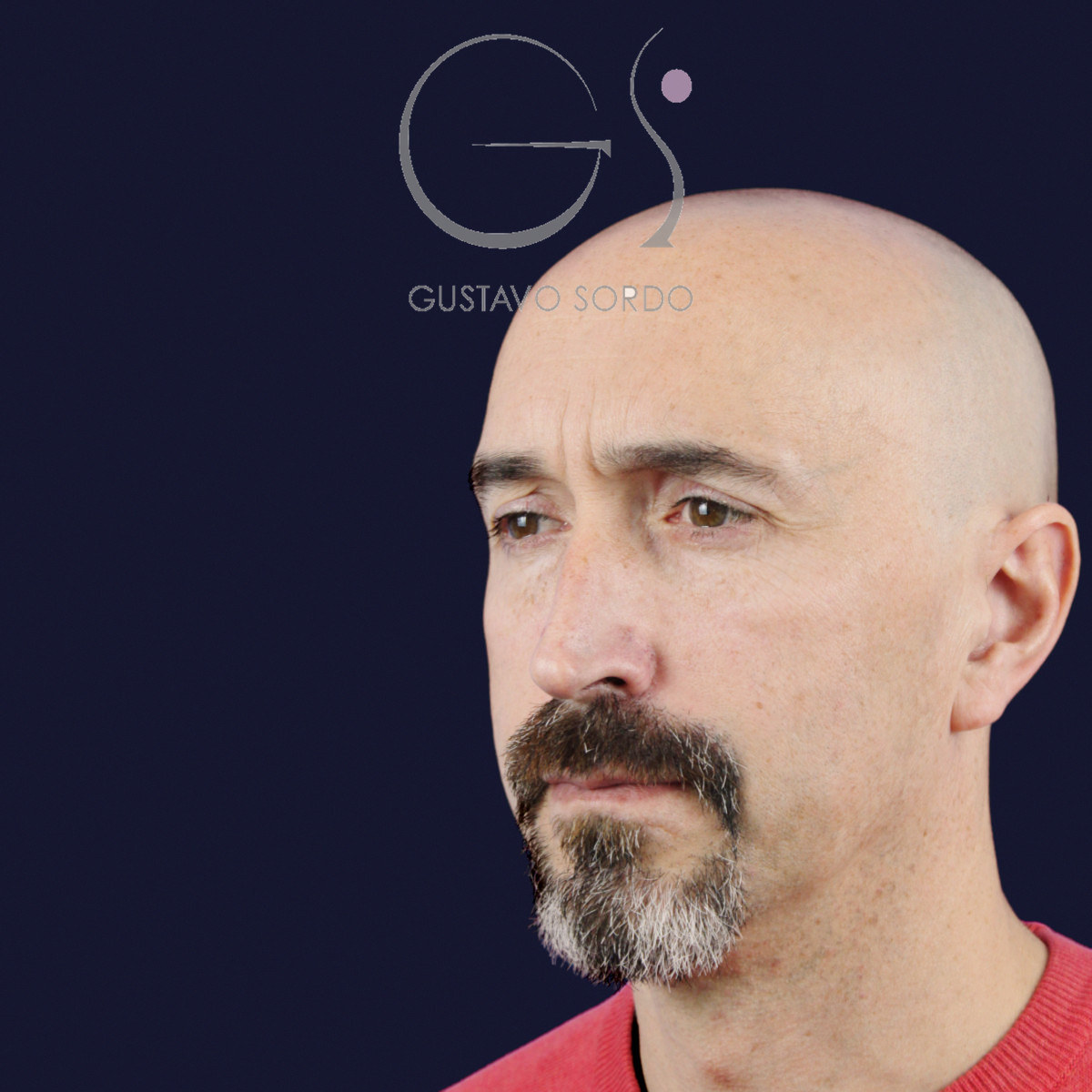
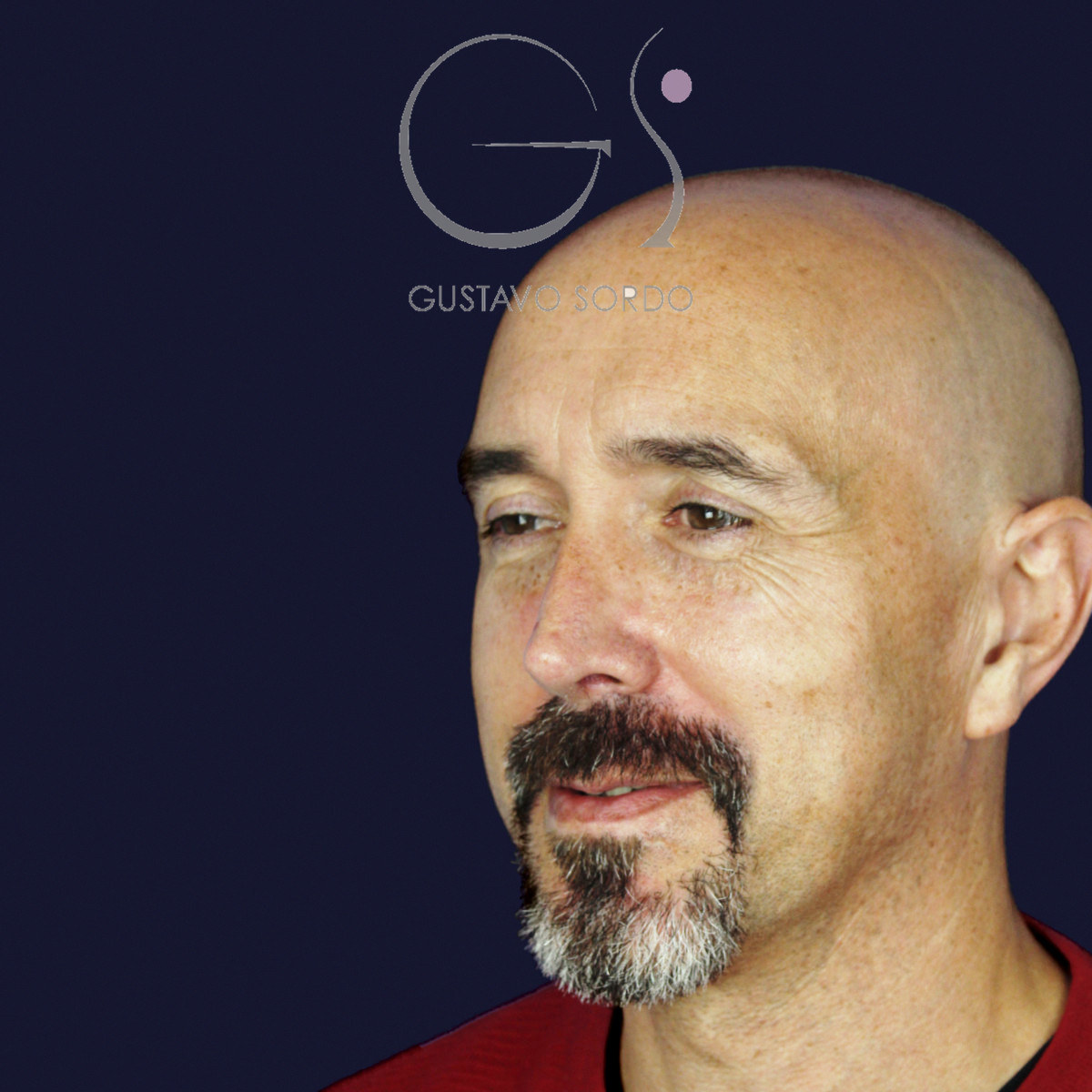
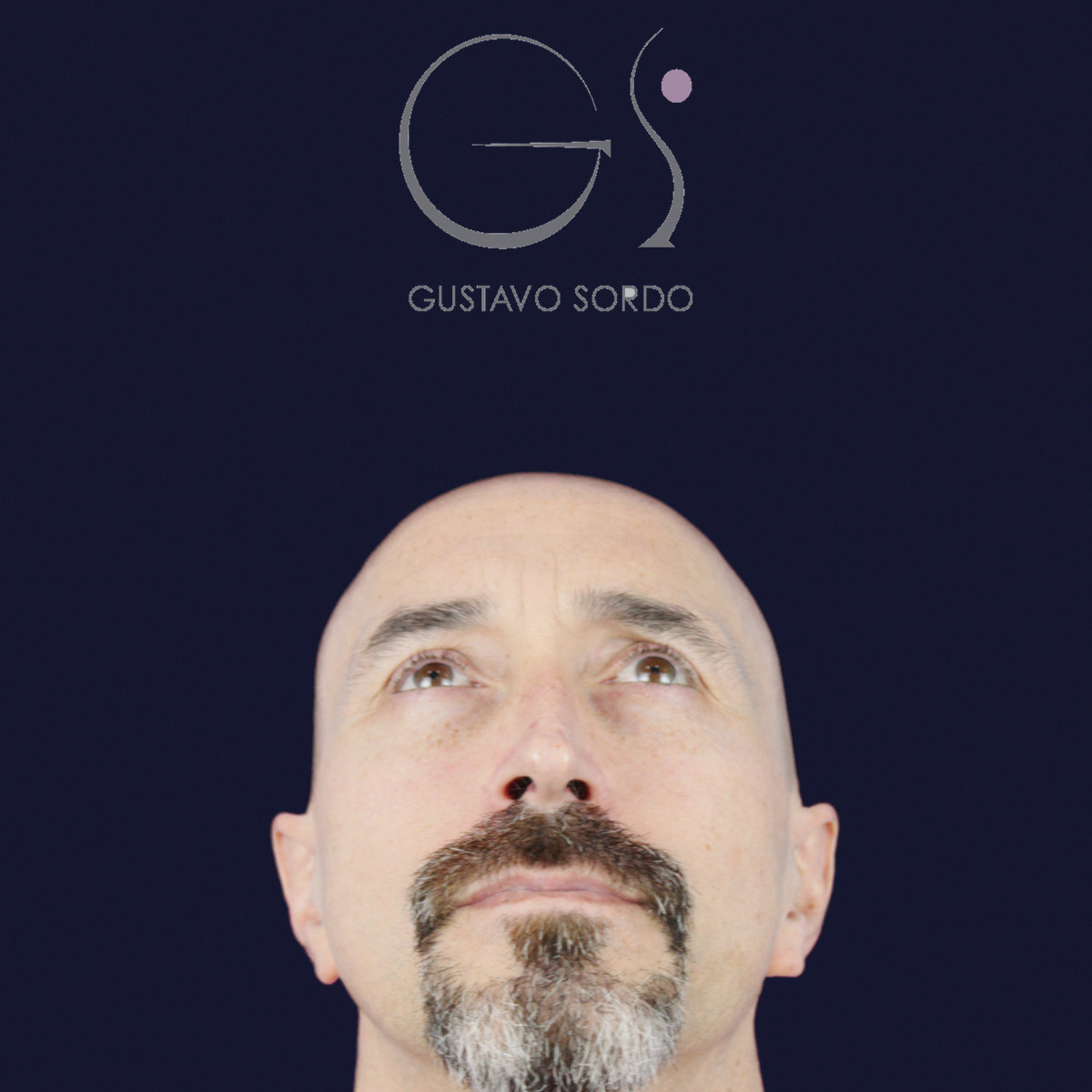
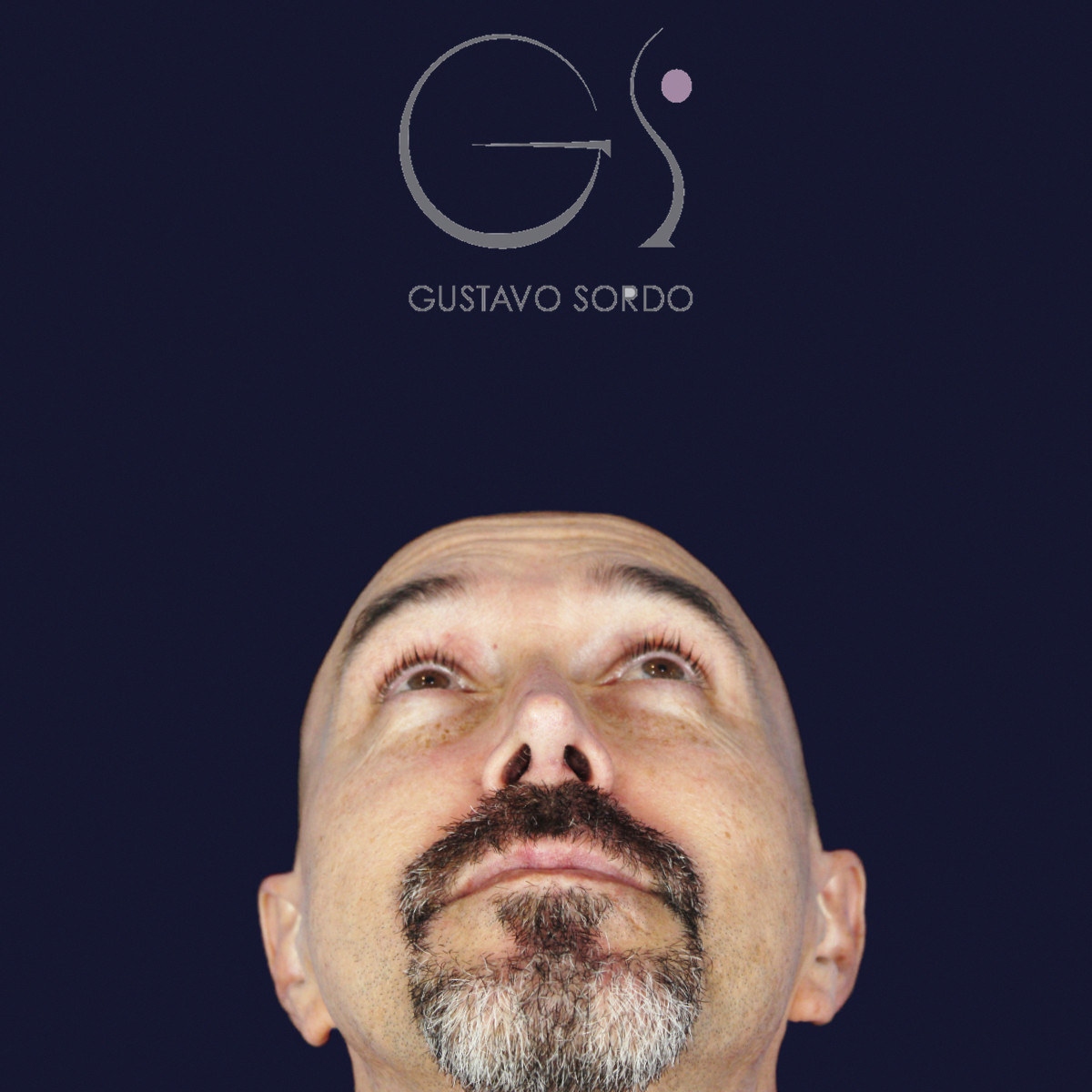
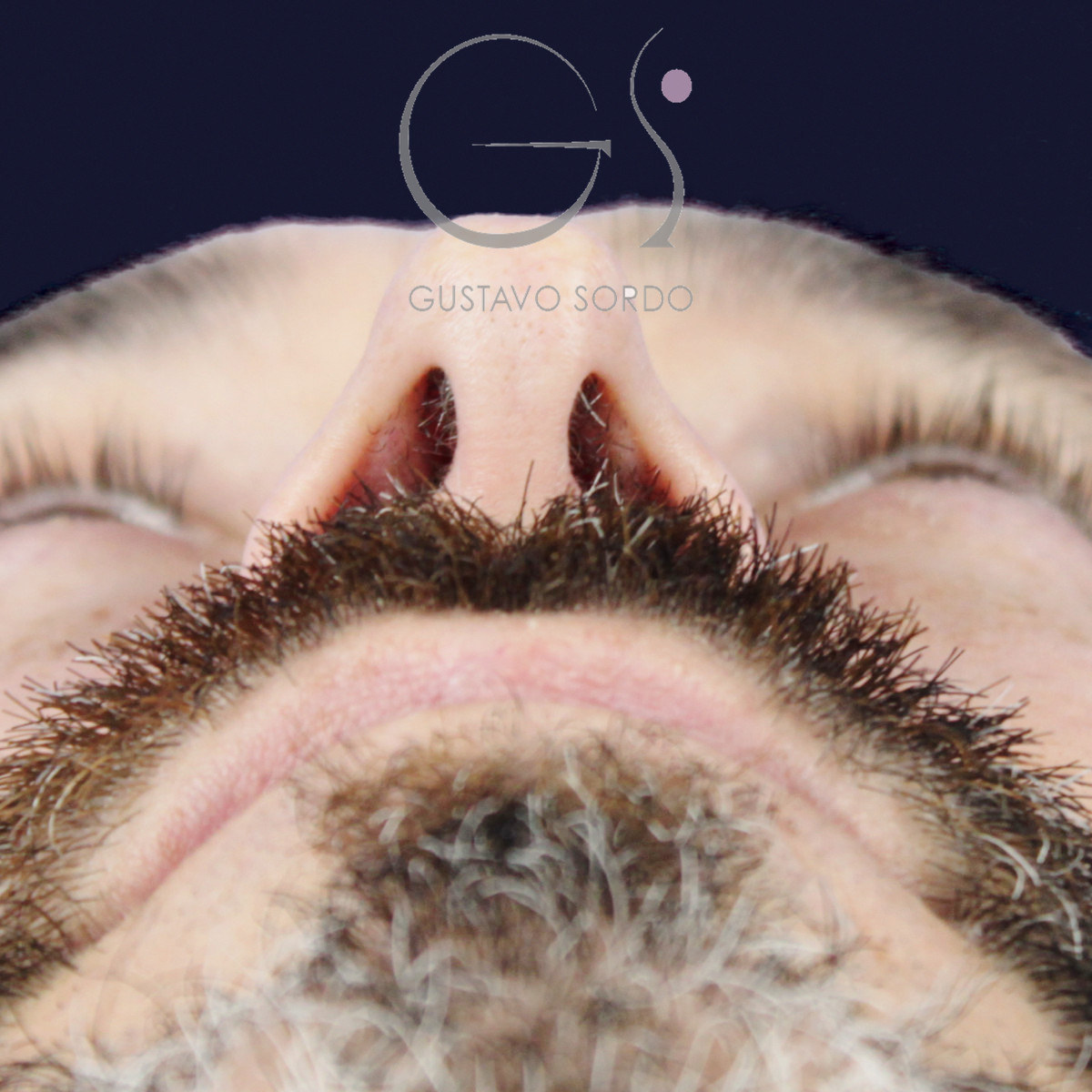
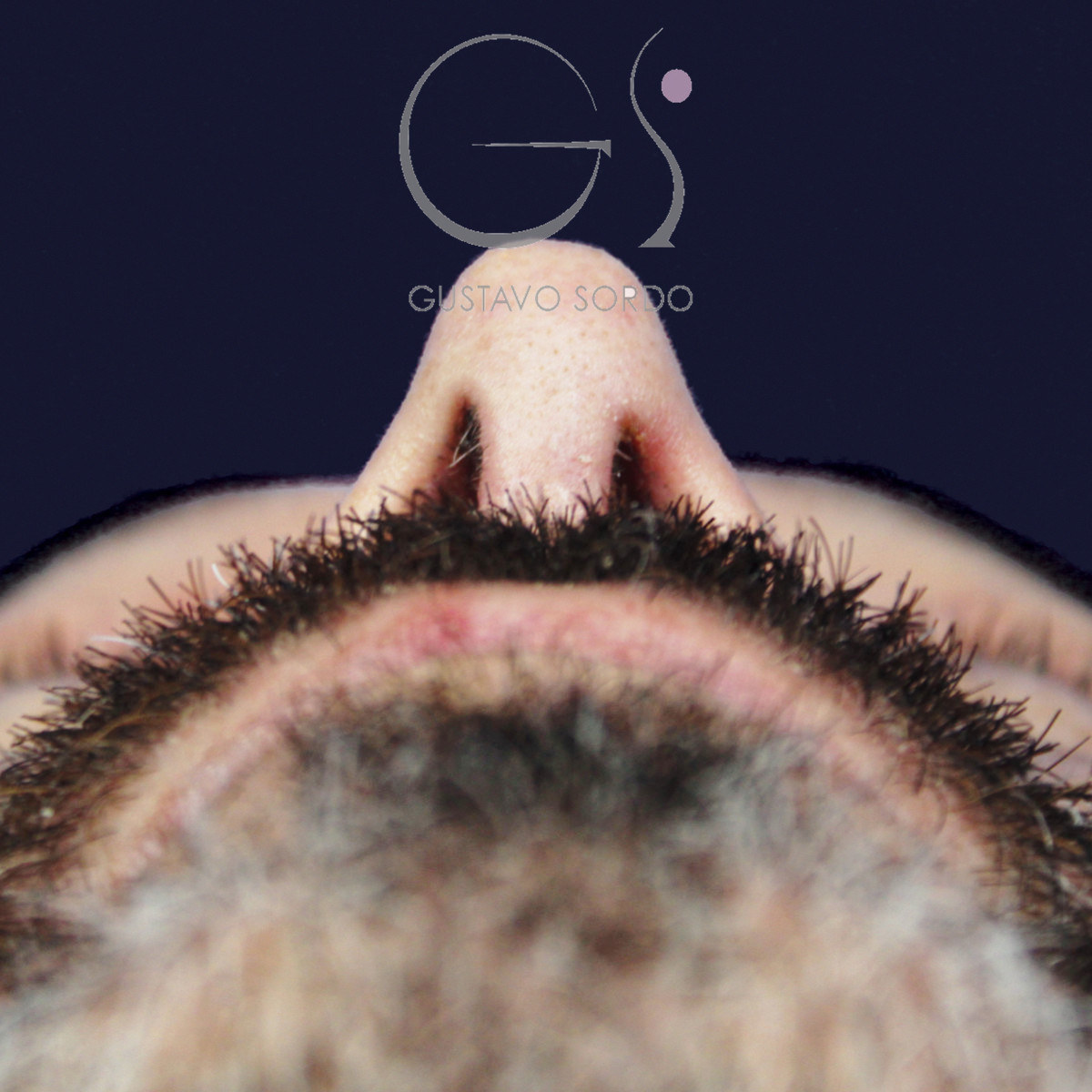
Photos taken seven months after the operation
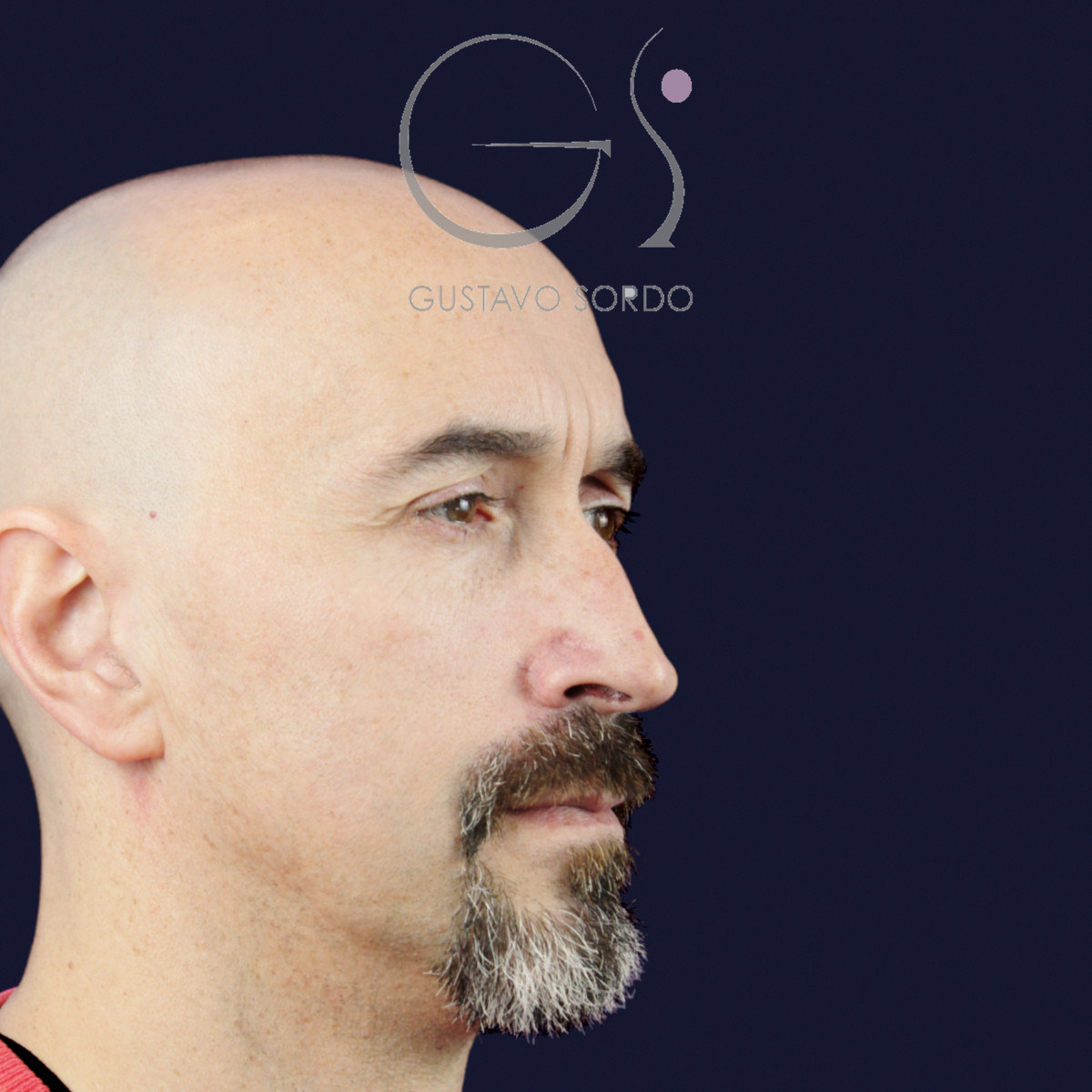
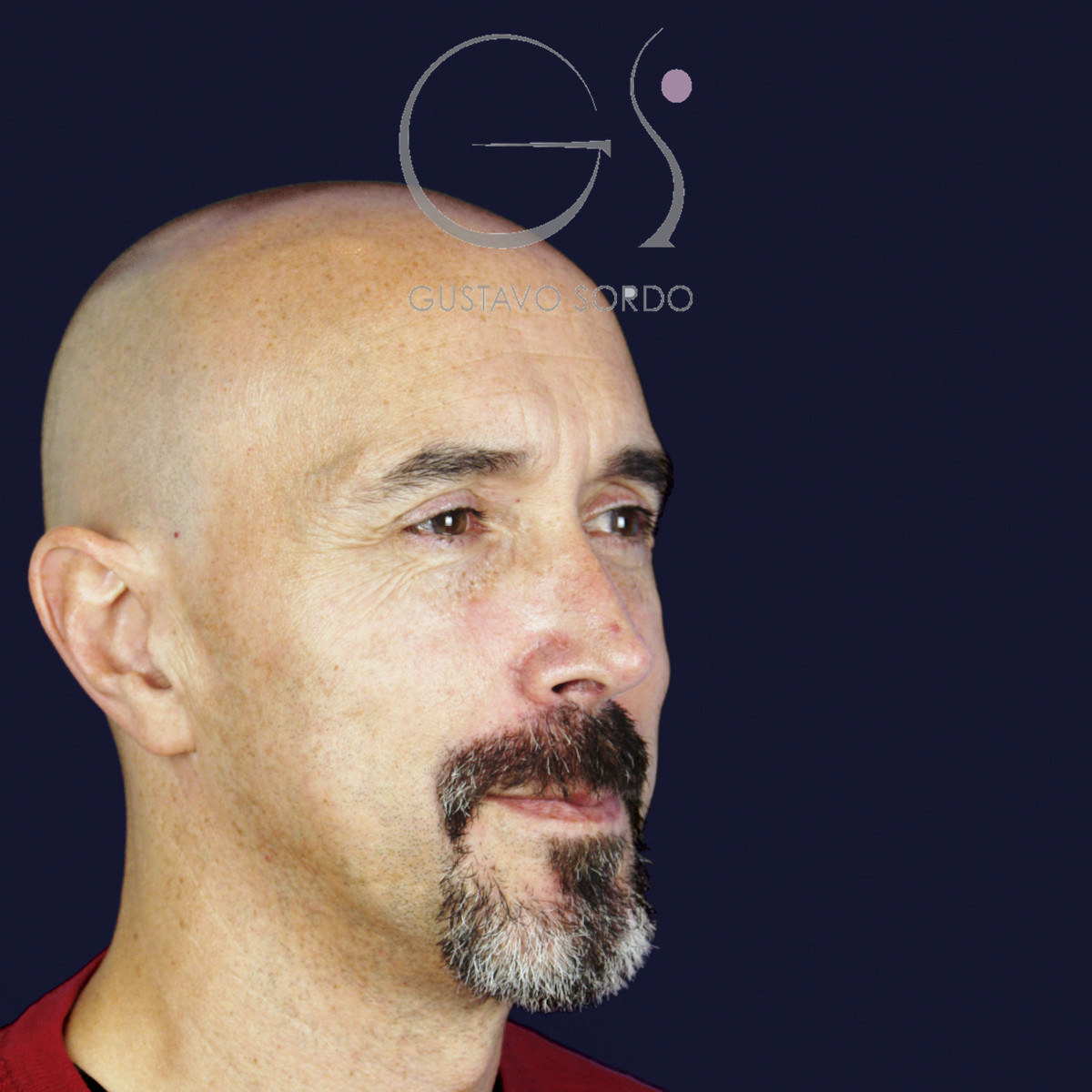
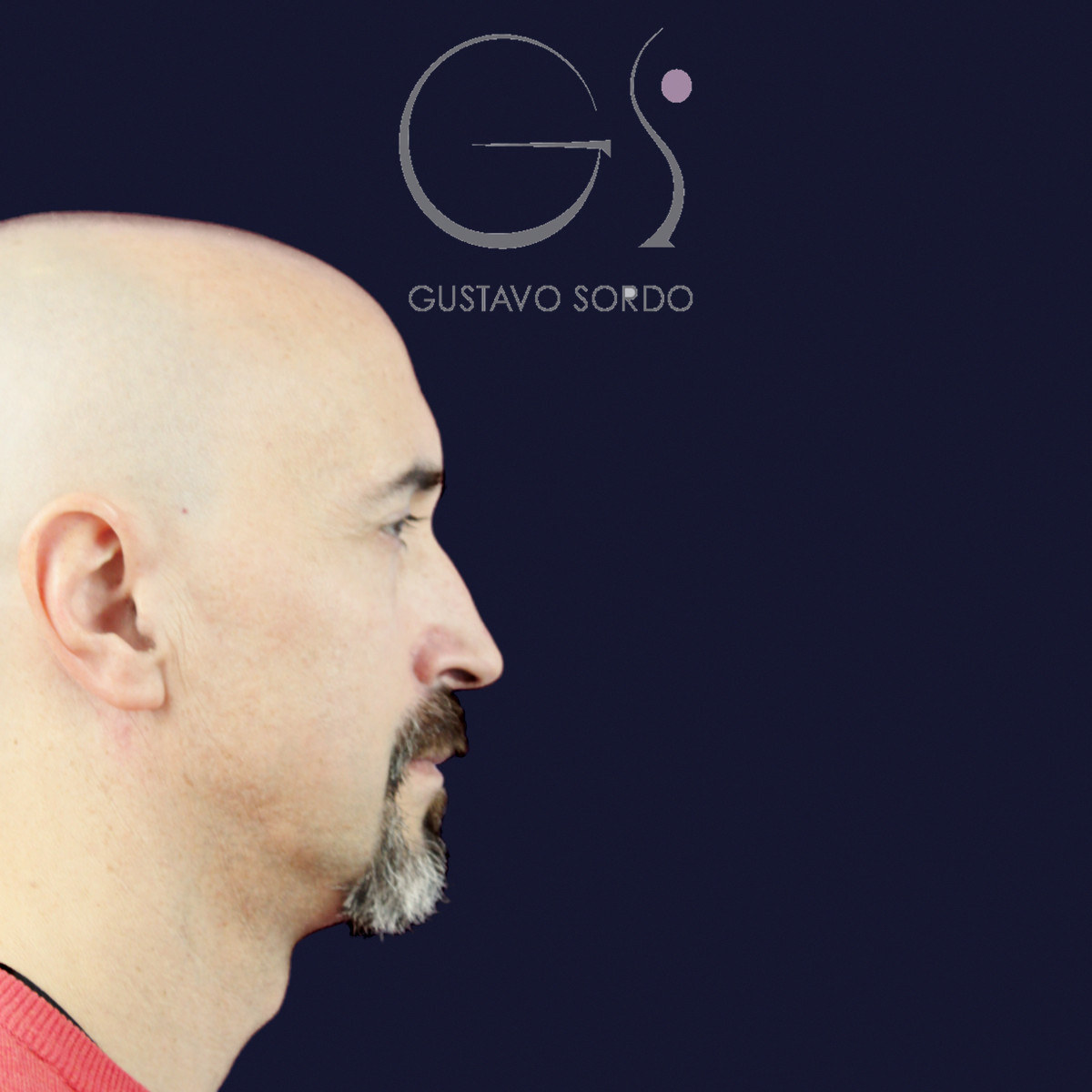
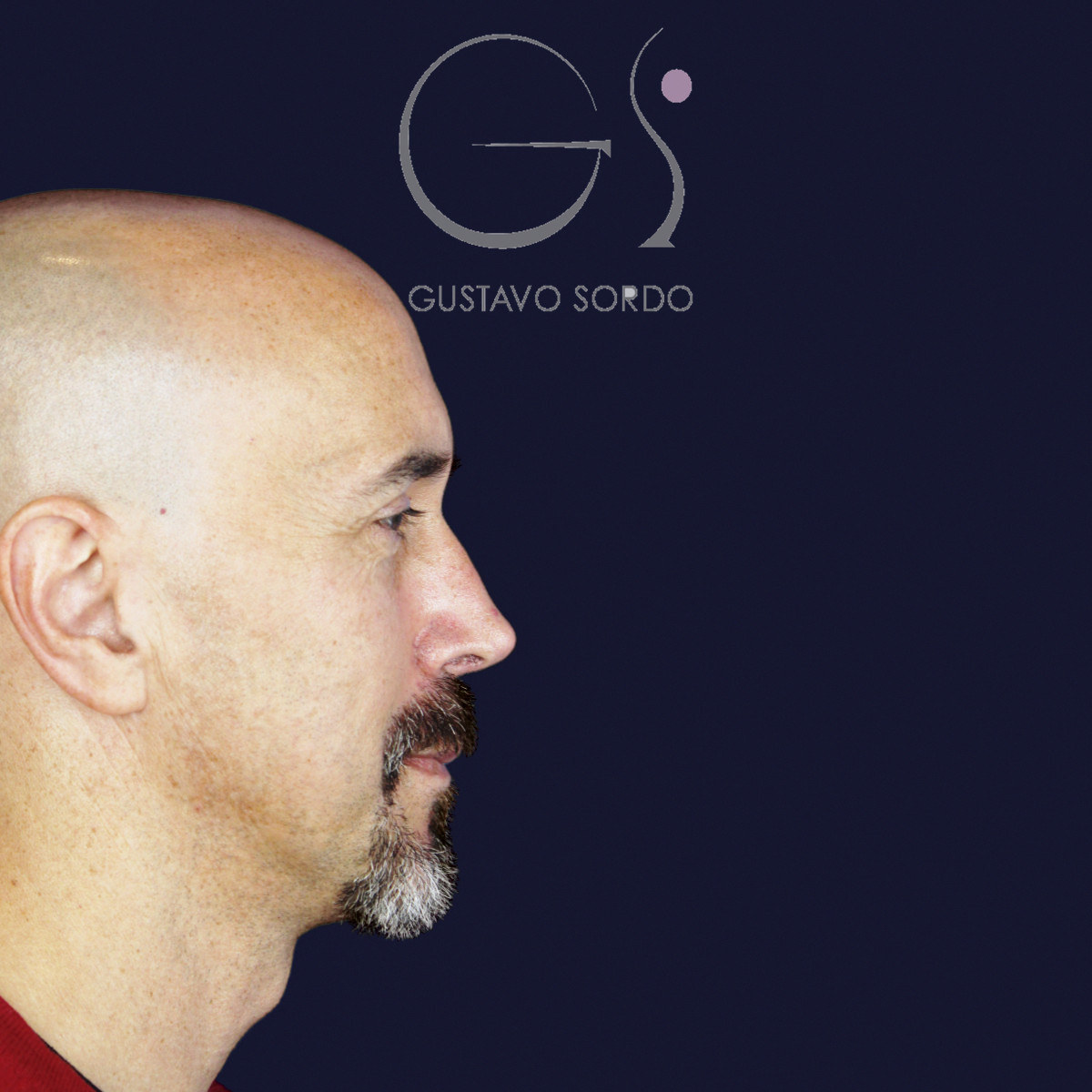
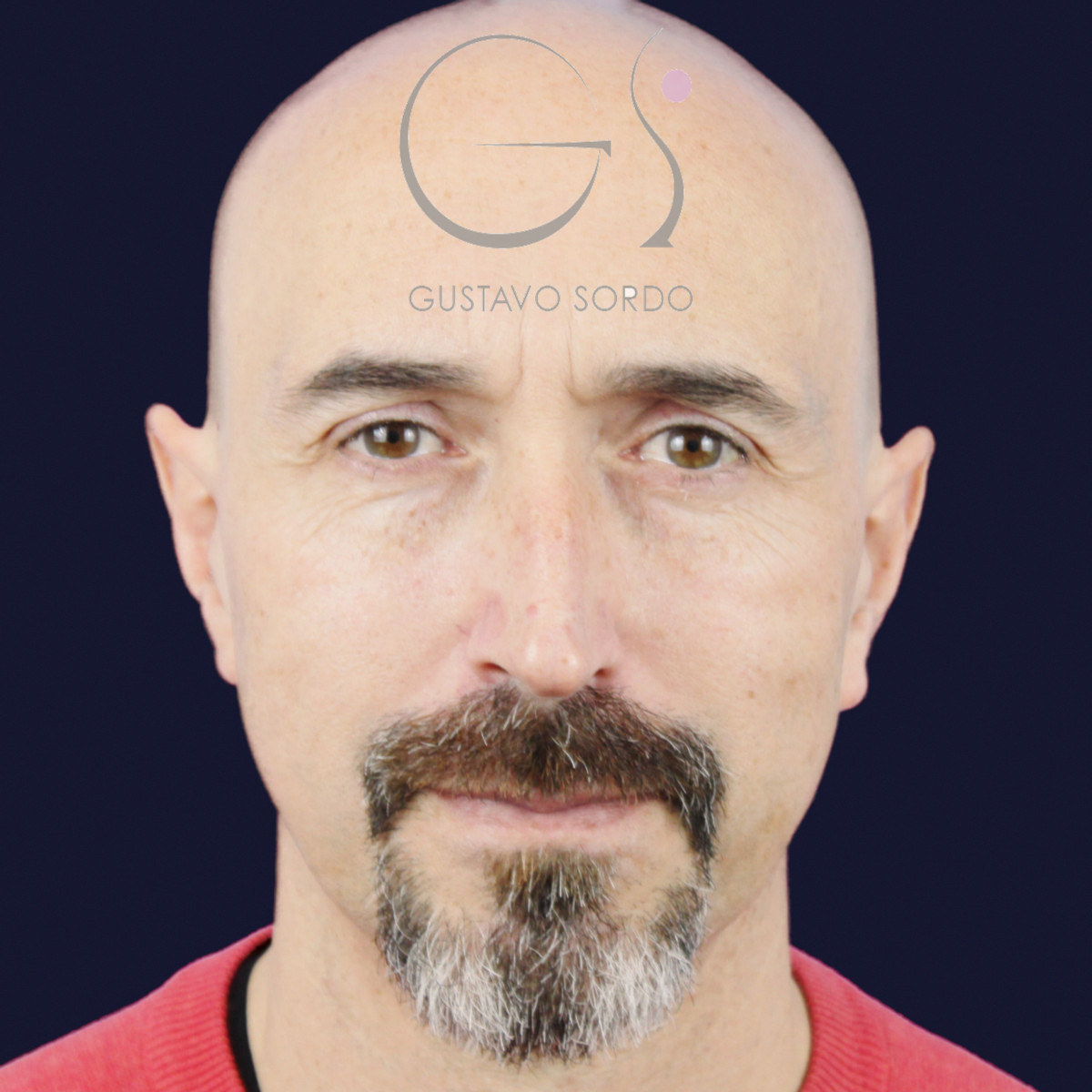
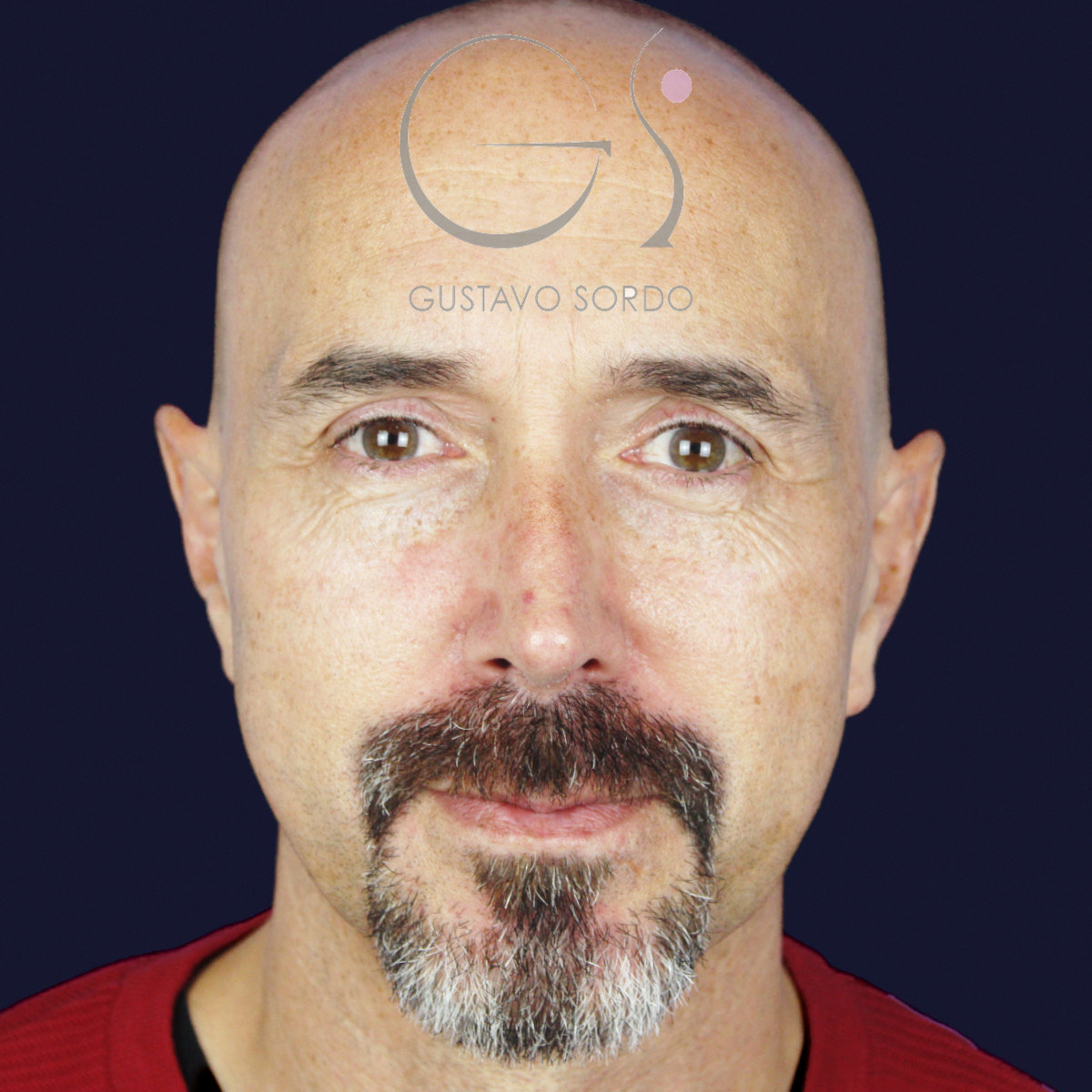
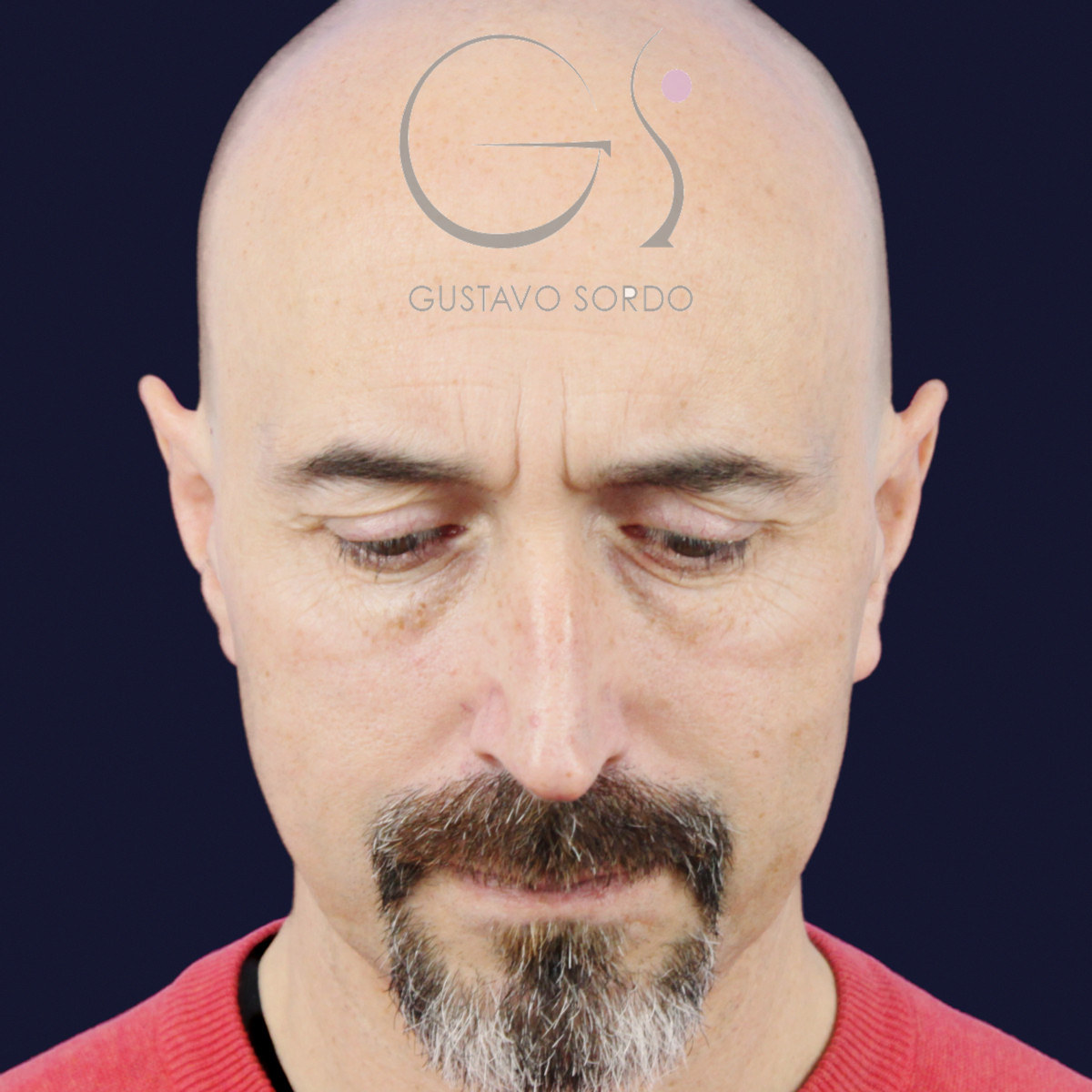
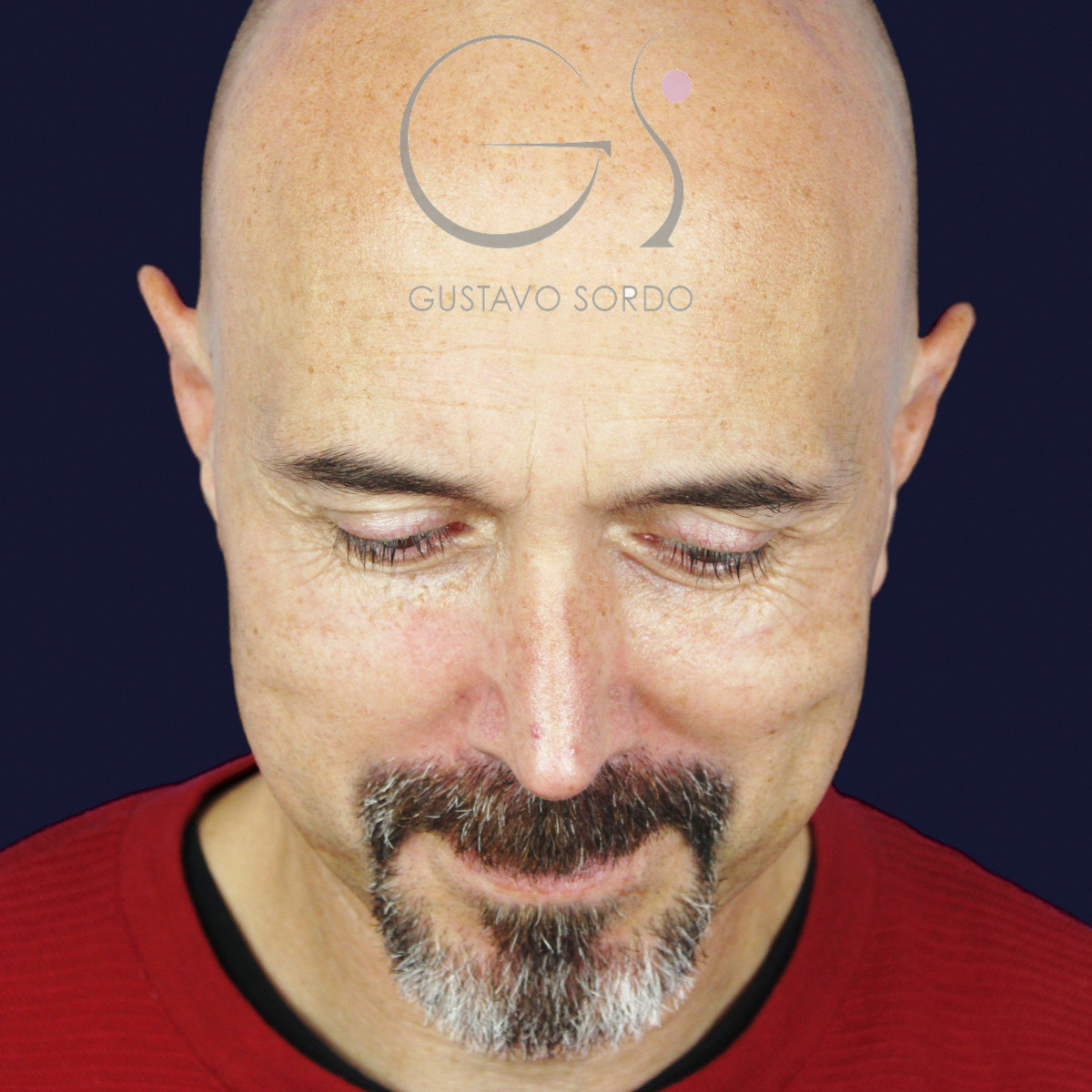
The "after" photos are from his November 2019 follow-up, seven months after the surgery, the last session available. In profile, the tip appears repositioned and more rotated, with a more masculine nasolabial angle, and the bridge is straight without excessive reduction of the nose; from the front, it appears masculine and symmetrical.
Comment by Dr. Gustavo Sordo
Reason for consultation
Primarily functional, though also aesthetic. He's very athletic and his profession requires him to train hard, so his nose has a very high functional demand: to breathe properly while playing sports, he had to wear a nasal strip. That's why we proposed a highly functional surgery.
What I observed when evaluating it
The tip was droopy and droopy, with a small hump and a relatively low radix. The hump was smaller than it appeared. The skin was very thin.
What was important to preserve
The size of the nose and its masculine character. With a hump smaller than it appeared, one had to be conservative with it so as not to reduce the nose too much.
My surgical approach
This patient's functional improvement had to come from repositioning the tip of the lung. Many respiratory problems originate at the tip, and repositioning it with the appropriate maneuvers is what improves ventilation. On the back, remove only what is necessary.
Why I chose this technique
With ultrasonic rhinoplasty, the dorsal hump is reduced in a controlled and conservative manner, and the structural component reconstructs the dorsum with spacers to prevent an open roof from forming under such thin skin. At the tip, the septal extension graft and lateral crura graft allow for precise control of its position and rotation.
What I did during surgery
I reduced the hump using ultrasonic instrumentation and reconstructed the dorsum with spreader grafts . I structured the tip with a septal extension graft and lateral crura graft, hanging the graft domes to a nasolabial angle of approximately 100°, which in my opinion is ideal for a man. Septum and turbinates were also addressed in the same surgery. General anesthesia (TIVA) was used; the procedure took three hours, and I stayed overnight.
What is observed in the result
Seven months later, the result is masculine, with the angles and measurements of a man's nose, and improved breathing by repositioning the tip.
More rhinoplasty cases in men and an explanation of the technique can be found on the rhinoplasty in Madrid page. I explain what angles and measurements make a nose masculine on the male nose page.
Her testimony after rhinoplasty
We recorded him at the clinic a few months after the operation: he tells himself how it has gone for him.

Case operated on by Dr. Gustavo Sordo
Specialist in Plastic, Aesthetic and Reconstructive Surgery. Member No. 282858125.
Regarding this intervention
Each nose is planned from scratch: what worked for this person may not work for you. At Rhinoplasty in Madrid , we explain how the technique is chosen and what the price includes.
Do you want to know if this can be done in your case?
The first consultation is with Dr. Sordo, either at the Chamberí clinic or via video consultation. You'll leave knowing if you're a candidate, which technique is right for you, and how much it costs.
Dr. Gustavo Sordo · Member No. 282858125 · Plastic, Aesthetic and Reconstructive Surgery · Madrid