Ultrasonic rhinoplasty with hanging columella and retracted ala: before and after
Case fact sheet
- Patient: Female, 40 years old
- Reason: Correcting the shape of the nose: the bridge, the tip, and the nostrils
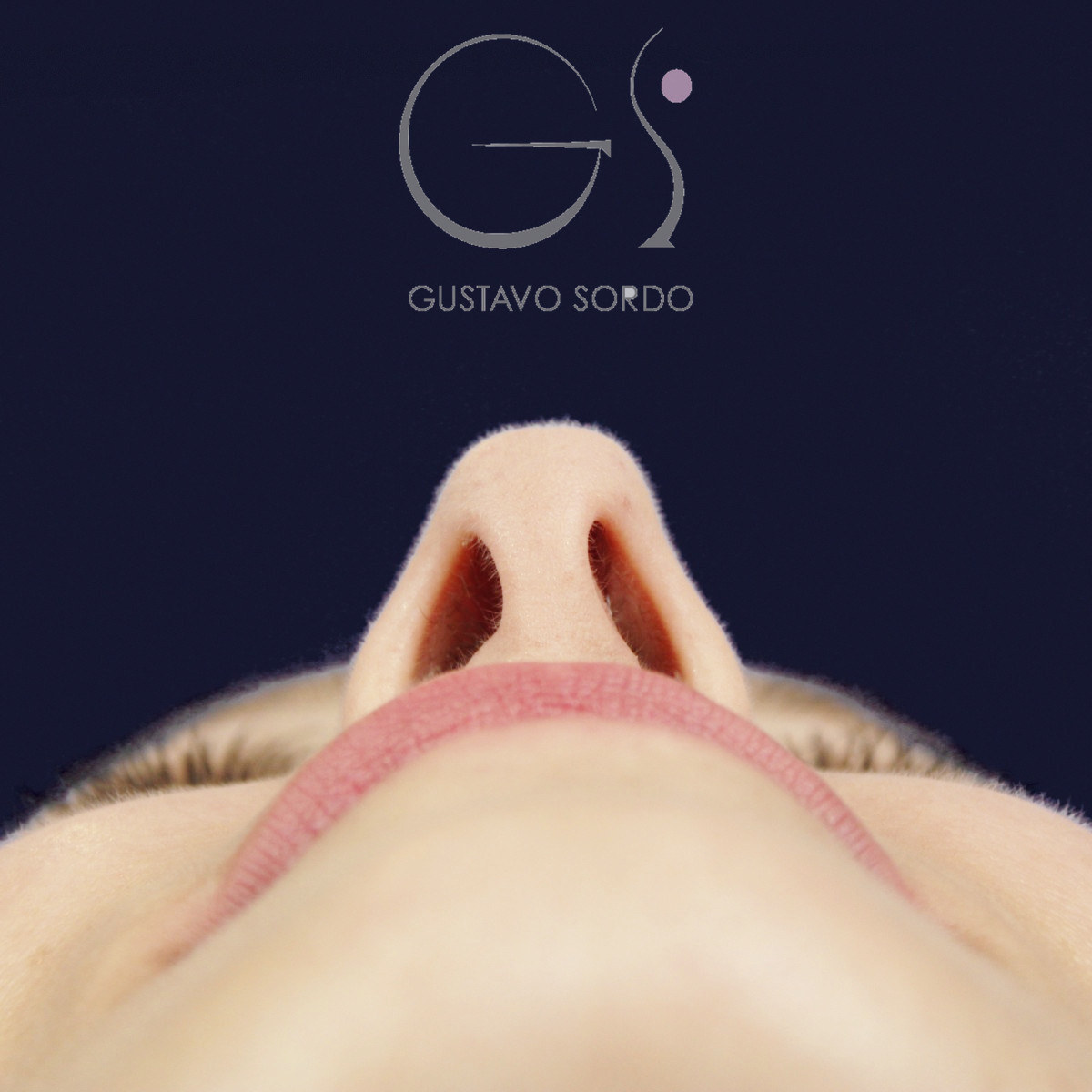
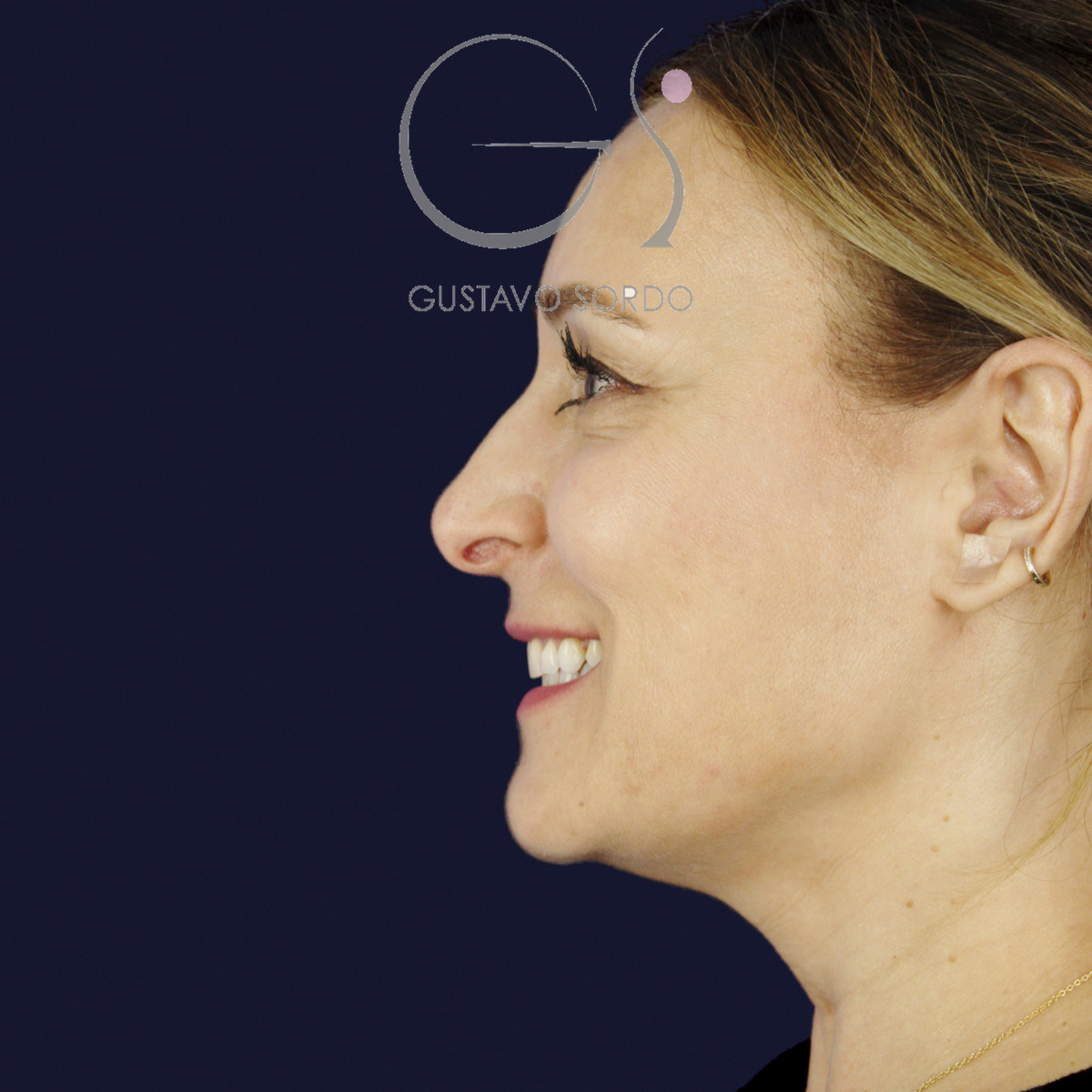
- Starting nose: a very small, S-shaped hump; a very marked hanging columella and an extremely retracted wing, with asymmetry of the foramina and luxation of the caudal septum
- Technique: Structural rhinoplasty with ultrasonic instrumentation: very conservative resection of the hump, spreader grafts on the dorsum and septal extension graft to correct the alar-columellar relationship
- Septum and turbinates: septoplasty and turbinates in the same surgery
- Approach: Be very conservative with the hump and correct the relationship between the ala and the columella, so that the nose looks natural and not operated on.
- Result: two months after the operation
- Entry: 1 night
- Anesthesia: general type TIVA
- Duration: 3 hours long.
A very small S-shaped hump and, above all, a very pronounced pendulous columella with an extremely retracted ala. Structural rhinoplasty with ultrasonic instrumentation, very conservative with the hump and focused on correcting the alar-columellar relationship, with photos taken at two months.
Photos taken two months after the operation
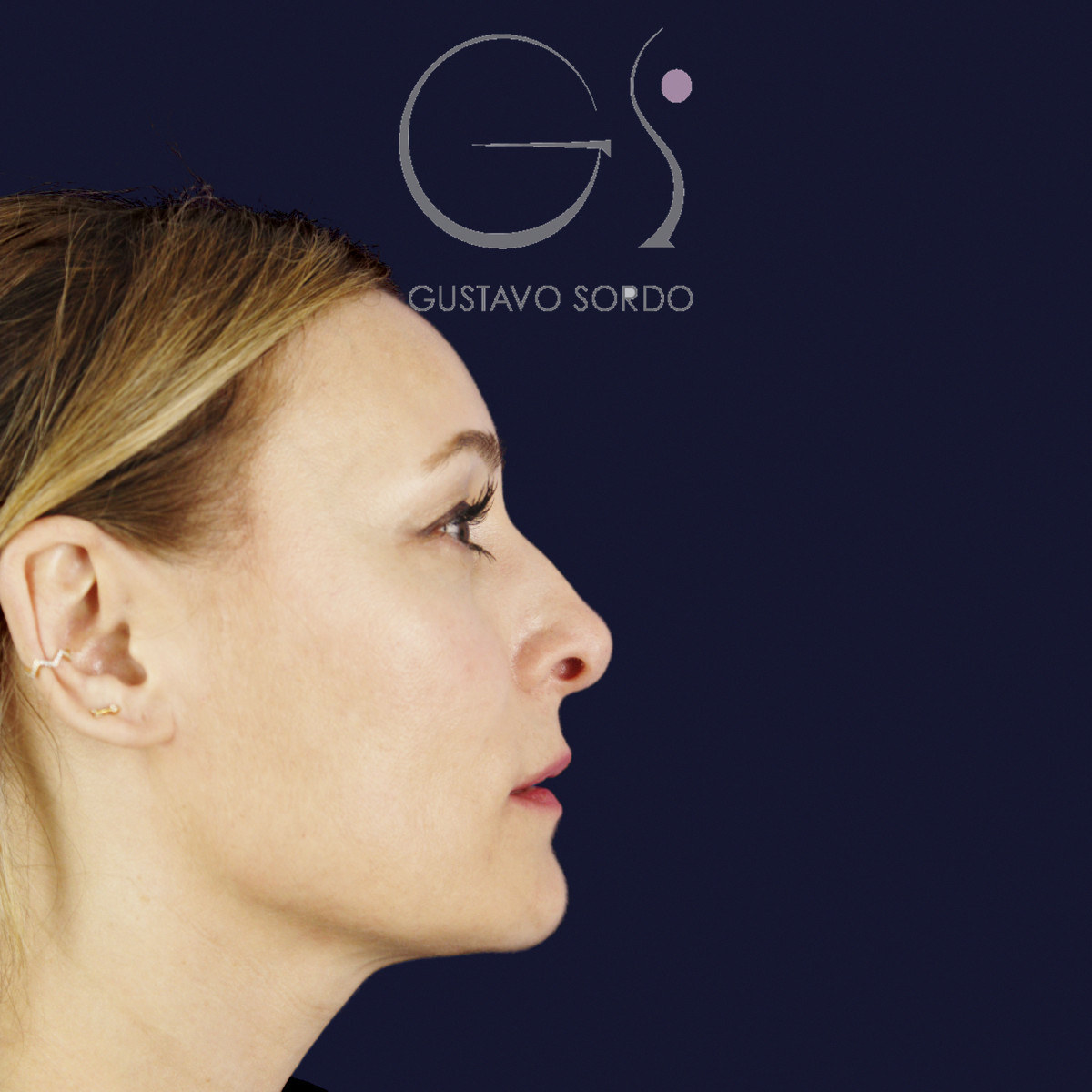
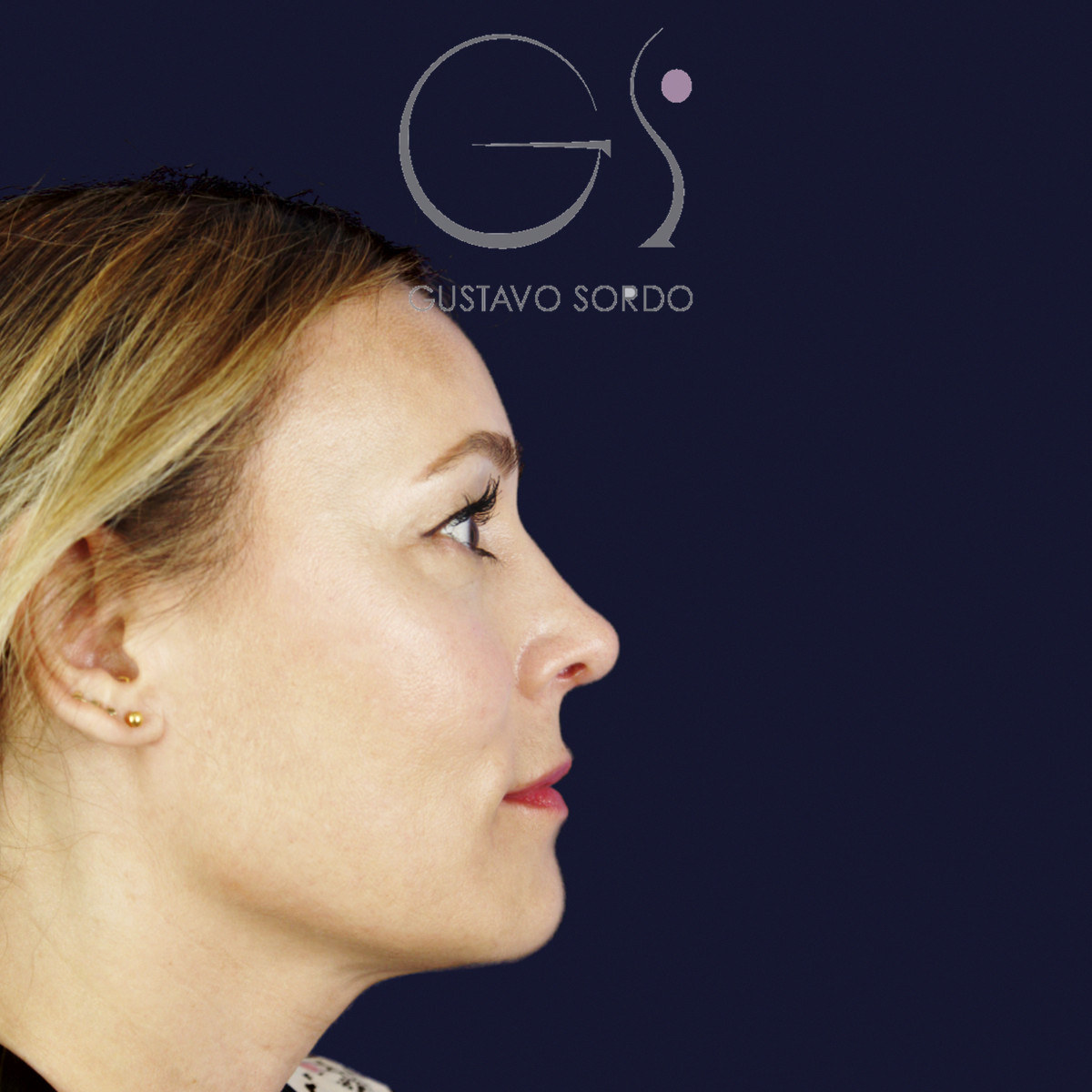
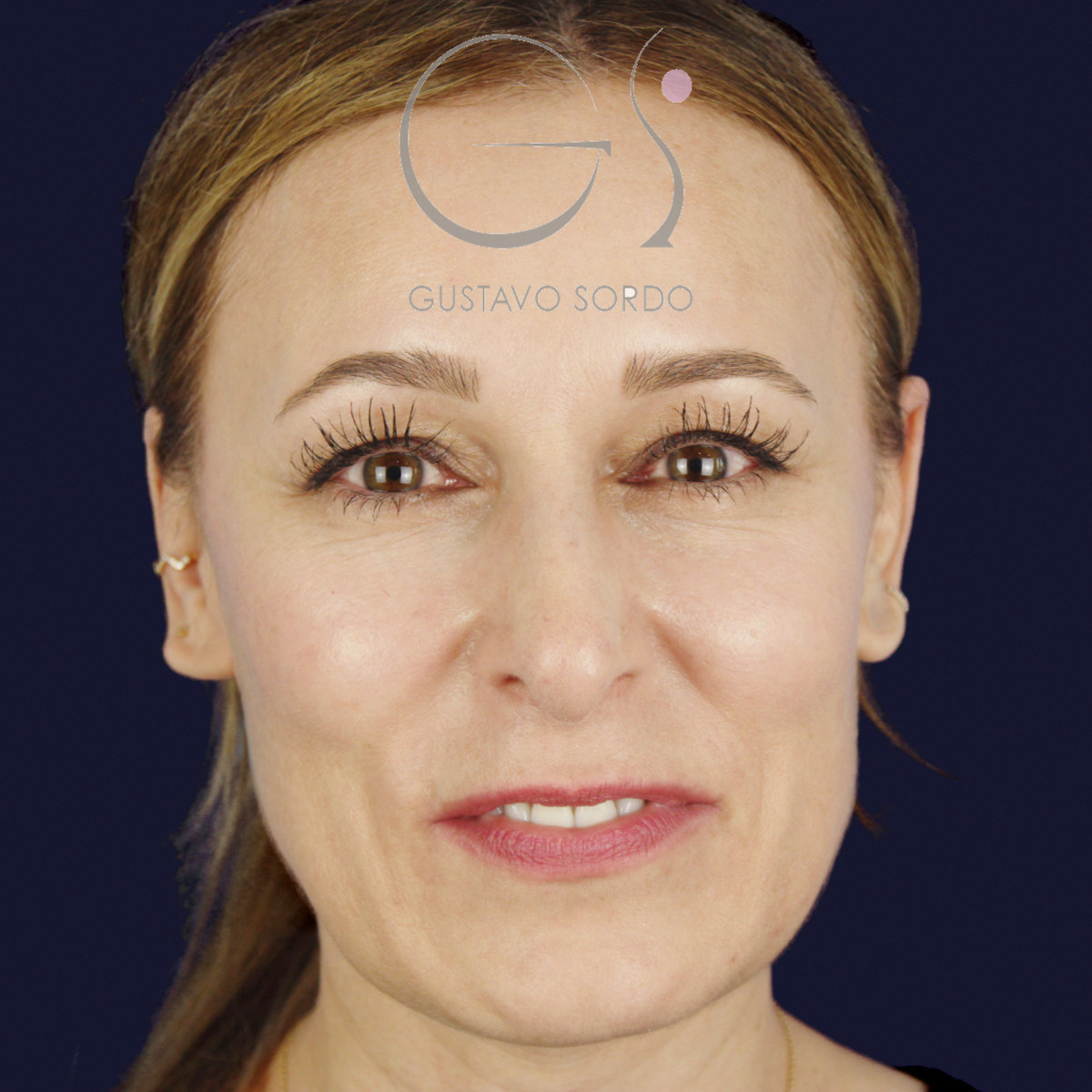
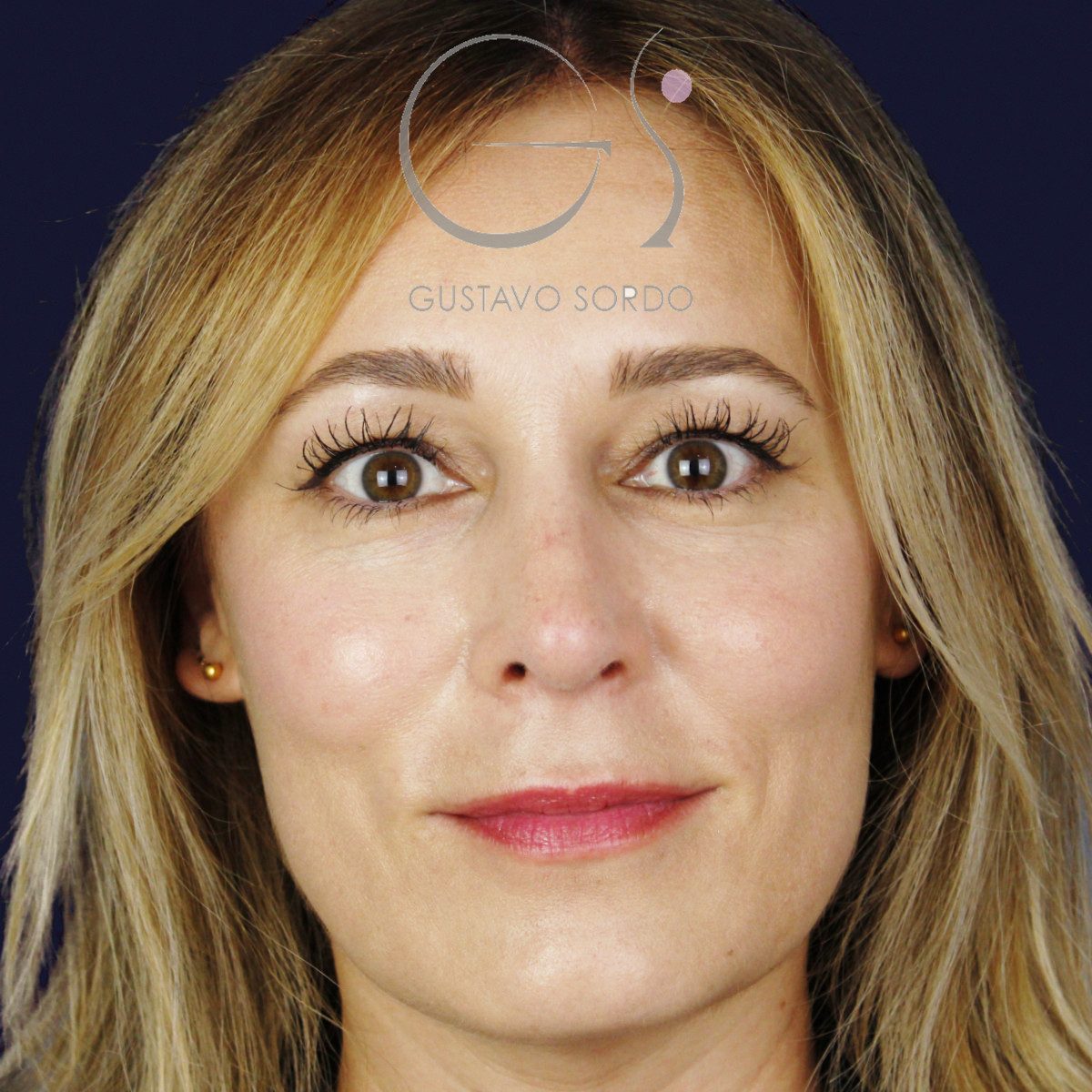
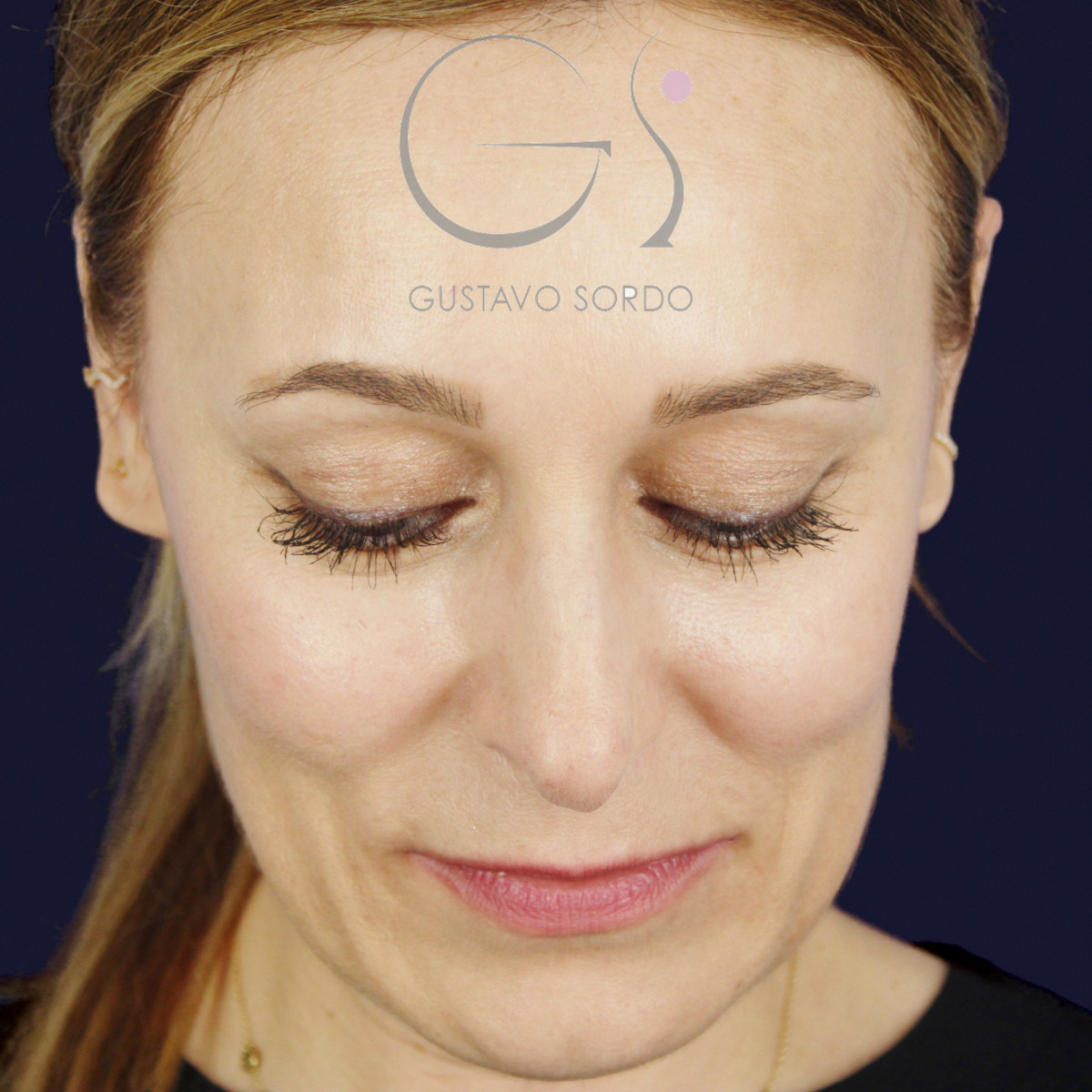
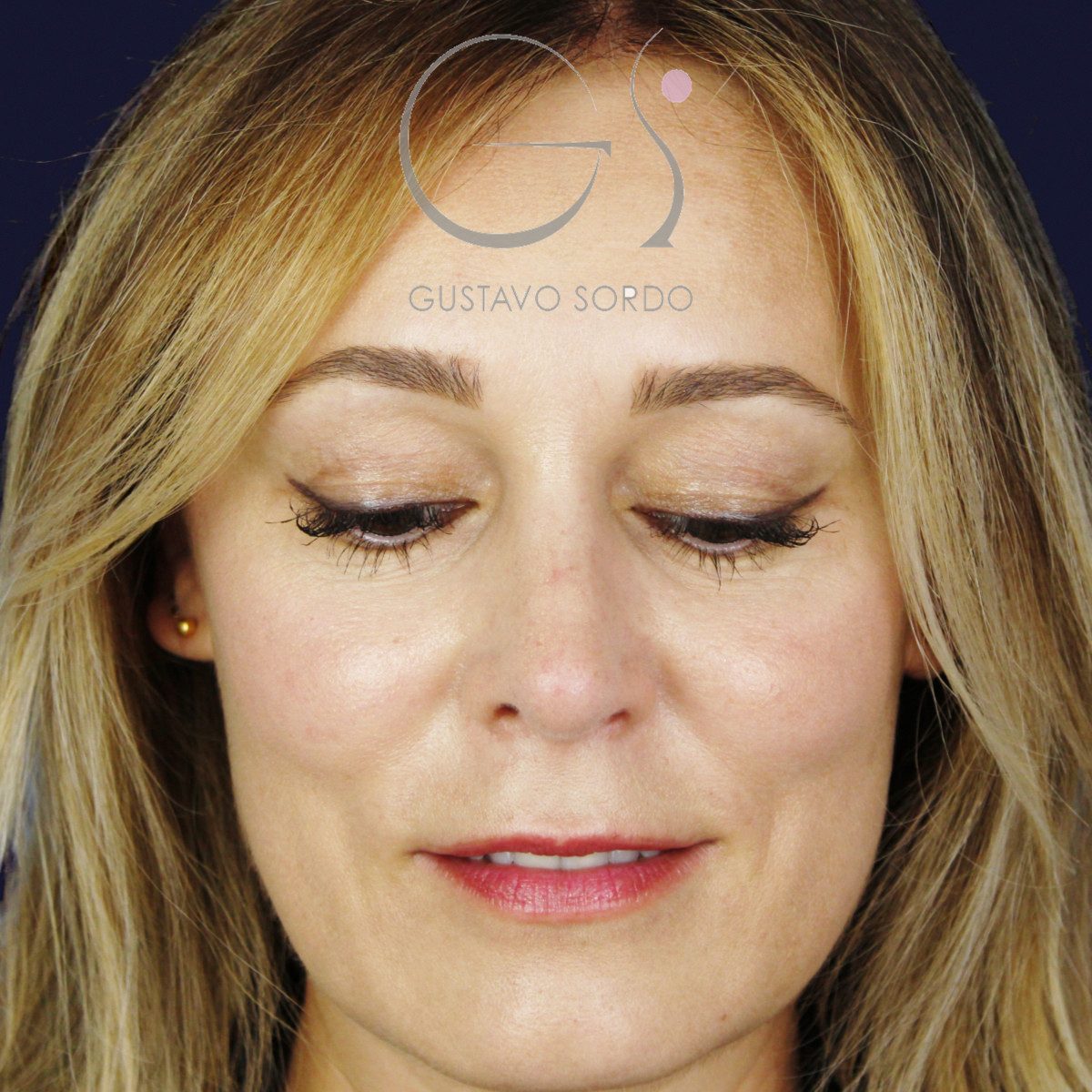
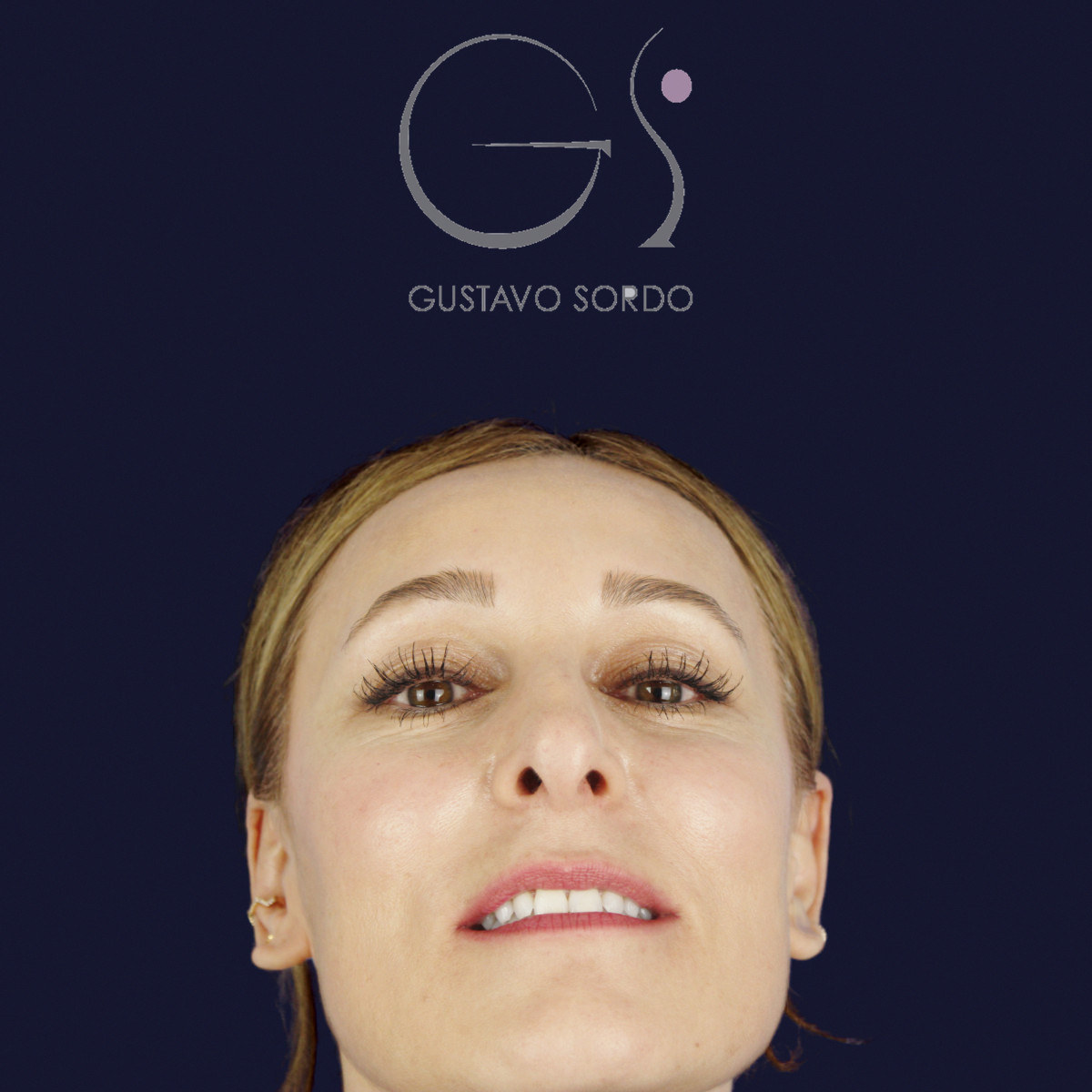
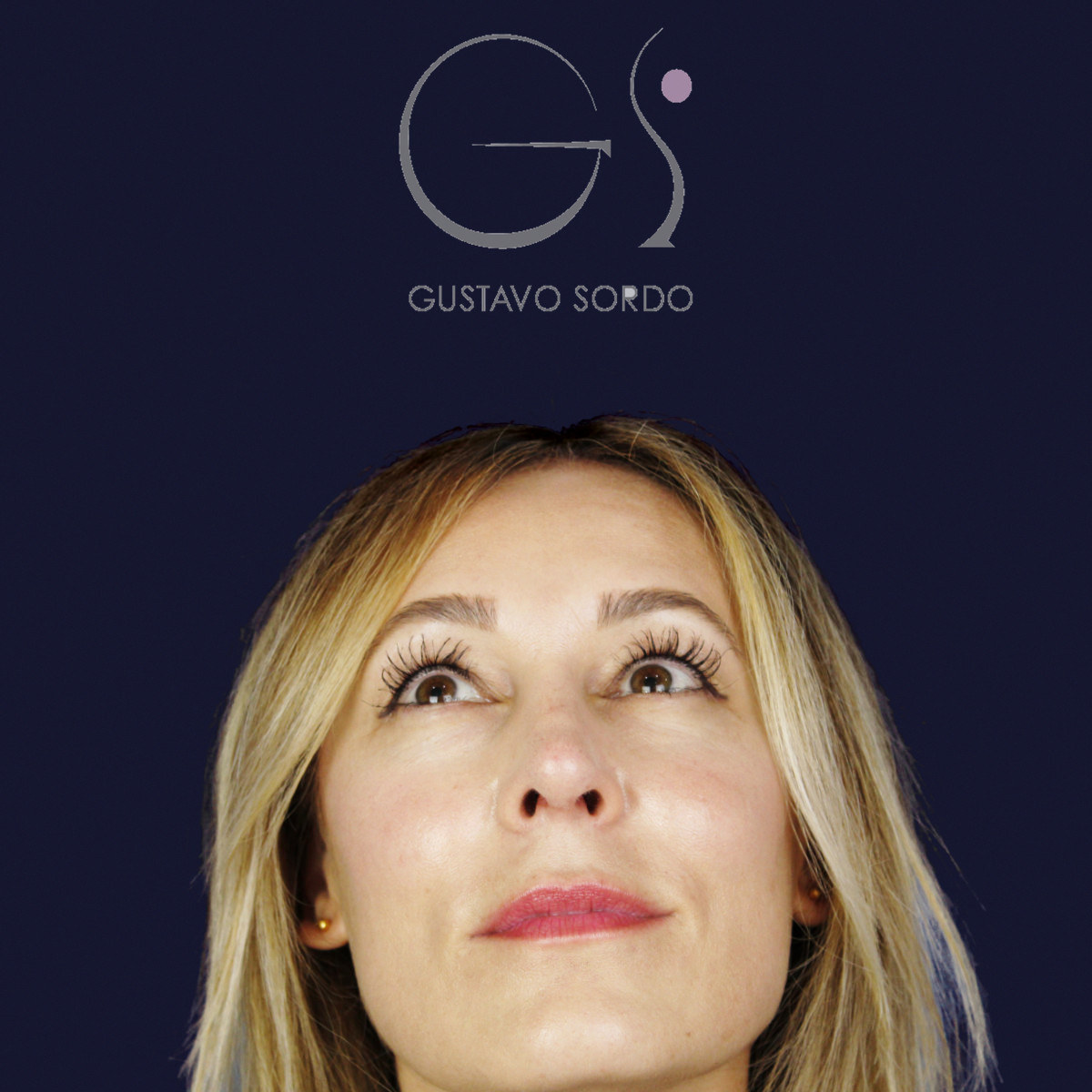
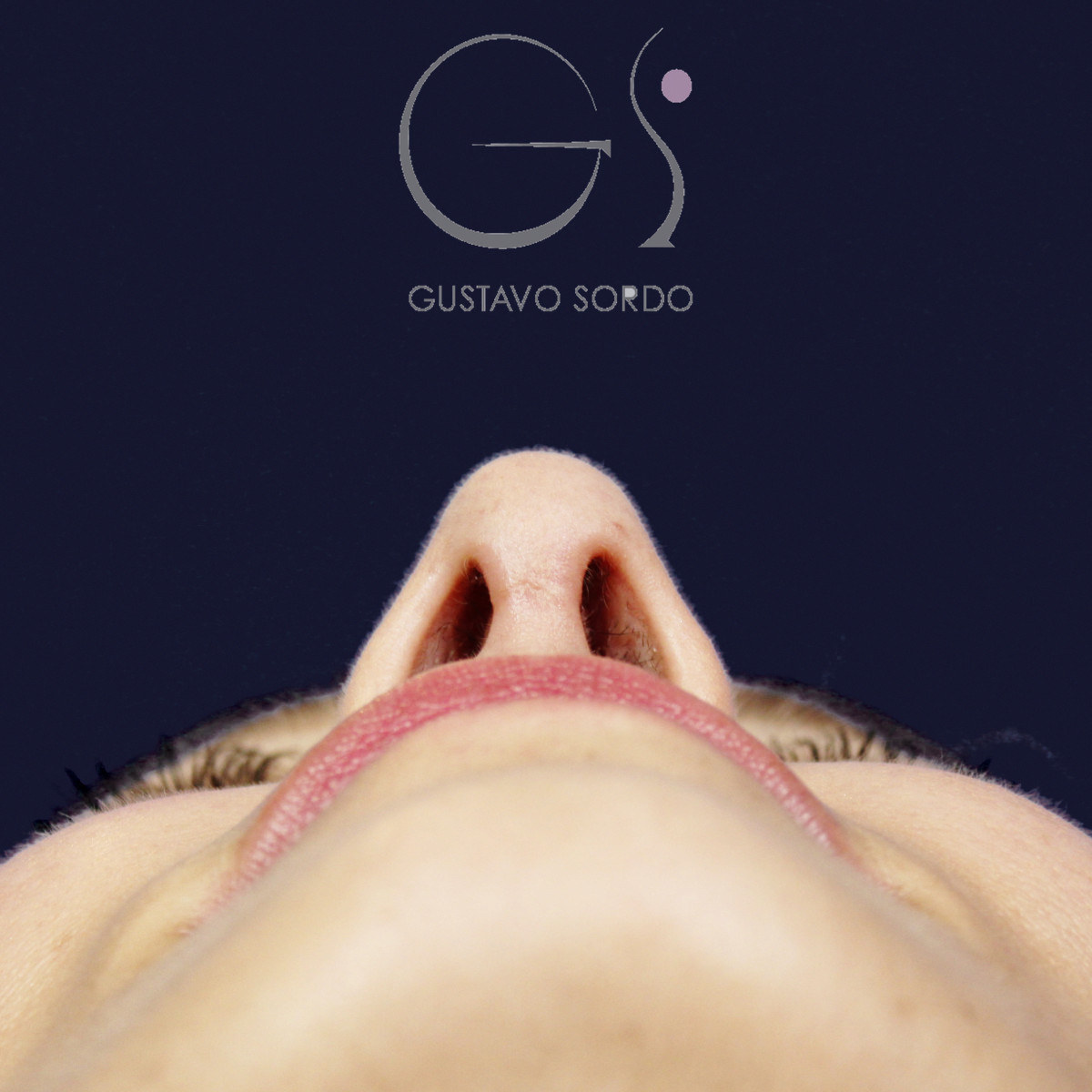
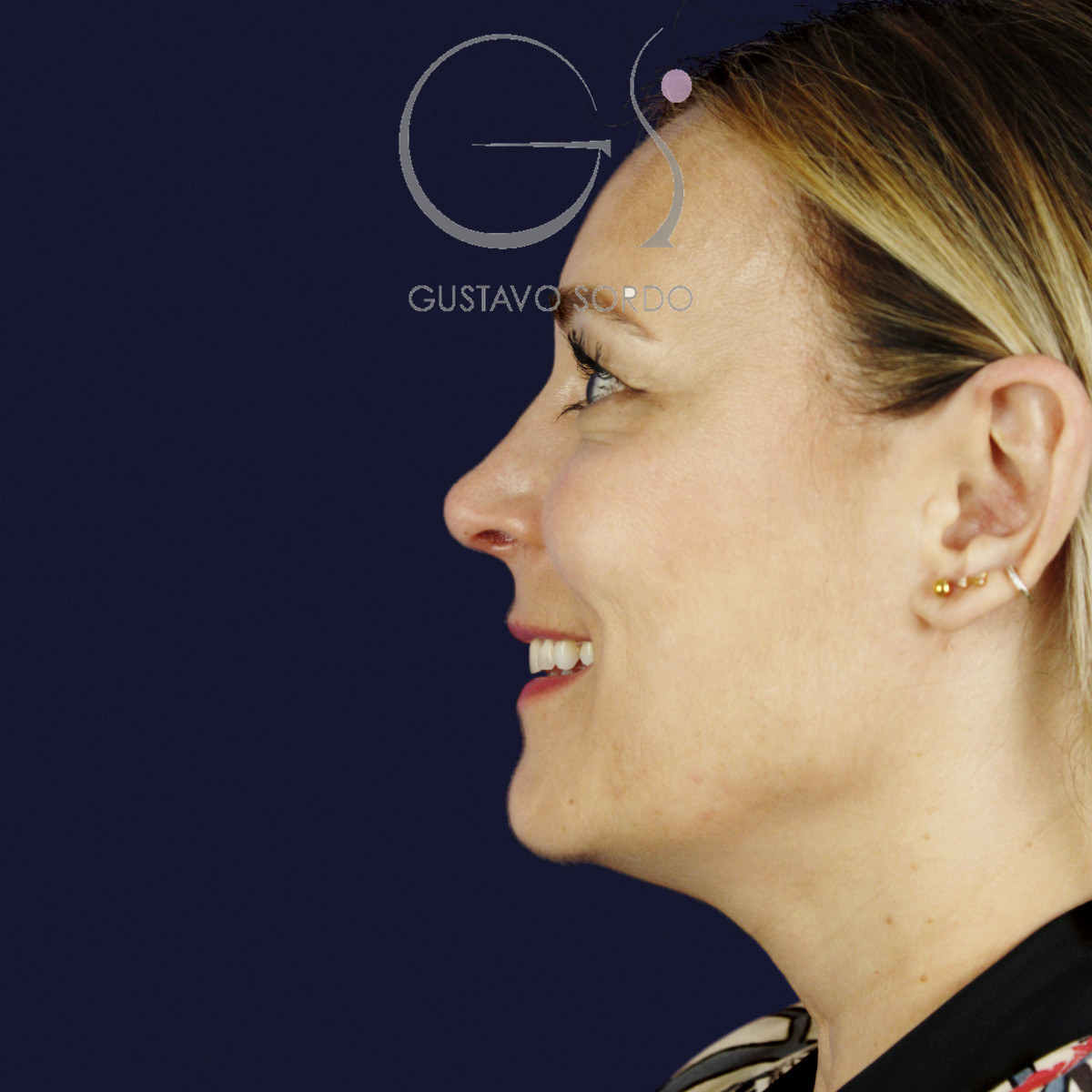
The "after" photos are from his May 2020 check-up, two months after the operation. In profile, the columella no longer protrudes from under the wing and the back is straight; from below, the holes are now symmetrical.


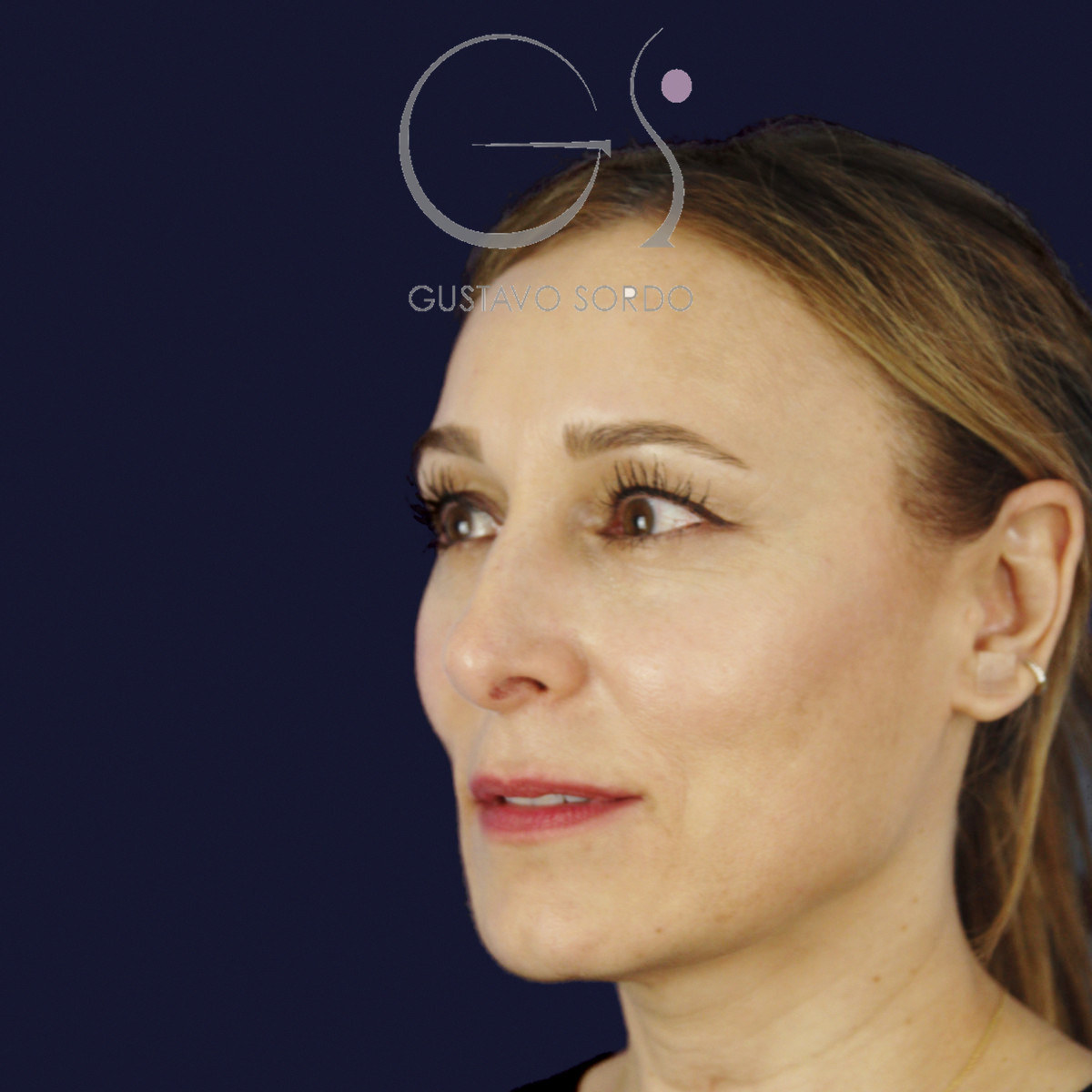
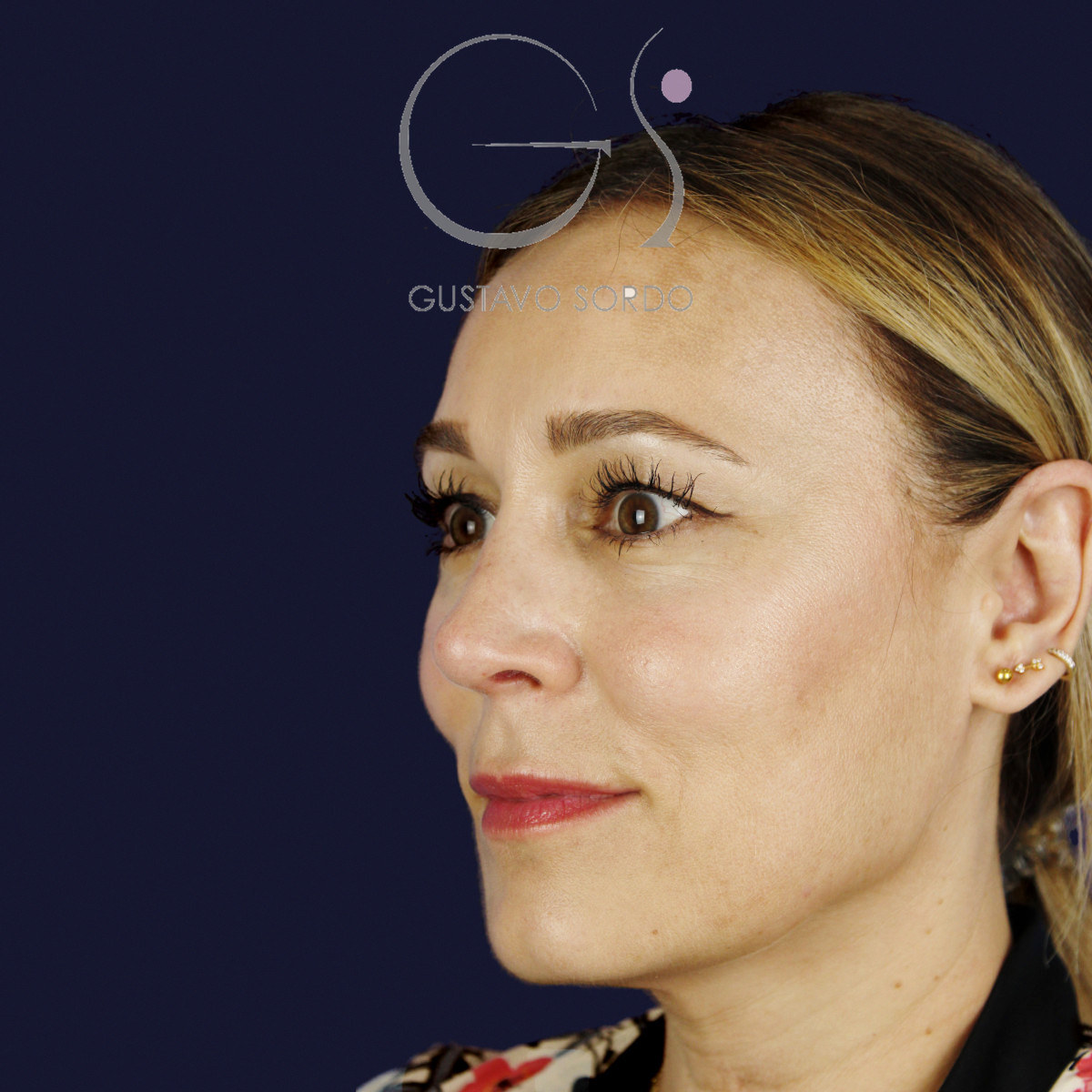
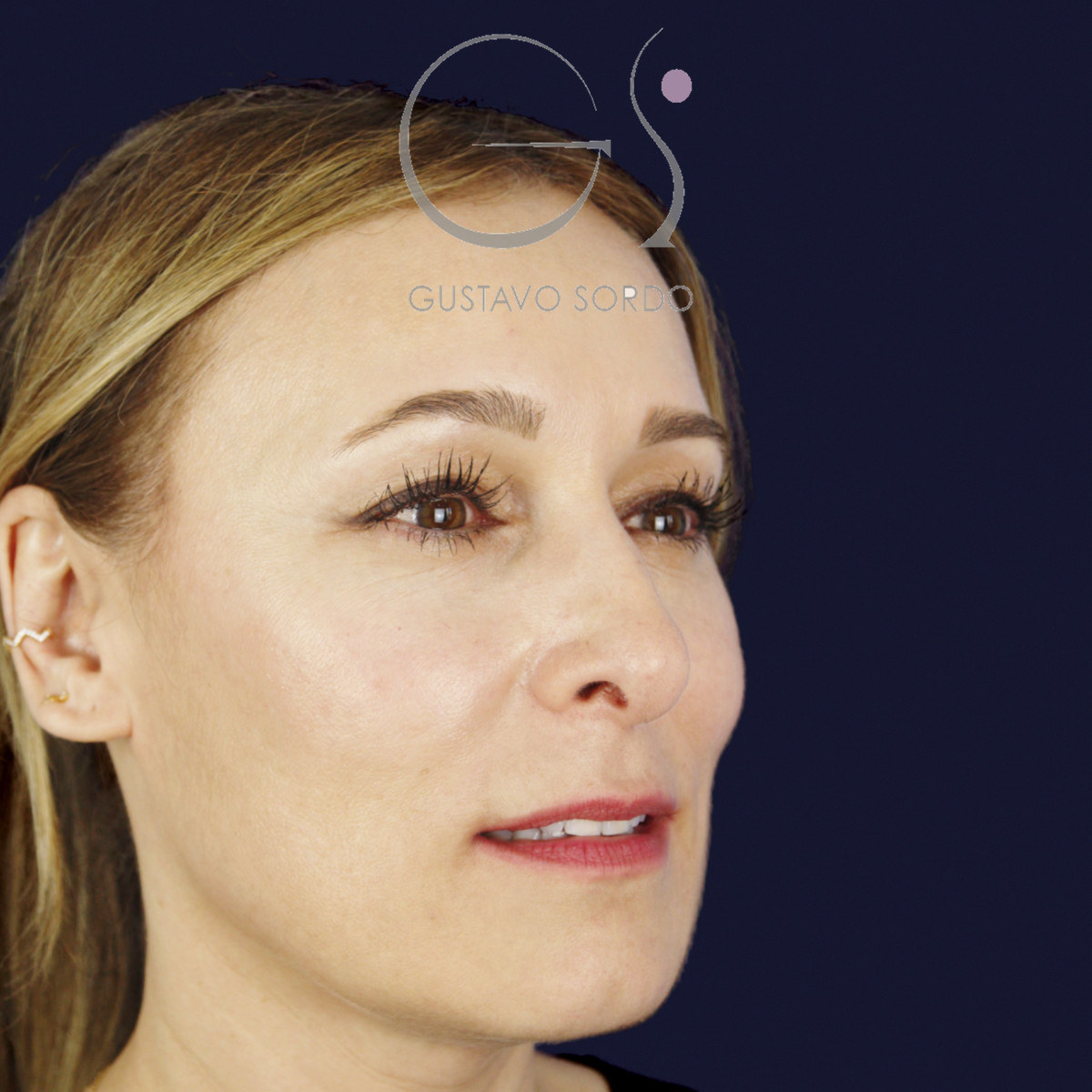
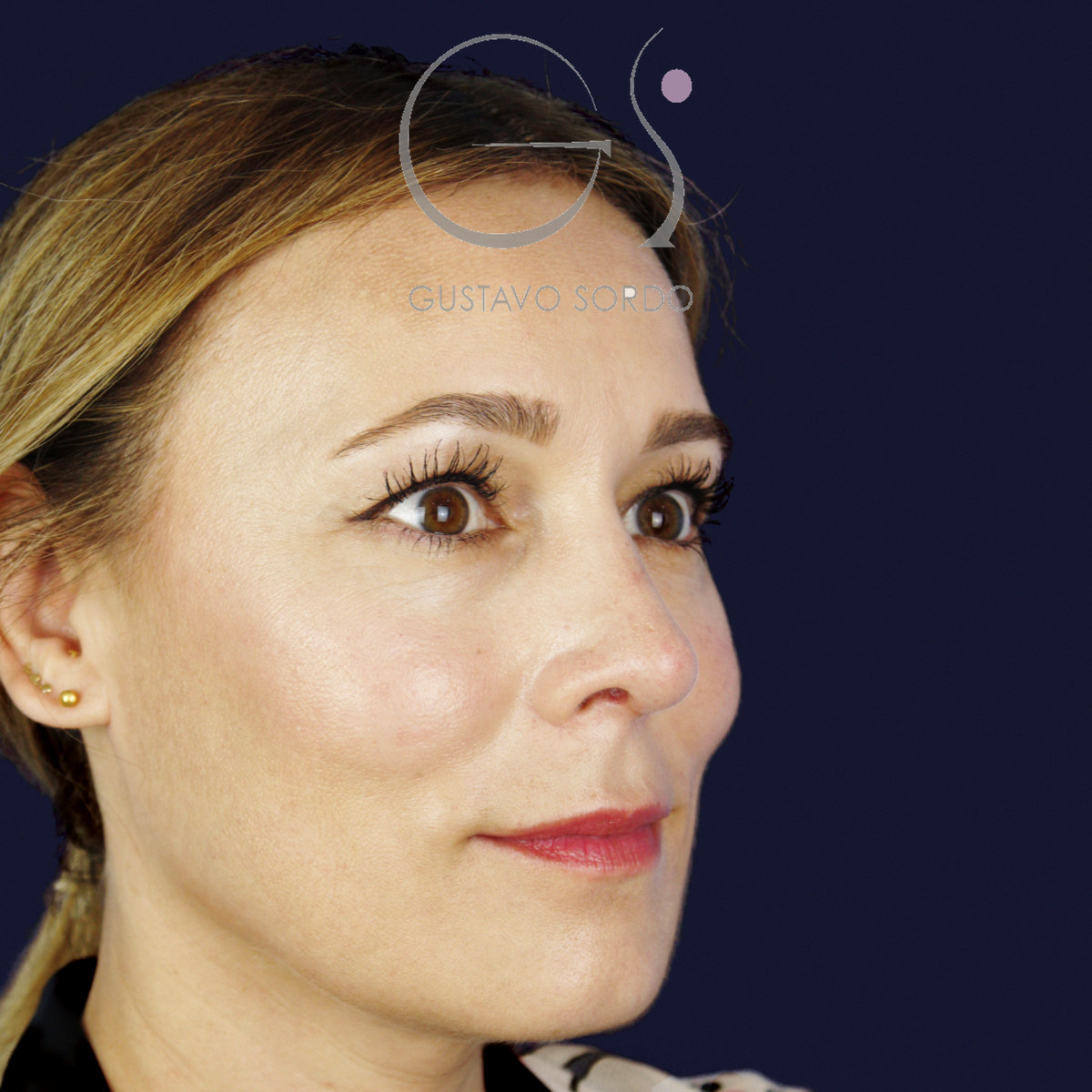
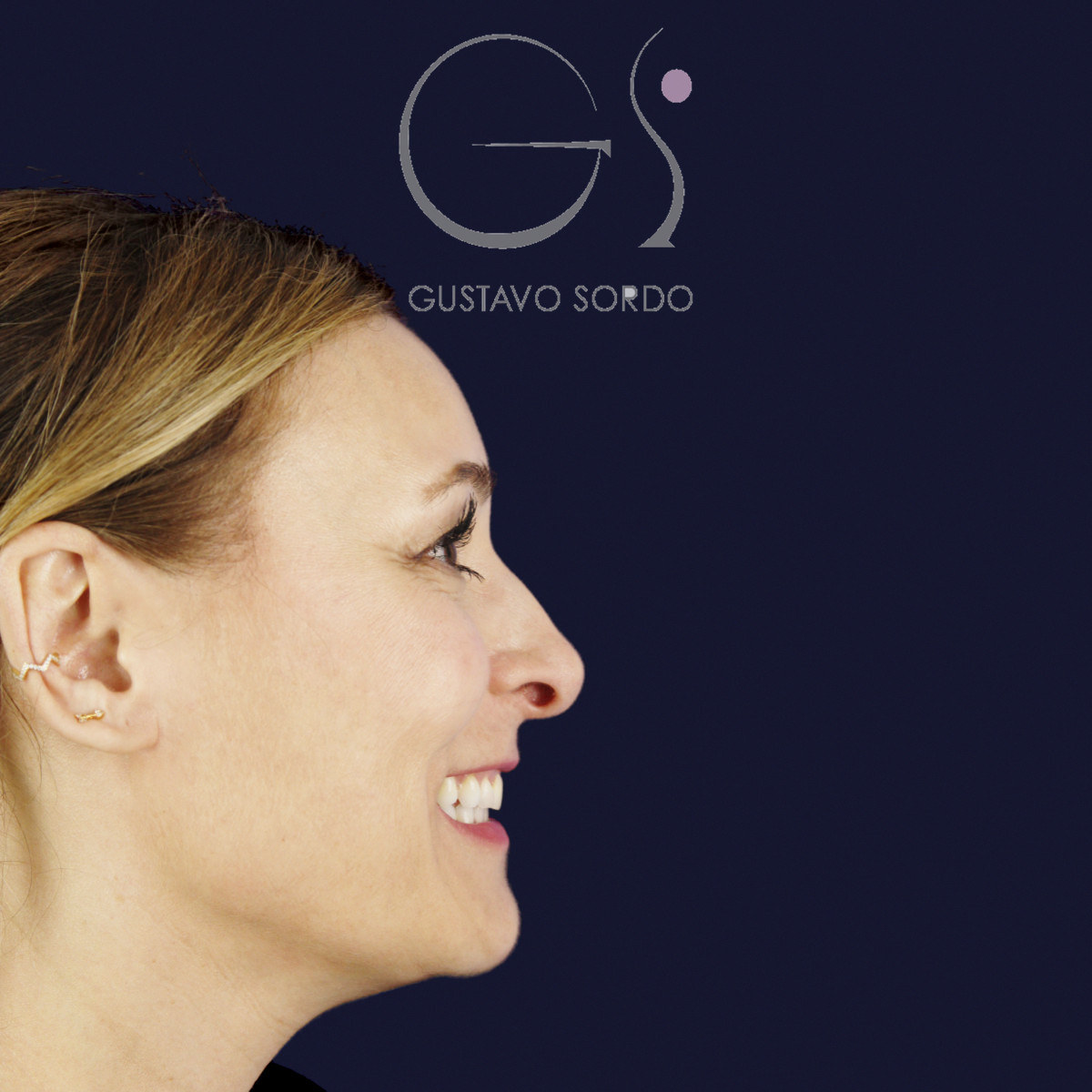
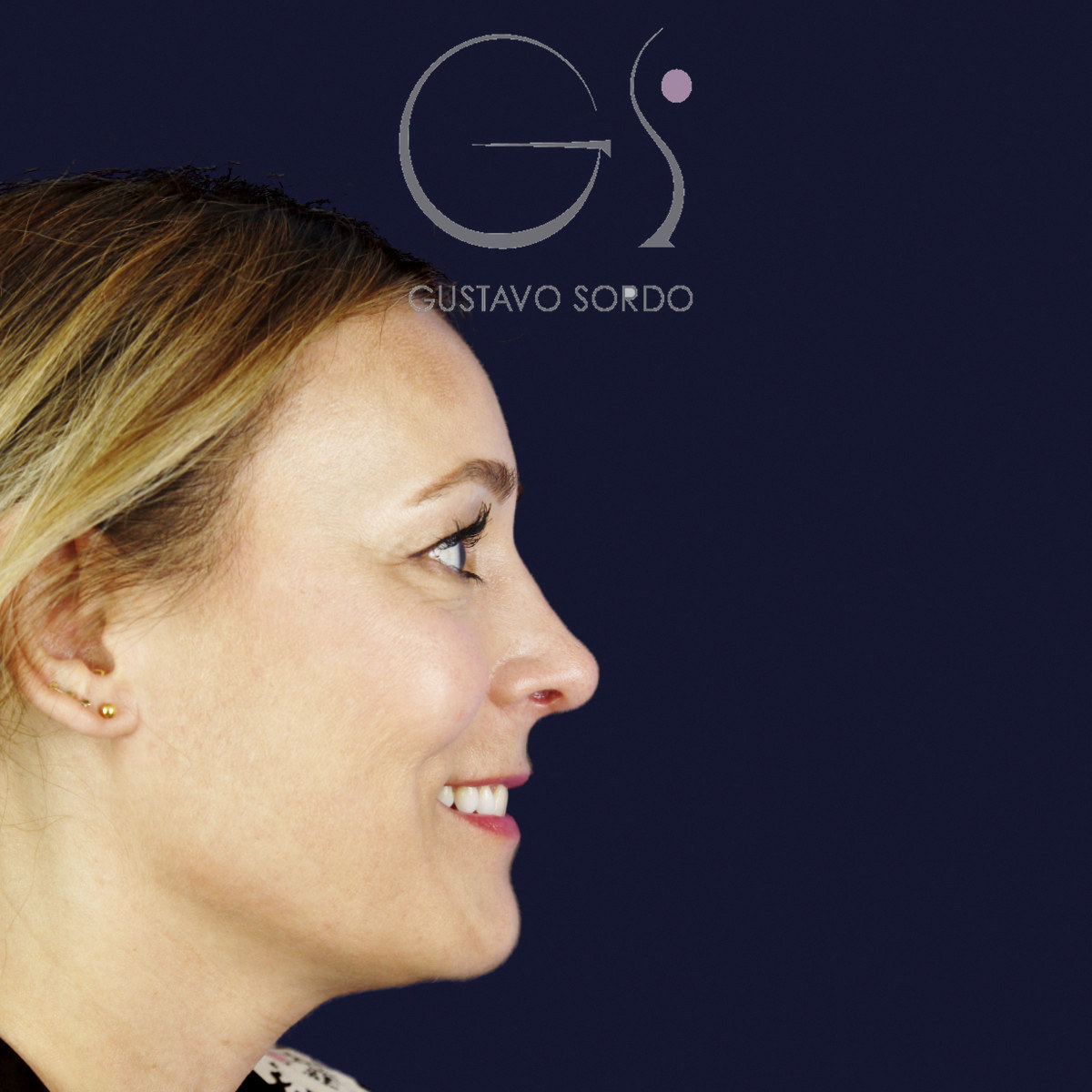
Comment by Dr. Gustavo Sordo
Reason for consultation
I wanted to correct the shape of my nose: the bridge, the tip, and the shape of my nostrils.
What I observed when evaluating it
A very small, S-shaped hump: the dorsum was relatively easy to correct. What defined this case was the alar-columellar relationship: a very pronounced pendulous columella and an extremely retracted ala, which is the most frequent combination. To put it simply: the columella, the strip of skin that separates the two nostrils, protrudes from below the ala of the nose, and the ala is retracted upwards. From below, moreover, the nostrils were asymmetrical and the caudal septum was luxated.
What was important to preserve
A natural nose, in keeping with her features, that didn't look surgically altered. With such a small hump, that required a very conservative approach to the resection.
My surgical approach
A structural ultrasonic rhinoplasty : a very conservative resection of the hump, spreader grafts for the dorsum and, at the tip, a septal extension graft to correct the alar-columellar relationship.
Why I chose this technique
Correcting the alar-columellar relationship is what creates a natural appearance. You can reduce the bridge of the nose and still leave a nose that betrays the fact it's been operated on, because the base profile doesn't match. It's an adjustment that the patient can't name when they come in for the consultation, and it's they who decide whether the result looks like a natural nose or not one that's been operated on.
What I did during surgery
I reduced the hump very conservatively with the ultrasonic scalpel, placed the spacer grafts, corrected the caudal septum luxation and worked on the turbinates, and with the septal extension graft I corrected the relationship between the wing and the columella.
What is observed in the result
The major benefit of this surgery lies in the alar-columellar relationship: in profile, the columella no longer protrudes from beneath the wing, and the wing is no longer retracted. Viewed from below, the asymmetry of the foramina and the luxation of the caudal septum are corrected.
More rhinoplasty cases involving turbinates and septum are included in this collection; the technique and the remaining cases can be found on the Madrid nose surgery page . What makes a surgically altered nose look natural is explained on the blog: Natural Rhinoplasty.
Case operated on by Dr. Gustavo Sordo
Specialist in Plastic, Aesthetic and Reconstructive Surgery. Member No. 282858125.
Before you compare yourself to this photo
Not all noses need ultrasound, nor do they all benefit equally. In our ultrasonic rhinoplasty guide, we explain in which cases the outcome varies.
Do you want to know if this can be done in your case?
The first consultation is with Dr. Sordo, either at the Chamberí clinic or via video consultation. You'll leave knowing if you're a candidate, which technique is right for you, and how much it costs.
Dr. Gustavo Sordo · Member No. 282858125 · Plastic, Aesthetic and Reconstructive Surgery · Madrid