Ethnic rhinoplasty with alarplasty: before and after
Case fact sheet
- Patient: Female, 27 years old
- Reason: A rhinoplasty tailored to her features, respecting the character of her face.
- Starting nose: ethnic nose with thick skin and bulbous tip, and an alar base wider than the vertical line drawn from the inner corners of the eyes
- Technique: structural rhinoplasty with ultrasonic instrumentation and alarplasty; narrowing of the bony skeleton
- Septum and turbinates: septoplasty and turbinates in the same surgery
- Approach: Reduce the alar base to the line of the inner canthi without changing the character of the nose
- Result: eleven months after the operation
- Entry: 1 night
- Anesthesia: general type TIVA
- Duration: 3 hours long.
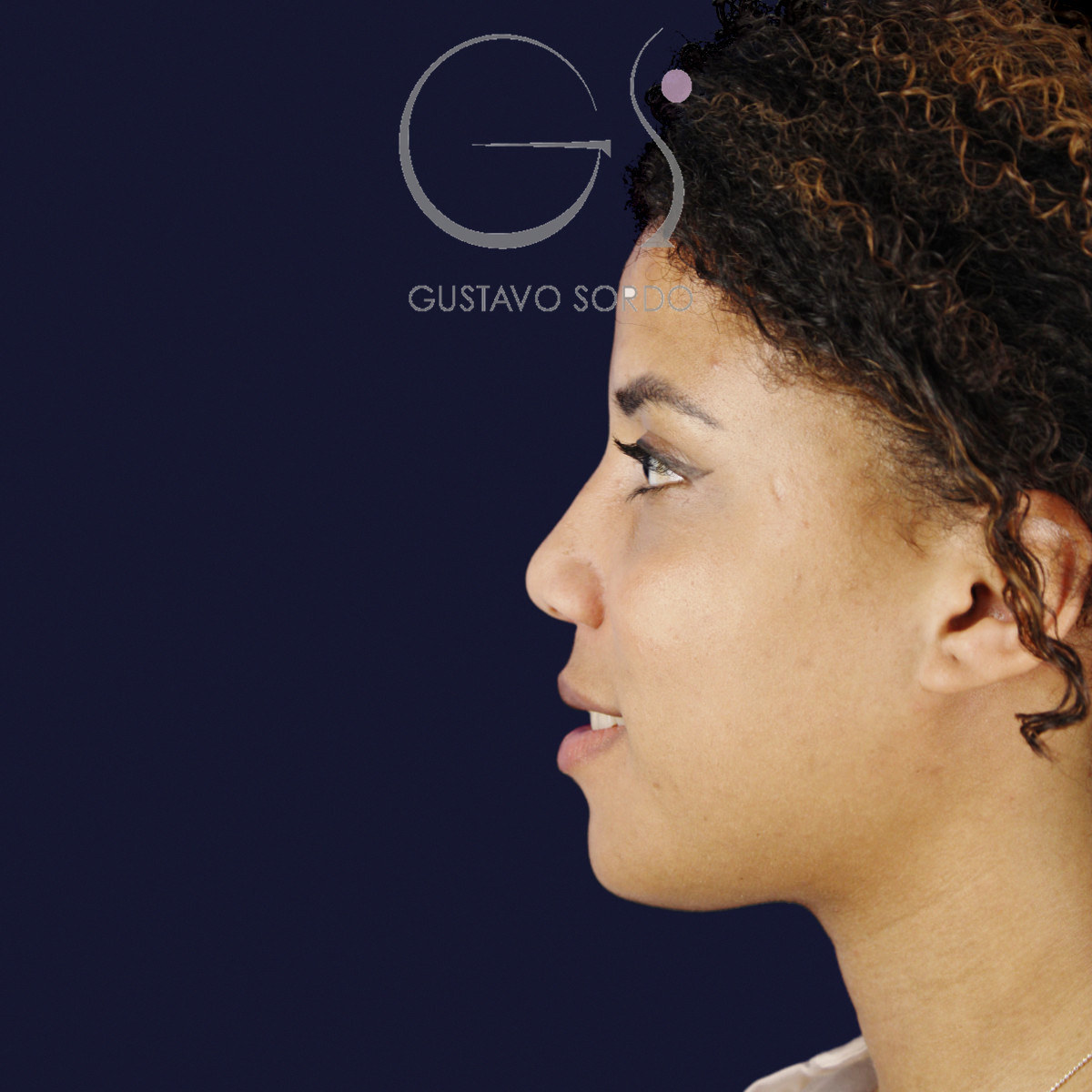
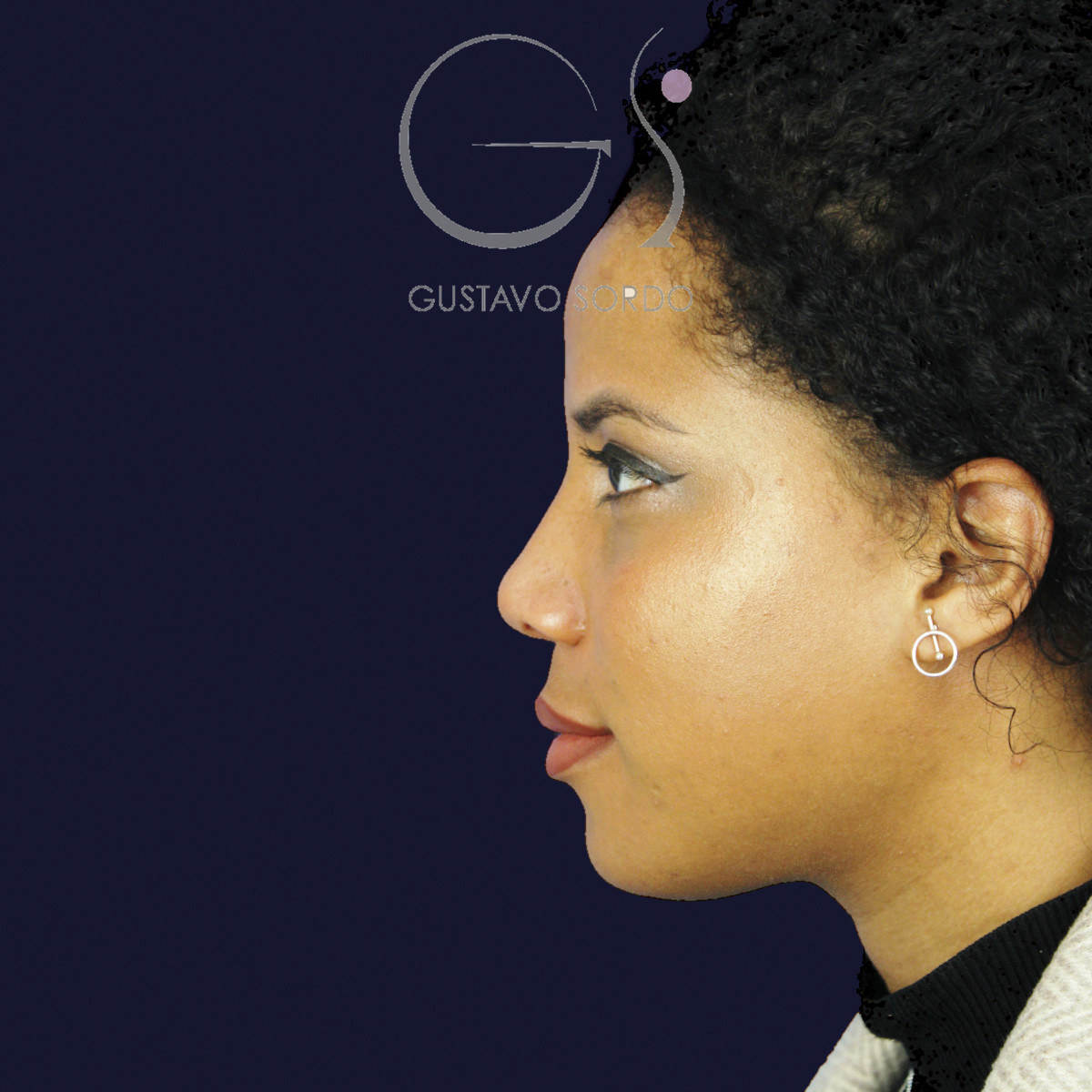
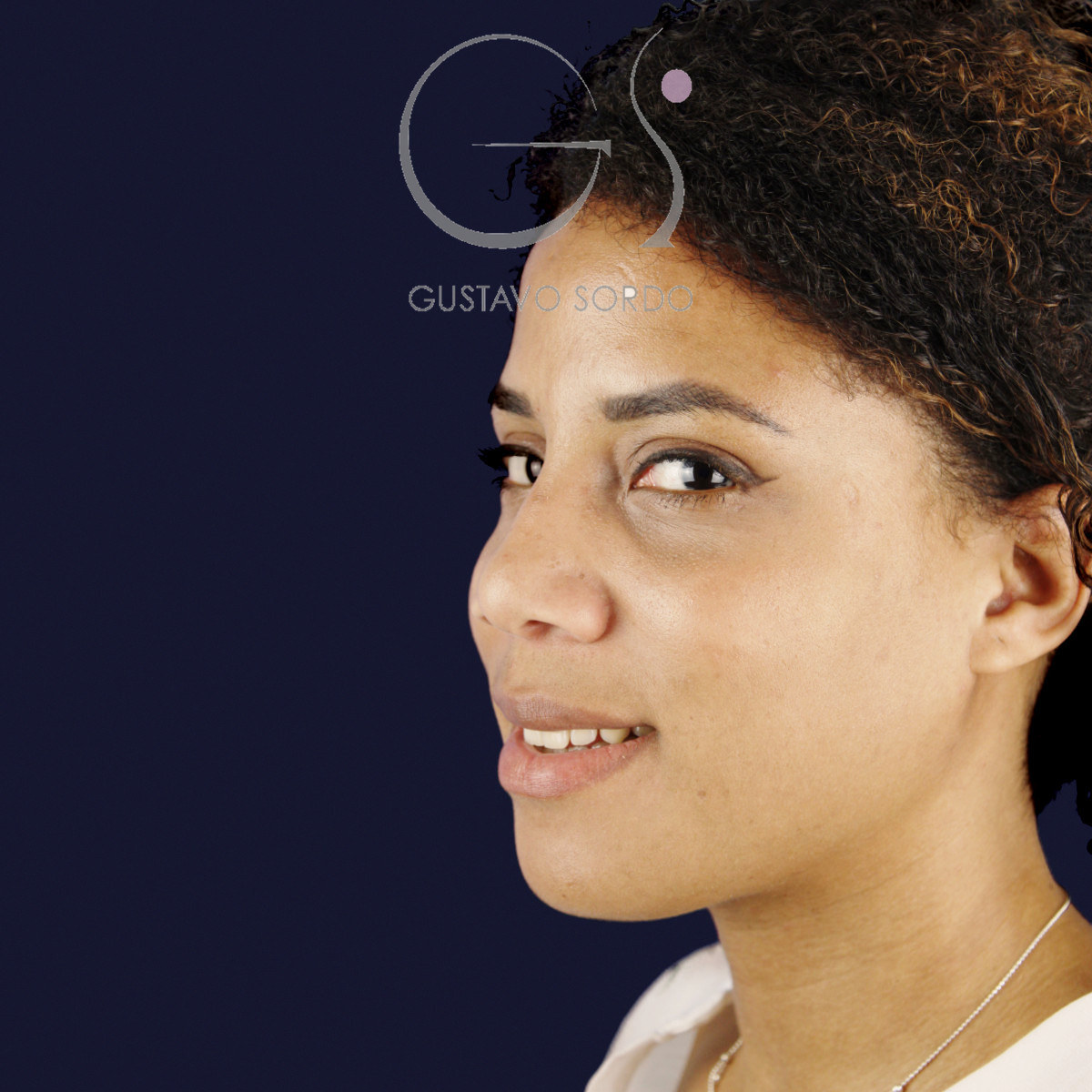
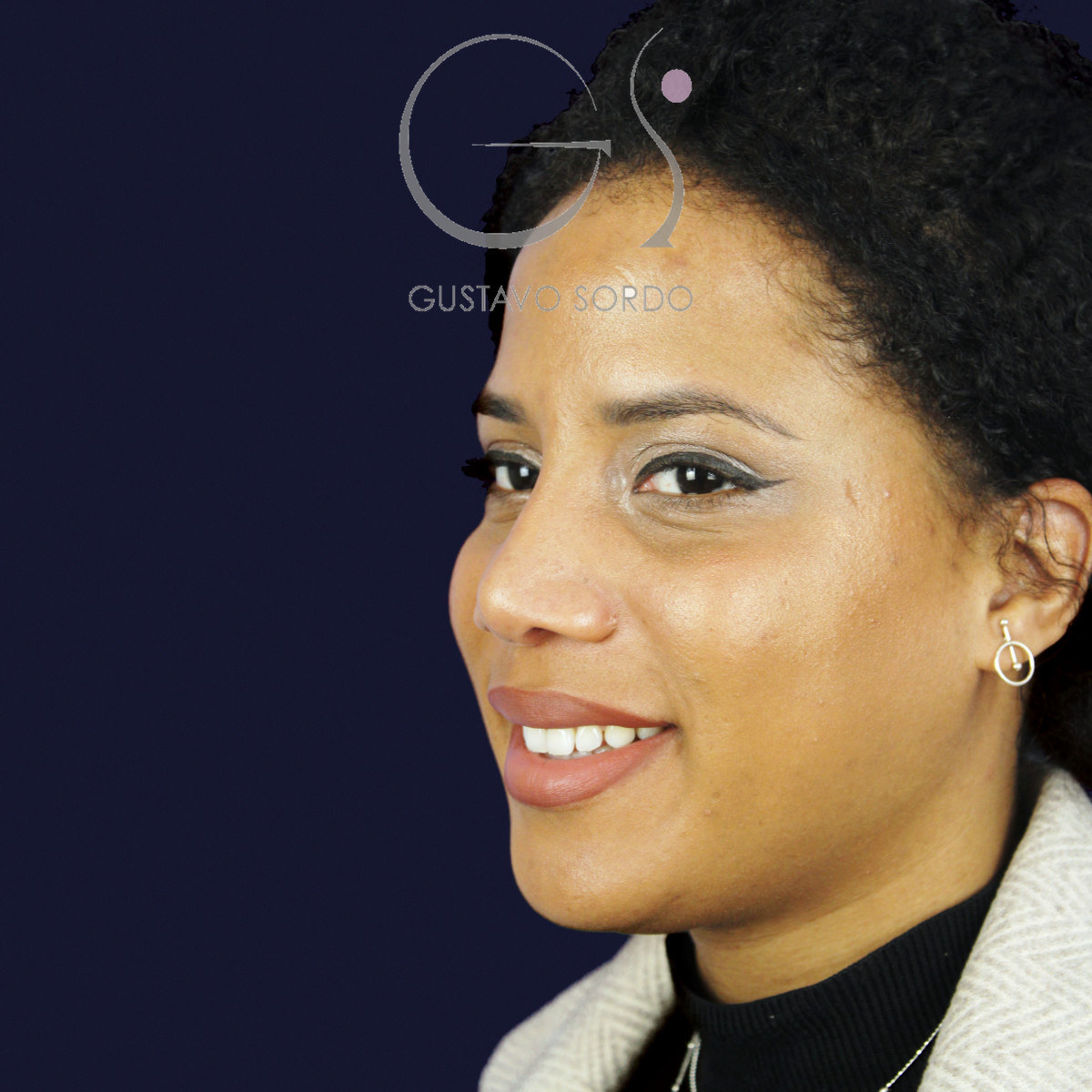
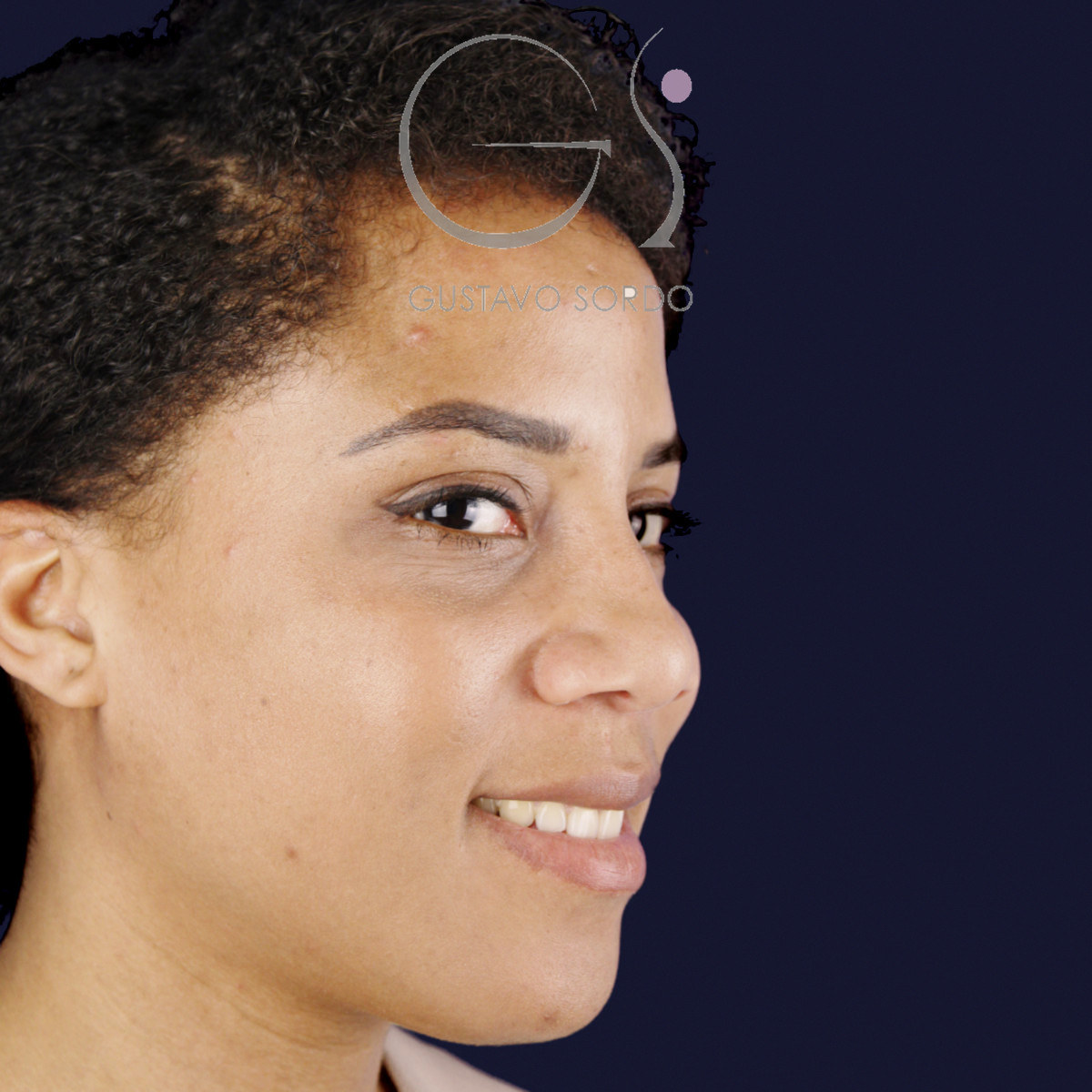
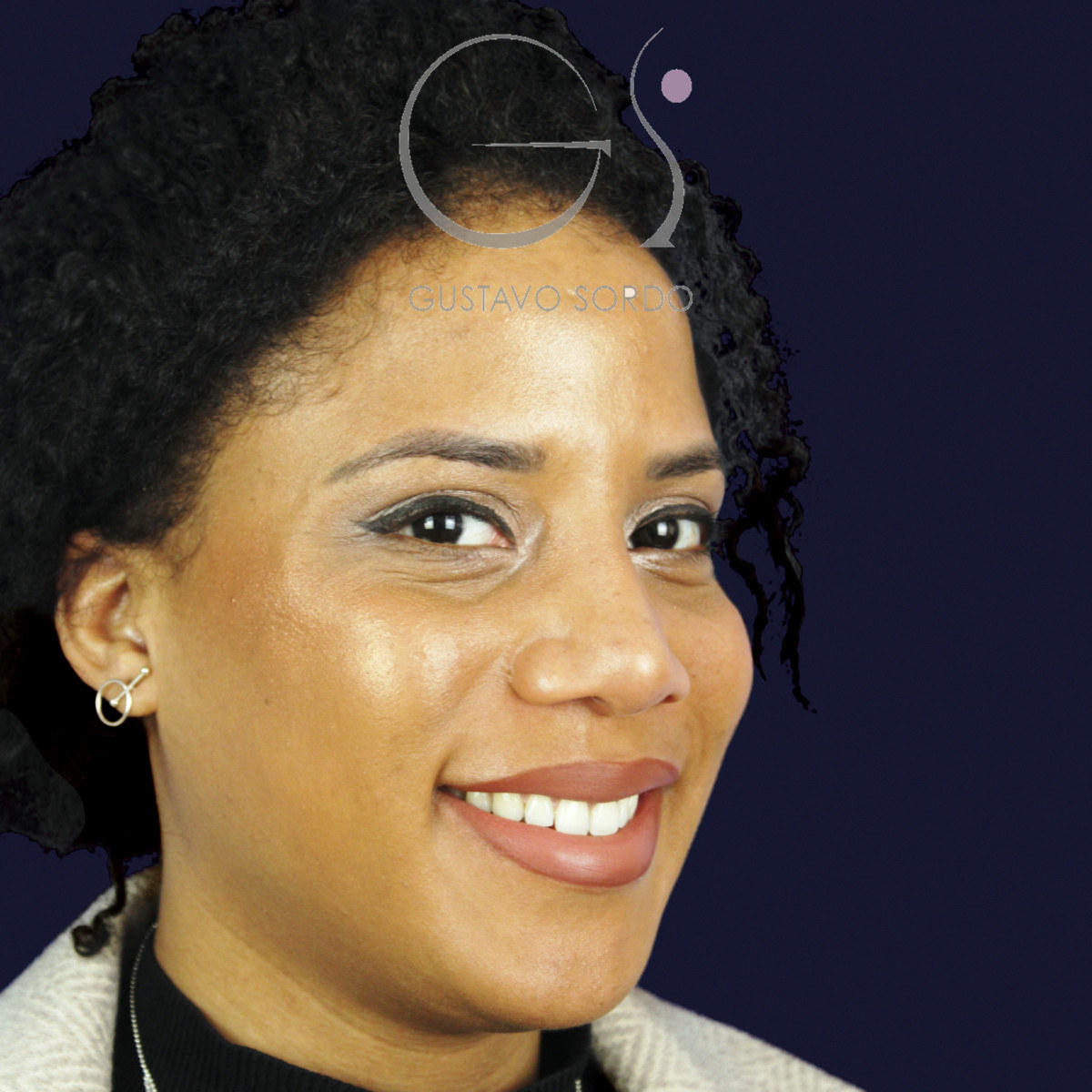
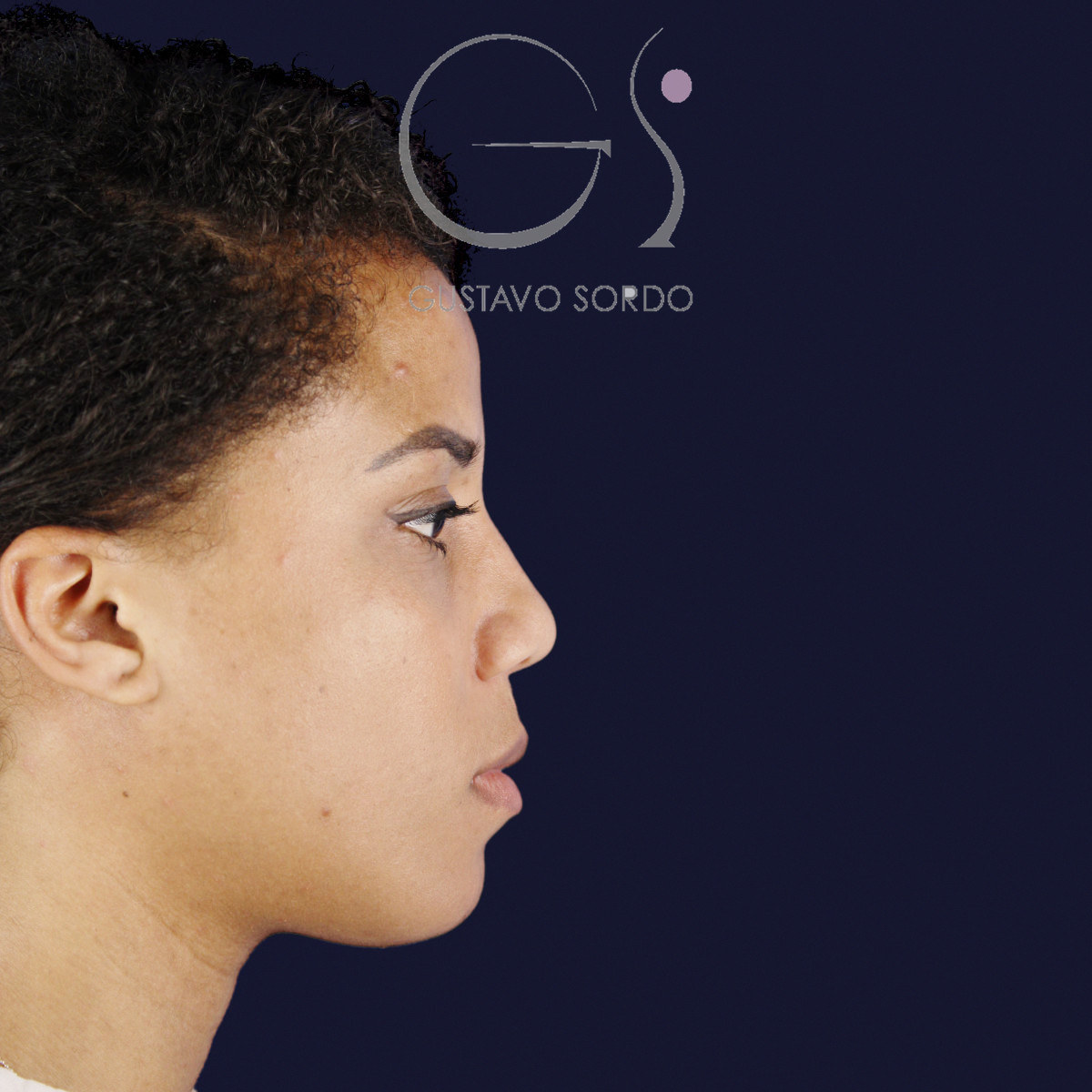
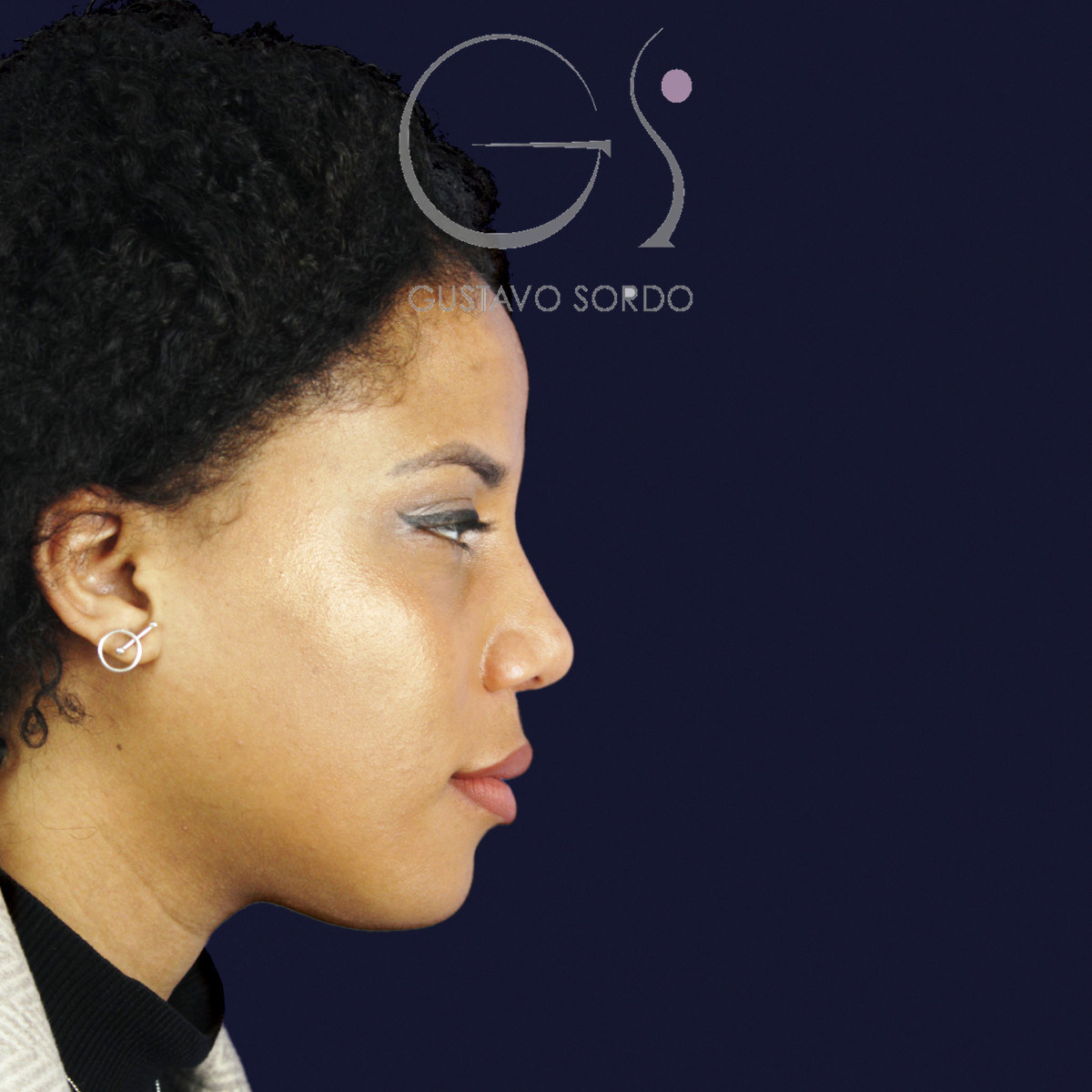
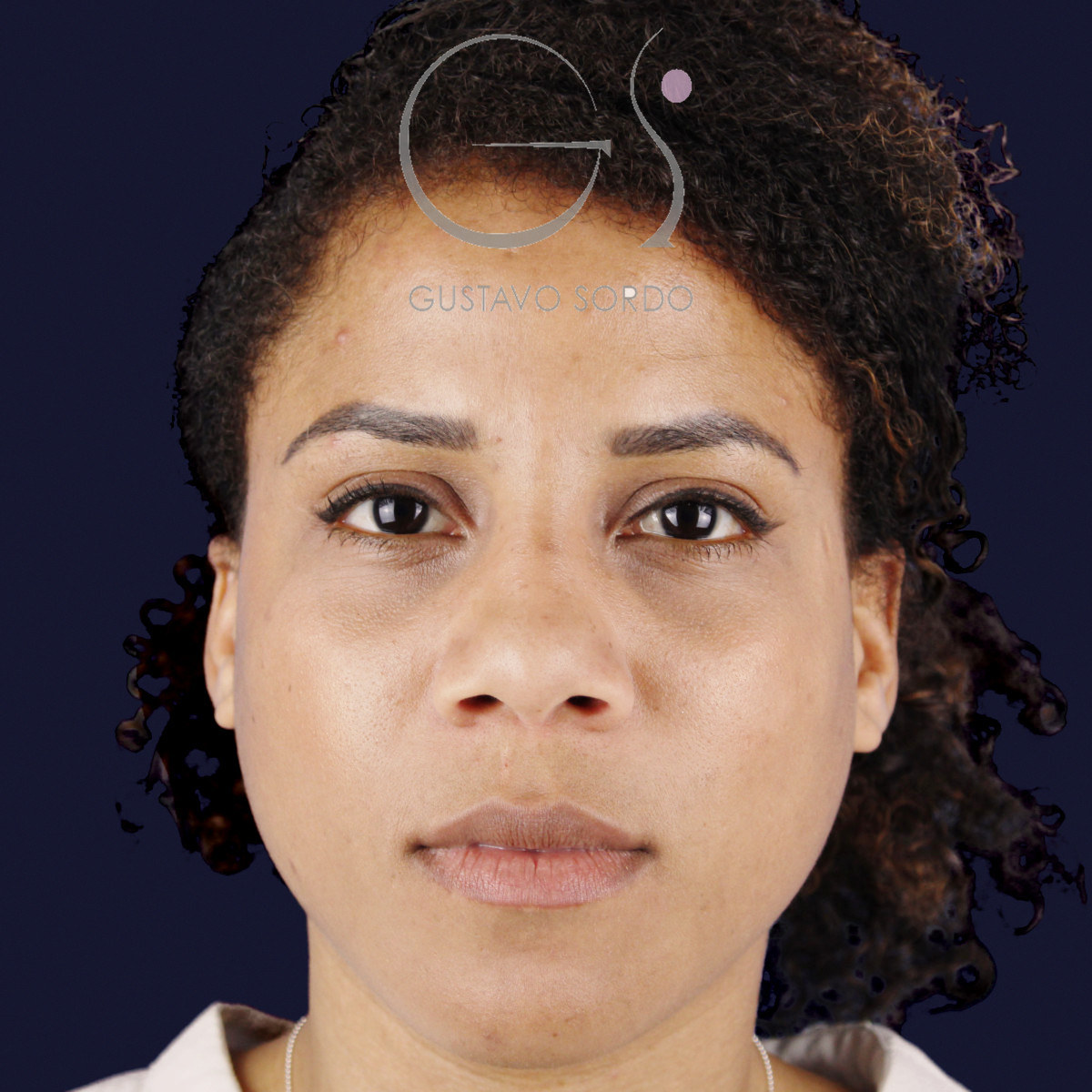
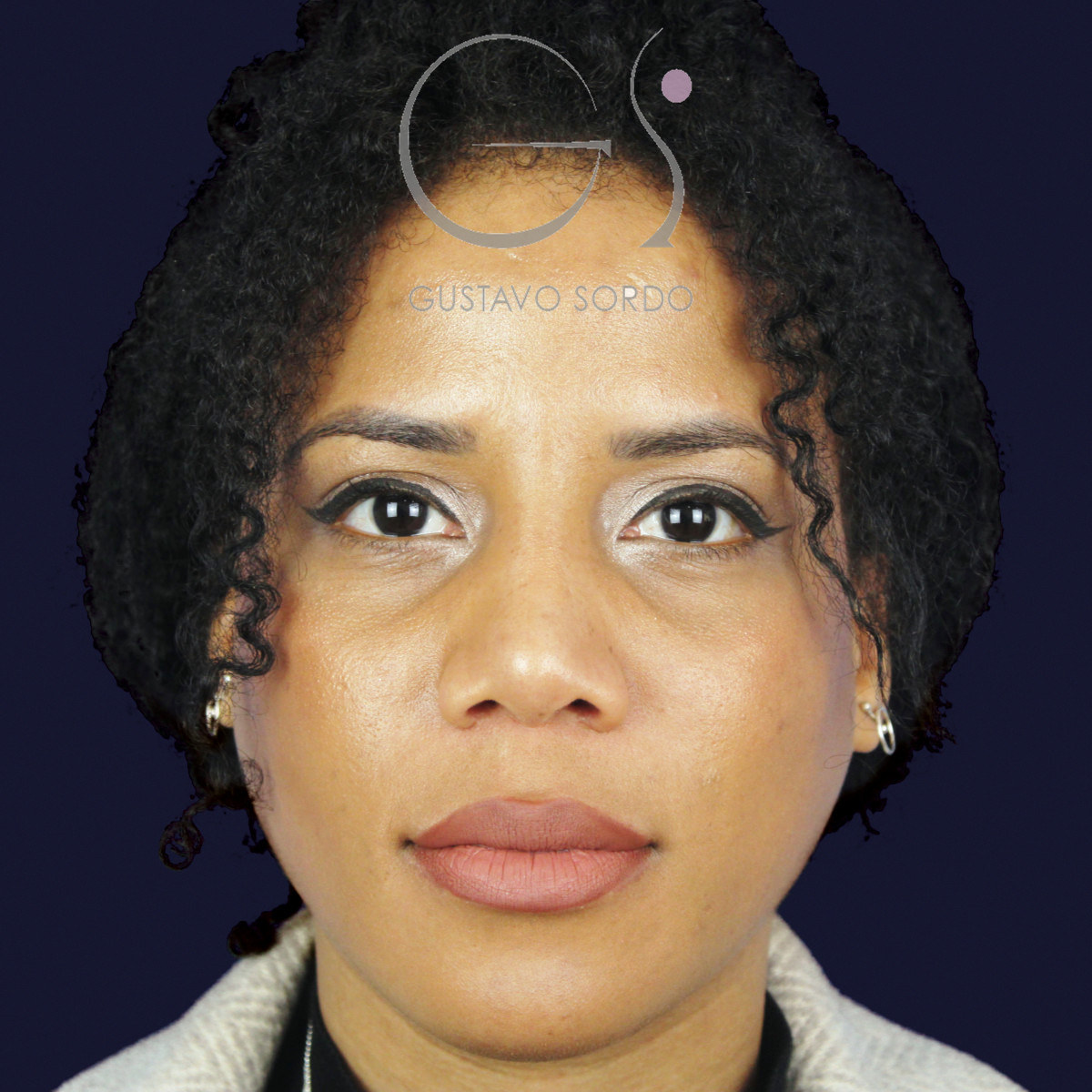
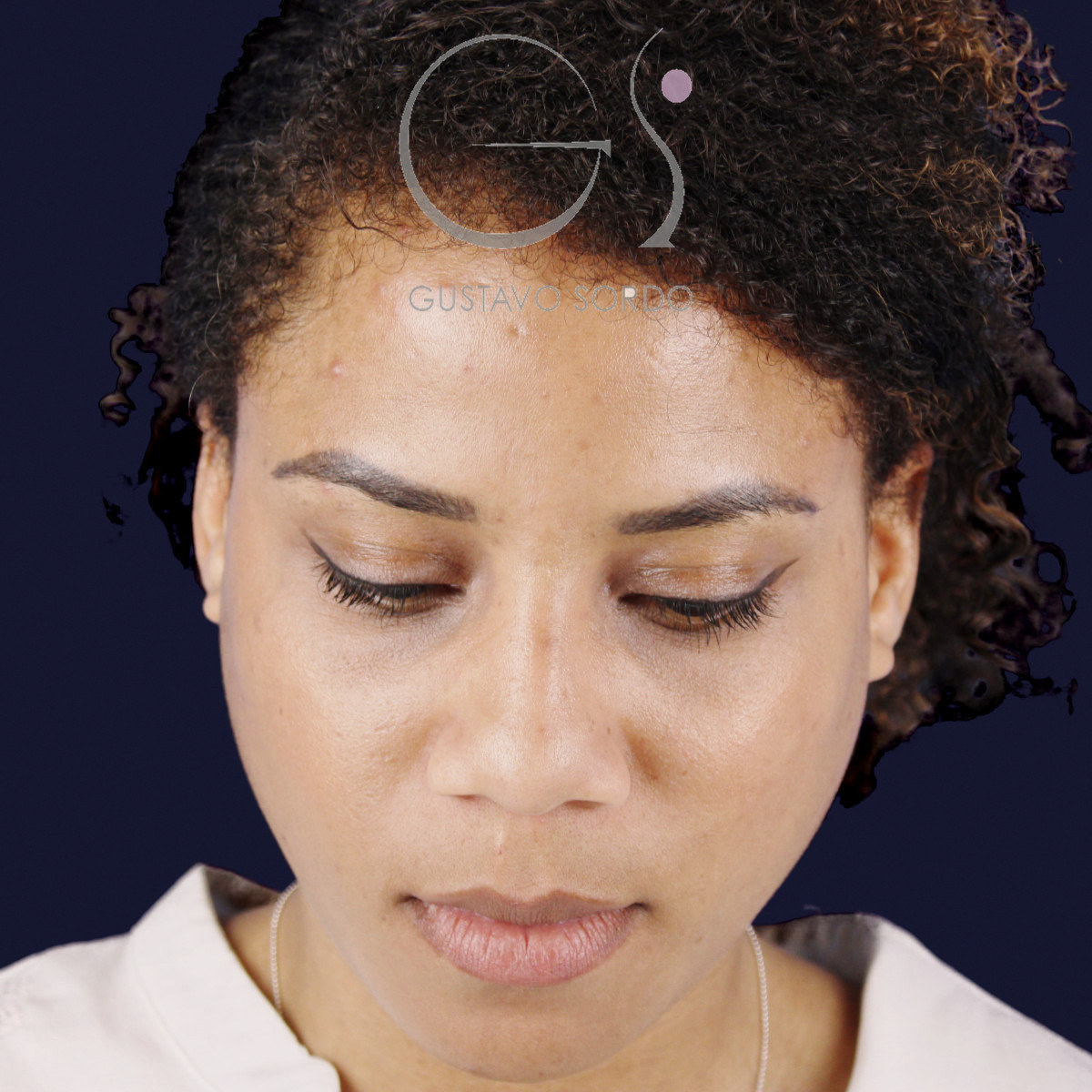
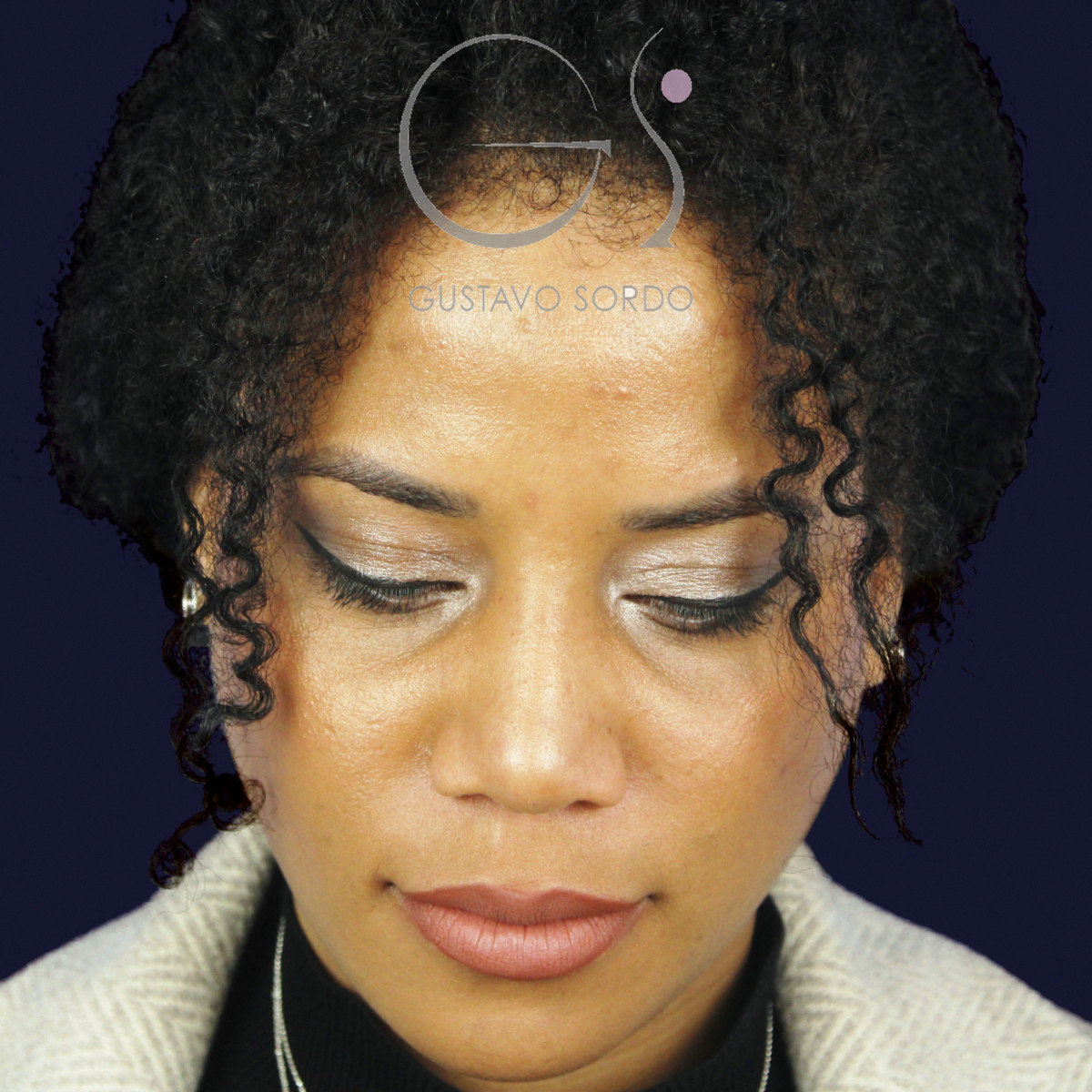
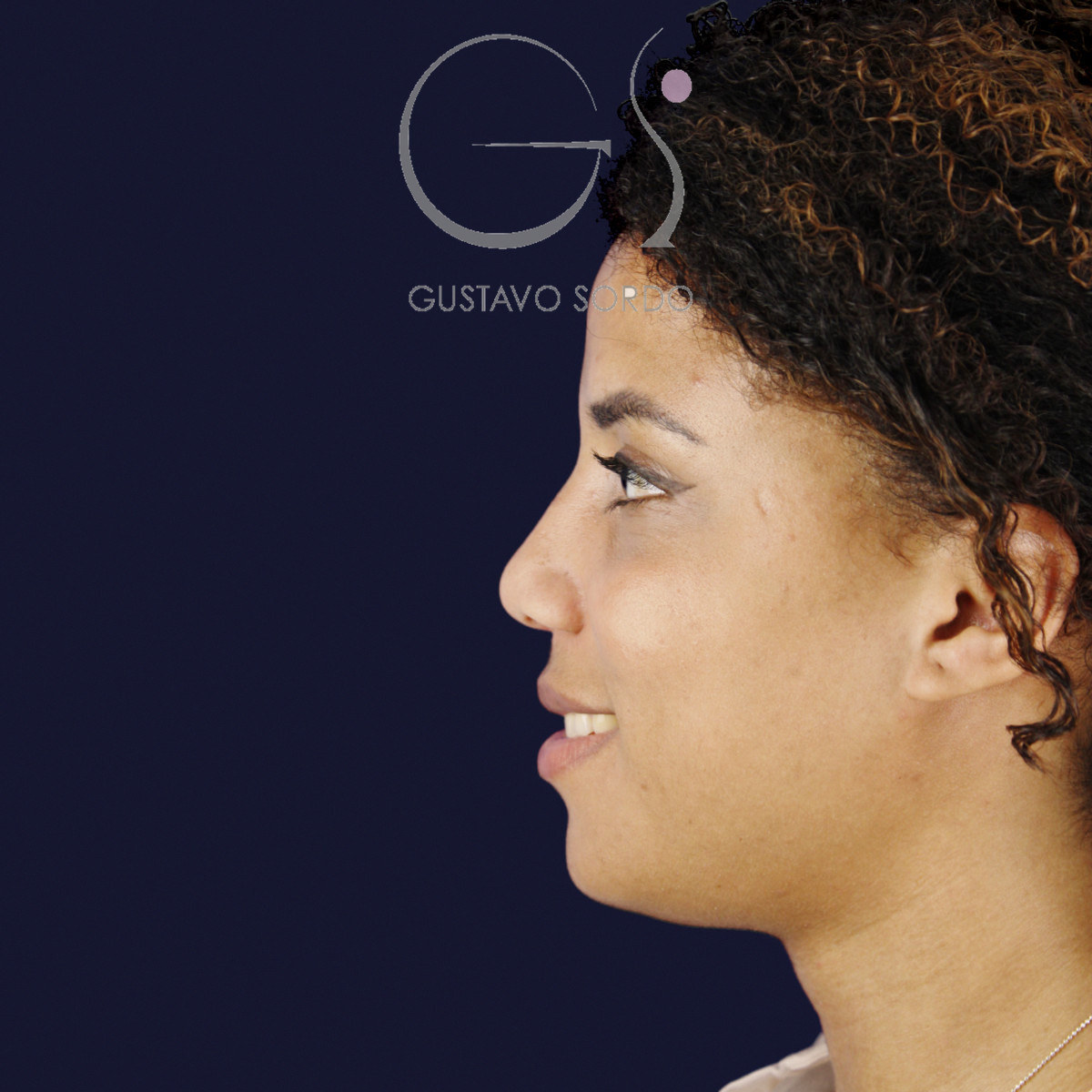
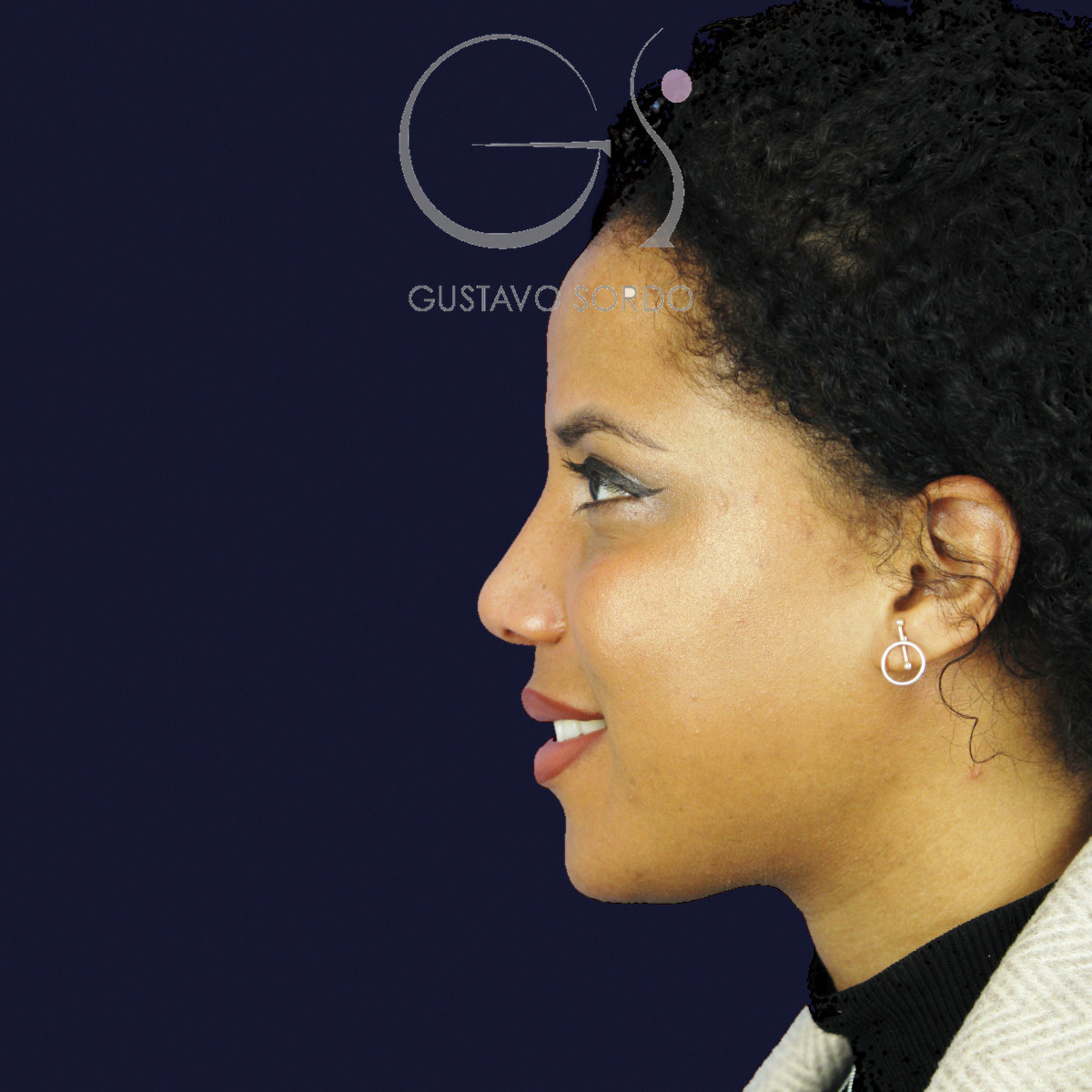
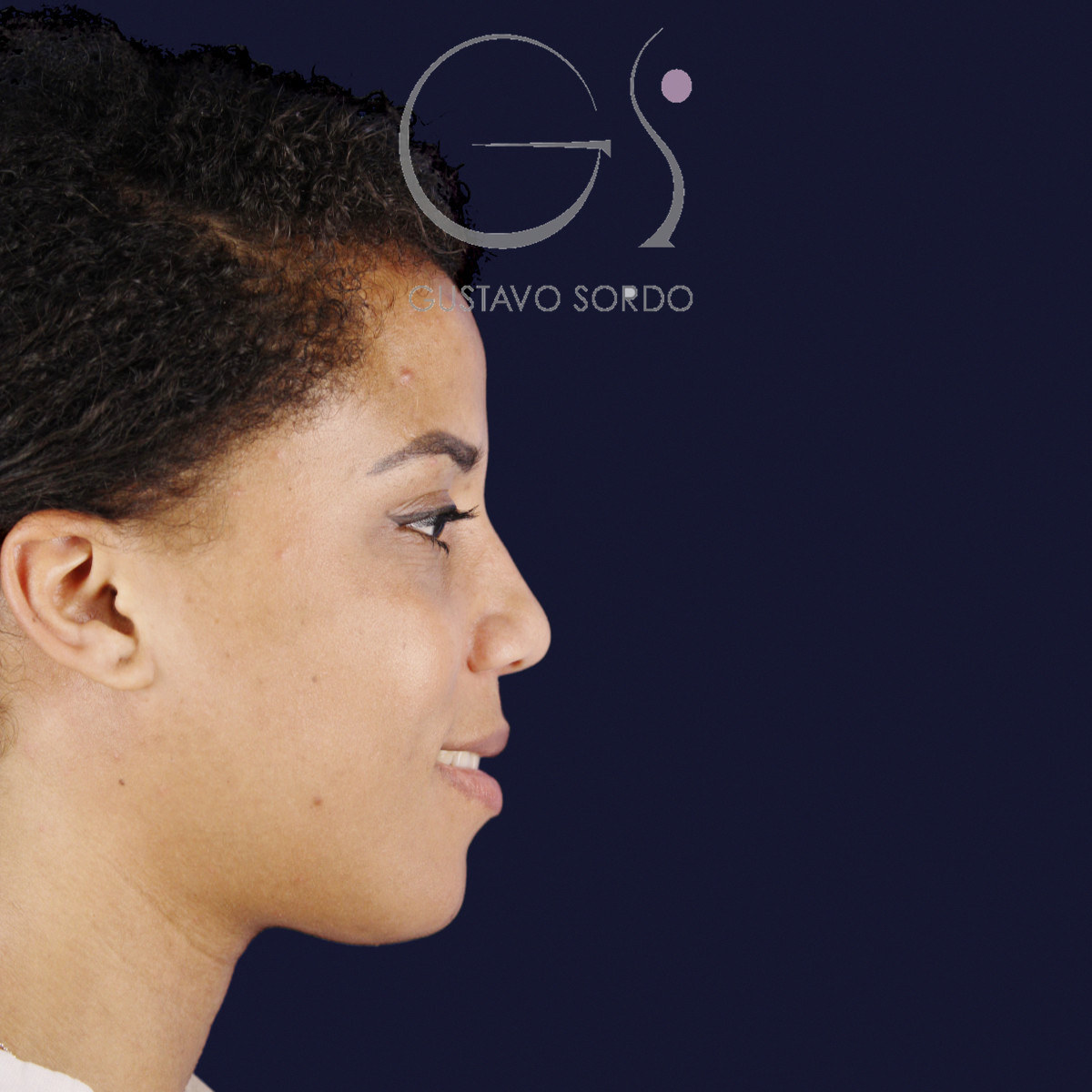
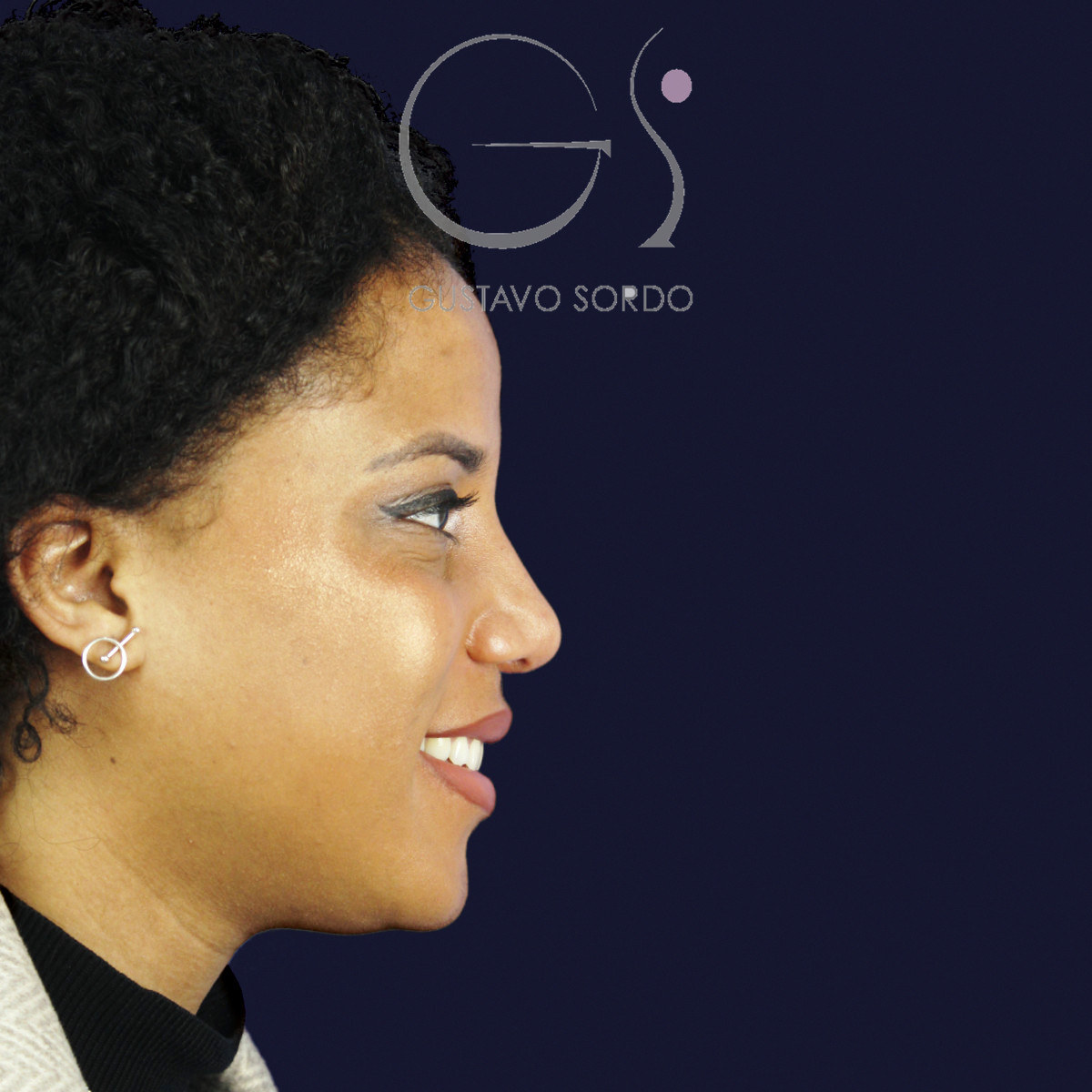
A patient seeking rhinoplasty tailored to her ethnic features: thick skin, bulbous tip, and an alar base wider than the line of her inner canthi. Ultrasonic rhinoplasty with alarplasty, with photos taken eleven months later.
Photos taken eleven months after the operation
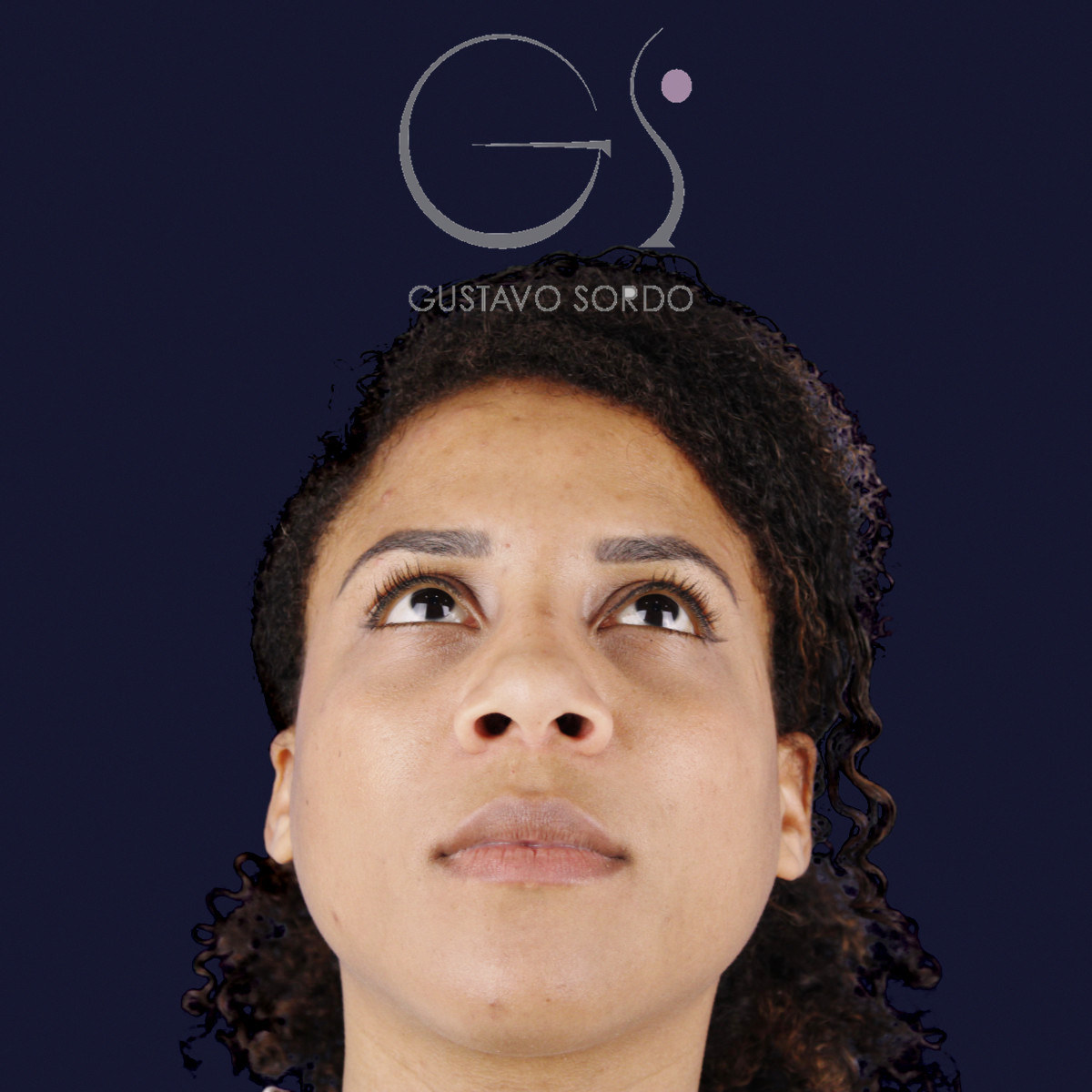
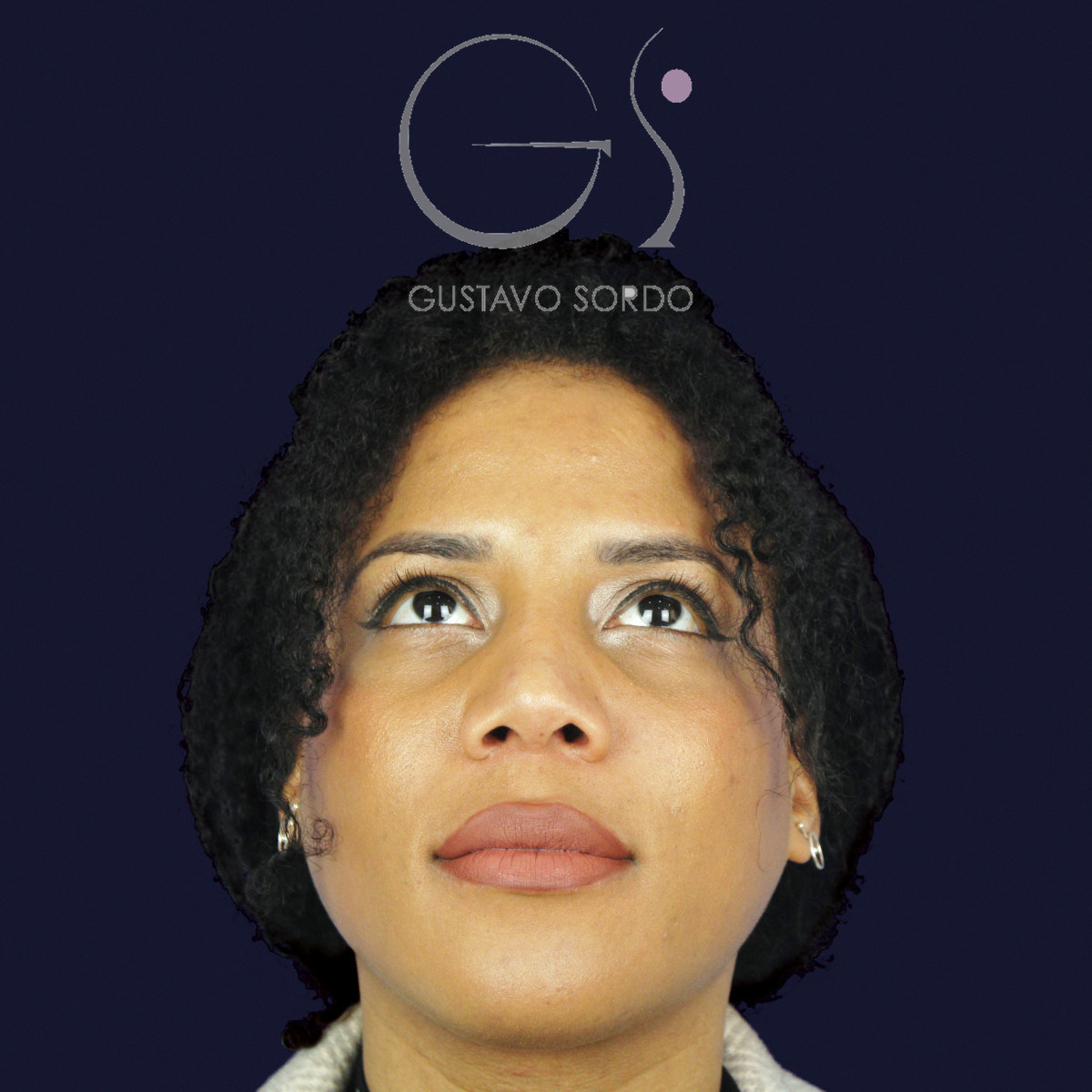
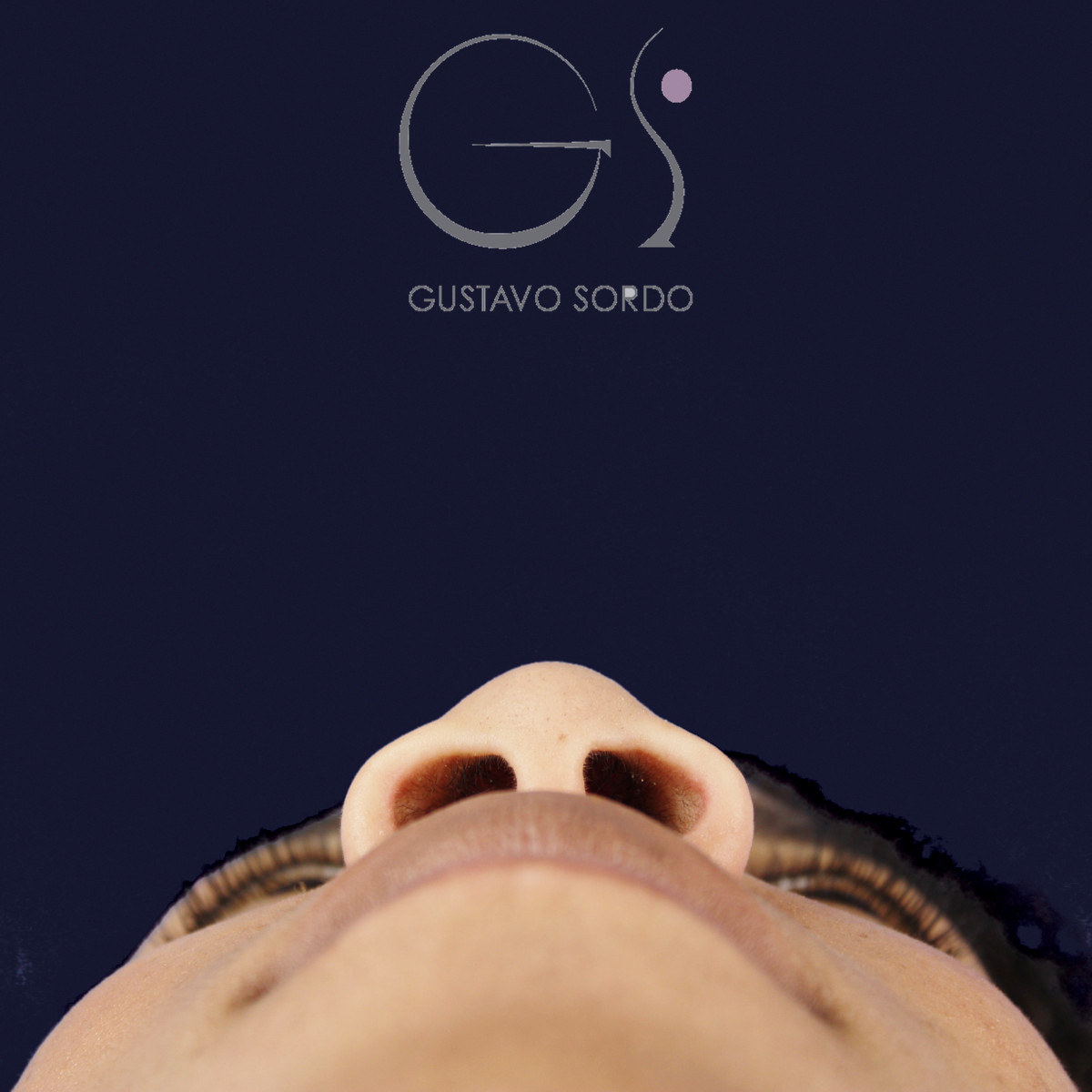
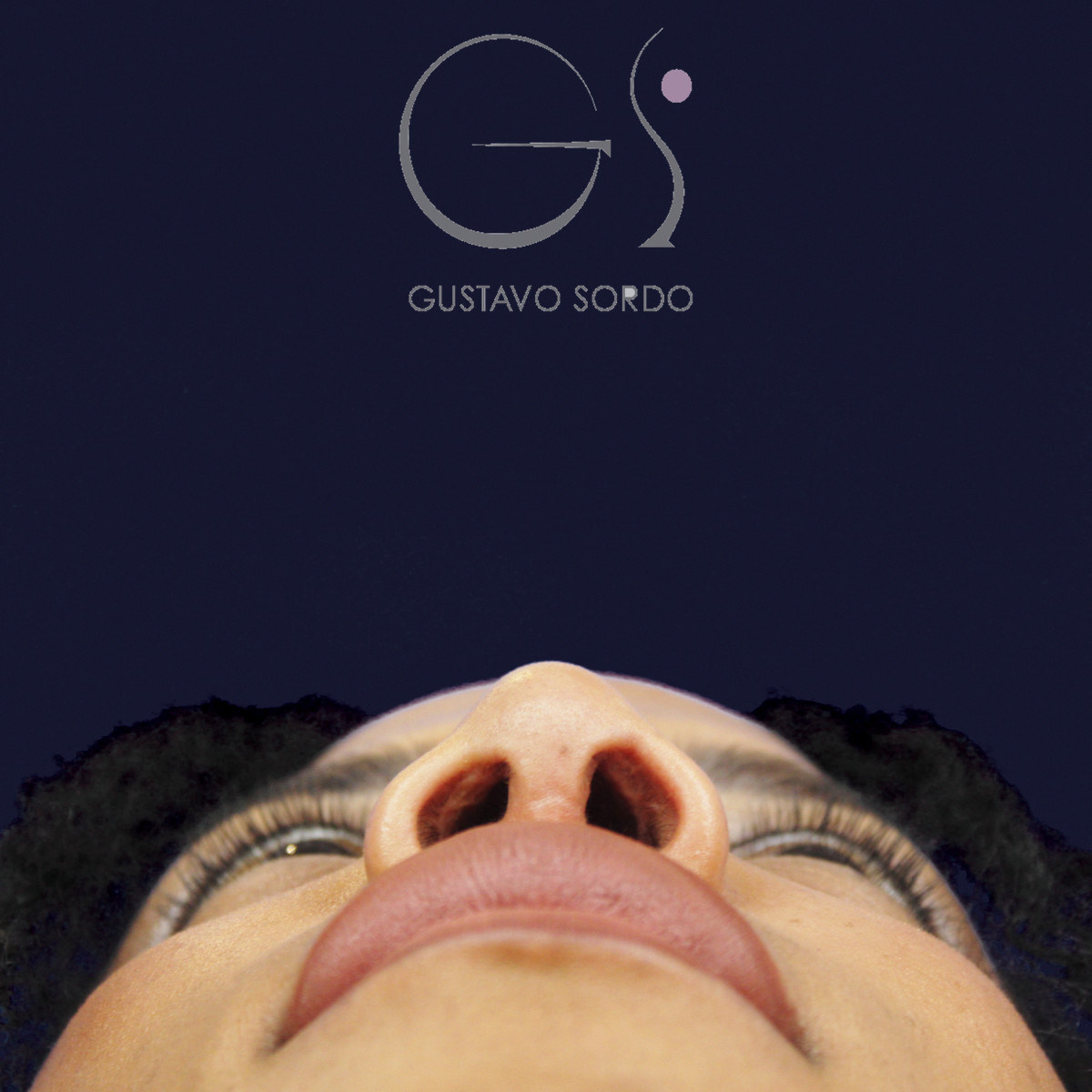
The "after" photos are from her February 2020 follow-up, eleven months after the surgery. The basal view clearly shows the reduction of the nostrils; from the front, the base of the nose is narrower; and in profile, the nose retains its shape.
Comment by Dr. Gustavo Sordo
Reason for consultation
This patient, of African descent, was looking for a rhinoplasty adapted to her ethnic characteristics, respecting the features of her own face.
What I observed when evaluating it
The base of the nose extended beyond the lateral limit of an imaginary line drawn vertically from the inner corners of the eyes, a criterion I use to assess whether the width of the nasal base is proportionate to the rest of the face. The skin was thick, and the tip was bulbous.
What was important to preserve
In ethnic rhinoplasty , the goal is not to "Westernize" the nose, but to improve its proportions while respecting the patient's characteristic features; in this case, the focus was on the alar base, not on changing the overall character of the nose.
My surgical approach
I proposed an ultrasonic rhinoplasty combined with alarplasty, to reduce the alar base until it is adjusted to the limit marked by the inner canthi of the eyes.
Why I chose this technique
Alarplasty allows for a controlled reduction of the width of the nasal base without altering the rest of the proportions, while ultrasonic rhinoplasty offers the necessary precision to treat the rest of the nasal structure while maintaining the patient's ethnic character.
What I did during surgery
I performed an alarplasty to reduce the nasal base, adjusting it to the imaginary line drawn from the inner corners of the eyes, along with ultrasonic rhinoplasty on the rest of the nose, narrowing the bony structure. In the same surgery, I corrected the septum and turbinates.
What is observed in the result
The reduction of the nostrils is clearly visible from below. The result is a natural-looking nose with harmonized proportions and a well-adjusted nostril base, respecting the patient's ethnic features at all times.
Another case of ethnic rhinoplasty , with before and after photos; the technique and other cases can be found on the Madrid nose surgery page . I explain what ethnic rhinoplasty takes into account on the blog: Ethnic Rhinoplasty and Latin Nose.
Case operated on by Dr. Gustavo Sordo
Specialist in Plastic, Aesthetic and Reconstructive Surgery. Member No. 282858125.
Regarding this intervention
The ultrasonic scalpel allows for more precise bone work and typically leaves less bruising. It truly makes a difference in ultrasonic rhinoplasty.
Do you want to know if this can be done in your case?
The first consultation is with Dr. Sordo, either at the Chamberí clinic or via video consultation. You'll leave knowing if you're a candidate, which technique is right for you, and how much it costs.
Dr. Gustavo Sordo · Member No. 282858125 · Plastic, Aesthetic and Reconstructive Surgery · Madrid