Rhinoplasty in a woman with a deviated septum: before and after
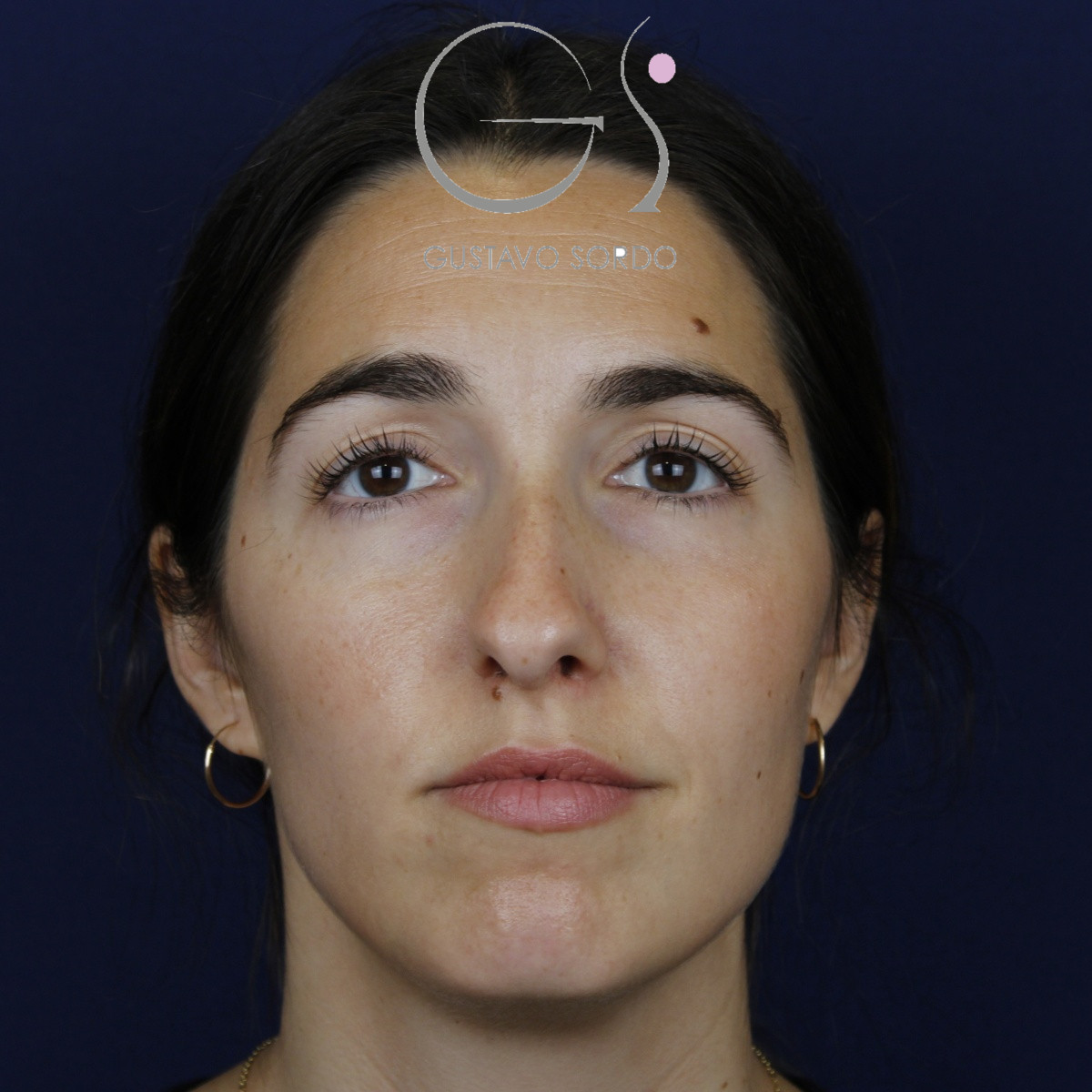
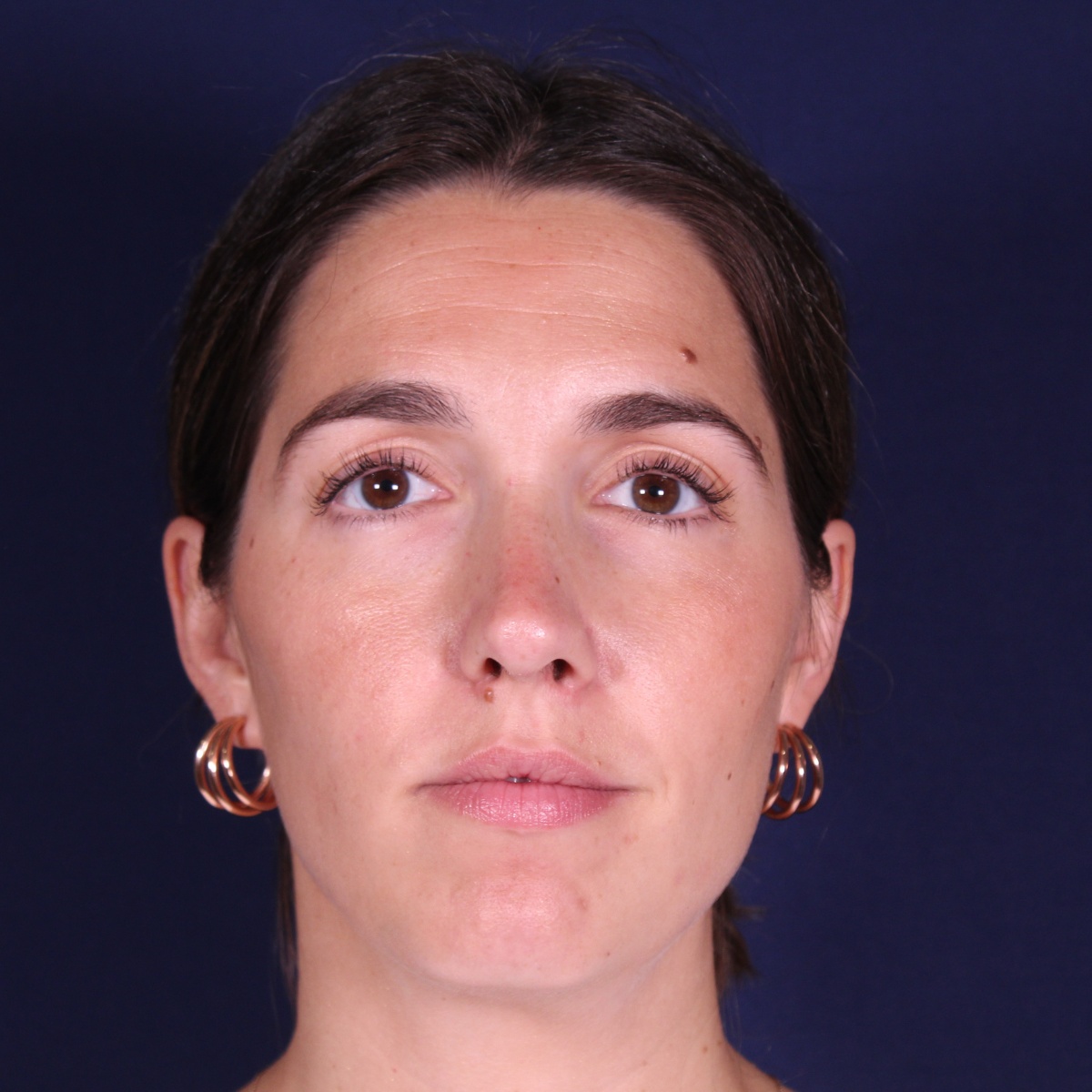
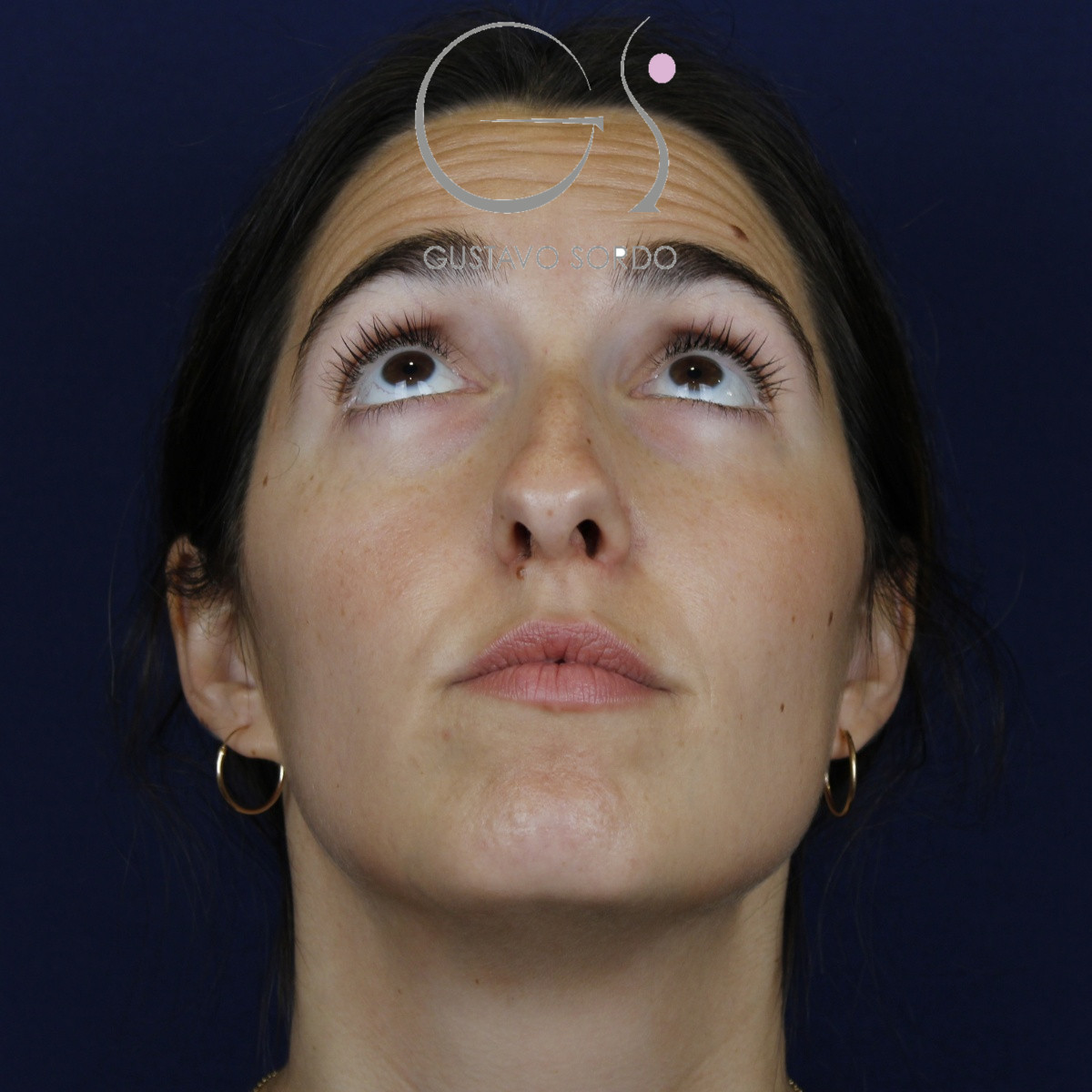
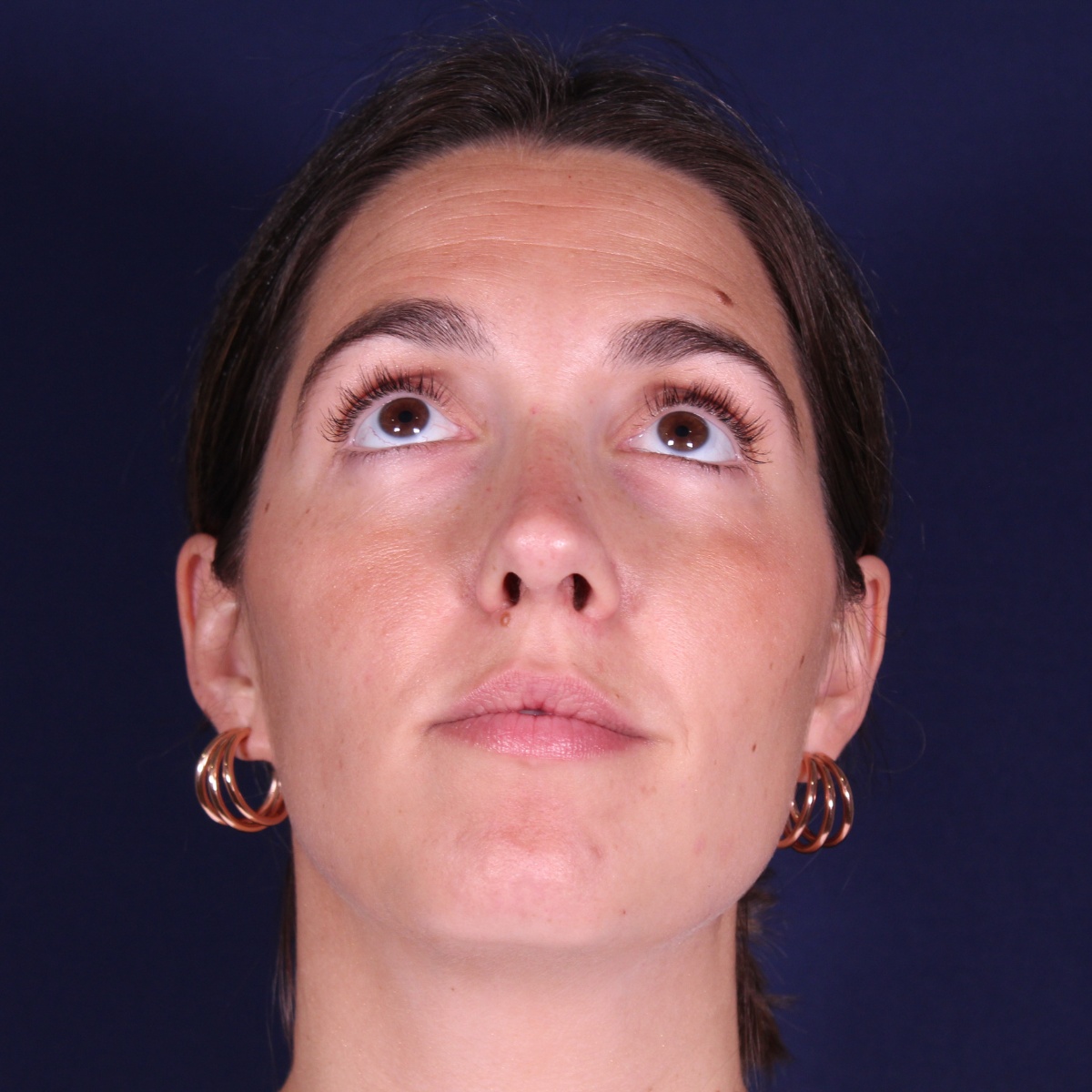
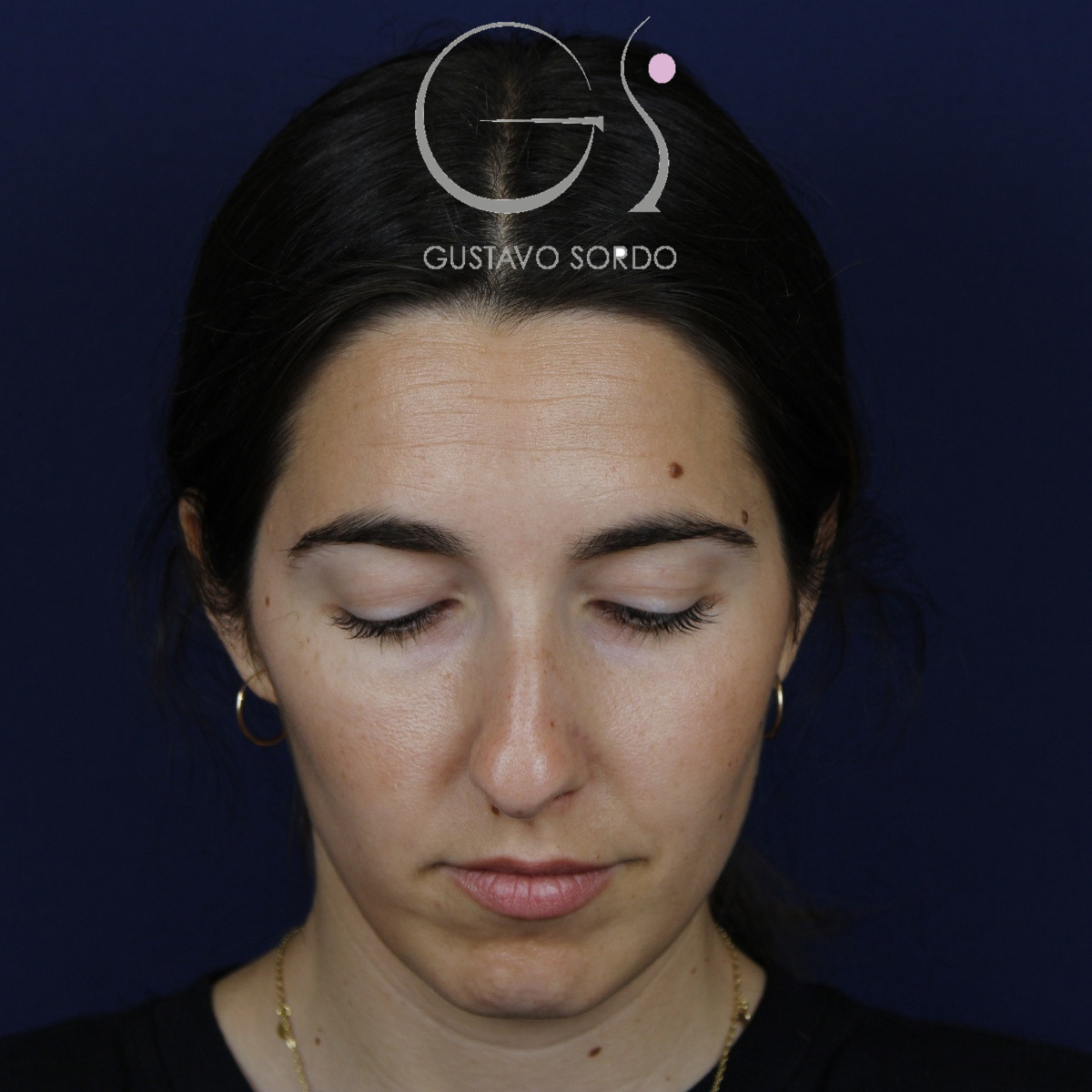
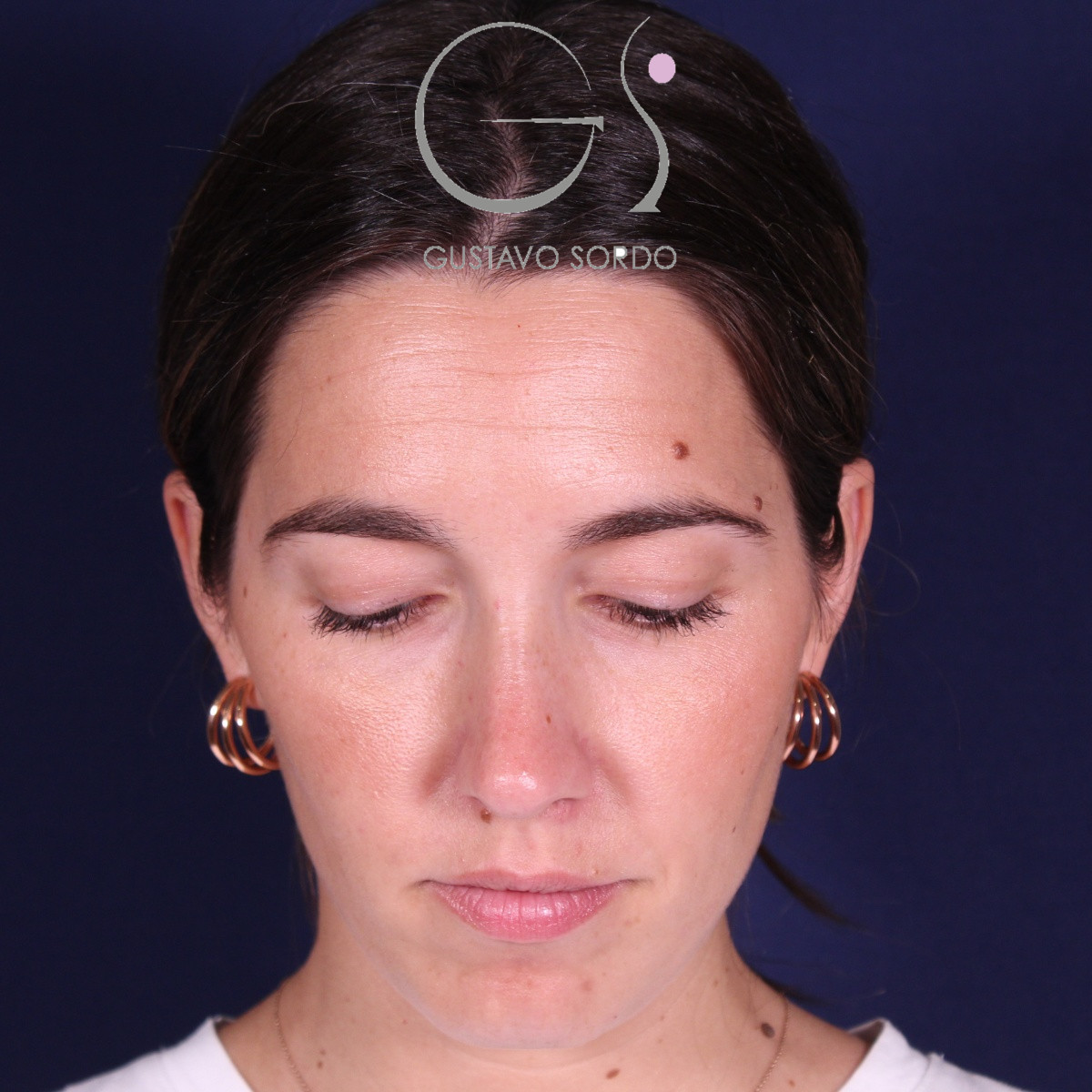
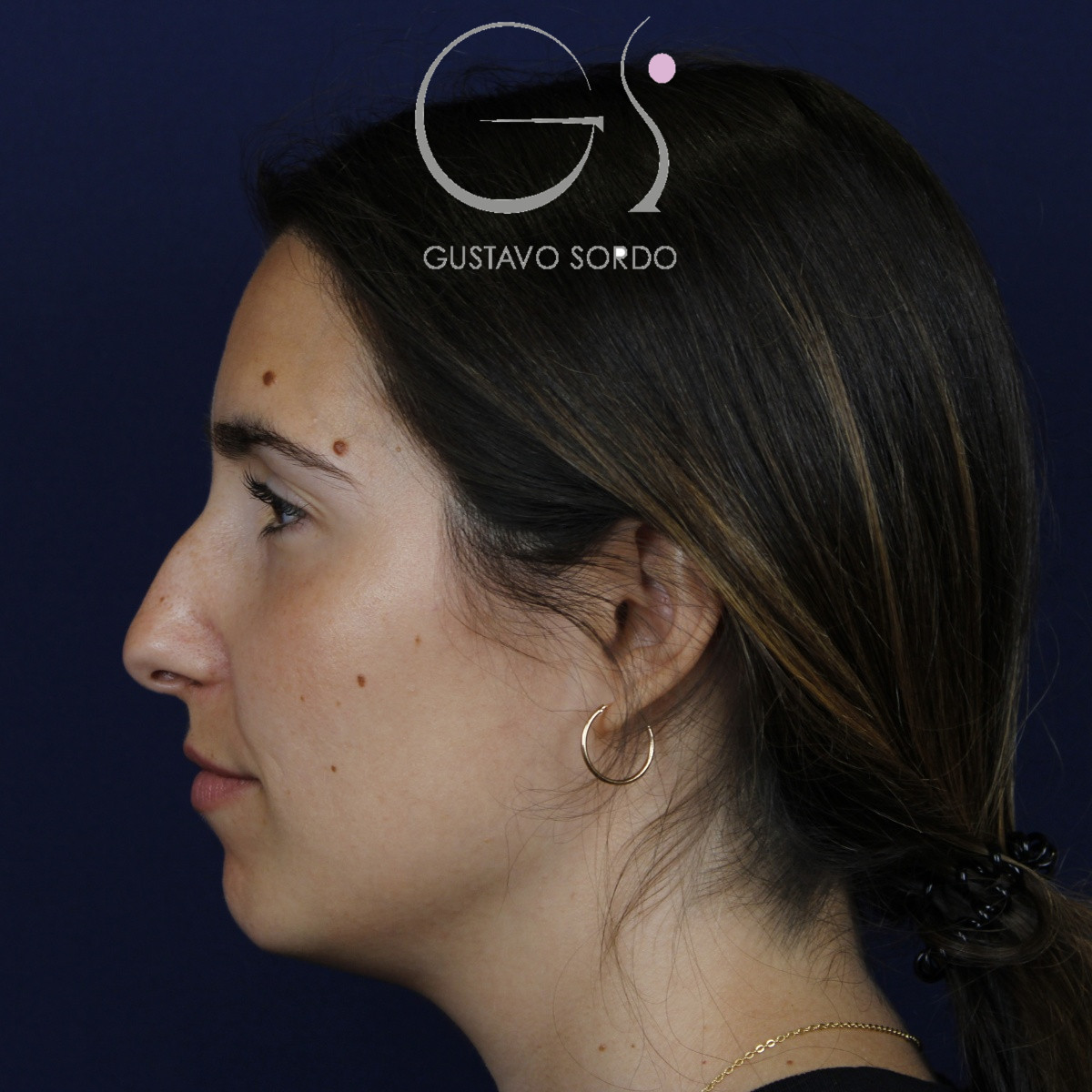
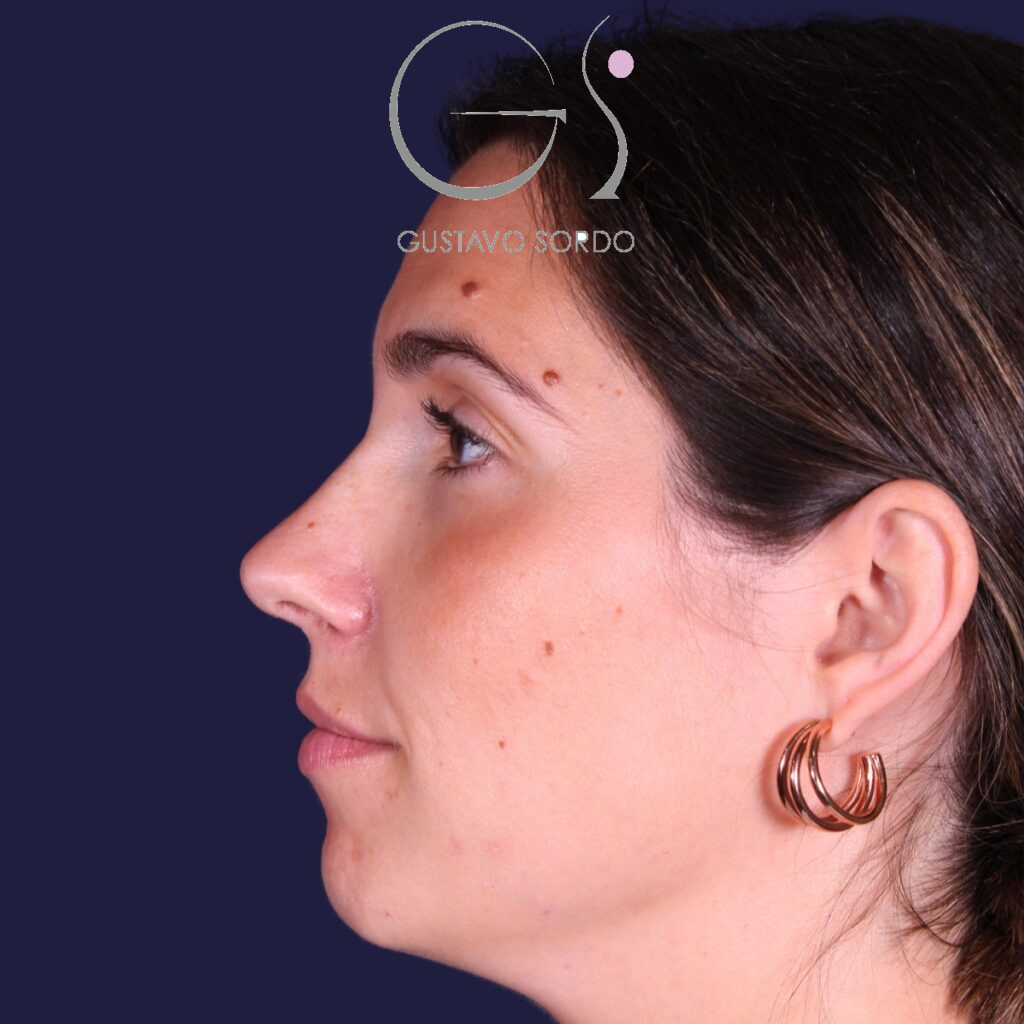
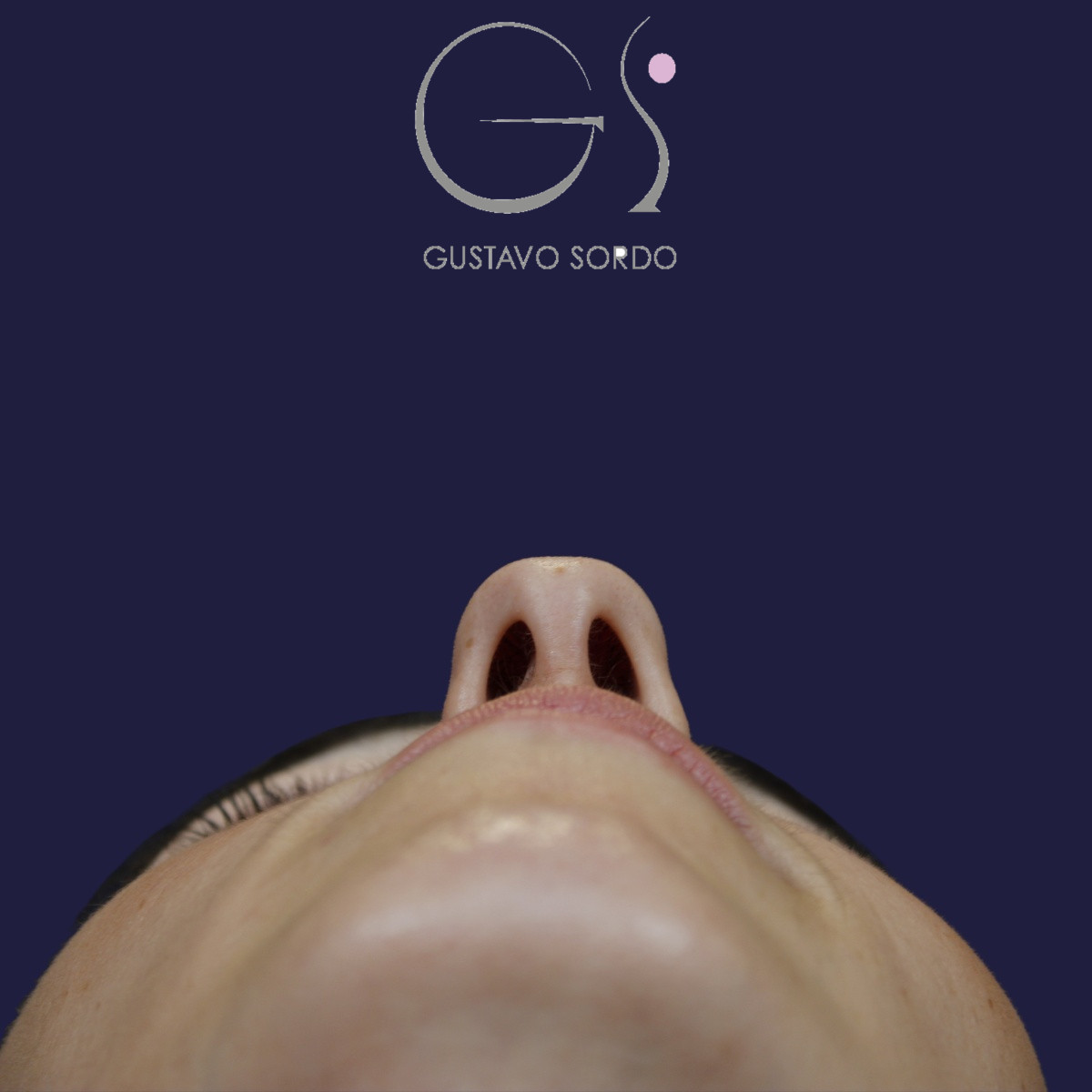
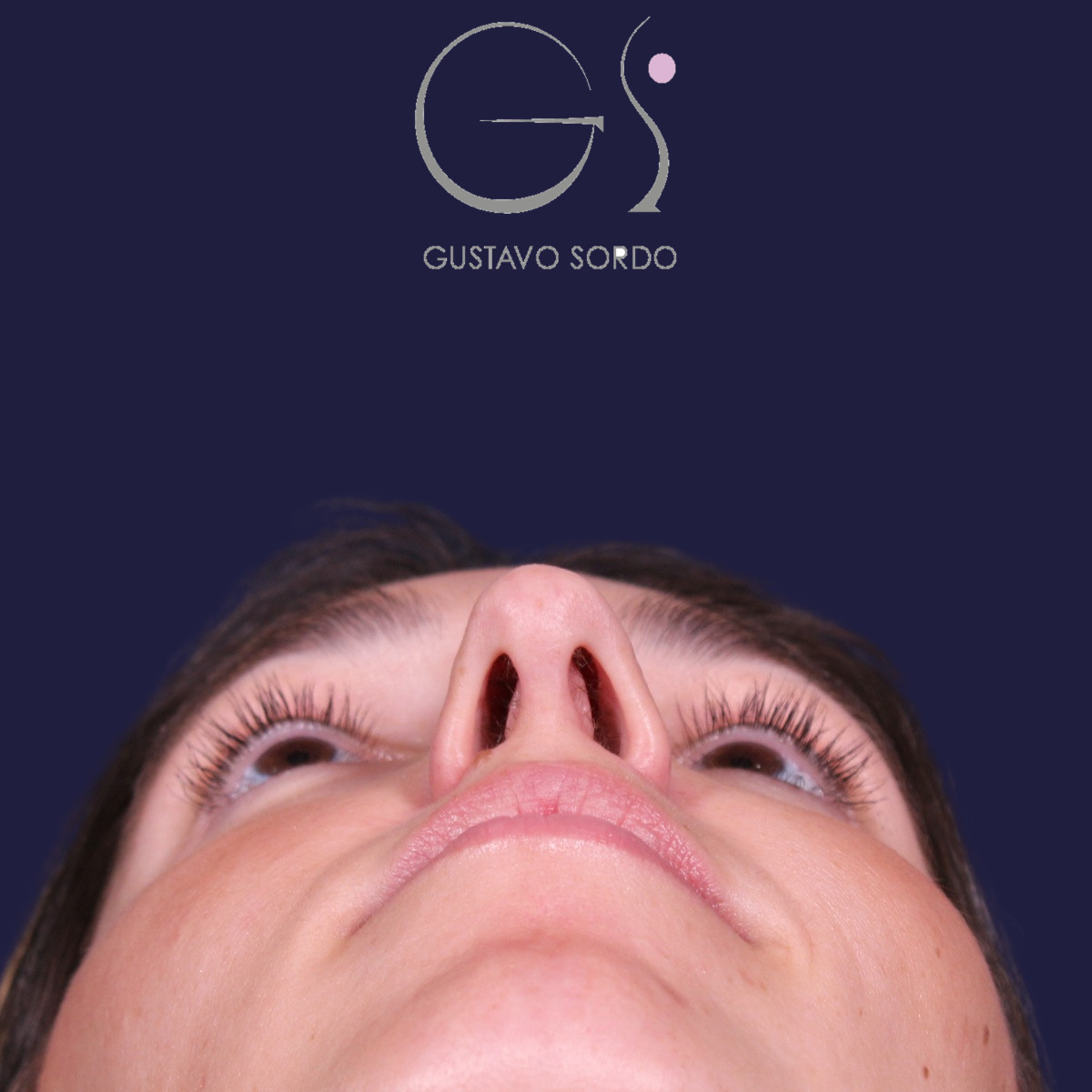
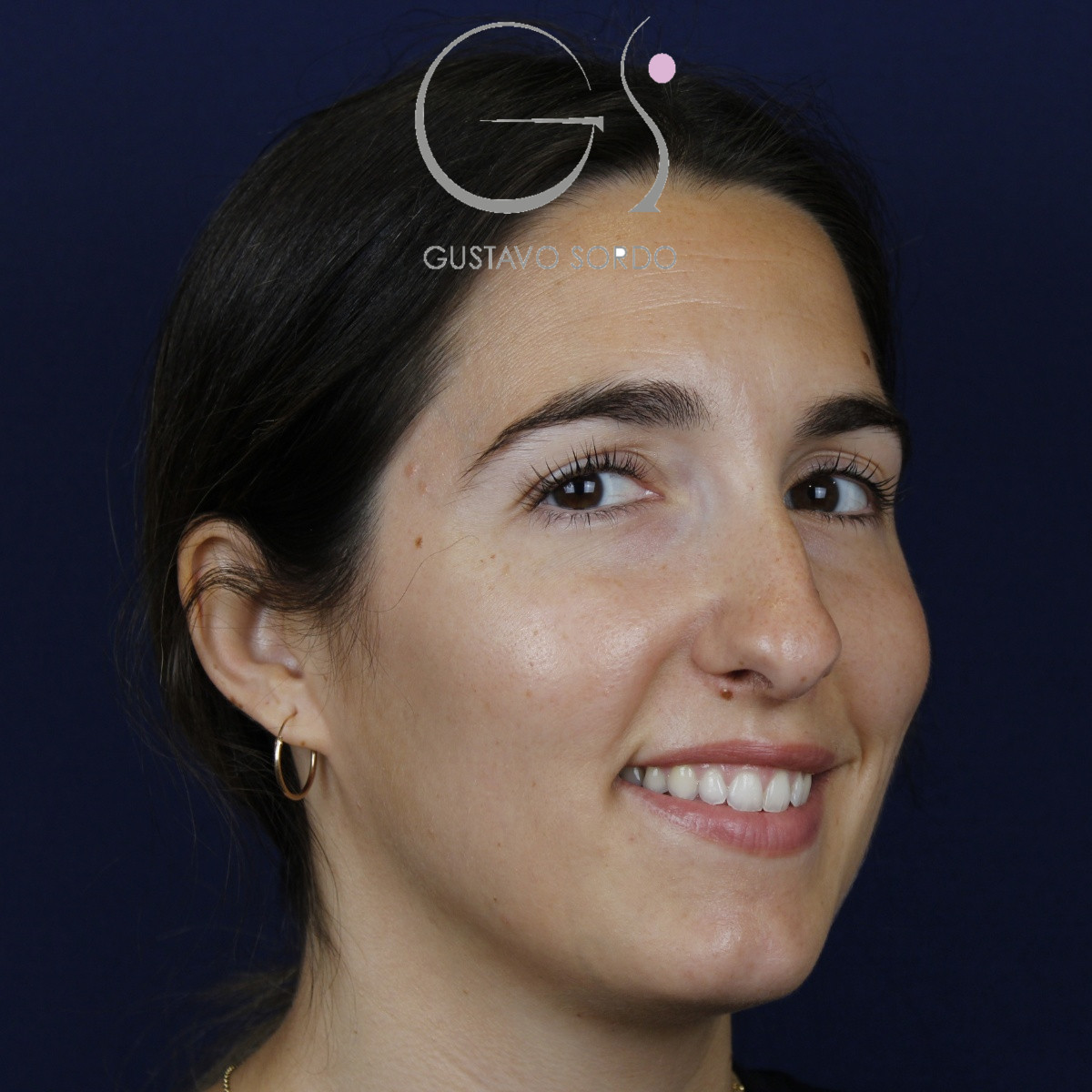
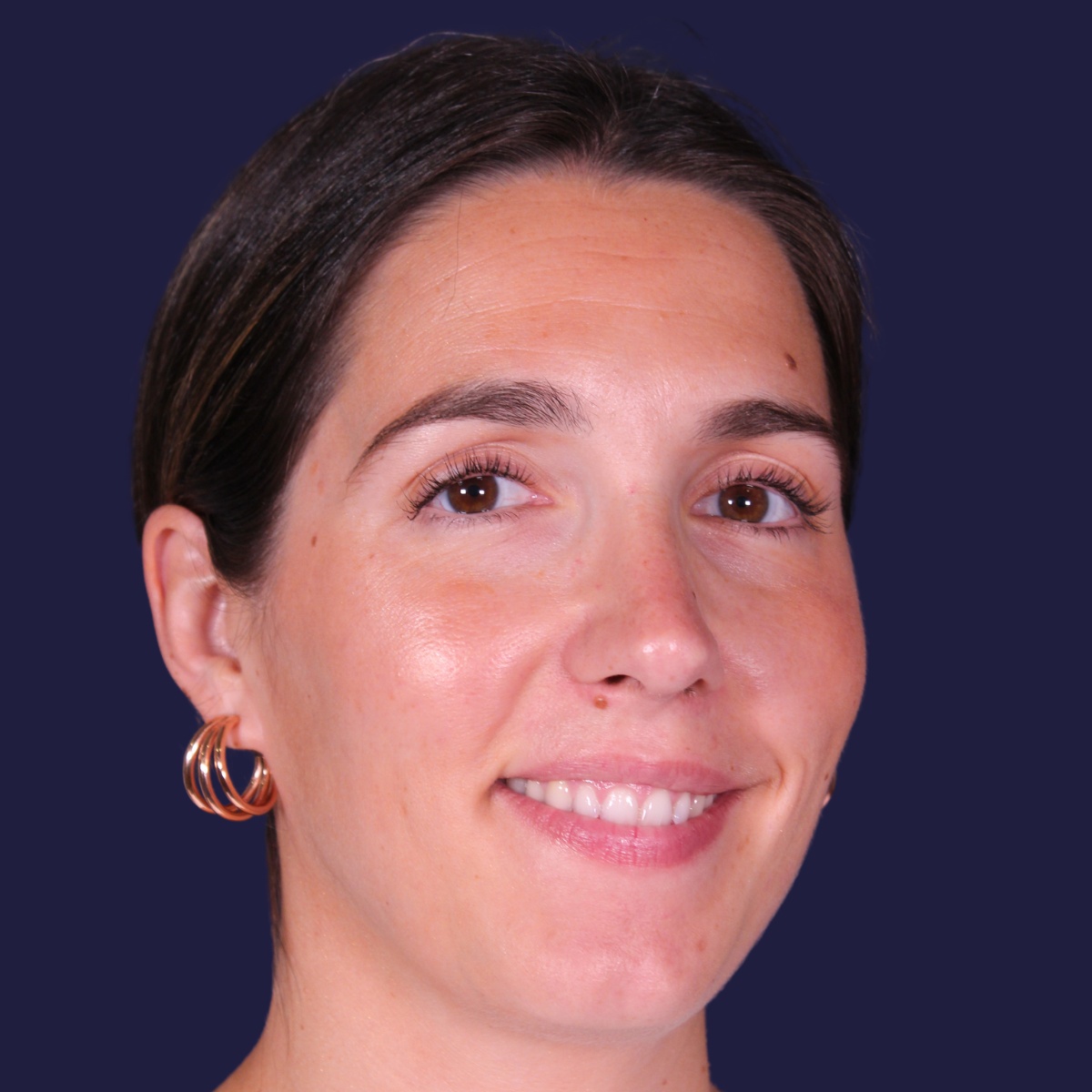
Rhinoplasty Before and After
Reason for consultation This patient presented with a deviation of the nose (lateral rhinitis) to the right, along with an obstructive respiratory disorder and a bulbous tip, “boxy tip”.
What I observed when assessing it The right lateral deviation coexisted with a clear functional component, the obstructive disorder, and with a wide and square tip characteristic of the boxy tip, which had to be remodeled in addition to correcting the nasal axis.
What was important to preserve? The goal was to correct both the axis of the nose and the shape of the tip, without losing the support structure necessary for respiratory function.
My surgical approach I proposed the correction of the laterorhinia along with the remodeling of the bulbous tip by removing part of the alar cartilages and repositioning the structures on a septal extension graft.
Why I chose this technique In boxy tips, reducing the volume of the alar cartilages is key to refining the tip, but it must be done carefully so as not to weaken the nasal support; that's why I repositioned the structures on a septal extension graft, which provides stability and allows me to correct the axis of the nose at the same time.
What I did during surgery: I corrected the lateral ridge, removed part of the alar cartilages to reduce the volume of the bulbous tip, and repositioned the structures over a septal extension graft.
What is observed in the result The result shows a notable improvement of the tip, now more defined and less bulbous, along with the correction of the nasal axis.
If you are considering surgery, here we explain what rhinoplasty is like in Madrid at our clinic.
Case operated on by Dr. Gustavo Sordo
Specialist in Plastic, Aesthetic and Reconstructive Surgery. Member No. 282858125.
If you're looking at this case for a specific reason.
Seeing case studies helps, but it doesn't replace an examination: the bone, cartilage, and thickness of your skin determine the limits of what can be achieved. We explain this in our rhinoplasty in Madrid section.
Do you want to know if this can be done in your case?
The first consultation is with Dr. Sordo, either at the Chamberí clinic or via video consultation. You'll leave knowing if you're a candidate, which technique is right for you, and how much it costs.
Dr. Gustavo Sordo · Member No. 282858125 · Plastic, Aesthetic and Reconstructive Surgery · Madrid