Nasal Septum Perforation: A Complete Guide

Updated on • Reviewed by Dr. Gustavo Sordo, plastic surgeon
A perforated nasal septum is a condition that can affect both breathing and the structure and appearance of the nose . While it causes little to no discomfort in some patients, in others it can cause symptoms such as dryness, bleeding, crusting, wheezing, or even changes in the shape of the nose. In this article, we explain what a perforated nasal septum is, its main causes and symptoms, and the available treatments , including reconstructive surgery and the necessary care during recovery.
Each case is assessed in consultation; the complete process, cases and price (from €10.040) are available at rhinoplasty in Madrid.
What is a perforated septum?

A perforated septum occurs when a hole forms in the septum, which is the structure of bone and cartilage that separates our two nostrils. This problem goes unnoticed in mild cases, but when the perforation is severe, it significantly affects respiratory function and the appearance of the nose.
What are the causes? Why is it perforated?
There are several causes that can lead to a perforated septum, one of the most common is having some type of malformation or genetic medical condition. But we will tell you all about them:
- Previous nasal surgeries: It is one of the possible complications of surgical procedures such as rhinoplasty or septoplasty.
- Traumas or injuries: Strong blows to the nose that damage the cartilage.
- Nasal infections: Chronic or poorly treated infections that weaken the nasal mucosa and cartilage.
- Congenital causes: Some people are born with a perforated septum due to malformations during fetal development.
- Chemical exposure: Working in environments with harsh chemicals can cause damage to nasal structures.
- Repeated cauterizations: Frequent use of cautery to stop recurrent nosebleeds can injure the septum.
- Inhalation of drugs: Consumption of substances such as cocaine, which causes vasoconstriction and mucosal necrosis, is also one of the main causes of nasal septum perforation.
Most Common Symptoms
Although a septum piercing can be completely asymptomatic, many people experience symptoms, which vary in intensity depending on the size and location of the piercing. The most common ones are:
- Nasal obstruction: Despite having direct communication between the nostrils, there may be a sensation that one or both are blocked, making breathing difficult.
- Crust formation: Dryness inside the nose causes the appearance of scabs that, in addition to being annoying, cause bleeding when they come off.
- Dry nose: With piercing, the airflow changes and dries out the nasal cavities, causing irritation and discomfort.
- Frequent bleeding: Recurrent and unexplained bleeding, even if not severe.
- Wheezing: This is one of the most characteristic symptoms. The air passing through the perforation generates a whistling sound.
- Changes in smell: Some people notice changes in their ability to smell, which also affects their sense of taste.
- Facial pain: Discomfort in the nasal area, along with dryness and crusting, can lead to chronic pain that radiates to other areas of the face.
- Difficulty pronouncing certain phonemes: If there is a severe perforation, the air flow is altered, which affects the pronunciation of certain sounds.
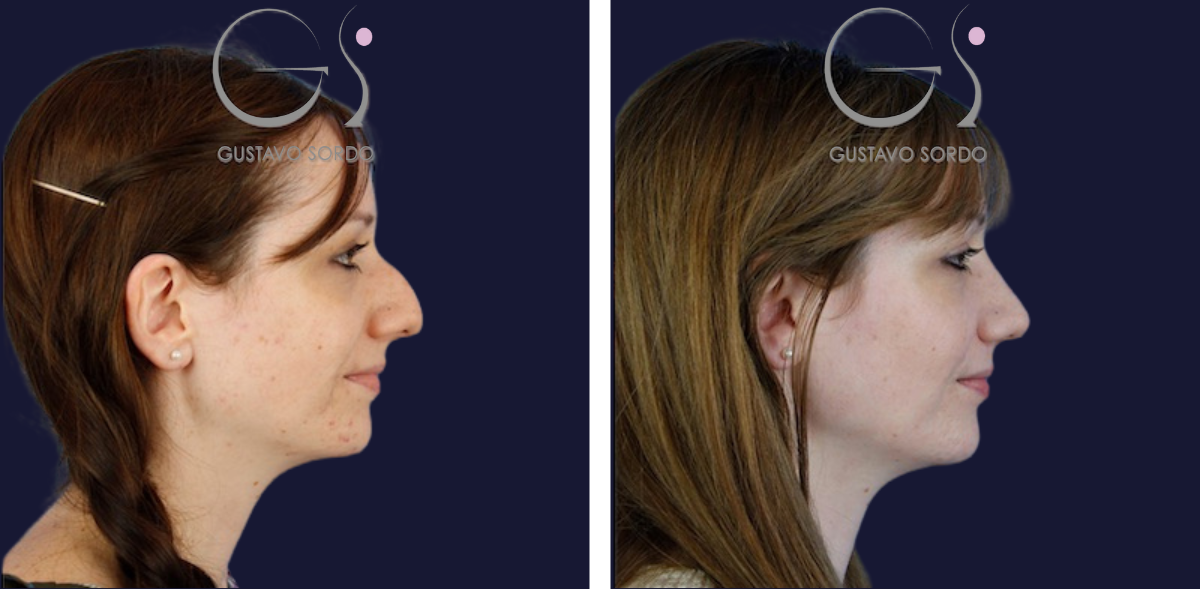
- Aesthetic deformities: If the piercing is located in the anterior part of the septum, it will affect the structure of the nose, visibly deforming it.
What are the consequences? What happens if a septum is perforated?
The consequences of a perforated septum will vary depending on the severity of the perforation, but the possibilities would be:
- Deterioration of respiratory function: As the natural flow of air through the nasal passages is altered, there are problems breathing, especially during sleep or during times of physical exertion.
- Frequent bleeding: Untreated piercings can lead to recurrent nosebleeds, which, in addition to being annoying, can cause anemia in extreme cases.
- Nasal infections: The alteration of the mucosa and the appearance of scabs facilitate the entry of bacteria, increasing the risk of infections.
- Saddle nose: This happens when the front part of the septum collapses, affecting not only the appearance but also the patient's self-esteem.
- Partial loss of sense of smell: Piercing can affect olfactory functions, limiting the ability to detect odors and also affecting the sense of taste.
- Communication problems: As we mentioned above, there are difficulties in pronouncing phonemes.
Can you live with a perforated septum? What happens if it is not fixed?
The answer is yes, living with a perforated septum is possible, but if the perforation is severe, it will significantly affect the quality of life. Remember that in mild cases, symptoms may be minimal or even non-existent.
However, if left untreated, a septum piercing can worsen over time. Progressive symptoms such as more severe bleeding, recurrent nasal infections, and cosmetic deformities will become more difficult to manage.
Lack of treatment also increases the risk of medical complications. Continued irritation and repeated infections affect the nasal structure, causing further deterioration of cartilage and bone, requiring surgical interventions.
Septal perforation is one of the most challenging pathologies in nasal surgery, and it's worth explaining why: the septum has mucosa on both sides, and when a piece is missing, two layers must be closed with tissue that is already retracted and poorly vascularized. Therefore, success depends heavily on the size: small and medium-sized perforations close well with mucoperichondrial advancement flaps, while very large ones have a significant recurrence rate, which must be disclosed before surgery.
When a graft needs to be placed between the two layers, we use the patient's own cartilage or fascia. In the postoperative period, we are particularly insistent on keeping the mucosa hydrated : frequent washes and ointments, because crusting and dryness are what reopen the perforation. In patients with compromised tissues, we also use hyperbaric oxygen therapy to improve oxygenation and promote healing. And the underlying cause matters: if there is cocaine use or active vasculitis, operating without addressing that first is to doom the surgery to failure.
How to treat a perforated septum?
Treatment for a perforated nasal septum depends on the severity of the case and the patient's symptoms. For mild cases, conventional treatments such as the following are recommended:
- Nasal washes with saline solution to keep the nasal passages clean and moist.
- Moisturizing and emollient creams to reduce dryness and prevent crusting.
- Antibiotics, if there are signs of infection.
- Analgesics in case of persistent pain or discomfort.
During surgery, grafts of the patient's own tissue can be used to repair damage and reinforce weakened cartilage. In addition, aesthetic deformities, such as a saddle nose, are corrected, restoring harmony to the face.
It is important to note that the success of the surgery depends on factors such as the location and size of the perforation, as well as the overall condition of the cartilage and nasal bone.
What postoperative care should be taken into account?
Post-operative care is vital to ensure a smooth recovery after perforated septum repair surgery. It also significantly reduces the chances of infection, bleeding, and more. Here are the main care items you should consider:
Resting Time
It is essential that you rest during the first few days after surgery. It is best to avoid strenuous physical activity and keep your head slightly elevated while sleeping to reduce swelling.
Don't blow your nose
After surgery, it is essential to avoid blowing your nose for the first few weeks to avoid affecting the healing of the septum or damaging the newly repaired structures.
Nasal hygiene
Your surgeon will likely recommend nasal saline washes to keep the area clean, prevent infection, and promote healing.
Avoid smoking and alcohol consumption
Tobacco and alcohol delay healing, increase inflammation and promote the development of complications. Therefore, it is advisable to abstain from consuming them during the recovery process.
Pharmaceutical products
Follow your prescribed medication to the letter, which usually includes antibiotics to prevent infection and painkillers to control postoperative pain.
Avoid exposure to extreme temperatures
During the first few weeks, avoid exposure to very cold or very hot temperatures, as this increases inflammation in the nose area.
Follow-up appointments
It is important to attend scheduled check-ups with the surgeon to monitor the healing process and detect any possible complications early.
Conclusion
If you experience symptoms related to this condition, it's crucial that you seek advice from a specialist. They are the ones who can truly inform you about what actions to take and what precautions to take, allowing you to make informed decisions.
At our Plastic Surgery Clinic in Madrid , Dr. Gustavo Sordo, a plastic surgeon in Madrid, has extensive experience in reconstructive nasal surgery. For cases requiring surgical intervention, we offer both rhinoplasty and ultrasonic rhinoplasty in Madrid , choosing the most appropriate technique in each case based on the location and size of the perforation, as well as the condition of the patient's nasal cartilage and bone.
Dr. Gustavo Sordo
Specialist in Plastic, Aesthetic and Reconstructive Surgery. Member No. 282858125.
Content clinically reviewed by Dr. Gustavo Sordo. Last review: September 29, 2026.